 Written by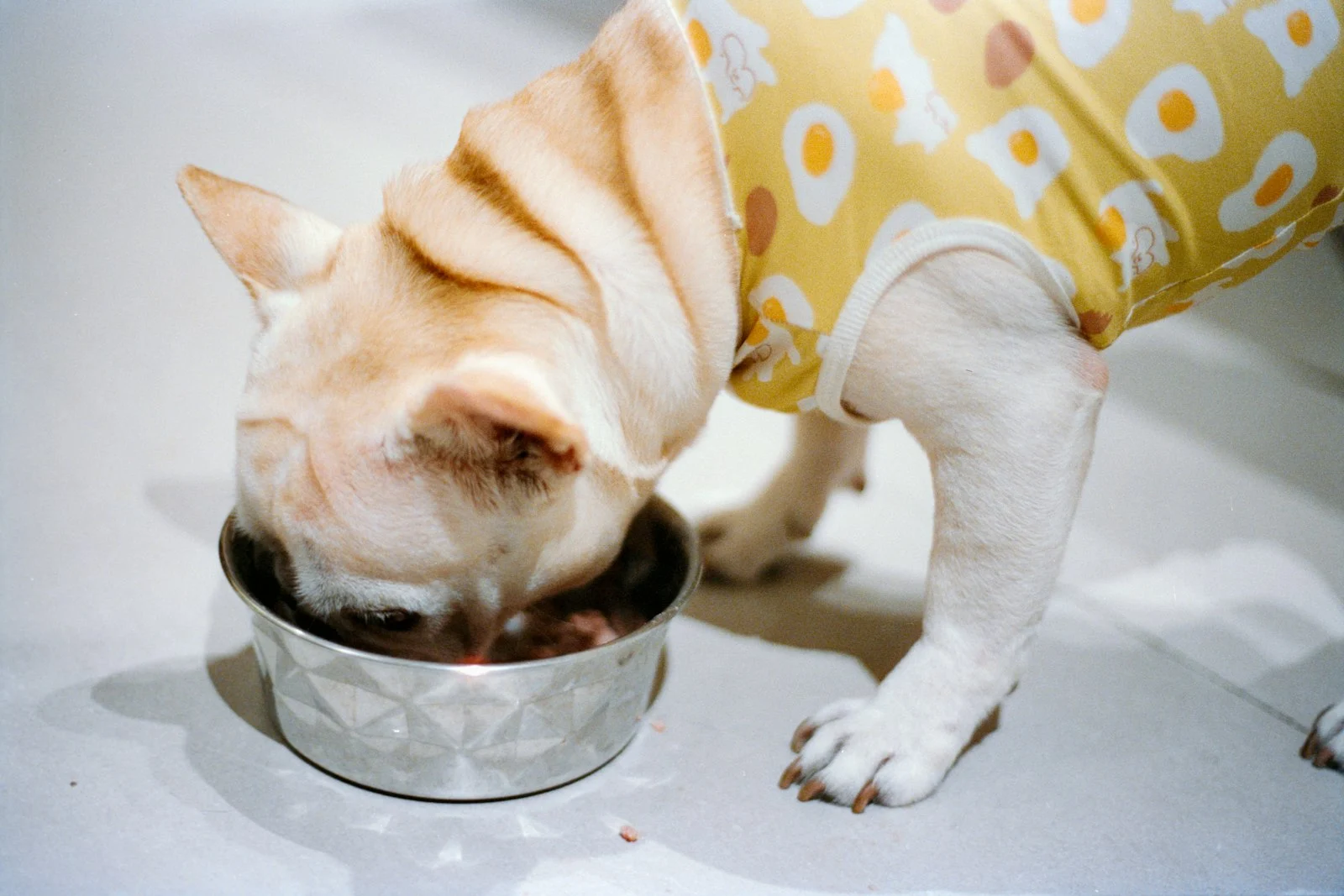
Pugs, French Bulldogs, English Bulldogs, Boston Terriers, and other short-nosed breeds are some of the most beloved dogs in America. They are also some of the fastest, messiest eaters, and their unique facial structure makes a standard slow feeder a poor fit. If you have ever watched your Frenchie struggle to reach food wedged deep in a maze bowl, you already know that choosing the right slow feeder for flat-faced dogs takes a little extra thought.
The good news is that with the right design, a flat-faced dog can enjoy all the benefits of slow feeding: calmer meals, less gulped air, and fewer digestive upsets. Here is what to look for and why it matters.
Why Flat-Faced Dogs Need a Different Bowl
Flat-faced breeds are known as brachycephalic dogs, which simply means short-headed. Their pushed-in muzzles and short snouts make it hard to reach into deep, narrow grooves that a longer-nosed dog handles easily. A bowl designed for a Labrador can leave a pug frustrated, pawing at food it cannot reach.
How to Pick the Right Slow Feeder for Your Pet
Get our expert guide delivered to your inbox — plus an exclusive 15% discount code for your first order.
These breeds also face real health concerns at mealtime. According to AKC breed information, brachycephalic dogs often have narrowed airways and can struggle with breathing, which means gulping food and swallowing air is riskier for them than for other dogs. That makes slowing the pace especially valuable, as long as the bowl does not add its own frustration.
The Gulping Problem
Because short-nosed dogs already take in extra air as they breathe and eat, fast eating can lead to more gas, burping, regurgitation, and discomfort. A well-chosen slow feeder helps them take smaller, more manageable bites without fighting the bowl.
What to Look For in a Slow Feeder
Shallow, Wide Grooves
This is the single most important feature. Flat-faced dogs need patterns that are shallow and open rather than deep and narrow, so their short muzzles can actually reach the food. Wide, gently raised ridges work far better than tight, tall mazes.
Easy-to-Reach Pockets
Look for bumps and swirls set close to the surface. The food should sit where a short snout and tongue can get to it without your dog having to jam its face into a crevice. The goal is a mild challenge, not an impossible one.
A Stable, Low Base
Enthusiastic eaters push bowls around the kitchen. A wide, non-slip base or a bowl with a low profile keeps things steady so your dog can focus on eating rather than chasing the dish across the floor. Some flat-faced dogs also do better with a very slightly raised bowl, which can make swallowing a touch easier, though it should never be tall enough to strain their neck.
Easy to Clean
Shallow grooves are also easier to wash, which matters when flat-faced dogs tend to be a bit slobbery. Food-grade silicone and dishwasher-safe designs save you time.
Great Options for Pugs, Bulldogs, and Frenchies
A licking-style bowl is often ideal for brachycephalic breeds because it keeps food near the surface and rewards slow, calming licks. Our Interactive Licking Bowl suits flat-faced dogs well, with a shallow, reachable texture that slows eating without demanding a long snout. For wet food, toppers, or spreads, the Slow Licking Mat lets your dog lick a thin layer of food, which paces the meal and soothes at the same time.
If you prefer a maze-style bowl, choose one with the shallowest, most open pattern you can find, and watch to be sure your dog can comfortably reach every pocket. Avoid tall towers and tight spirals, which are built for long-nosed breeds and will only leave your dog frustrated. For more on picking the right fit by size, see our guide to slow feeders for small dogs, since many flat-faced breeds fall into the small or medium range.
How to Introduce It Successfully
Start easy so your flat-faced dog does not get discouraged. Spread food across the surface at first rather than tucking it deep into any grooves. Offer praise and let your dog explore at its own pace. Because brachycephalic dogs can tire and overheat quickly, keep early sessions short and calm, and always make sure fresh water is nearby, especially during warm weather in states like Florida or Texas. Most short-nosed dogs adjust within a few meals once they realize the food is easy to reach.
Get Your Free Slow Feeding Guide
Everything in this article — plus portion charts, feeder comparisons and meal plans — in one printable PDF. A 15% discount code is included.
Frequently Asked Questions
What is the best slow feeder for a flat-faced dog?
Look for a shallow, wide, open design with easy-to-reach pockets, such as a licking bowl or a lick mat. Deep maze bowls made for long-nosed breeds usually frustrate pugs, bulldogs, and Frenchies.
Are slow feeders safe for brachycephalic breeds?
Yes, when you choose a shallow design that does not force your dog to strain or jam its face into deep grooves. Slowing the pace actually helps these breeds by reducing gulped air. Keep sessions calm and supervised.
My bulldog still eats too fast. What else can I do?
Try smaller, more frequent meals, feed in a quiet spot away from other pets, and pair a shallow slow feeder with a lick mat. If fast eating causes frequent vomiting, or if your dog seems to struggle to breathe while eating, check with your veterinarian. The AVMA recommends a vet visit for any ongoing digestive trouble.
Give Your Flat-Faced Friend a Better Meal
Your pug, Frenchie, or bulldog deserves a slow feeder built for their unique face, one that slows the gulp without the frustration. The right shallow, reachable design makes mealtime calmer, safer, and more enjoyable, and it can spare you the cleanup that comes with a gulped, brought-up meal. Explore our flat-faced-friendly licking bowls and mats in the Pets Sparkle shop and find the perfect fit for your short-nosed companion and their next happy, calm meal today.