 Written by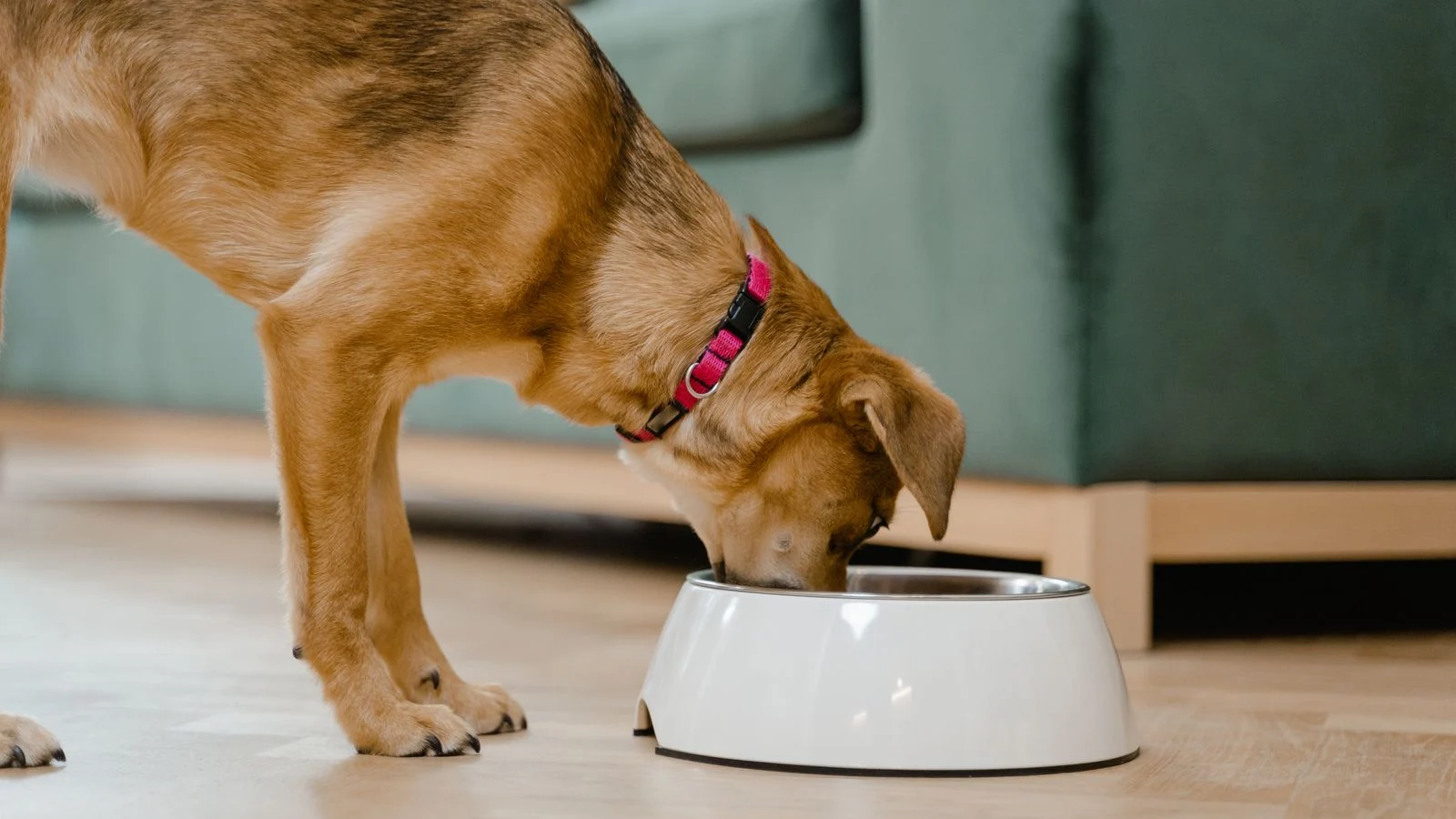
If your veterinarian has gently suggested your dog could stand to lose a few pounds, you are in very good company. Pet obesity is one of the most common health issues American dogs face, and it puts extra strain on joints, the heart, and overall quality of life. The good news is that one simple tool can make weight management far easier: a slow feeder. A slow feeder for dog weight loss will not melt the pounds off by magic, but it changes how your dog eats in ways that support steady, healthy loss. Here is how it works and how to build a plan that actually sticks.
How a Slow Feeder Supports Weight Loss
A slow feeder is a bowl with built-in ridges, mazes, or channels that force your dog to work for each bite instead of inhaling the whole meal in seconds. That simple change delivers a few big benefits for a dog on a diet.
First, it gives the body time to register fullness. It takes roughly 15 to 20 minutes for the brain to catch up with the stomach, so a dog that finishes in 30 seconds often still feels hungry and begs for more. Stretch that same portion over several minutes and your dog feels genuinely satisfied on less food. Second, the mental and physical effort of solving the feeder burns a little energy and, more importantly, keeps a food-motivated dog happier with a smaller serving.
Slow Feeding for Weight Control & Portion Management
Get our expert guide delivered to your inbox — plus an exclusive 15% discount code for your first order.
There is a behavioral payoff, too. Dogs that gobble their food are often anxious around the bowl and quick to beg between meals. Turning dinner into a slow, absorbing task gives them a healthy outlet, which can reduce counter-surfing and food-related pestering while the pounds come off.
Portion Control Is the Real Secret
Here is the honest truth: a slow feeder helps, but portion control is where weight loss is won or lost. You can slow down a meal all you like, but if the meal is too big, your dog will not lose weight. Start by working with your veterinarian to set a target weight and a daily calorie budget, since crash diets are unsafe and the right number depends on your dog size, age, and activity.
Once you have that number, measure every meal with an actual measuring cup or a kitchen scale rather than eyeballing it. Scooping by feel is one of the most common reasons dogs stay overweight. Split the daily amount into two meals, and remember that treats count toward the total. Our portion control guide for dogs breaks the math down step by step.
Choosing the Right Slow Feeder for a Diet
For weight loss, you want a feeder that meaningfully slows your dog down without causing frustration. Match the difficulty to your dog experience and snout shape.
For Enthusiastic Eaters
A maze-style bowl like the Triple Maze Feeder creates plenty of twists and turns, which works great for determined gulpers who need a real challenge to slow down.
For Beginners and Gentle Slowdowns
If your dog is new to the idea, a simpler pattern such as the Treat Maze Bowl eases them in without turning dinner into a fight. You can always increase the challenge later.
Whatever you choose, look for a non-slip base so the bowl stays put, and a design that is dishwasher safe or easy to hand wash so cleaning never becomes an excuse to quit.
Add Enrichment to Burn More Energy
To boost results, rotate in puzzle and treat-dispensing feeders that get your dog moving. A treat-dispensing toy like the Pawzzle Feeder Ball turns part of the daily ration into a game of chase around the living room, adding light activity to the day. Pair mealtime enrichment with daily walks appropriate for your dog fitness level. The AVMA and AAHA both emphasize that combining measured feeding with regular exercise is the proven formula for healthy, lasting weight loss. Swapping some kibble into enrichment feeders also helps overweight dogs who seem hungry all the time, since the extra chewing and problem-solving keeps them engaged for longer on the same number of calories. If you also share your home with a heavier cat, our overweight cat weight loss guide covers the same principles for felines.
Track Progress and Stay Patient
Healthy weight loss is slow by design. Most veterinarians recommend a gradual pace, and dropping weight too fast can be dangerous, especially for cats but for dogs too. Weigh your dog every couple of weeks, keep a simple log, and check in with your vet to adjust the plan as the numbers move. Celebrate the small wins, because a leaner dog is a more comfortable, more energetic companion who is likely to live a longer, happier life by your side.
Get Your Free Slow Feeding Guide
Everything in this article — plus portion charts, feeder comparisons and meal plans — in one printable PDF. A 15% discount code is included.
Frequently Asked Questions
Will a slow feeder alone make my dog lose weight?
Not by itself. A slow feeder helps your dog feel full on less and eat more calmly, but you still have to feed the right, measured portion and add exercise. It is a powerful helper, not a substitute for portion control.
How much should I feed my dog to lose weight?
That depends on your dog target weight, age, and activity level, so ask your veterinarian for a specific daily calorie target. Then measure every meal and count treats toward the total.
How fast should my dog lose weight?
Slow and steady is safest. Your vet can set a healthy weekly goal for your individual dog. Rushing the process can cause health problems, so patience really does pay off.
Start Your Dog on the Path to a Healthier Weight
A slow feeder makes portion control easier, keeps your dog satisfied on smaller meals, and adds a bit of fun to the diet. Combine it with measured feeding, daily movement, and your vet guidance, and you have a plan that works. Ready to help your best friend slim down? Browse our slow feeders and puzzle toys in the Pets Sparkle shop and take the first step today.