 Written by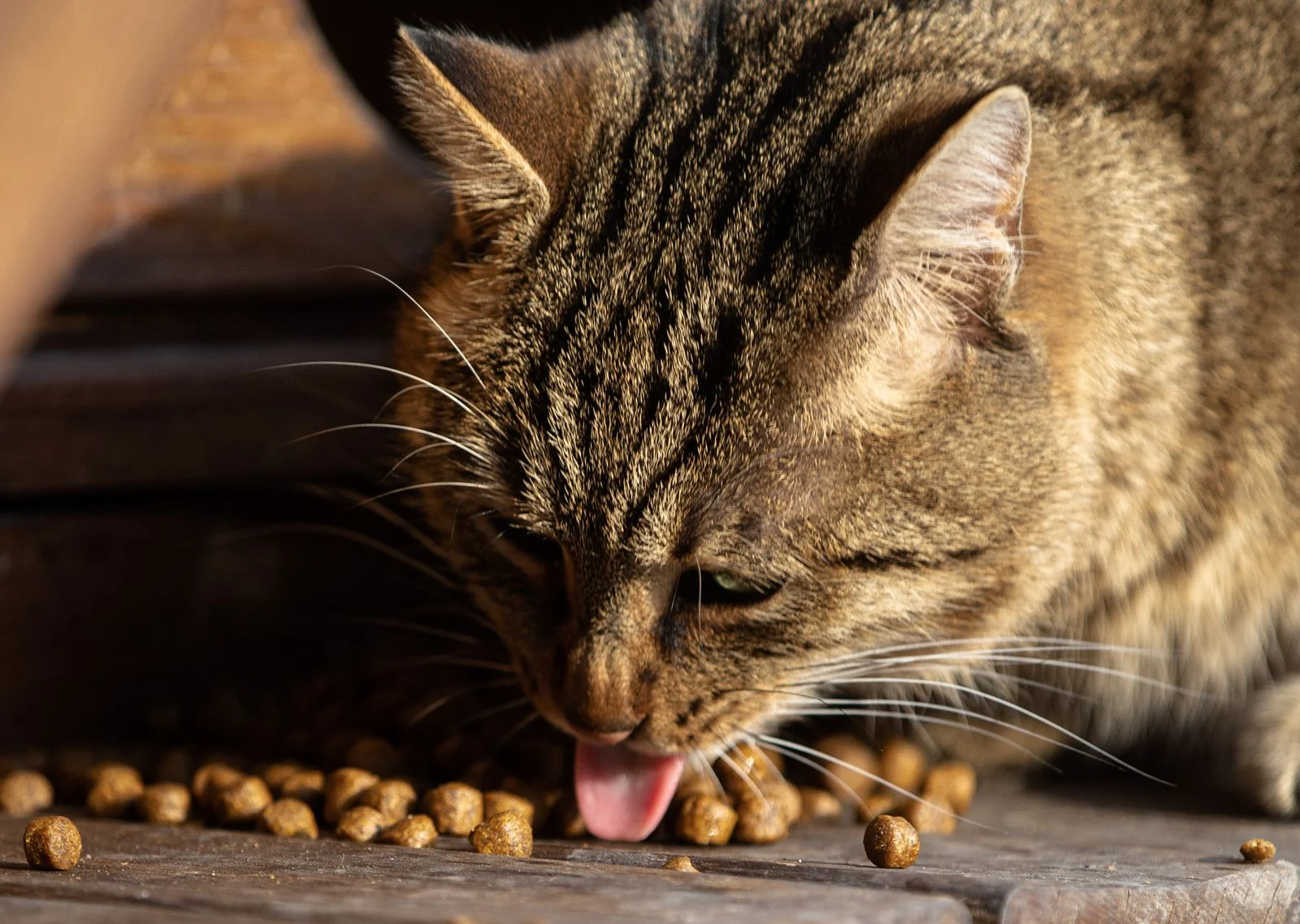
Few things send a cat parent scrambling for paper towels faster than the sound of a cat about to be sick right after dinner. If your cat is throwing up after eating, you are not alone, and in many cases the reason is more about how your cat eats than a serious illness. Still, vomiting can point to real health issues, so it helps to understand the common causes and know when it is time to call your veterinarian.
This guide walks through why cats vomit after meals, the difference between regurgitation and true vomiting, the red flags that mean a vet visit, and simple changes at home that can calm mealtimes for good.
The Most Common Reason: Eating Too Fast
The number one cause of a healthy cat throwing up right after eating is simple: speed. Cats are natural grazers who, in the wild, eat many small meals a day. When a hungry house cat gulps down a full bowl in under a minute, air gets swallowed along with the food, and the stomach stretches quickly. The body responds by bringing the meal right back up, often still in tube-shaped, barely chewed pieces. Pet parents sometimes call this scarf and barf.
The Cat Parent's Guide to Slow Feeding & Enrichment
Get our expert guide delivered to your inbox — plus an exclusive 15% discount code for your first order.
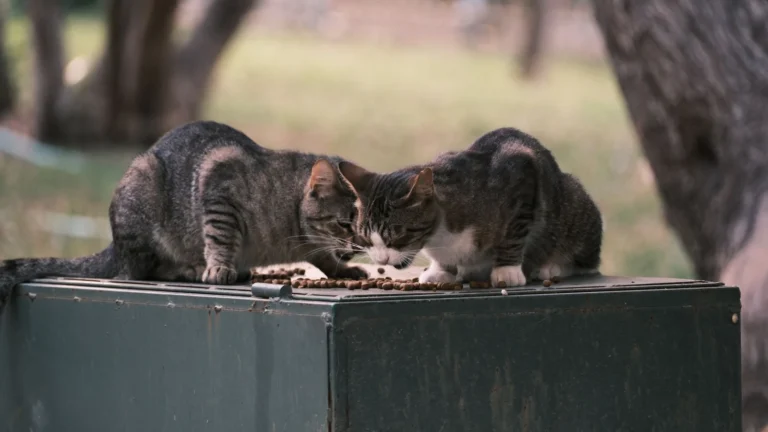
This is especially common in multi-cat homes where competition drives fast eating, and in cats fed one or two large meals instead of several small ones. The good news is that this type of vomiting is usually easy to manage once you slow the pace of eating.
Regurgitation vs. True Vomiting
Knowing the difference helps you describe the problem to your vet. Regurgitation happens passively and quickly, usually within minutes of eating. The food comes up undigested, tube-shaped, and there is little warning or effort. True vomiting is an active process with heaving, abdominal contractions, and often drooling beforehand. Vomited material is usually partly digested and may contain yellow bile.
Fast eating typically causes regurgitation. True vomiting, especially when it happens well after meals or repeatedly, is more likely to signal an underlying issue worth investigating.
Other Common Causes
Hairballs
Cats groom constantly and swallow loose fur, which can collect in the stomach. According to the ASPCA, occasional hairballs are normal, but frequent ones may mean your cat needs help with grooming or a diet adjustment. Long-haired breeds are especially prone.
Food Sensitivities or a Diet Change
Switching foods too quickly can upset a cat’s stomach. So can a genuine food sensitivity to a particular protein or ingredient. If vomiting started after a new bag or flavor, that timing is a clue. The AVMA recommends transitioning to new food gradually over a week or more.
Eating Something They Should Not
Plants, string, hair ties, and human foods can all trigger vomiting. Some common houseplants, including lilies, are highly toxic to cats. Keep tempting hazards out of reach.
Underlying Medical Conditions
Chronic vomiting can be linked to conditions such as inflammatory bowel disease, kidney disease, hyperthyroidism, or diabetes, which are more common in older cats. Only a veterinarian can diagnose these, which is why persistent vomiting always deserves a checkup.
When to Call Your Veterinarian
Occasional vomiting in an otherwise happy, playful cat is usually not an emergency. But contact your vet promptly if you notice any of these red flags:
Vomiting several times in a day or for more than a day or two; blood in the vomit; a bloated or painful belly; ongoing loss of appetite; weight loss; lethargy or hiding; diarrhea alongside vomiting; or signs of dehydration such as tacky gums. Kittens, senior cats, and cats with existing health problems should be seen sooner rather than later, since they dehydrate quickly. When in doubt, the AVMA advises that a phone call to your vet is always the safest first step.
How to Help a Cat That Eats Too Fast
If your vet has ruled out medical causes and speed is the culprit, a few practical changes can make a real difference.
Slow Down the Meal
A slow feeder is one of the simplest fixes. These bowls use ridges, mazes, or textured surfaces that turn a gulp-and-go meal into a puzzle your cat has to work around. Our Interactive Licking Bowl is designed for cats and slows eating while adding gentle enrichment. For wet food or toppers, a Slow Licking Mat spreads the meal thin so your cat licks rather than gulps. You can learn more in our guide to slow feeders for cats.
Feed Smaller, More Frequent Meals
Instead of one big bowl, offer several small portions through the day. This matches a cat’s natural grazing style and keeps the stomach from being overloaded at once. Automatic feeders can help with timing if you work long hours.
Separate Cats at Mealtime
In multi-cat homes, feed each cat in its own spot so no one feels rushed by competition. This also lets you monitor who is eating what.
Raise the Bowl Slightly
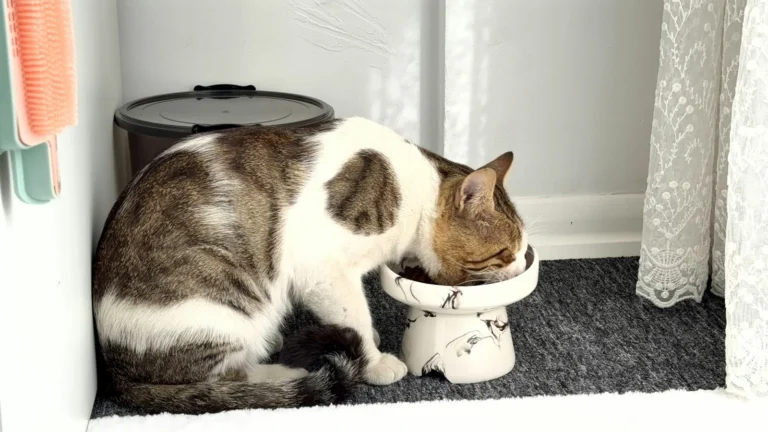
Some cats do better with a slightly elevated dish, which can ease the angle of swallowing and reduce spitting up.

Get Your Free Slow Feeding Guide
Everything in this article — plus portion charts, feeder comparisons and meal plans — in one printable PDF. A 15% discount code is included.
Frequently Asked Questions
Why does my cat throw up right after eating but seems fine otherwise?
The most likely reason is eating too fast, which causes regurgitation of undigested food. If your cat is bright, active, and holding a healthy weight, slowing the meal often solves it. Mention it to your vet at the next visit to be safe.
Can a slow feeder really stop my cat from vomiting?
If the vomiting is caused by gulping, yes, a slow feeder often helps a great deal by pacing each bite. It will not fix vomiting caused by illness, hairballs, or toxins, so a vet check is still smart if the problem continues.
How much vomiting is too much?
A rare hairball or occasional upset is usually normal. Vomiting more than once or twice a week, or any vomiting paired with weight loss, lethargy, or appetite changes, warrants a veterinary visit.
Calmer Meals Start Here
Once your vet has ruled out medical causes, the fix for a fast eater is often simple: slow the pace, shrink the portions, and give your cat something to work for. Ready to help your cat keep dinner down? Browse our cat-friendly slow feeders and lick mats in the Pets Sparkle shop and turn stressful mealtimes into calm, happy ones.