 Written by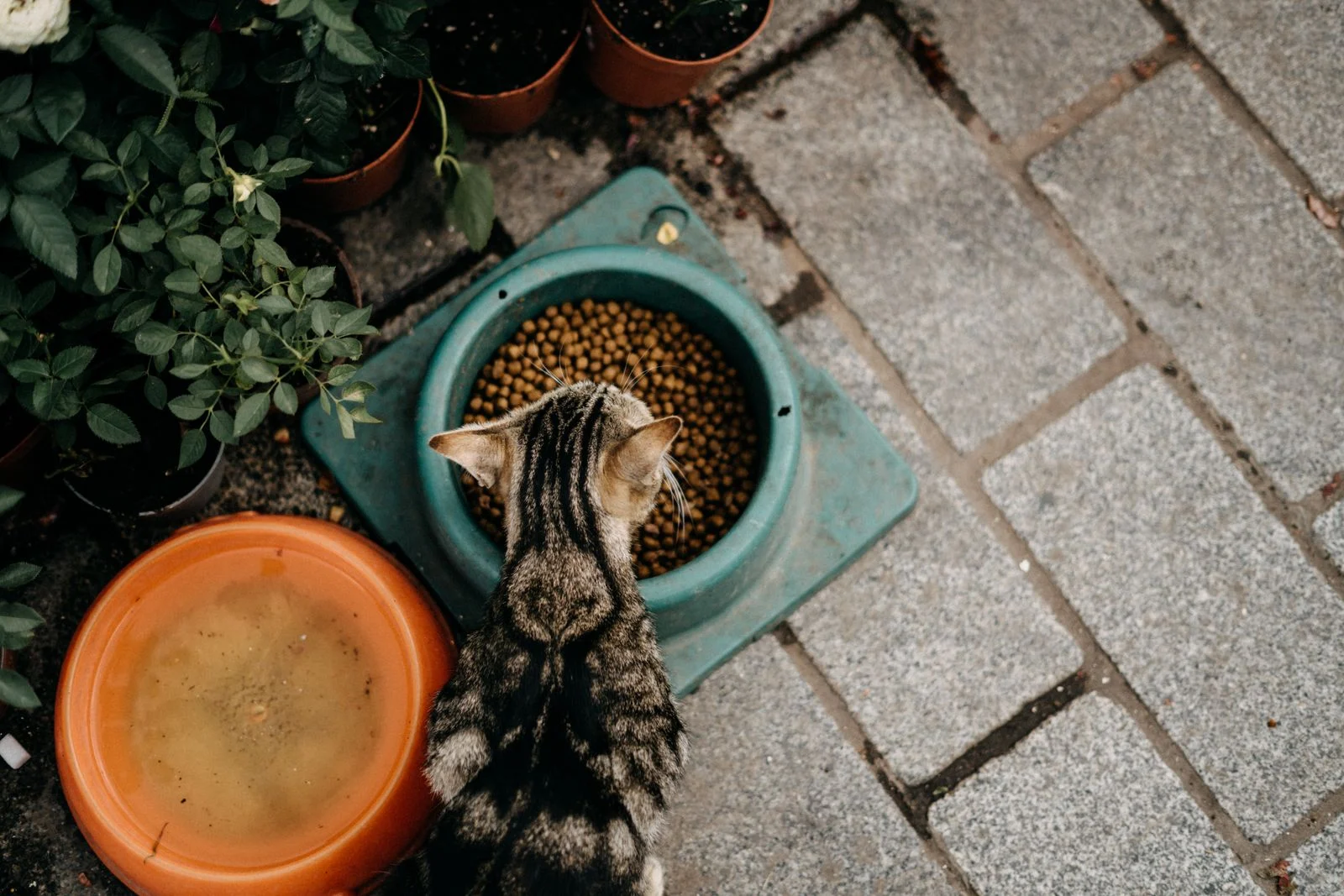
Cats may act aloof and dignified, but plenty of them eat like tiny vacuum cleaners. If your cat scarfs down dinner and then throws it up minutes later, or begs constantly and is packing on pounds, a slow feeder could be the simple fix you have been looking for. Slow feeders for cats turn a rushed gulp-fest into a rewarding, instinct-driven activity. In this 2026 guide, we will cover why they work, how to choose one, and how to get even a picky cat on board.
Why Cats Eat Too Fast
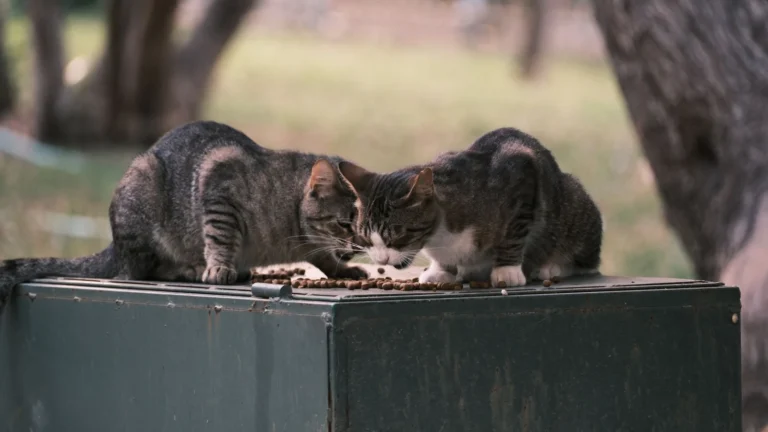
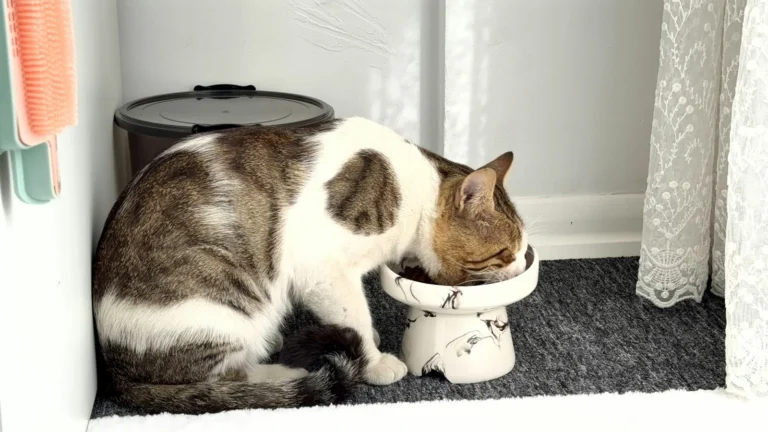
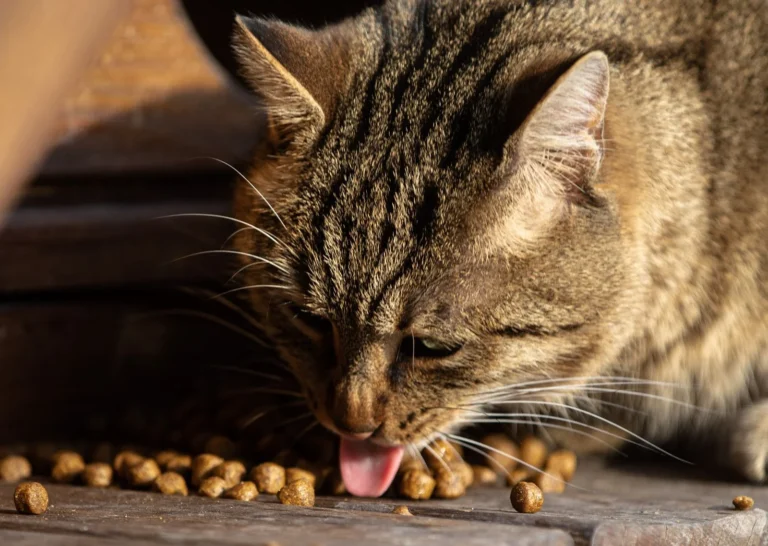
Fast eating in cats is more common than many owners realize. Some cats gulp because of competition in a multi-pet home, some because of past scarcity in a shelter or on the street, and some simply because they love their food a little too much. Whatever the reason, eating too quickly can cause a familiar problem: your cat eats, then promptly brings it all back up. This is often called scarf and barf, and it happens because food and swallowed air hit the stomach too fast for the body to handle. A slow feeder addresses the behavior directly by making it physically impossible to inhale a full bowl in one go.
Slowing things down helps digestion and reduces vomiting. If your cat frequently gets sick after meals, our article on why cats throw up after eating digs into the causes. As always, check with your veterinarian to rule out medical issues, since the AVMA recommends a vet visit for repeated vomiting.
The Cat Parent's Guide to Slow Feeding & Enrichment
Get our expert guide delivered to your inbox — plus an exclusive 15% discount code for your first order.
How Slow Feeders Help Cats
A slow feeder uses ridges, mazes, or licking textures to spread food out so your cat has to work around obstacles for each bite. That small challenge delivers several real benefits.
Better Digestion
Eating more slowly means less gulped air and a gentler landing in the stomach, which cuts down on regurgitation and tummy upset.
Healthy Weight Management
Slower meals give your cat’s body time to register fullness, so your cat feels satisfied and is less likely to overeat. That matters, because the AAHA reports that a large share of American cats are overweight or obese.
Mental Stimulation
Cats are natural hunters. Making them forage for food taps into that instinct and eases boredom, which is especially valuable for indoor cats. For more ideas, see our guide to mealtime enrichment for indoor cats.
Types of Slow Feeders for Cats
Not every slow feeder suits a cat. Cats have shorter muzzles and can be fussy, so the design matters.
Maze and Ridge Bowls
These bowls have raised patterns that slow dry kibble. Look for shallow, cat-friendly ridges rather than deep dog mazes. The Treat Maze Bowl works nicely for cats and small pets, gently pacing meals without frustrating your feline.
Licking Bowls and Mats
Cats love to lick, and licking is soothing for them. A Interactive Licking Bowl is perfect for wet food or a lickable puree, stretching a meal into a calm, satisfying ritual. A licking surface is also a great choice for anxious cats and works beautifully with wet or raw diets.
Puzzle and Treat Feeders
For food-motivated cats who want a bigger challenge, puzzle-style feeders add problem-solving to the mix. These are wonderful for busy indoor cats who need more to do during long winter days in the Northeast. Start simple so your cat does not get discouraged, then increase the difficulty over time.
How to Introduce a Slow Feeder to Your Cat
Cats are famously suspicious of new things, so a gradual approach wins the day. Start by letting your cat sniff the empty feeder. Then place food only in the easiest, most open sections for the first few meals. Adding a favorite wet food or a few treats gives your cat a reason to explore the maze.
Go slowly and keep it positive. If your cat seems frustrated, make it easier by using shallower channels or a licking surface. Over several days, work up to serving the full meal in the feeder. Never force it, and always keep the bowl clean, since a dirty feeder will turn a cat off fast.
Keeping the Feeder Clean and Safe
Cats are sensitive to smells and cleanliness. Wash the feeder after each meal, especially when using wet or raw food, to prevent bacteria buildup and keep your cat interested. Choose food-grade, non-toxic, BPA-free materials, which the FDA regulates for food contact. Dishwasher-safe designs make daily cleaning simple. For a full routine, our post on whether slow feeders are safe and how to clean them has you covered.
Get Your Free Slow Feeding Guide
Everything in this article — plus portion charts, feeder comparisons and meal plans — in one printable PDF. A 15% discount code is included.
Frequently Asked Questions
Do slow feeders really stop cats from vomiting?
For cats who vomit because they eat too fast, yes, slow feeders often help a great deal by pacing meals and reducing gulped air. If vomiting continues despite slower eating, see your veterinarian to rule out medical causes.
Can I use wet food in a cat slow feeder?
Absolutely. Licking bowls and mats are made for wet food, purees, and raw diets. Just wash the feeder thoroughly after every meal to keep it fresh and safe.
My cat ignores the slow feeder. What should I do?
Make it easier and more rewarding. Use a shallower load, add high-value wet food or treats, and switch to a gentler design or a licking surface. Patience and small wins usually win over even stubborn cats.
Help Your Cat Eat Smarter
A slow feeder is one of the easiest upgrades you can make to your cat’s daily routine, supporting better digestion, a healthier weight, and a happier, more engaged feline. Choose a cat-friendly design, introduce it patiently, and keep it clean, and you will likely see the difference within days. Ready to slow things down? Browse the Pets Sparkle collection of slow feeders and licking bowls and find the perfect pick for your cat today.