 Written by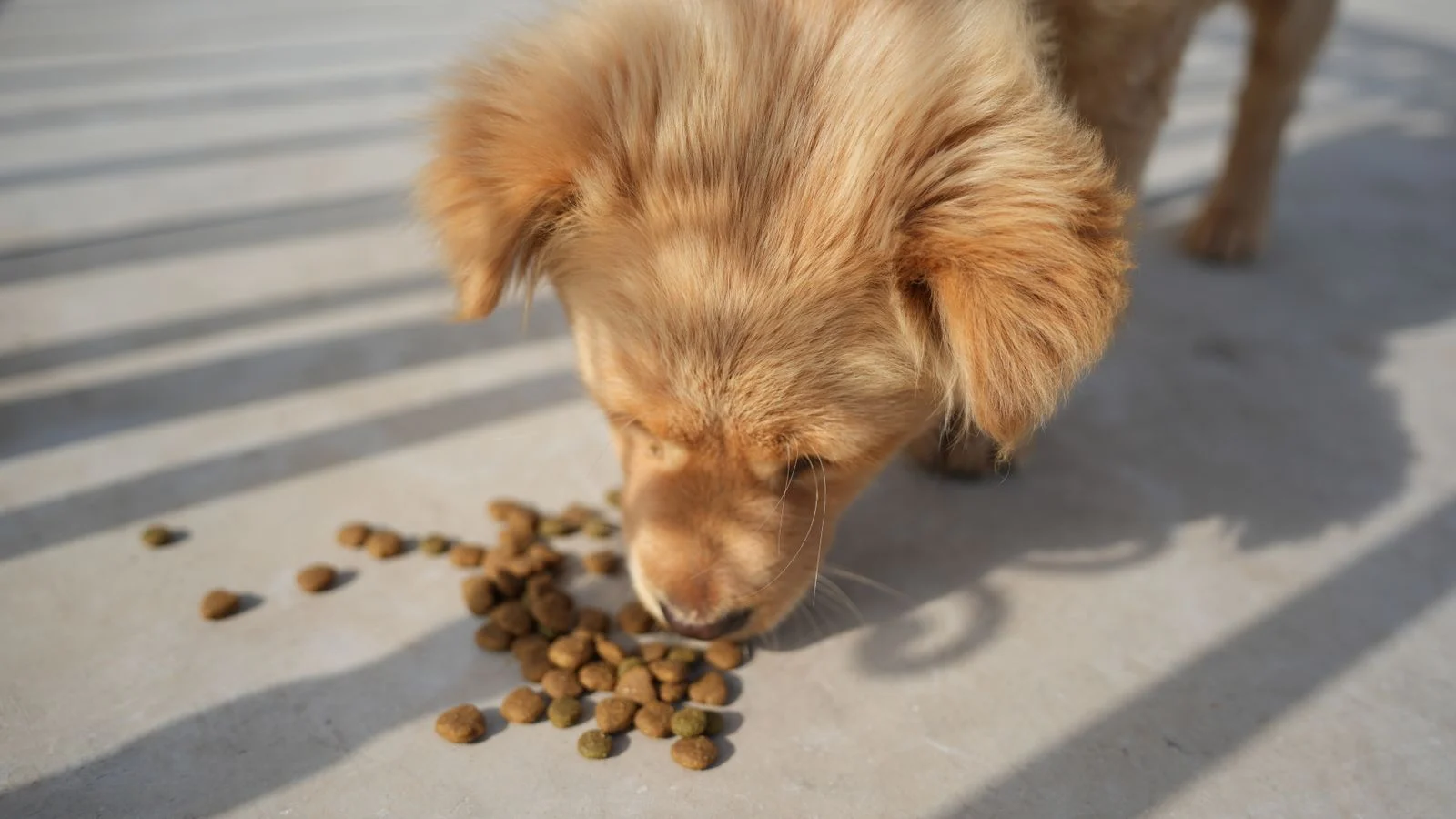
Bringing home a puppy is pure joy, right up until you watch them scarf down a bowl of food in seconds and beg for more. A fast eating puppy is common, but gulping food can lead to choking, vomiting, gas, and even a dangerous condition called bloat in some breeds. The good news is that with a little patience and the right tools, you can teach your puppy to slow down. This week-by-week guide walks you through a gentle, realistic plan.
Puppies eat fast for simple reasons: hunger, competition from littermates, and pure enthusiasm. Slowing them down is not about restricting food, it is about changing how they access it so mealtime becomes calmer and healthier.
Why a Fast Eating Puppy Needs Help
When a puppy eats too quickly, they swallow air along with food. That can cause burping, hiccups, regurgitation, and a bloated belly. The AKC notes that eating too fast is a known risk factor for gastric issues, and deep-chested breeds may face higher bloat risk. Beyond the health side, teaching good habits early sets your puppy up for a lifetime of calmer meals. If your pup often brings food back up, our post on why dogs throw up after eating is worth a read.
Slow Feeding for Puppies & Kittens: Starting Right
Get our expert guide delivered to your inbox — plus an exclusive 15% discount code for your first order.
Week 1: Observe and Introduce Structure
Start by watching without changing much. Note how fast your puppy eats, whether they guard the bowl, and how they act afterward. Set consistent mealtimes rather than free-feeding, since scheduled meals reduce frantic eating and help with house-training too.
This week, simply move to a set schedule of three to four small meals a day for young puppies. Feed in a quiet spot away from other pets so your puppy feels safe and does not rush out of competition. Keeping a simple log of meal times and how your puppy behaves afterward can help you and your veterinarian spot patterns, like whether gulping is worse at certain times of day.
Week 2: Add Gentle Slowing Techniques
Now introduce a simple slowdown. One easy trick is to spread kibble across a large flat tray or a clean baking sheet so your puppy has to hunt for each piece. Another is the muffin-tin method, placing a little food in each cup so they move from cup to cup. You can also add a large, clean, non-swallowable object to the center of a regular bowl so your puppy has to eat around it, which naturally slows each bite.
This is also a great time to try a purpose-built slow feeder. A gentle maze pattern turns a ten-second meal into a few enjoyable minutes. Our Interactive Licking Bowl offers a puppy-friendly texture that paces eating without frustration. Introduce it during one meal a day at first so the change feels positive.
Week 3: Make the Slow Feeder the Norm
By now your puppy should be comfortable working for food. Use the slow feeder for most meals and watch how much calmer they become. If your puppy handles the pattern easily, you can graduate to a slightly more challenging maze like our Treat Maze Bowl to keep mealtime engaging.
Keep sessions positive. If your puppy seems stressed or gives up, ease back to a simpler pattern. The goal is steady progress, not perfection. For a smooth transition, our guide on how to introduce a slow feeder has extra tips.
Week 4: Build Lasting Habits and Add Enrichment
In the final week, your fast eating puppy should be eating at a healthy pace. Now you can add variety. Puzzle feeders and treat dispensers turn part of a meal into a fun brain game, which tires out an energetic puppy in the best way. Rotating tools keeps things fresh and prevents boredom. A treat-dispensing ball, for example, encourages your puppy to nudge and roll it to release food, blending physical activity with mental work. Just a few minutes of this kind of foraging can leave an active puppy pleasantly tired and content.
Continue with consistent mealtimes and portion control. As your puppy grows, adjust meal size and frequency based on your veterinarian guidance, usually reducing from four meals a day toward two as they mature.
Tips to Keep Mealtimes Calm
A few habits make a big difference. Feed in a low-traffic area, avoid vigorous play right before or after eating, and keep fresh water available. In multi-pet homes, feed dogs separately so no one feels rushed, since competition is one of the biggest reasons puppies bolt their food in the first place. And always match portions to your puppy weight and age, since overfeeding undoes much of the benefit of slower eating.
Get Your Free Slow Feeding Guide
Everything in this article — plus portion charts, feeder comparisons and meal plans — in one printable PDF. A 15% discount code is included.
Frequently Asked Questions
Is it dangerous for a puppy to eat too fast?
It can be. Fast eating raises the risk of choking, vomiting, gas, and bloat, especially in larger, deep-chested breeds. Slowing meals down is a simple, effective safeguard.
When can I start using a slow feeder with my puppy?
Most puppies can use a gentle slow feeder once they are eating solid food comfortably. Start with a shallow, easy pattern and supervise the first few meals.
How many times a day should I feed my puppy?
Young puppies typically eat three to four small meals daily, tapering to two meals as they grow. Follow your veterinarian recommendation for your puppy breed and size.
Set Your Puppy Up for Success
Teaching a fast eating puppy to slow down takes just a few weeks of consistency, and the payoff is a happier, healthier dog with calmer mealtimes. Start with structure, add a slow feeder, and build in enrichment as they grow. Ready to make mealtime better? Browse puppy-friendly slow feeders and puzzle toys in the Pets Sparkle shop and give your new best friend the gift of relaxed, healthy eating.