 Written by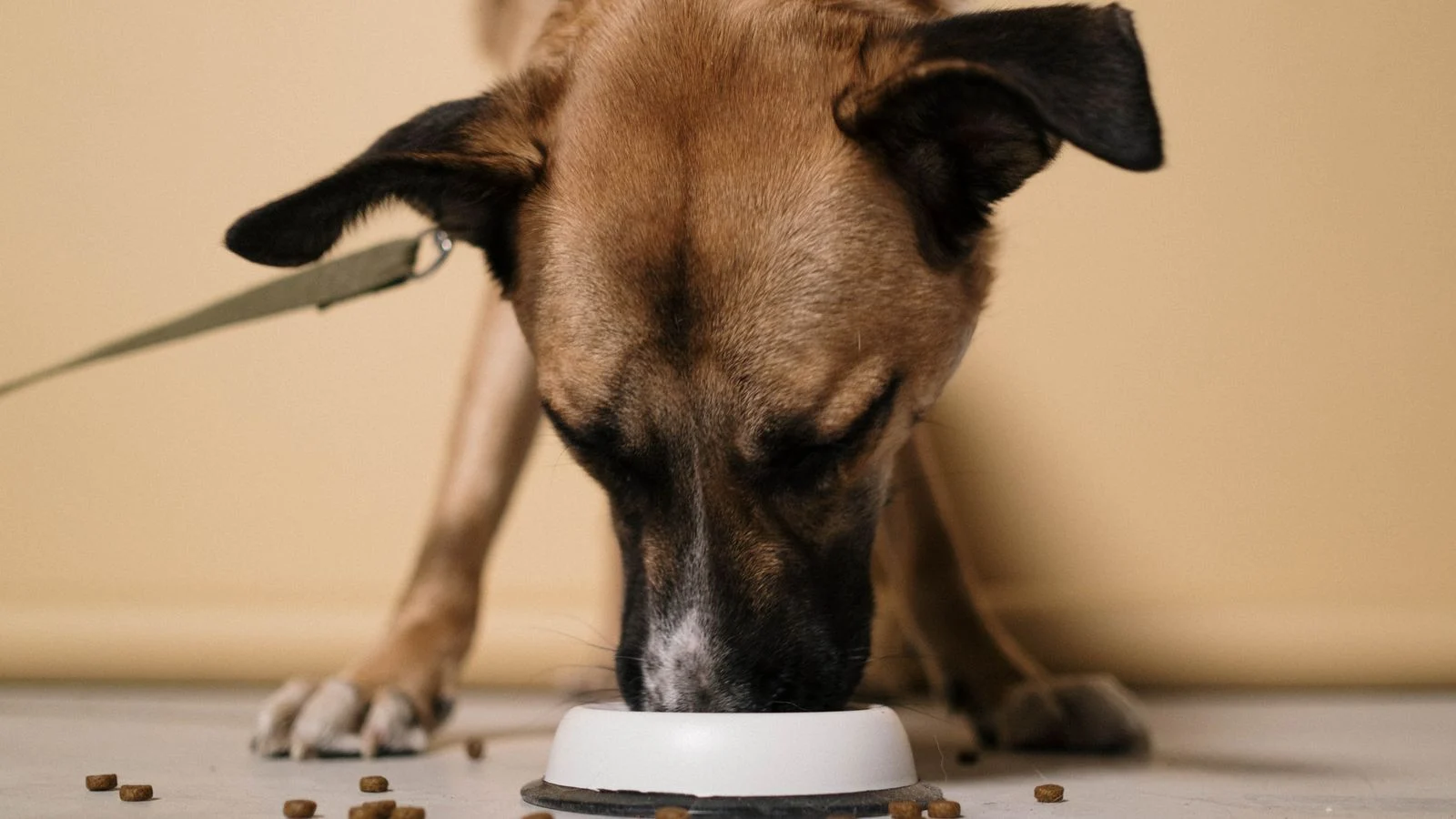
You set down the bowl, your dog demolishes it in seconds, and moments later dinner is back on the floor in a neat, tube-shaped pile. If this sounds familiar, you are dealing with one of the most common complaints from dog parents: a dog throwing up after eating. In many cases the cause is simply how fast your dog eats, and the fix is easier than you might think. But vomiting can also signal something that needs veterinary attention, so it pays to know the difference.
Here is a practical look at why dogs vomit after meals, how to tell regurgitation from true vomiting, the warning signs that mean a vet visit, and the simple steps that keep dinner where it belongs.
The Top Culprit: Eating Too Fast
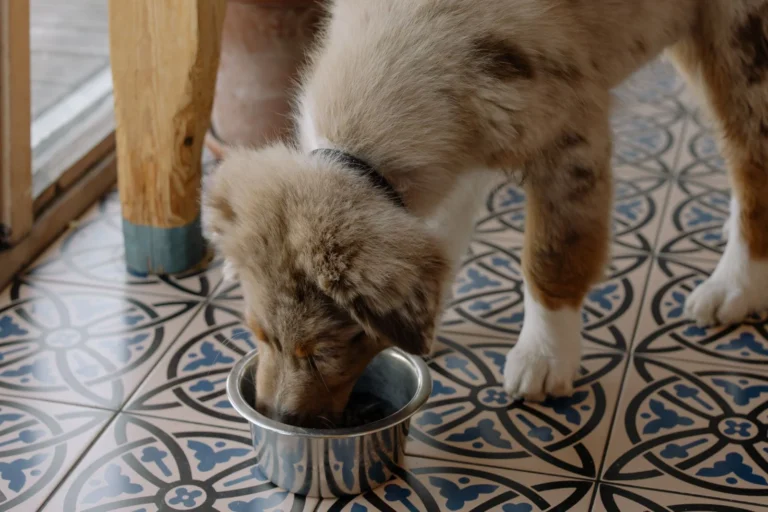
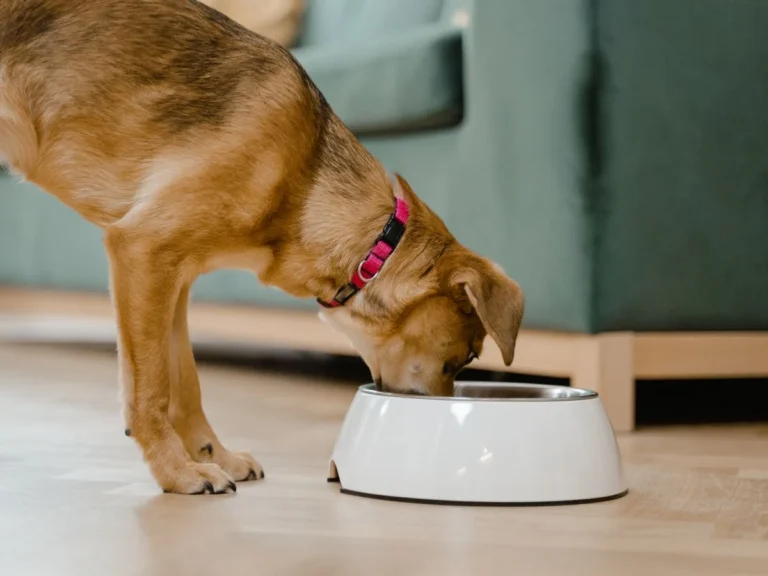
Most healthy dogs that throw up right after eating are simply gulping their food. When a dog wolfs down a meal, it swallows large chunks of unchewed kibble along with a lot of air. The stomach fills and stretches too quickly, and the body responds by pushing the meal right back up, often within minutes and still recognizable. Pet parents call this scarf and barf.
Slow Feeding for Better Digestion & Bloat Prevention
Get our expert guide delivered to your inbox — plus an exclusive 15% discount code for your first order.
Fast eating is more common than many owners realize, especially in homes with multiple dogs competing over food, in rescues with a history of scarcity, and in puppies who treat every meal like a race. If you want to spot the warning signals, our article on the signs a dog eats too fast covers what to watch for.
Regurgitation vs. True Vomiting
These two look similar but mean different things. Regurgitation is passive and effortless. The food comes up quickly, undigested and tube-shaped, with little warning. This is what fast eaters usually do.
True vomiting is active. You will see heaving, abdominal contractions, and often drooling first, and the material is partly digested and may include yellow bile. True vomiting, especially when it happens well after meals or repeatedly, is more likely to point to a medical cause worth checking.
Other Common Causes
A Sudden Diet Change
Switching foods too abruptly can upset a dog’s stomach. The AVMA recommends transitioning to a new food gradually over a week or more, mixing in a little more of the new food each day.
Eating Something They Should Not
Dogs are notorious for eating grass, trash, toys, and table scraps. Rich or fatty human foods are frequent offenders. Keep counters clear and trash secured, and remember that some foods, including grapes, onions, and chocolate, are toxic to dogs per ASPCA guidance.
Food Sensitivities
A genuine sensitivity to a protein or ingredient can cause repeated vomiting. If the trouble started with a new bag or flavor, that timing is a clue worth sharing with your vet.
Underlying Illness
Persistent vomiting can stem from infections, pancreatitis, parasites, or other conditions that only a veterinarian can diagnose. That is why ongoing vomiting always deserves a professional look.
When to Call Your Veterinarian
A single episode in an otherwise happy, energetic dog is usually not an emergency. But call your vet promptly if you notice: repeated vomiting over a day or more; blood in the vomit; a swollen, hard, or painful belly; unproductive retching, which can signal life-threatening bloat; loss of appetite; lethargy; diarrhea alongside vomiting; or signs of dehydration. Puppies, senior dogs, and dogs with existing health issues should be seen sooner, since they can decline quickly. The AVMA advises that when you are unsure, a call to your vet is always the safest move.
How Slow Feeders Help a Fast Eater
If your vet has ruled out illness and speed is the problem, slowing the pace of eating is the single most effective change you can make. That is exactly what a slow feeder does.
Slow feeder bowls use built-in ridges, mazes, and raised bumps that make gulping impossible. Your dog has to work around the obstacles to reach the food a few pieces at a time, which stretches a 30-second meal into several minutes and cuts down on swallowed air. Our Triple Maze Feeder is a favorite for slowing dogs down, and the Treat Maze Bowl works well for both dogs and cats. Curious how the design does its job? Our guide to how slow feeder bowls work explains the mechanics.
Other Simple Tweaks
Feed smaller portions more often instead of one big meal. Separate dogs at mealtime so no one feels rushed. And avoid heavy exercise right before or after eating, which can add to digestive upset.
Get Your Free Slow Feeding Guide
Everything in this article — plus portion charts, feeder comparisons and meal plans — in one printable PDF. A 15% discount code is included.
Frequently Asked Questions
Why does my dog throw up right after eating but act totally fine?
The likely reason is eating too fast, which causes regurgitation of undigested food. If your dog is bright, active, and at a healthy weight, slowing the meal often solves it. Still, mention it to your vet at the next visit.
Can a slow feeder really stop the vomiting?
When gulping is the cause, yes, a slow feeder often helps a great deal by pacing each bite. It will not fix vomiting caused by illness, toxins, or a diet problem, so a vet check is wise if the issue continues.
Is throwing up after eating ever an emergency?
Yes. Unproductive retching, a bloated belly, blood in the vomit, or repeated vomiting with lethargy all warrant an urgent call to your vet, especially in large, deep-chested breeds prone to bloat.
Help Your Dog Keep Dinner Down
Once your vet has ruled out medical causes, the answer for a fast eater is often as simple as slowing the pace. A quality slow feeder protects digestion, eases the scarf-and-barf cycle, and makes mealtime calmer for everyone. Browse our slow feeders and puzzle bowls in the Pets Sparkle shop and give your dog a happier, healthier dinner tonight.