 Written by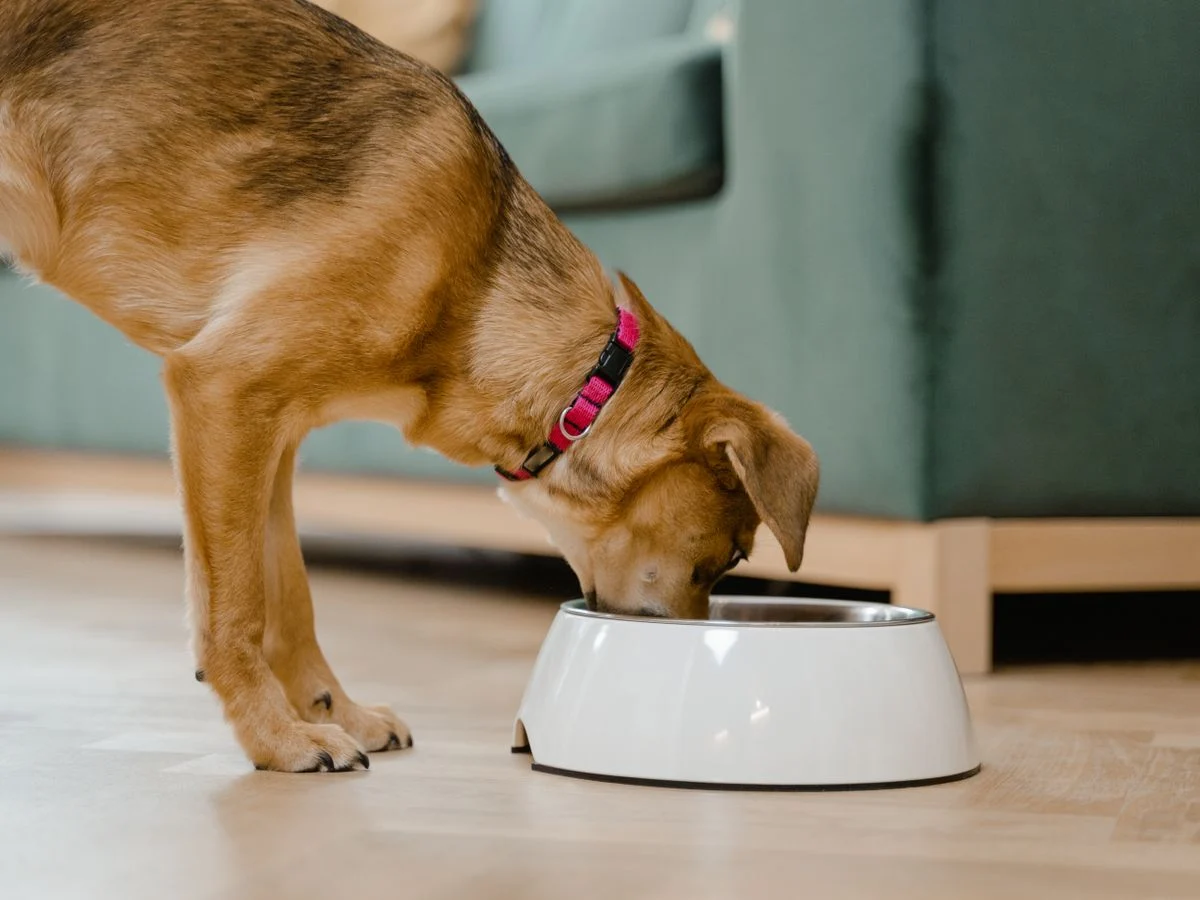
Some dogs treat every meal like a race, and if yours is one of them, you have probably wondered whether it is a problem or just an enthusiastic personality. The truth is that fast eating can lead to real discomfort and health concerns. Knowing the signs your dog eats too fast, and having a plan to fix each one, keeps mealtimes calmer and your pup healthier.
Below are five clear signals to watch for, along with a practical solution for each. From food-obsessed Labradors in the Texas heat to eager rescues in a snowy Northeast home, these tips work for dogs of all shapes and sizes.
Sign 1: The Bowl Is Empty in Under a Minute
The most obvious clue is speed. If your dog polishes off a full bowl in 30 to 60 seconds, it is almost certainly gulping rather than chewing. That pace means swallowed air and food that hits the stomach in a rush.
Slow Feeding for Better Digestion & Bloat Prevention
Get our expert guide delivered to your inbox — plus an exclusive 15% discount code for your first order.
How to Fix It
Add resistance with a slow feeder bowl. The molded ridges force your dog to work the food out bite by bite, stretching a one-minute meal into several minutes. A maze-style option like the Triple Maze Feeder is ideal for determined speed eaters. For a deeper look, see our complete guide to slow feeder bowls.
Sign 2: Loud Gulping, Choking, or Coughing
Listen at mealtime. If you hear noisy swallowing, gagging, or coughing, your dog is taking in too much food and air at once. Some dogs even cough up whole, unchewed kibble moments after eating.
How to Fix It
Slow the pace and shrink each mouthful. Besides a slow feeder, try spreading a portion of food across a Slow Licking Mat, which turns quick swallows into calm, deliberate licking. If the coughing continues even after you slow things down, check with your veterinarian to rule out other issues.
Sign 3: Vomiting or Regurgitation After Meals
Bringing food back up soon after eating is a common consequence of gulping. When the stomach fills too fast, it may simply reject the load. The American Kennel Club (AKC) notes that eating too quickly is a frequent trigger for this kind of regurgitation.
How to Fix It
Pace the meal and consider splitting the daily amount into smaller, more frequent portions. Two or three smaller meals are gentler on the stomach than one large one. Our article on why dogs throw up after eating covers when it is a minor habit and when it deserves a vet visit.
Sign 4: A Swollen or Distended Belly
If your dog’s stomach looks noticeably bloated right after eating, that is a warning sign worth taking seriously. Rapid eating fills the stomach with air along with food, and in deep-chested breeds this can raise the risk of a dangerous condition. Great Danes, Boxers, and German Shepherds are especially vulnerable.
How to Fix It
Slowing the meal is one of the simplest steps many veterinarians recommend for at-risk dogs. Use a slow feeder for every meal, keep water available, and avoid heavy exercise right before and after eating. Learn more in our piece on whether slow feeders help prevent bloat.
Sign 5: Constant Begging and Food Guarding
A dog that eats too fast often never feels satisfied. It may beg immediately after the bowl is empty or become tense and protective around food. Eating so quickly means the brain barely registers that a meal happened.
How to Fix It
Make the meal last so the feeling of fullness has time to catch up. A slow feeder or a puzzle feeder gives your dog a longer, more satisfying experience. Mental engagement also reduces food-related anxiety, and the ASPCA encourages positive, low-stress feeding routines to ease guarding behavior.
Why Slowing Down Matters
Fixing fast eating is not just about tidier mealtimes. Slower meals support better digestion, reduce gas and burping, help with healthy weight, and lower the risk of serious stomach trouble. The AVMA points to pet obesity as a widespread problem in the United States, and a longer, more mindful meal is an easy habit that helps. Best of all, these fixes are affordable and simple to start today.
How to Ease Your Dog Into a Slower Routine
Changing a fast eater’s habits works best with a gentle transition. On the first day, put your dog’s usual portion into the new feeder or across a lick mat and let it explore without any pressure. Praise calm sniffing and licking, and if your dog seems confused, scatter a few pieces on top to build confidence. Within a few days, most dogs treat the challenge as a normal and enjoyable part of the meal. Stay consistent by using the tool at every feeding, and keep it clean, since the same grooves that slow your dog down can trap bits of food. A little patience early on pays off with calmer meals for years to come.
Get Your Free Slow Feeding Guide
Everything in this article — plus portion charts, feeder comparisons and meal plans — in one printable PDF. A 15% discount code is included.
Frequently Asked Questions
Is it dangerous for a dog to eat too fast?
It can be. Beyond everyday discomfort like gas and regurgitation, gulping raises the bloat risk in deep-chested breeds, which can become a medical emergency. Slowing the pace is a smart precaution for any fast eater.
How quickly should a dog eat a meal?
There is no single rule, but a healthy, relaxed pace usually takes several minutes rather than seconds. If your dog finishes in under a minute, a slow feeder can help bring the timing into a healthier range.
Do slow feeders work for every dog?
Most dogs respond well, though you may need to match the maze difficulty and bowl depth to your dog’s size and snout shape. Flat-faced breeds do best with shallow patterns they can easily reach.
Help Your Dog Slow Down Today
Spotting the signs your dog eats too fast is the first step, and fixing them is easier than you might think. The right feeder can transform frantic, risky meals into calm, healthy ones. Browse our slow feeders, lick mats, and puzzle toys in the Pets Sparkle shop and give your dog the relaxed mealtime it deserves.