 Written by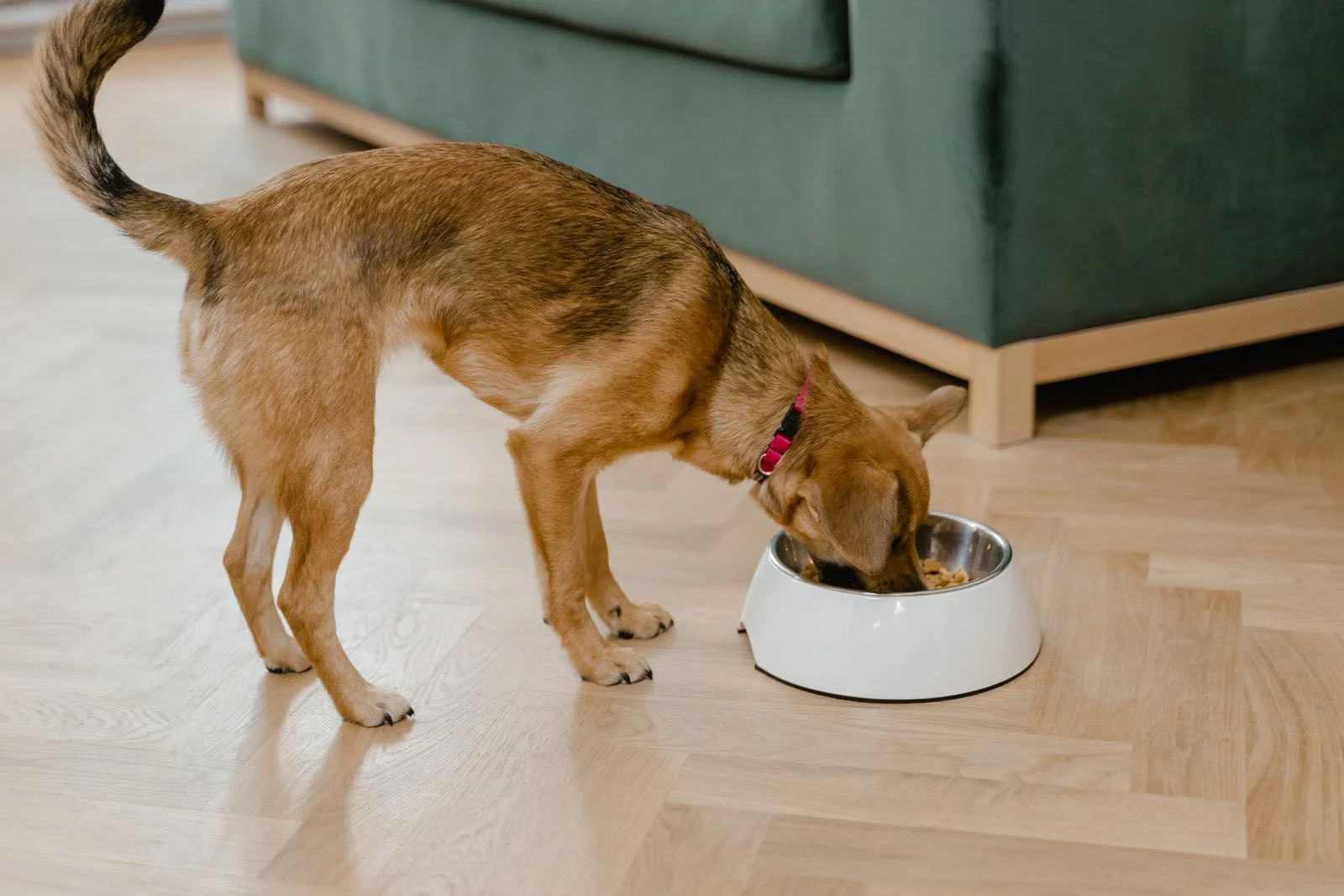
If your dog inhales dinner in under a minute, you already know the problem. A gulping, gasping mealtime is not just messy, it can lead to gagging, vomiting, and a bloated, uncomfortable belly. Slow feeder bowls for dogs are one of the simplest, most affordable tools for turning that frantic dash into a calmer, healthier routine. This 2026 guide walks you through how they work, who needs one, and how to pick the right style for your dog.
Whether you share your home with a food-obsessed Labrador in Texas summer heat or a dainty senior terrier in a chilly Midwest winter, a good slow feeder can make a real difference in comfort and digestion.
What Are Slow Feeder Bowls for Dogs?
A slow feeder bowl is a food dish with raised ridges, mazes, or bumps molded into the base. Instead of scooping up a big mouthful in one pass, your dog has to nose and lick kibble out of the twists and grooves. That gentle obstacle course stretches a 30-second meal into several minutes of steady, controlled eating.
The Complete Slow Feeding Starter Guide
Get our expert guide delivered to your inbox — plus an exclusive 15% discount code for your first order.
Most slow feeders are made from food-safe silicone, plastic, or stainless steel. They come in shallow designs for flat-faced breeds and deeper maze patterns for enthusiastic eaters. If you want a full breakdown of materials, our guide on silicone, plastic, and stainless steel feeders compares durability and cleaning.
Why Fast Eating Is a Problem
When a dog eats too quickly, it swallows a lot of air along with the food. That extra air can cause burping, gagging, and regurgitation soon after the bowl is empty. The American Kennel Club (AKC) notes that fast eating is also linked to a higher risk of digestive upset in some dogs.
Gulping is more than a nuisance. Deep-chested breeds like Great Danes, German Shepherds, and Weimaraners are especially prone to serious stomach trouble, and slowing the pace of a meal is one commonsense step many veterinarians suggest. If your dog frequently brings food back up, our article on why dogs throw up after eating covers the common causes and when to call your vet.
Signs Your Dog May Need a Slow Feeder
Watch for these red flags at mealtime: finishing a full bowl in under two minutes, loud gulping or choking sounds, coughing up whole kibble, an obviously distended belly after eating, or constant begging because the meal never felt satisfying. Any one of these is a good reason to try slowing things down.
How Slow Feeders Help Your Dog
The benefits go well beyond good manners. First, pacing the meal supports easier digestion and can reduce the gas and burping that come from swallowed air. Second, a longer meal helps your dog feel fuller, which is useful for weight management. The AVMA has long pointed to pet obesity as a widespread health concern in the United States, and slower eating is an easy habit to build.
Third, working a maze bowl gives your dog light mental exercise. Sniffing and problem-solving tap into natural foraging instincts, which can ease boredom and take the edge off anxious behavior. Many owners notice their dog seems calmer and more content after switching. To go deeper on the mental side, see our comparison of enrichment and puzzle feeders.
Choosing the Right Slow Feeder Bowl
The best bowl depends on your dog’s size, snout shape, and eating style. Consider these factors before you buy.
Size and Capacity
Match the bowl to your dog’s portion. A large dog needs a wide, deep feeder that holds a full cup or two of kibble, while a small dog does better with a compact design that is not overwhelming. Big eaters do well with a maze-style dish like the Triple Maze Feeder, which offers a genuine challenge without frustrating your pup.
Maze Difficulty
Start with a moderate pattern. A maze that is too complex can frustrate a beginner, while one that is too easy will not slow a determined gulper. The Treat Maze Bowl works for both dogs and cats and strikes a nice balance for most households.
Snout Shape
Flat-faced breeds such as Pugs and French Bulldogs need shallow ridges they can actually reach. If that describes your dog, read our tips on the best slow feeders for flat-faced dogs before choosing.
How to Introduce a Slow Feeder
Switching bowls should be gradual. On day one, put your dog’s normal amount of food in the new feeder and let it explore at its own pace. Praise calm sniffing and licking. If your dog seems stuck, scatter a few pieces on top to build confidence. Within a few days, most dogs treat the maze as a fun part of dinner. For a step-by-step plan, our guide on how to introduce a slow feeder has you covered.
Keeping It Clean
Those grooves that slow your dog down can also trap food, so regular cleaning matters. Most silicone and plastic feeders are dishwasher safe on the top rack, and a soft brush reaches the tight corners. Wash after every wet meal and at least a few times a week for dry kibble to keep bacteria at bay.
Get Your Free Slow Feeding Guide
Everything in this article — plus portion charts, feeder comparisons and meal plans — in one printable PDF. A 15% discount code is included.
Frequently Asked Questions
Are slow feeder bowls for dogs safe?
Yes, when you choose a food-safe, sturdy design and supervise the first few meals. Pick a bowl free of sharp edges and avoid anything your dog might chew apart. Cracked or damaged bowls should be replaced right away.
Can puppies use slow feeders?
Absolutely. Puppies often gulp with enthusiasm, and a gentle maze teaches better habits early. Choose a shallow pattern sized for small mouths, and see our slow feeders for puppies guide for details.
Will a slow feeder really help with weight?
It can be part of the plan. Slower meals help your dog feel satisfied on the right portion. Pair it with measured feeding and daily activity, and check with your vet, since the ASPCA recommends a tailored approach to canine weight loss.
Ready to Slow Things Down?
A slow feeder is one of the easiest upgrades you can make to your dog’s day. Calmer meals, better digestion, and a little brain work all come from one simple bowl. Browse our full lineup of feeders and enrichment tools in the Pets Sparkle shop and find the perfect fit for your pup today.