 Written by
Walk down any pet aisle and you will see a dizzying array of feeding gadgets promising a happier, healthier dog. Two categories come up again and again: enrichment toys and puzzle feeders. They sound similar, and they do overlap, but they are not the same thing. Understanding the difference between enrichment toys vs puzzle feeders helps you choose the right tool for your dog’s needs, whether you want to burn off energy, slow down a fast eater, or ease boredom while you are at work. Let us clear up the confusion.
What Are Enrichment Toys?
Enrichment toys are a broad category designed to engage your dog’s mind and body and satisfy natural instincts. The goal is to add variety and mental stimulation to your dog’s day. That includes chew toys, snuffle mats, treat-dispensing balls, licking mats, tug toys, and scent games. Some involve food, and some do not.
The idea comes from the world of animal welfare. The ASPCA and AAHA both highlight enrichment as an important part of a pet’s wellbeing, because a mentally stimulated dog is generally a calmer, better-behaved dog. Enrichment taps into instincts like sniffing, foraging, chewing, and problem-solving. A snuffle mat that hides kibble in fabric folds, for example, lets your dog use their powerful nose the way nature intended, and a good chew session helps relieve stress and keeps teeth busy.
Puzzle Feeders & Enrichment: Beyond the Bowl
Get our expert guide delivered to your inbox — plus an exclusive 15% discount code for your first order.
What Are Puzzle Feeders?
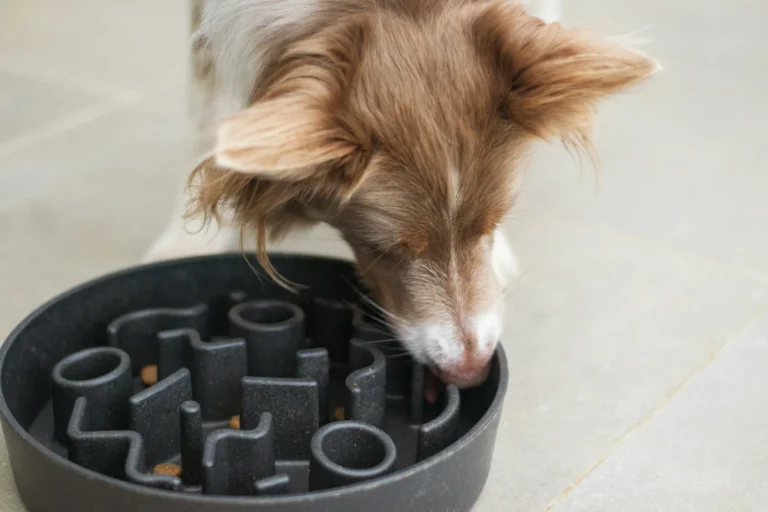
Puzzle feeders are actually a specific type of enrichment toy, one focused on food. Think of them as a square inside the larger rectangle of enrichment. A puzzle feeder makes your dog solve a challenge, such as sliding a lid, flipping a compartment, or nudging a ball, in order to release food or treats.
The main purpose is twofold: to slow down eating and to provide mental exercise at mealtime. Instead of scarfing down dinner in ten seconds, your dog has to think and work for each bite. That turns an everyday meal into a rewarding brain game. Products like the Brainy Puzzle Feeder and the Puzzle Bites Feeder are built exactly for this, using compartments and moving pieces your dog must figure out.
Enrichment Toys vs Puzzle Feeders: The Key Differences
So how do you tell them apart in practice? Here are the main distinctions.
Scope
Enrichment toys are the big umbrella. Puzzle feeders are one slice under that umbrella, specifically the food-solving slice.
Primary Goal
Enrichment toys aim to engage instincts and reduce boredom in many ways. Puzzle feeders zero in on making your dog work for food, often to slow eating and add mealtime challenge.
Food Involvement
Every puzzle feeder uses food or treats as the reward. Enrichment toys may or may not, since a durable chew toy or a tug rope offers enrichment without a snack attached.
Difficulty
Puzzle feeders usually come in difficulty levels, from beginner sliders to advanced multi-step designs. General enrichment toys range from simple to complex depending on the item.
Which One Does Your Dog Need?
The honest answer is that most dogs benefit from both, but your specific goal can point you toward one first.
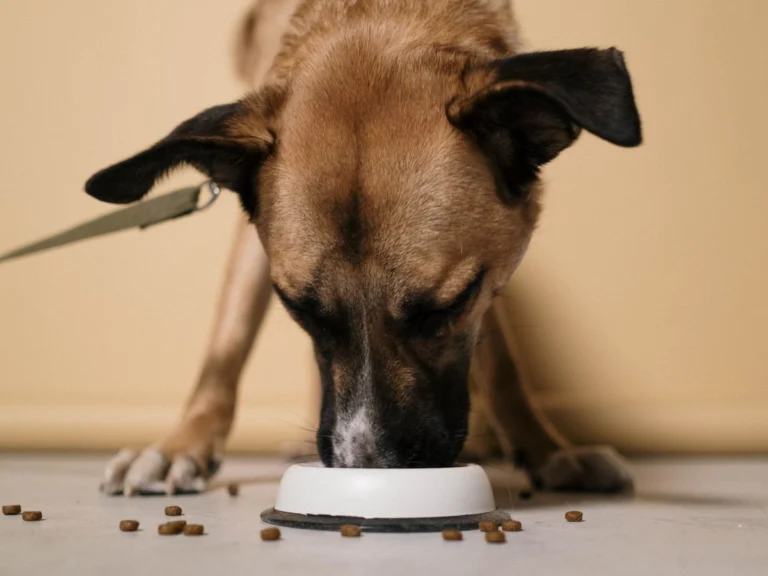
If your dog eats too fast, gulps air, and gets an upset stomach, start with a slow or puzzle feeder to fix the pace problem. A slower meal is easier on digestion and reduces that frantic vacuum-cleaner energy. If your dog is bored, destructive, or anxious when left alone, a broader mix of enrichment toys will help fill the day. Licking mats are a favorite here, since the licking motion is naturally soothing. A Slow Licking Mat spread with dog-safe peanut butter can keep an anxious pup calm during a Midwest thunderstorm or noisy summer fireworks.
For treat-dispensing fun that gets your dog moving, a rolling toy like the Pawzzle Feeder Ball combines physical activity with problem-solving. Want a deeper look at feeders specifically? Our guide on puzzle feeders for boredom goes further.
How to Rotate for Maximum Benefit
Variety keeps enrichment exciting. Dogs, like people, can get bored of the same activity. Try rotating a few options through the week: a puzzle feeder for breakfast, a licking mat during your afternoon video calls, and a treat ball in the evening. Keeping a small rotation of two or three items and swapping them every few days makes each one feel new again. Always supervise your dog with any new toy, and choose the right size and difficulty so the challenge is fun rather than frustrating. Start with easier levels and work your way up as your dog gains confidence.

Get Your Free Slow Feeding Guide
Everything in this article — plus portion charts, feeder comparisons and meal plans — in one printable PDF. A 15% discount code is included.
Frequently Asked Questions
Is a puzzle feeder the same as a slow feeder?
Not quite. A slow feeder uses ridges to slow eating, while a puzzle feeder adds moving parts your dog must manipulate to get food. Puzzle feeders offer more mental challenge, but both help pace meals.
How long should my dog use an enrichment toy each day?
Even 15 to 30 minutes of focused enrichment a day can make a noticeable difference in behavior. Mealtime puzzles count toward that total, which makes them an easy way to build the habit.
Are these toys safe to leave my dog alone with?
Supervise your dog with any new toy first. Once you know they use it safely and do not chew off pieces, many enrichment items are fine for independent play. Always pick sturdy, food-safe designs.
Give Your Dog the Best of Both Worlds
Enrichment toys and puzzle feeders are not rivals, they are teammates in your dog’s daily happiness. Use puzzle feeders to solve eating and mealtime boredom, and lean on the wider world of enrichment toys to keep your dog engaged all day long. Ready to build your dog’s enrichment lineup? Explore the full Pets Sparkle collection of puzzle feeders and enrichment toys and find the perfect match today.