 Written by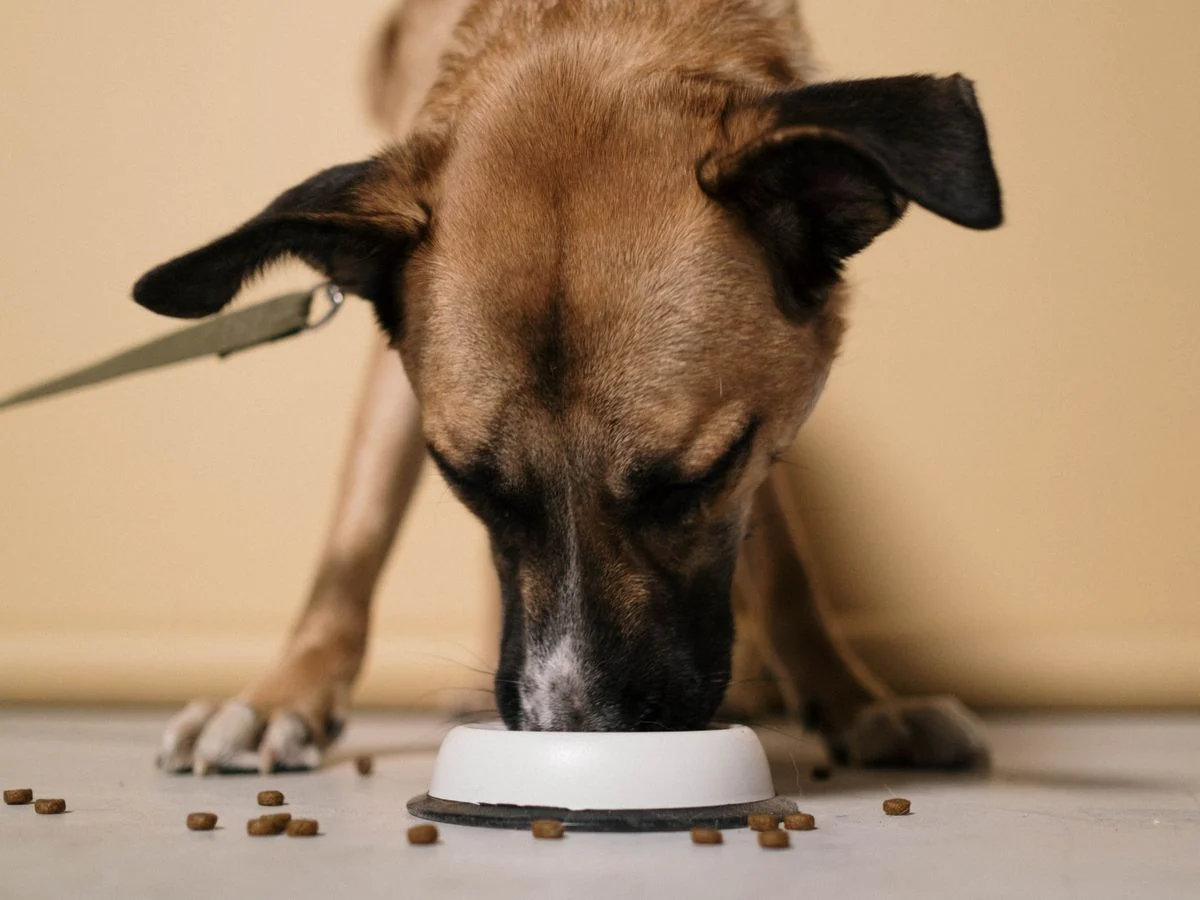
Walk down the pet aisle or scroll an online shop and you will see two popular tools promising calmer, healthier meals: slow feeders and puzzle feeders. They look similar, they both slow your dog down, and they both add a little fun to the food bowl. So in the slow feeder vs puzzle feeder debate, which one actually belongs in your kitchen?
The short answer is that they solve slightly different problems. One is built to pace a meal, the other is built to challenge a mind. This guide breaks down how each works, who benefits most, and when to reach for one over the other, so you can spend your money wisely and keep your dog happy and healthy.
What Is a Slow Feeder?
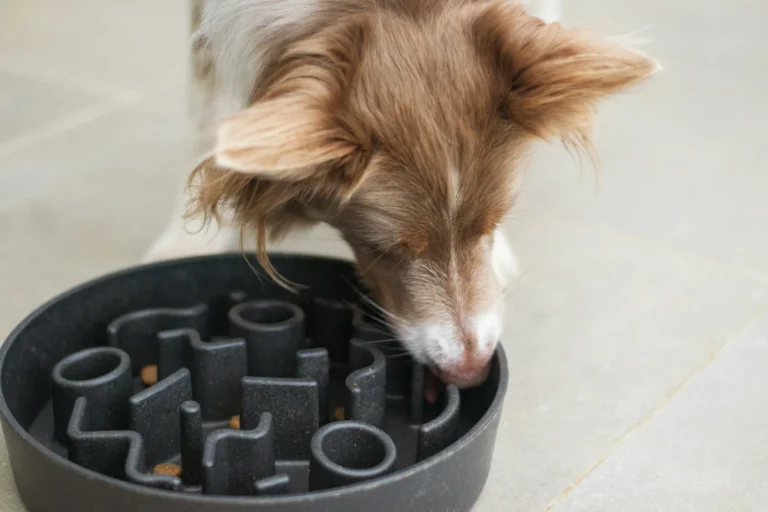
A slow feeder is a bowl with ridges, mazes, or bumps built into the base. Your dog’s regular food goes into the grooves, and the raised pattern forces slower, more deliberate bites. The goal is simple: turn a 30-second gulp-fest into a several-minute meal.
Puzzle Feeders & Enrichment: Beyond the Bowl
Get our expert guide delivered to your inbox — plus an exclusive 15% discount code for your first order.
Slow feeders shine for dogs that eat too fast. Fast eating means swallowing air, which the American Kennel Club (AKC) links to gagging, burping, and digestive upset. If your dog empties the bowl before you have set down the scoop, a slow feeder like the Triple Maze Feeder is often the first tool to try.
What Is a Puzzle Feeder?
A puzzle feeder is more of an interactive toy than a bowl. It hides food inside compartments, sliding pieces, or a rolling ball, and your dog has to nudge, paw, or flip parts to release each reward. The focus is mental work as much as pacing.
Puzzle feeders are terrific for bored, high-energy, or anxious dogs. Working for a meal taps into natural foraging instincts and tires out a busy brain. A treat-dispensing option like the Pawzzle Feeder Ball keeps a restless dog engaged, which is a lifesaver on rainy days or during July 4th fireworks when outdoor time is limited.
Slow Feeder vs Puzzle Feeder: Key Differences
Both tools slow eating, but they emphasize different benefits.
Main Goal
A slow feeder is about pacing. It reliably stretches out a meal to protect digestion. A puzzle feeder is about enrichment. It challenges the mind and eases boredom, with pacing as a nice bonus.
Difficulty Level
Slow feeders offer steady, predictable resistance that most dogs figure out on the first try. Puzzle feeders range from beginner to advanced and often need a little coaching. If your dog gives up easily, start with an easy puzzle and build up over time.
Everyday Use
A slow feeder can hold every single meal, day in and day out. A puzzle feeder is usually better as a special activity or for one meal a day, since setup and cleanup take more effort. Many families use both.
Which One Does Your Dog Need?
Think about the behavior you want to change. If your dog inhales food, chokes, or throws up soon after eating, pacing is the priority, so choose a slow feeder. Our article on signs your dog eats too fast can help you decide.
If your dog eats at a reasonable pace but is destructive, whiny, or clearly under-stimulated, mental work is the priority, so choose a puzzle feeder. For dogs stuck indoors during a cold Midwest winter or a scorching Arizona summer, a good puzzle keeps the mind busy when walks are short.
Why Not Both?
For many dogs, the ideal routine mixes the two. Use a slow feeder for regular breakfast and dinner to protect digestion, then bring out a puzzle feeder a few times a week for enrichment. A versatile Treat Maze Bowl bridges the gap, offering maze-style pacing with a bit of problem-solving built in.
Cost, Durability, and Cleanup
Budget matters too. Slow feeders tend to cost less and last a long time, since they have no moving parts to break. Puzzle feeders carry a slightly higher price because of their sliding pieces and compartments, and a determined chewer can wear them down faster. On cleaning, slow feeders usually rinse or go in the dishwasher easily, while puzzle feeders take a bit more time to break apart and scrub. If low fuss is your top priority, a slow feeder wins, but many owners feel the extra brain benefits of a puzzle are well worth the effort.
Getting Started With Either Tool
Whichever you pick, introduce it gradually. Fill it with your dog’s usual food, offer plenty of praise, and let your dog explore without pressure. If your dog seems stuck, make the first few meals easier by loosening the challenge, then increase difficulty as confidence grows. Keep an eye on cleaning, too, since both styles have nooks that trap food.
Get Your Free Slow Feeding Guide
Everything in this article — plus portion charts, feeder comparisons and meal plans — in one printable PDF. A 15% discount code is included.
Frequently Asked Questions
Is a slow feeder or puzzle feeder better for weight loss?
Both help. Slower, more engaging meals help a dog feel satisfied on the correct portion. The ASPCA recommends pairing any feeding tool with measured portions and daily activity for real, lasting results.
Can I use a puzzle feeder for every meal?
You can, but many owners find it more practical for one meal or as an occasional treat because of the extra setup and cleaning. A slow feeder is the easier choice for everyday, twice-daily feeding.
Are these tools safe for puppies?
Yes, with the right size and supervision. Choose a shallow, beginner-friendly design and watch the first few sessions. The AVMA encourages early, positive mealtime habits that set puppies up for a healthy life.
Find the Right Feeder for Your Dog
There is no single winner in the slow feeder vs puzzle feeder matchup, only the right fit for your dog’s needs. Pace a fast eater, challenge a bored one, or do both for a well-rounded routine. Explore our full range of slow feeders, puzzle feeders, and enrichment toys in the Pets Sparkle shop and give your dog calmer, more rewarding meals today.