 Written by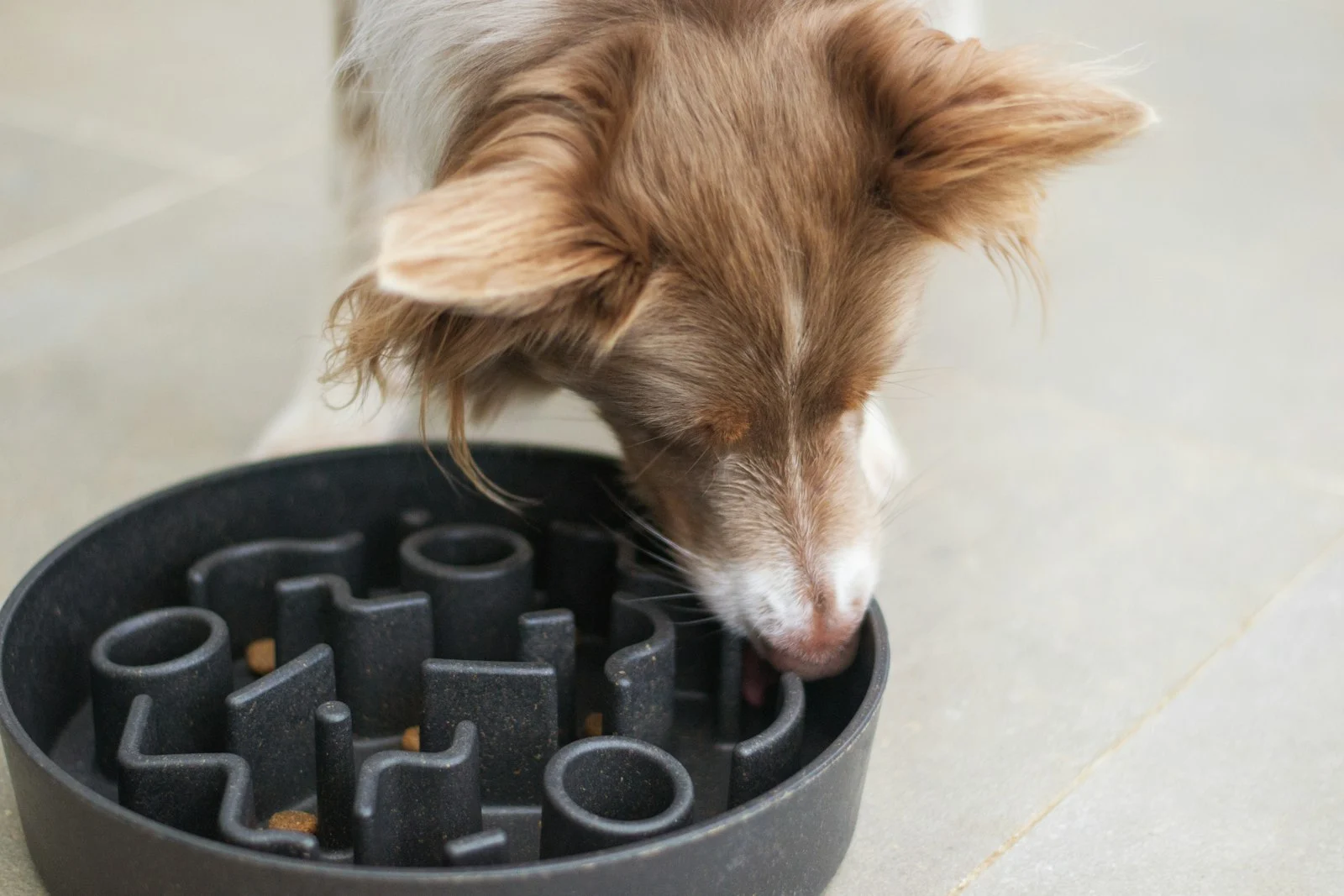
If your dog shreds the couch cushions when you leave, barks at nothing for hours, or seems restless no matter how many walks you take, the problem may not be too much energy. It may be too little mental stimulation. This is where puzzle feeders for dogs come in. These clever bowls and toys turn an everyday meal into a rewarding brain game, and for many dogs they are the missing piece that curbs boredom and the bad behavior that comes with it.
Let us look at what puzzle feeders are, why a busy mind matters so much, and how to pick and use the right one for your dog.
What Is a Puzzle Feeder?
A puzzle feeder is any bowl or toy that makes your dog solve a small problem to get to its food. Instead of scarfing kibble from an open dish, your dog has to slide covers, flip lids, roll a ball, or nose through compartments to release each reward. Some are stationary boards with hidden pockets; others are treat-dispensing balls that drop food as they move.
Puzzle Feeders & Enrichment: Beyond the Bowl
Get our expert guide delivered to your inbox — plus an exclusive 15% discount code for your first order.
The idea is simple but powerful. By making your dog work for meals, you tap into a deep, natural instinct to forage and problem-solve, the same instinct that kept dogs busy and satisfied long before bowls existed.
Why Mental Stimulation Beats Boredom
Dogs are intelligent, social animals, and a bored dog is often a destructive one. When a dog does not get enough mental engagement, that unspent energy comes out as chewing, digging, excessive barking, or general restlessness. The ASPCA notes that many nuisance behaviors trace back to boredom and lack of enrichment rather than defiance.
A puzzle feeder gives that busy brain a job. Working out how to reach food is genuinely tiring in a good way, and a mentally satisfied dog is far more likely to settle and relax afterward. Owners are often amazed that ten minutes of puzzle work can calm a dog more than a long walk.
The Behavior Benefits
Regular puzzle feeding can help reduce destructive chewing, ease boredom-driven barking, slow down fast eaters, and build confidence in shy or anxious dogs. It also gives high-energy breeds a healthy outlet on rainy days or during a hot summer in states like Texas or Arizona, when long outdoor sessions are not safe.
Puzzle Feeders and Anxiety
Enrichment is not just about burning mental energy; it can genuinely soothe. The focused, repetitive work of solving a food puzzle helps many dogs relax, which makes puzzle feeders a helpful tool for mild separation anxiety or stressful events like July 4th fireworks or a thunderstorm. Giving your dog a challenging feeder before you leave the house can redirect nervous energy into something rewarding. For anxious dogs, pairing a puzzle with a calming lick session works especially well, as we cover in our guide to lick mats for anxious dogs.
Choosing the Right Puzzle Feeder
The best puzzle feeder matches your dog’s size, skill level, and eating style.
Start with the Right Difficulty
Begin with an easier design so your dog experiences quick wins and stays motivated. A puzzle that is too hard right away leads to frustration and giving up. As your dog masters one level, move up to a tougher challenge to keep things fresh.
Match the Type to Your Dog
Treat-dispensing balls like the Pawzzle Feeder Ball are great for active dogs who love to chase and roll. Board-style puzzles like the Brainy Puzzle Feeder suit dogs who prefer to sit and problem-solve with their nose and paws. Consider whether you want to use kibble, treats, or both.
Think About Cleaning and Durability
Choose sturdy, food-safe materials, especially for strong chewers, and pick something easy to wash so you will actually reach for it every day. A feeder that lives in the cupboard because it is a pain to clean helps no one, so practicality matters as much as design.
How to Introduce a Puzzle Feeder
Make the first experience easy and positive. Show your dog the food going in, let them watch, and offer plenty of encouragement. For the very first try, leave a few pieces loose or make the puzzle simple so your dog gets an early reward and understands the game. Supervise early sessions to be sure your dog is not chewing on parts rather than solving the puzzle. Within a few meals, most dogs figure it out and start looking forward to the challenge. To see how puzzles compare with other options, read our overview of enrichment versus puzzle feeders.
Get Your Free Slow Feeding Guide
Everything in this article — plus portion charts, feeder comparisons and meal plans — in one printable PDF. A 15% discount code is included.
Frequently Asked Questions
Are puzzle feeders good for all dogs?
Most dogs benefit, from bored puppies to sharp seniors. Just match the difficulty to your dog’s ability, and supervise heavy chewers to make sure they work the puzzle rather than destroy it.
How long should my dog use a puzzle feeder?
There is no strict rule. Many owners use one for a meal or two each day, or during times the dog would otherwise be bored or anxious. Even ten to fifteen minutes of focused problem-solving can leave a dog pleasantly tired.
Can a puzzle feeder replace exercise?
No, but it complements it. Physical exercise keeps the body fit while a puzzle feeder works the mind. Together they make for a calmer, more balanced, and happier dog.
Turn Mealtime into Brain Time
A puzzle feeder is one of the simplest ways to fight boredom, curb bad behavior, and give your dog a daily dose of enrichment that a plain bowl never could. Whether your pup needs a challenge, a calming outlet, or just a smarter way to eat, there is a perfect match waiting. Explore our puzzle feeders and treat dispensers in the Pets Sparkle shop and give your dog’s brain the workout it craves.