 Written by
In the lick mat vs snuffle mat question, the simplest rule is about food: a lick mat is for soft, spreadable food your dog licks off a textured surface, and a snuffle mat is for small, dry pieces your dog sniffs out of fabric folds. Lick mats tend to settle a dog down, while snuffle mats wake up the nose and brain. Which one to try first depends on what you feed, what your dog enjoys, and what problem you want to solve.
This post compares the two side by side: how each one works, which dogs do best with each, how they fit into meals and calm moments, cleaning and safety, and how to use both in one week. If you already know you want a lick mat, our guide to using a lick mat covers the basics step by step.
Lick Mat vs Snuffle Mat: The Core Difference
Both mats turn food into an activity, but they ask your dog to do very different things.
Lick Mats & Calming Routines: The Complete Handbook
Get our expert cheat sheet delivered to your inbox — plus an exclusive 15% discount code for your first order.
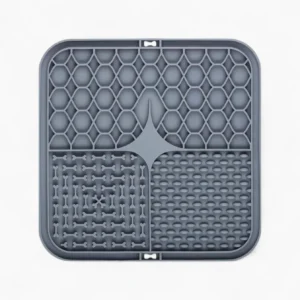
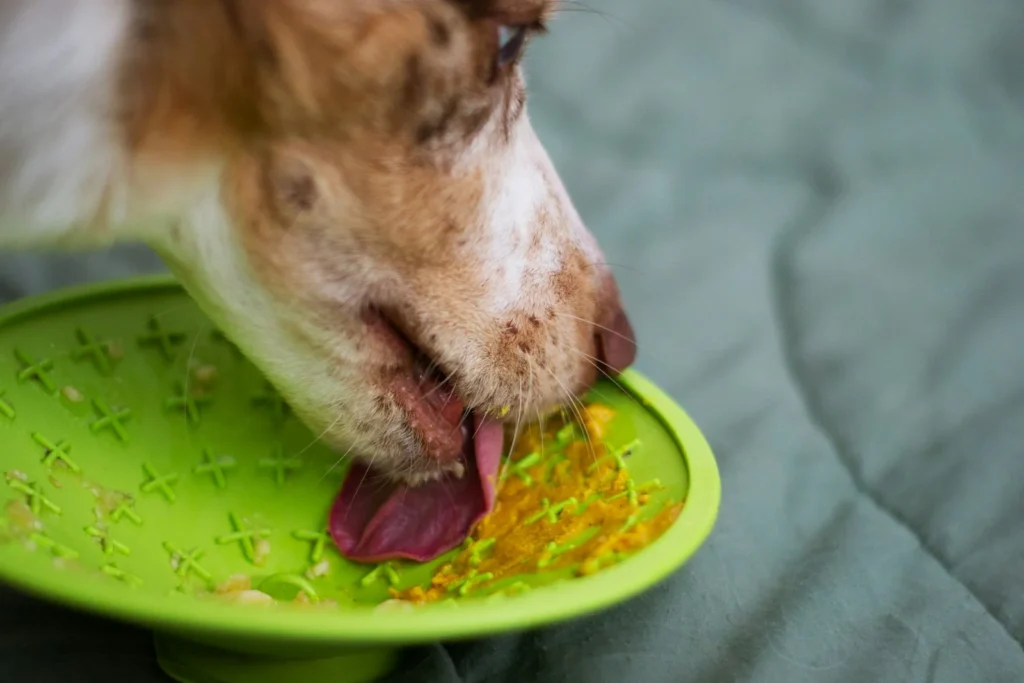
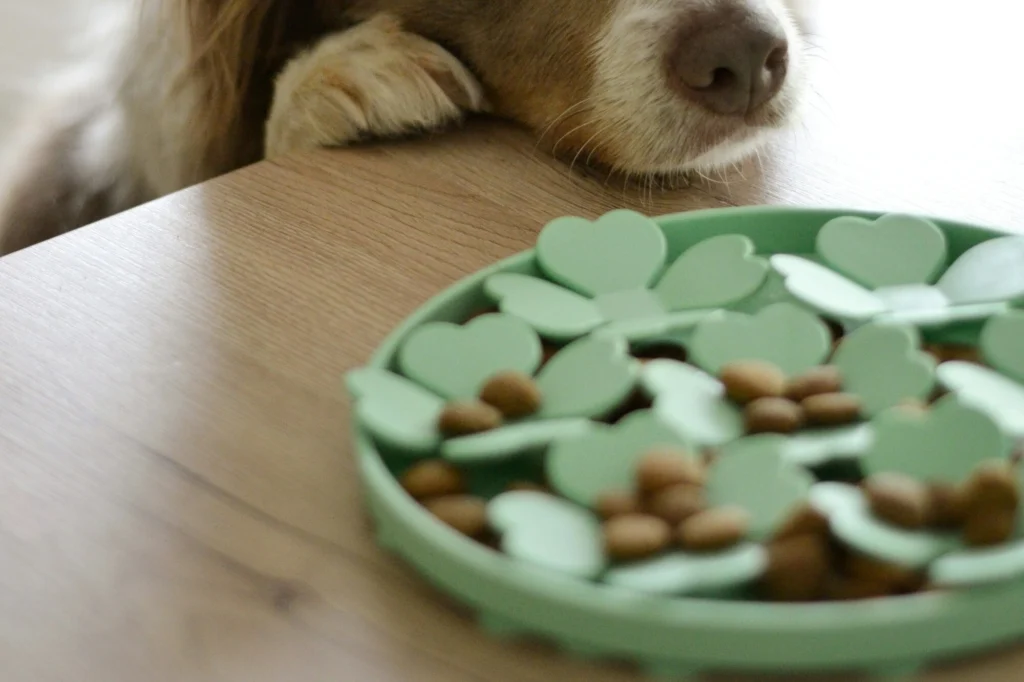
- A lick mat is a flat rubber or silicone pad covered in ridges, bumps, and grooves. You spread wet food, plain yogurt, or soaked kibble into the texture, and your dog licks it out bit by bit.
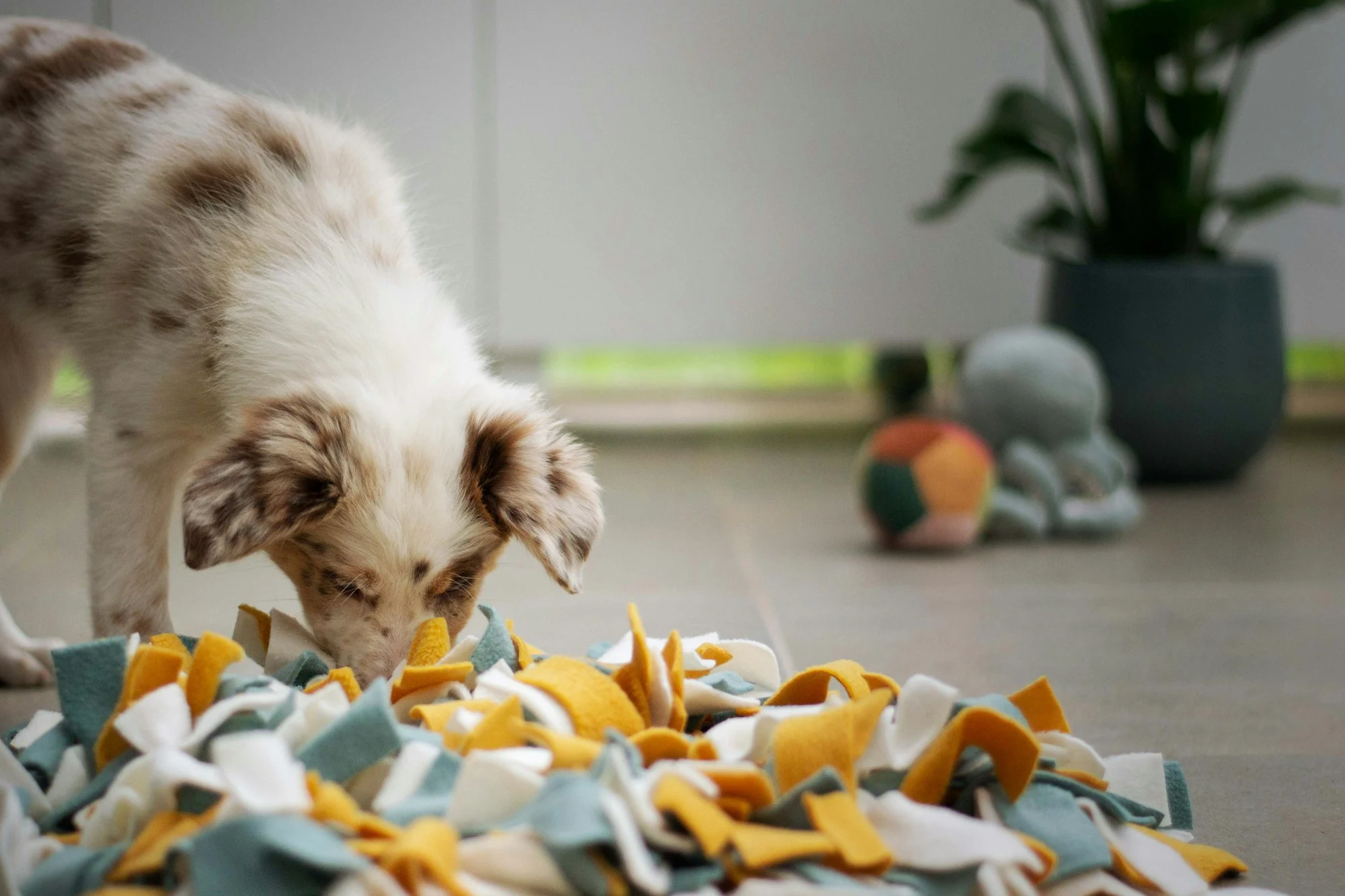
- A snuffle mat is a base covered in strips of soft fabric. The American Kennel Club describes it as a pad covered in pieces of fabric where you can hide treats for your dog to find, so your dog has to sniff and forage through the folds.
So the action is licking versus sniffing. Licking is slow, repetitive, and steady. Sniffing is busy and searching. That difference shapes almost every other choice in this comparison.
Side by Side Comparison
Here is a quick look at how the two mats compare in everyday use.
| Lick mat | Snuffle mat | |
|---|---|---|
| Main action | Licking | Sniffing and nosing |
| Best foods | Wet food, soaked kibble, spreads, plain yogurt | Small dry treats and kibble |
| Typical mood | Calm, settled | Busy, searching |
| Good for | Grooming, bath time, storms, crate time | Boredom, rainy days, fast kibble eaters |
| Material | Rubber or silicone | Fleece or felt strips |
| Cleaning | Soap and water, some silicone mats are dishwasher safe | Shake out, then machine wash if the label allows |
| Main safety watch | Chewing the mat | Chewing or swallowing fabric |
Neither mat is better overall. They solve different problems, and many dogs enjoy both.
What Each Mat Does for Your Dog
Lick mat benefits
The AKC says a lick mat filled with frozen chicken broth can soothe an anxious dog during fireworks or thunderstorms, and can give you a few calm moments with an overactive, mouthy puppy. The AKC also notes that some lick mats double as slow feeders, and that the grooves can help scrape residue from teeth, though a lick mat is not a substitute for tooth brushing.
Lick mats shine in moments when you need your dog to stay in one place. Many have suction cups, so you can stick one to the wall of a bathtub and keep your dog busy during a bath, a nail trim, or ear cleaning. Our post on how lick mats calm anxious dogs has ideas for vet visits, car rides, and fireworks.
Snuffle mat benefits
Snuffle mats tap into your dog’s nose. The AKC explains that snuffle mats respond to a dog’s instinct to sniff and forage, turning the joy of sniffing into a rewarding game. A veterinarian quoted by the AKC calls them a lifesaver for dogs who devour their food in seconds, because each piece of kibble takes more effort to find.
The AKC adds that snuffle mats can help keep a dog active when extreme weather limits time outside, and that senior dogs at risk of cognitive decline can benefit from having a puzzle to solve. For more ways to use one, see our post on snuffle mats for dogs.
Which Food Goes Where
Food type is the fastest way to decide. The AKC passes on a veterinarian’s advice to fill snuffle mats with treats that are small and dry, and to avoid wet treats or food unless you plan to wash the mat after each use. For wet treats, the same article suggests a lick mat instead.
Good lick mat fillings
- Your dog’s regular wet food, spread thin
- Kibble soaked in warm water until soft
- Plain, unsweetened yogurt or plain canned pumpkin in small amounts
- Low-sodium broth with no onion or garlic, frozen into the grooves for a longer session
Our list of vet-safe lick mat toppings has many more ideas, plus ingredients to always avoid.
Good snuffle mat fillings
- Your dog’s regular dry kibble
- Small, dry training treats
- Tiny pieces of a dry, strong-smelling treat for a picky dog
Whatever you use, count it as part of the day’s food. The AKC reminds owners to keep track of how many treats or how much kibble goes into a snuffle mat to avoid overfeeding, and the same applies to lick mat spreads.
Which Dog Suits Which Mat
Think about your dog’s personality and daily routine.
Try a lick mat first if your dog:
- Eats wet or fresh food, or you soak kibble
- Gets stressed during baths, grooming, storms, or alone time
- Is a mouthy puppy who needs a calm activity
- Has a short muzzle and struggles with deep puzzle feeders
- Is older and prefers quiet activities
Try a snuffle mat first if your dog:
- Eats dry kibble and gulps it down
- Loves sniffing on walks and gets bored indoors
- Has lots of energy on days when you cannot get outside
- Is food motivated and does not chew fabric
The AKC notes that snuffle mats are not a good choice for aggressive chewers, dogs that treat everything like a chew toy, or dogs that are not motivated by treats. In those cases, a sturdy lick mat or a hard puzzle feeder is usually the safer first pick.
Using Them at Mealtime
Both mats can slow down a fast eater, which matters because the AKC lists choking, vomiting, and a higher risk of bloat among the risks of eating too quickly.
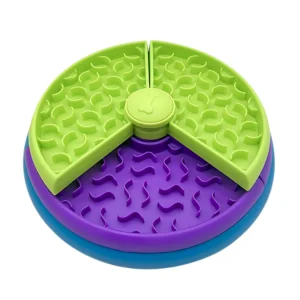
For a dog on wet food, a lick mat can replace the bowl for part or all of a meal. Spread the portion thinly across the whole surface so your dog cannot lick it off in a few swipes. Our Slow Licking Mat has mixed textures for this, and the Interactive Licking Bowl adds raised sides so soft food stays put.
For a dog on kibble, scatter part of the meal across a snuffle mat and serve the rest in a slow feeder bowl. Most snuffle mats only hold a small portion, so they work best for one meal of a small dog or part of a meal for a bigger one.
If your dog vomits, chokes, or seems unwell after eating, call your vet before trying any new feeder. Our post on signs your dog eats too fast explains what to watch for.
Cleaning and Safety
Cleaning a lick mat
The AKC says most lick mats are easy to clean: you can usually wipe them down with soap and warm water, and some food-grade silicone mats are dishwasher safe. Check the product label before using very hot water, since some materials can warp. The FDA advises washing pet food bowls and utensils with soap and hot water after each use, and the same good habit applies to a mat that holds wet food. Our guide on how to clean a lick mat covers stuck-on food.
Cleaning a snuffle mat
Shake out crumbs after each use and wash the mat regularly, more often if your dog drools heavily. The AKC suggests looking for a snuffle mat that is machine washable, made of soft felt or fleece, and backed with an anti-slip base.
Safety for both
- Supervise your dog every time, especially the first few sessions.
- Pick the mat up when the food is gone, so it does not become a chew toy.
- Throw away a lick mat with bite marks or torn pieces, and a snuffle mat with loose or chewed strips.
- If you have more than one dog, give each its own mat in a separate spot.
How to Use Both in One Week
You do not have to choose forever. Many owners use both mats in a simple weekly rhythm:
- Weekday mornings: part of breakfast scattered on the snuffle mat for a quick brain game before work.
- Evenings: a lick mat with a thin layer of wet food or soaked kibble to help your dog wind down.
- Bath or grooming day: a lick mat stuck to the tub or a smooth floor.
- Rainy days: extra snuffle mat sessions to replace some outdoor sniffing time.
Rotating the two keeps both feeling new. You can also add a hard puzzle feeder for variety; our guide to dog puzzle feeders explains the different types and levels.
Start With the Food You Already Use
If your dog eats soft food or needs help calming down, start with a lick mat. If your dog eats dry kibble, loves to sniff, and does not chew fabric, start with a snuffle mat. Either way, count the food as part of the daily ration, supervise every session, and keep the mat clean.
When you are ready to try one, you can browse our lick mats and compare picks in our guide to the best lick mat for dogs.
Get Your Free Slow Feeding Cheat Sheet
Everything in this article — plus portion charts, feeder comparisons and meal plans — in one printable PDF. A 15% discount code is included.
Frequently Asked Questions
Is a lick mat or a snuffle mat better for anxiety?
A lick mat is usually the better first choice for anxious moments such as storms, fireworks, or grooming, because licking is slow and repetitive and keeps your dog in one place. The AKC notes that a lick mat with frozen broth can soothe an anxious dog during fireworks. Snuffle mats are better for boredom and pent-up energy.
Can I put wet food on a snuffle mat?
It is best not to. The AKC passes on a veterinarian’s advice to use small, dry treats in snuffle mats and to avoid wet food unless you wash the mat after every use. Wet food belongs on a lick mat, where it spreads into the grooves and cleans off easily.
Can a lick mat or snuffle mat replace a slow feeder bowl?
Sometimes. A lick mat can hold a full wet meal for a small or medium dog, and a snuffle mat can hold part of a kibble meal. For larger meals, many owners split the food between a mat and a slow feeder bowl. Count all of it as part of the day’s food.
Are snuffle mats safe for dogs that chew?
Not always. The AKC says snuffle mats are not a good choice for aggressive chewers or dogs that treat everything like a chew toy, since they could swallow fabric. Supervise every session, remove the mat when the food is gone, and choose a sturdy lick mat if your dog chews.
How often can my dog use a lick mat or snuffle mat?
Daily use is fine for most dogs, as long as the food counts toward the daily ration and the mat is cleaned after each session. Many owners use a snuffle mat in the morning and a lick mat in the evening. If your dog has a health condition, ask your vet about suitable fillings.
Sources
The veterinary and government resources referenced in this post:

Digital marketing specialist at BrightSeen Marketing Agency. Turns veterinary research into clear, practical feeding guides for pet parents.
Mahmoud works for BrightSeen Marketing Agency, which looks after our SEO and GEO and Meta ads.
View all articles by Mahmoud