Slow Feeders for Dogs
Bowls, mazes, lick mats and puzzle feeders that slow eating and protect digestion.
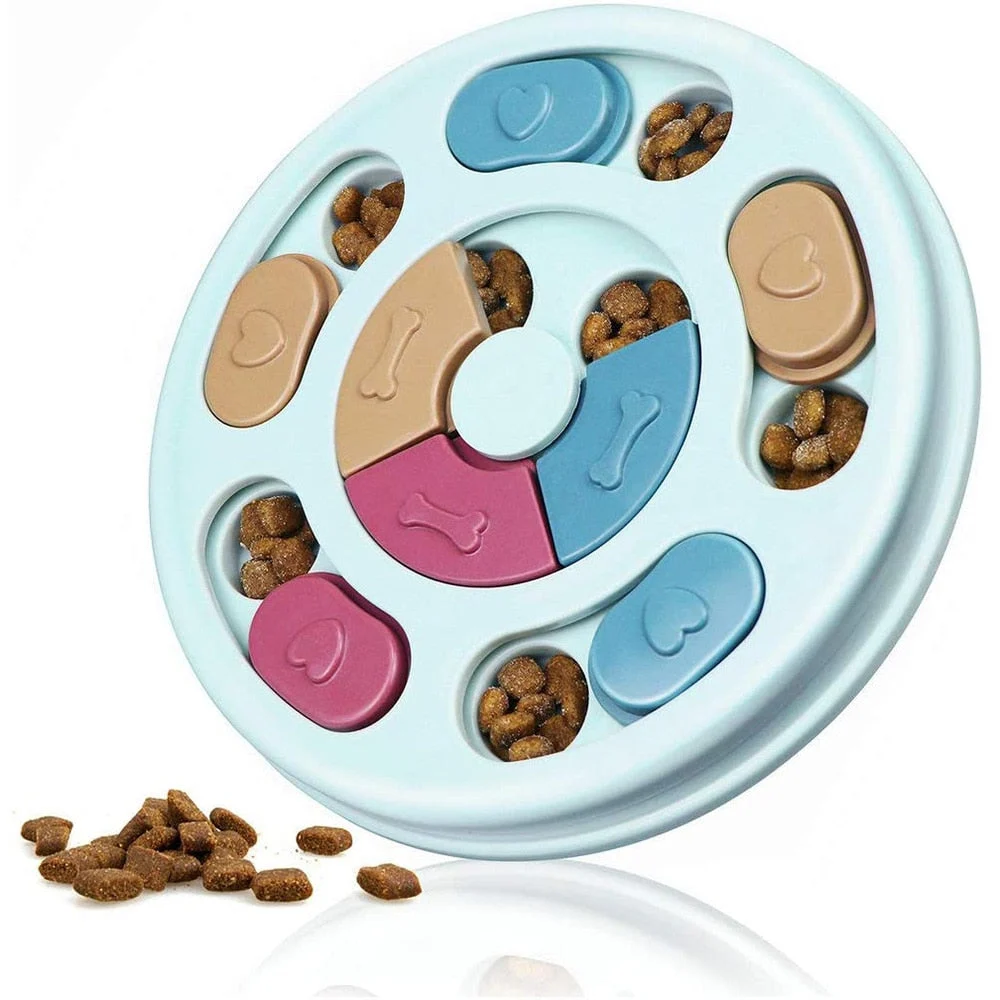
Brainy Puzzle Feeder
Interactive puzzle feeder that turns meals into a brain game.
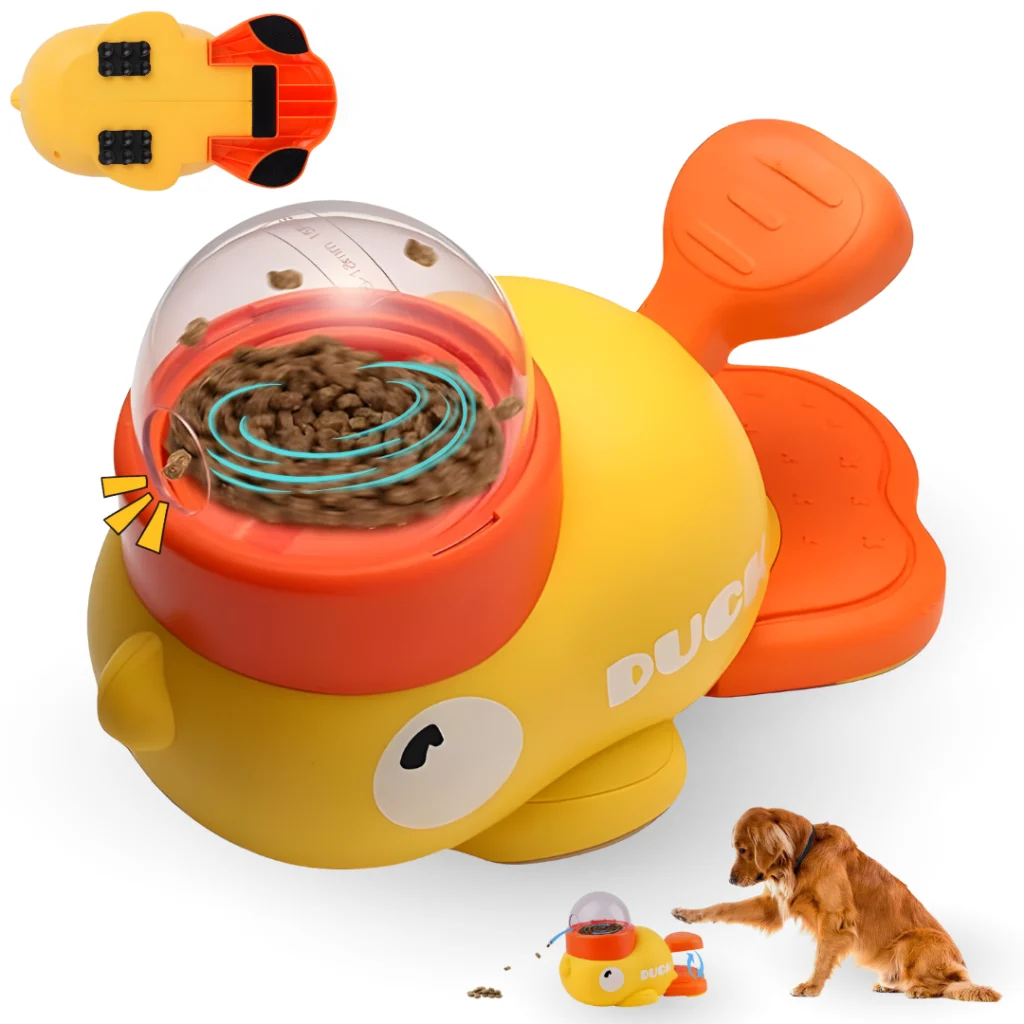
Duck Treat Dispenser
Interactive tail-press treat dispenser for IQ training and slow feeding.
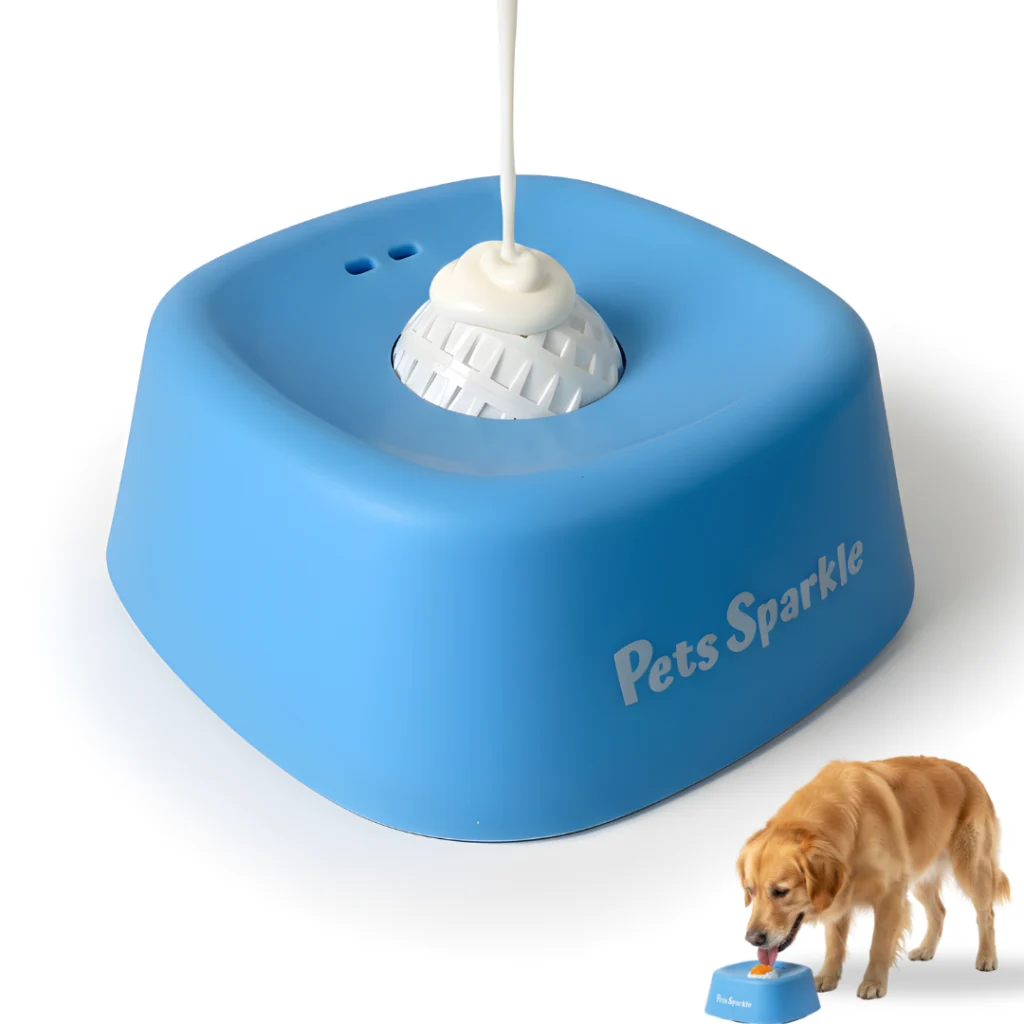
Interactive Licking Bowl
Spinning slow feeder bowl that eases gulping and aids digestion.
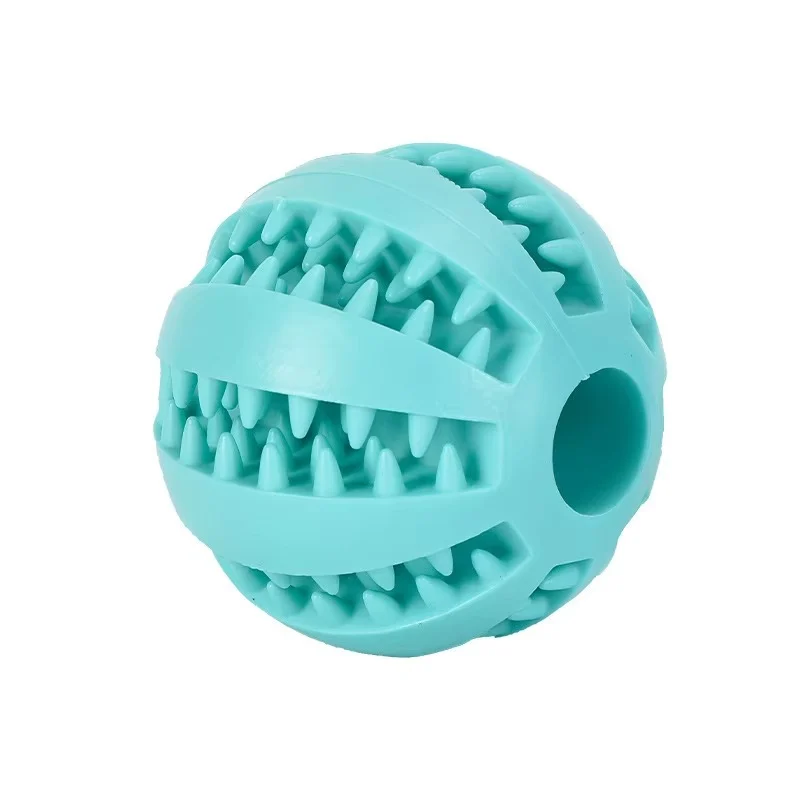
Pawzzle Feeder Ball
Natural-rubber treat ball for foraging fun and cleaner teeth.
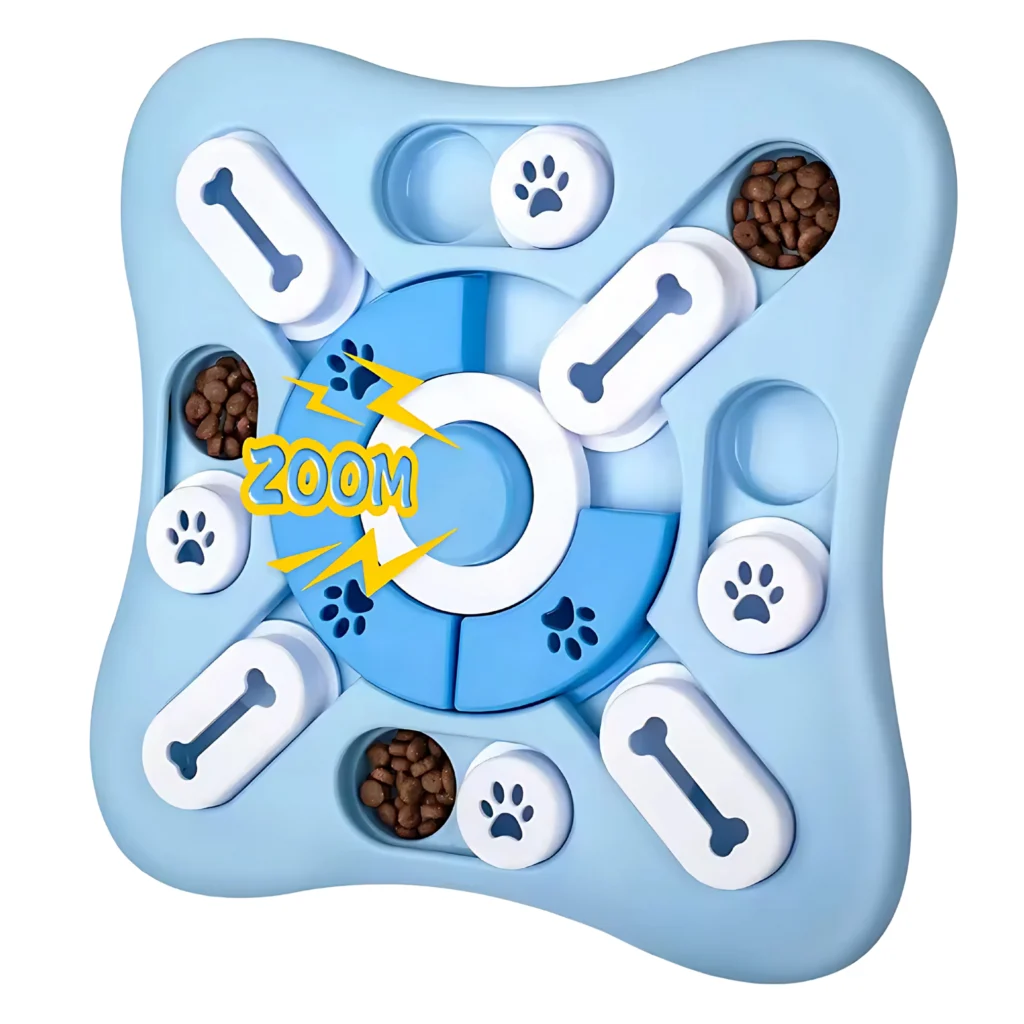
Puzzle Bites Feeder
Flat puzzle feeder that slows big eaters and adds enrichment.
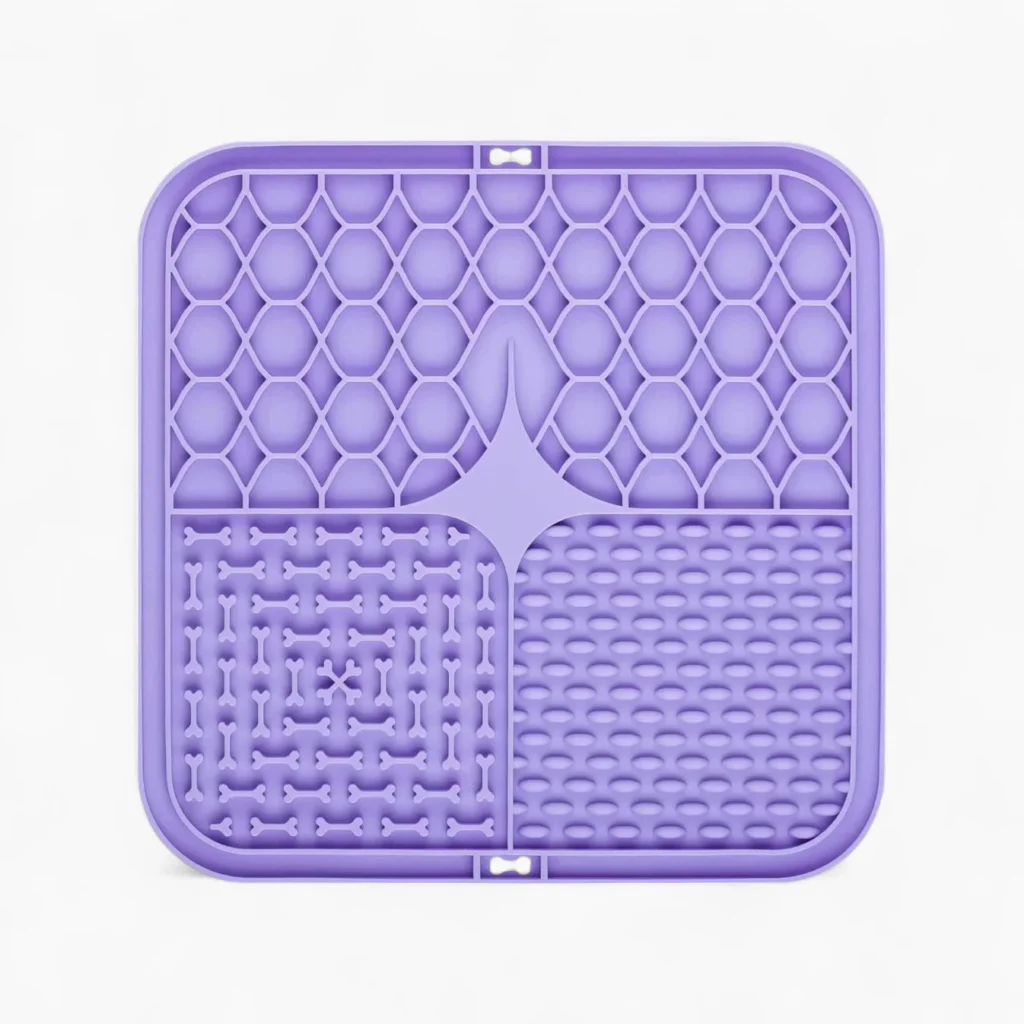
Slow Licking Mat
Calming silicone lick mat for wet food, treats and frozen toppers.
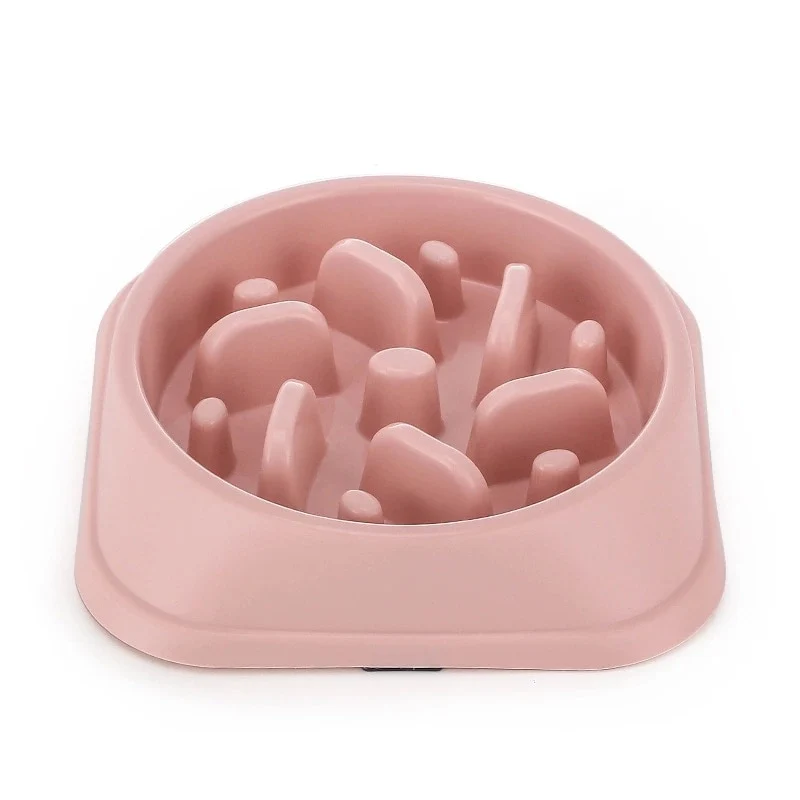
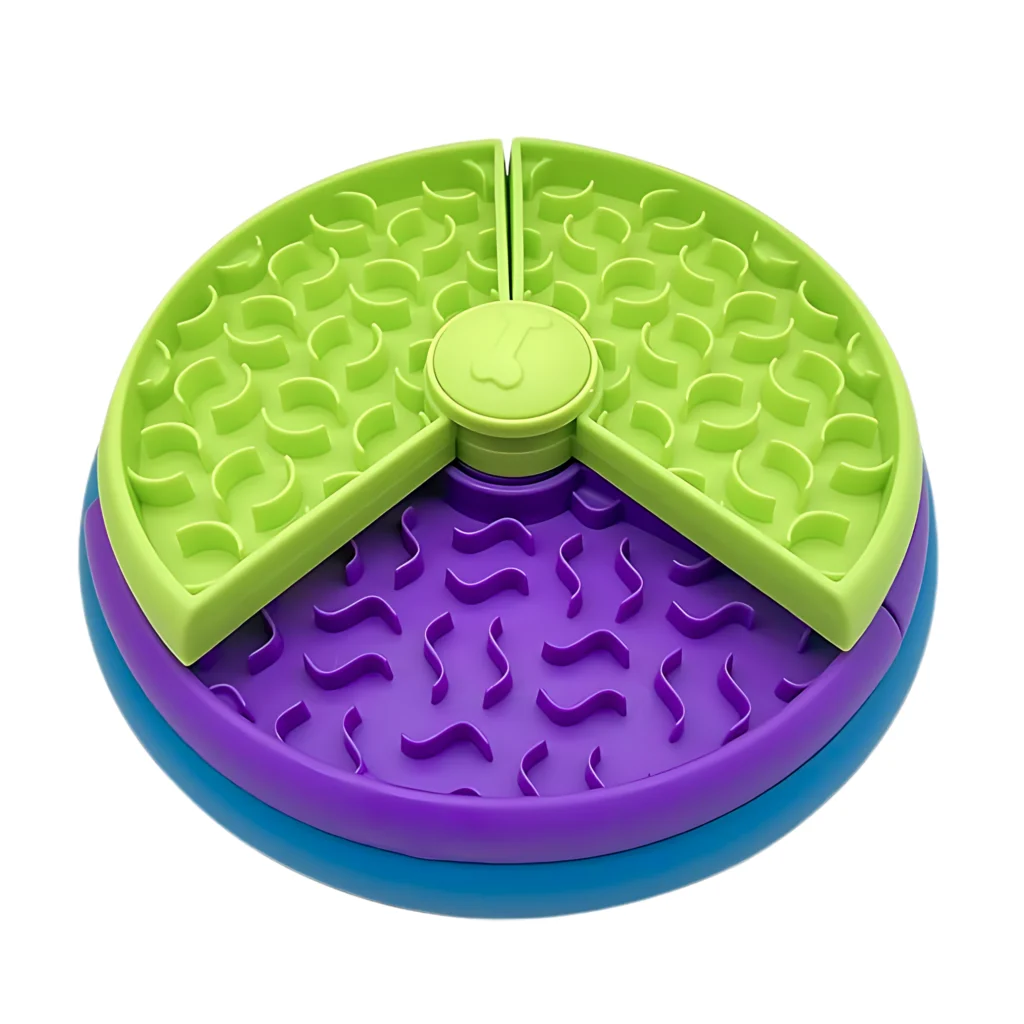
Triple Maze Feeder
Three-level maze bowl that slows fast eaters and turns every meal into enrichment.
How to choose a slow feeder for your dog
Dogs that finish a bowl in seconds swallow a lot of air and very little chewed food. A slow feeder breaks the meal into small pockets so your dog has to work around ridges, mazes or puzzle pieces, which stretches a meal from under a minute to several minutes.
Match the feeder to your dog. Large and deep-chested dogs do best with a wide, stable maze bowl that holds a full meal. Small dogs and puppies need shallower grooves they can reach, and flat-faced breeds such as pugs, bulldogs and Frenchies need wide, open channels. Busy, clever dogs often enjoy a puzzle feeder or treat dispenser on top of their everyday bowl, and a lick mat is a calm option for anxious moments.
Start easy. Introduce the bowl with a few treats in it, then move to full meals over a few days. Read how to introduce a slow feeder, the large dog guide, the small dog and puppy guide and slow feeders for flat-faced dogs.
Common questions
Which slow feeder is best for a dog that eats very fast?
A maze-style slow feeder bowl with several levels or channels, such as the Triple Maze Feeder, slows the most food at once. Pair it with two or three smaller meals a day.
Are slow feeders safe for puppies?
Yes, choose a shallow, easy pattern sized for your puppy and supervise the first few meals. See our puppy slow feeder guide for details.
Do slow feeders prevent bloat?
Eating fast is one risk factor for bloat in large, deep-chested dogs. Slow feeders reduce eating speed, but they are not a guarantee, so learn the warning signs and talk to your vet.
How do I clean a dog slow feeder?
Rinse it after every meal, scrub the grooves with a small brush and warm soapy water, and wash it thoroughly at least once a day.
Get slow feeding tips every Monday
Expert articles, new product launches and member-only discounts, straight to your inbox. Plus 15% off your first order.