 Written by
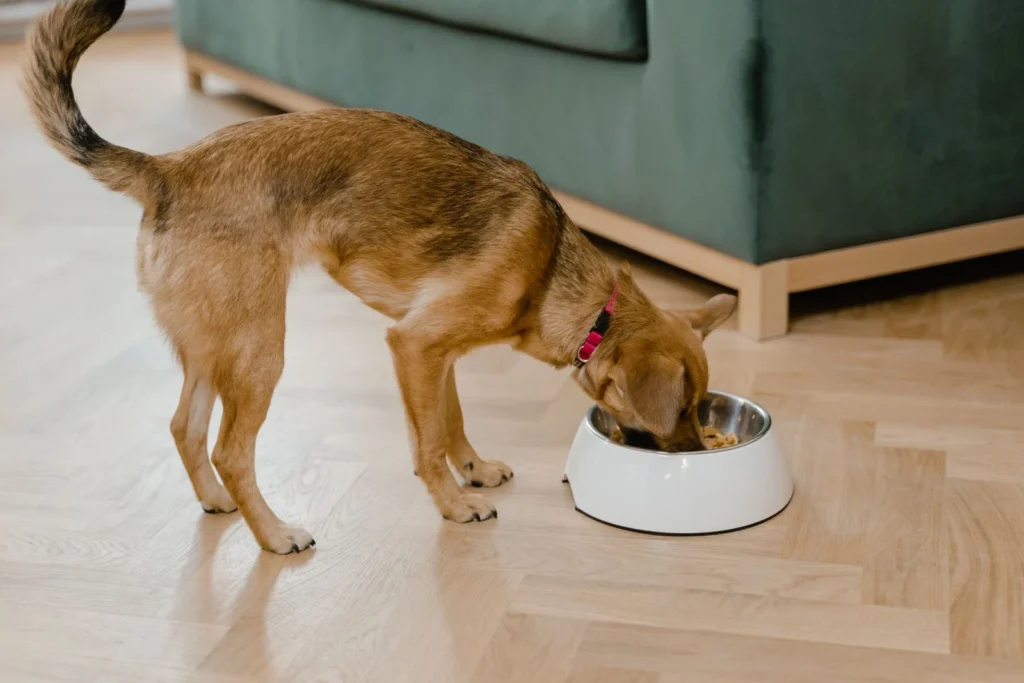
You brought home a shiny new slow feeder to help your dog stop gulping meals, but now your pup is staring at it like it is a puzzle from outer space. Do not worry. Learning how to introduce a dog to a slow feeder is easy when you take it one small step at a time. With a little patience, most dogs go from confused to confident within a few days, and you will finally have calm, healthy mealtimes. Here is a simple, step-by-step plan that works for gulpers of every size, plus a seven-day schedule and fixes for the most common hiccups.
Why the Transition Matters
A slow feeder works by making your dog nudge, lick, and work around ridges to reach every bite. That is a big change from a plain bowl where dinner disappears in seconds. If you drop a full meal into a maze bowl on day one, an anxious or frustrated dog might walk away hungry or try to flip the bowl. A gentle introduction keeps the experience positive so your dog learns to love the challenge.
Slowing the pace is worth the effort. The American Kennel Club notes that eating too fast can cause choking, vomiting, and discomfort, and recommends slow-feeder bowls and food puzzles as ways to slow things down. If your dog vomits or regurgitates repeatedly during the switch, the AKC advises telling your vet. If your dog shows the classic warning signs, our guide to the signs a dog eats too fast is worth a read.
The Complete Slow Feeding Starter Kit
Get our expert cheat sheet delivered to your inbox — plus an exclusive 15% discount code for your first order.
Every dog is different, so think of this as a flexible framework rather than a rigid rule book. A food-driven Labrador may breeze through in one meal, while a timid rescue may need extra encouragement. Watching your dog and adjusting is the real secret to success.
Before You Start
A few minutes of preparation makes the first meal much smoother.
- Wash the new feeder in warm, soapy water to remove any manufacturing residue or packaging smell.
- Measure the normal portion so you know exactly how much food your dog is getting while the bowl changes.
- Pick a quiet spot away from other pets and foot traffic, ideally the same place your dog already eats.
- Put a mat underneath to stop the feeder sliding on tile or wood floors.
- Have a few high-value treats ready to reward curiosity and early success.
- Keep the old bowl for the first few days in case you need to split a meal between the two.
Step-by-Step: Introducing the Slow Feeder
Step 1: Let Your Dog Investigate
Before any food goes in, set the empty feeder on the floor and let your dog sniff and explore it. A quick word of praise and a treat placed on top of the feeder helps your pup form a happy first impression right away. This lowers any suspicion about the strange new object.
Step 2: Start With a Shallow Load
For the first meal, place food only in the easiest, most open channels. Skip the deep, tricky center at first. You want early wins so your dog learns that poking around the bowl pays off quickly.
Step 3: Mix in a Familiar Favorite
Sprinkle a few high-value treats or a spoonful of wet food among the kibble. The extra motivation encourages your dog to keep working the maze instead of giving up. Softened kibble also works well for beginners.
Step 4: Gradually Use the Whole Bowl
Once your dog confidently clears the easy sections, start filling the deeper channels too. Over three to five days, work up to serving the entire meal in the slow feeder. Move at your dog’s pace and do not rush this stage.
Step 5: Supervise and Encourage
Stay nearby for the first several meals. Offer calm, upbeat encouragement, and gently redirect your dog if they try to tip the bowl. A non-slip surface or a bowl with a grippy base makes this much easier.
Step 6: Make It the New Normal
Once your dog eats a full meal from the feeder without hesitation, retire the old bowl. Consistency matters: using the slow feeder at every meal is what turns slower eating into a lasting habit.
A Sample Seven-Day Plan
Use this as a guide and slow down whenever your dog needs it.
| Day | What to do |
|---|---|
| Day 1 | Explore the empty feeder with treats. Serve a quarter of each meal in the easy channels, the rest in the old bowl. |
| Day 2 | Serve half of each meal in the feeder, still in the open channels, with a few treats mixed in. |
| Day 3 | Serve most of each meal in the feeder and begin filling deeper channels. |
| Day 4 | Serve the full meal in the feeder, spread evenly. Keep a couple of treats on top. |
| Day 5 | Full meal, no extra treats. Stay nearby and praise calm eating. |
| Days 6 and 7 | Full meals as normal. Time one meal to see how much slower your dog is eating. |
Choosing the Right Feeder for a Smooth Start
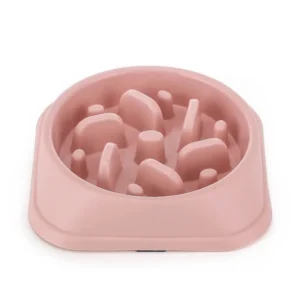
The right feeder makes the transition far easier. For beginners, a gentle maze pattern is less intimidating than a complex one. The Treat Maze Bowl offers an approachable design that slows dogs down without overwhelming them, making it a great first slow feeder. Once your dog is confident, a deeper pattern like the Triple Maze Feeder adds more challenge for serious gulpers.
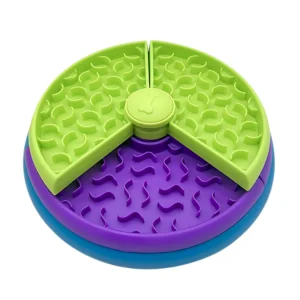
If your dog is especially fast or anxious, consider starting with a lick-based option. The Interactive Licking Bowl combines slow feeding with a soothing licking surface, which naturally calms nervous eaters. Licking is a naturally soothing behavior that helps many dogs settle, so it is a smart pick during stressful times like summer thunderstorms or July 4th fireworks. Not sure which style fits your dog? Compare your options in our slow feeder vs puzzle feeder breakdown.
Special Cases: Puppies, Seniors, and Anxious Dogs
Puppies
Puppies learn fast but get frustrated fast too. Choose a shallow pattern, keep meals easy enough that they always finish, and supervise every session. Our guide to slow feeders for puppies covers timing and sizing.
Senior Dogs
Older dogs may have stiff necks, fewer teeth, or reduced vision. Pick a shallow feeder, place it at a comfortable spot, and soften kibble with warm water if chewing is harder. Go slower with the transition and keep it low pressure.
Anxious or Rescue Dogs
Dogs with a history of food insecurity may find a new bowl worrying. Start with a lick mat or a very easy maze, feed in a quiet room, and give them space. Never take the feeder away while they are eating.
Flat-Faced Breeds
Pugs, Frenchies, and Shih Tzus need shallow ridges they can reach without pressing their faces into the bowl. See our guide to slow feeders for flat-faced dogs.
Troubleshooting Common Problems
My dog flips or pushes the bowl. Add a non-slip mat, choose a heavier or wider feeder, and make the first few meals easier. Flipping usually means frustration.
My dog barks at the bowl. Some dogs vocalize while they figure out something new. Stay calm, reward quiet moments, and it usually fades within a few days.
My dog still eats fast. The pattern may be too open for your dog’s muzzle. Try a deeper or tighter maze, or spread some of the meal on a lick mat.
My dog eats slower but leaves food behind. Check that every channel is reachable, and move food out of corners your dog cannot access.
Signs the Switch Is Working
After a week or two, you should start to see clear signs of progress. Meals take several minutes instead of seconds. You hear less gulping and fewer coughs, and your dog brings food back up less often, or not at all. Many owners notice that their dog seems calmer and more settled after eating, often curling up for a nap rather than hovering around the kitchen for more.
You may also see a happier attitude toward mealtime. A dog that approaches the feeder with a wagging tail and gets straight to work has accepted the new routine. If you are not seeing these changes, revisit the troubleshooting tips above, and if vomiting or discomfort continues, check in with your veterinarian to rule out any underlying issue.
Common Mistakes to Avoid
A few missteps can slow down your progress. First, do not switch to a full, deep maze on day one. That is the fastest way to frustrate your dog. Second, avoid changing your dog’s actual food and the bowl at the same time, since two big changes at once make it hard to tell what is working. Third, keep the feeder clean. Leftover food stuck in ridges can turn a dog off, so wash it after meals, as explained in our cleaning guide. Finally, resist the urge to help too much. Let your dog problem-solve, because that mental workout is part of the benefit. A tired, happy dog after a foraging session is one of the best signs the transition is working.
Get Your Free Slow Feeding Cheat Sheet
Everything in this article — plus portion charts, feeder comparisons and meal plans — in one printable PDF. A 15% discount code is included.
Frequently Asked Questions
How long does it take a dog to get used to a slow feeder?
Most dogs adjust within three to five days. Confident, food-motivated dogs may take to it in a single meal, while cautious dogs might need a week of gradual introduction. Go at your dog’s pace.
What if my dog just gives up and walks away?
Make it easier. Use a shallower load, add a few tasty treats to the open channels, or switch to a gentler maze pattern. Once your dog has some early success, confidence usually follows quickly.
Can I use wet food in a slow feeder?
Yes. Wet food, raw, or softened kibble work well, especially in licking-style feeders. Just be sure to wash the bowl thoroughly after each meal to keep it fresh and safe.
Should I use the slow feeder for every meal?
Yes, once your dog is comfortable. Consistency is what builds the slower habit, and switching back and forth tends to undo progress.
Ready for Calmer Mealtimes?
Introducing your dog to a slow feeder is a small change that pays off with healthier, happier meals and a more engaged pup. Take it step by step, keep things positive, and choose a feeder that matches your dog’s confidence level. When you are ready to get started, browse the Pets Sparkle collection of slow feeders and enrichment bowls and find the perfect fit for your dog today.
Sources
The veterinary and animal-welfare resources referenced in this guide:

Digital marketing specialist at BrightSeen Marketing Agency. Turns veterinary research into clear, practical feeding guides for pet parents.
Mahmoud works for BrightSeen Marketing Agency, which looks after our SEO and GEO and Meta ads.
View all articles by Mahmoud