 Written by
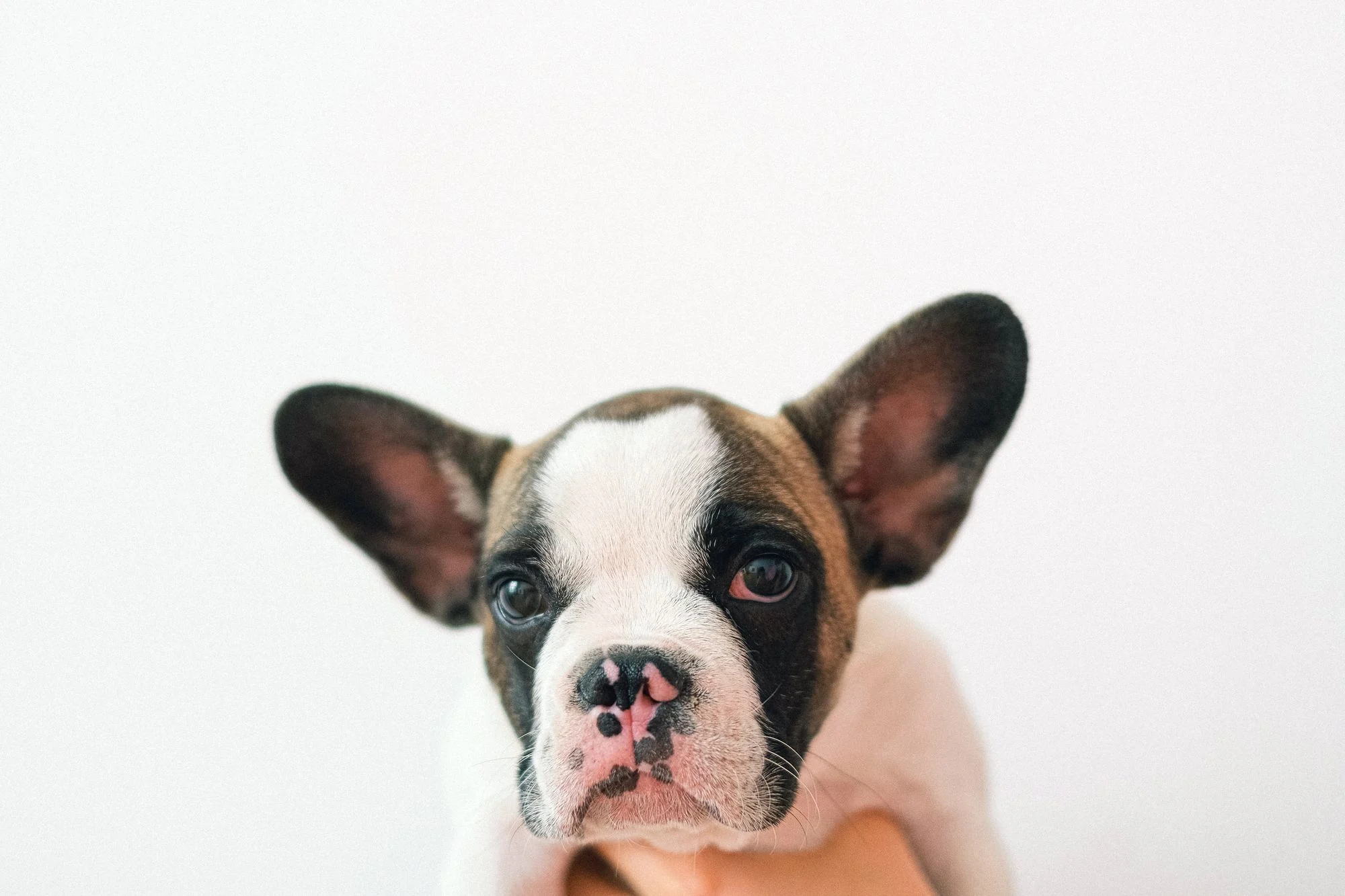
Puppies do almost everything at full speed, and eating is no exception. If your new pup treats every meal like a race and finishes before you have even set the water bowl down, a slow feeder can help. A slow feeder for puppies turns a quick gulp-fest into a calmer, healthier meal that is gentler on a growing tummy. But puppies also have special needs, so timing and design matter. Here is everything you need to know about when to start, how to choose the right feeder for your puppy’s size, how to introduce it, and how to use mealtime to build lifelong good habits.
Why Fast Eating Is a Problem for Puppies
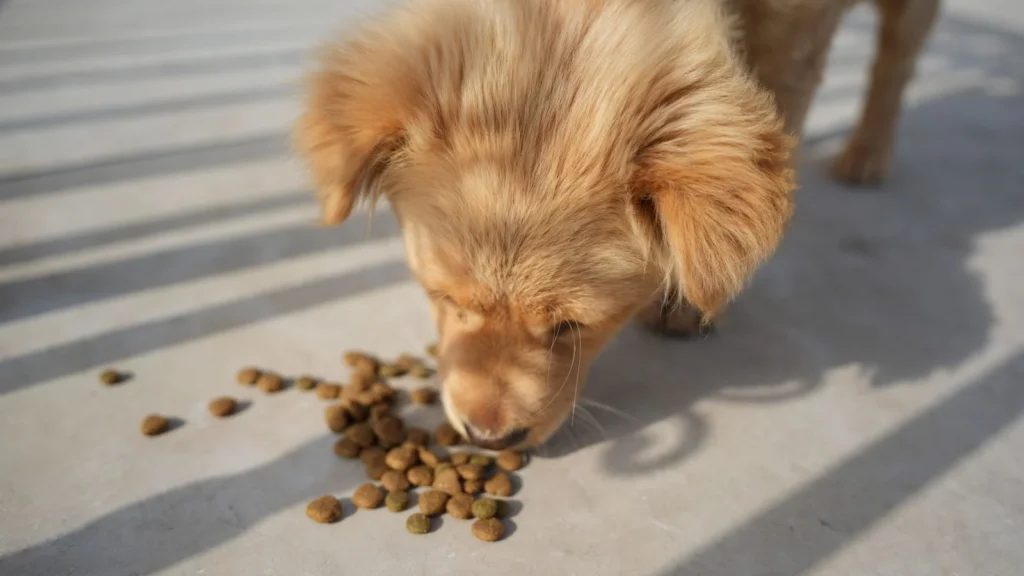
When a puppy wolfs down food, it swallows a lot of air along with each bite. That can lead to gas, hiccups, and the all-too-common puppy vomit right after a meal. Eating too fast can also cause choking on large mouthfuls, especially with dry kibble. If you notice your pup gagging or bringing meals back up, our article on the signs a dog eats too fast can help you spot the pattern early.
There is a bigger-picture reason to slow things down, too. Rapid eating is one of the risk factors veterinarians associate with bloat, a dangerous condition that is more common in deep-chested breeds. While bloat is rare in young puppies, building calm eating habits now sets your dog up for safer meals as it grows into a larger adult. Our guide asking do slow feeders prevent bloat explains the link.
Slow Feeding for Puppies & Kittens: Starting Right
Get our expert cheat sheet delivered to your inbox — plus an exclusive 15% discount code for your first order.
Slowing the pace also helps with training. A puppy that learns to eat calmly is easier to teach patience and impulse control, skills that carry over into leash manners, greetings, and waiting politely for food.
When Should You Start Using a Slow Feeder?
The good news is you can start early. Most puppies can use a slow feeder as soon as they are fully weaned and eating solid food on their own, usually around 8 weeks of age. Starting young helps a puppy learn that mealtime is a relaxed, pace-yourself activity rather than a competition, which is especially useful in multi-pet homes or for pups who came from a big litter.
That said, match the challenge to your puppy’s age and size. A tiny 8-week-old needs a shallow, gentle design with wide channels, while an older, more coordinated pup can handle a slightly trickier maze. Always watch the first few meals to make sure your puppy can actually reach the food without frustration. For a step-by-step approach, see our guide on how to introduce a slow feeder.
How to Choose the Right Slow Feeder for a Puppy
Not all slow feeders suit little mouths. Keep these factors in mind when you shop.
Size and Depth
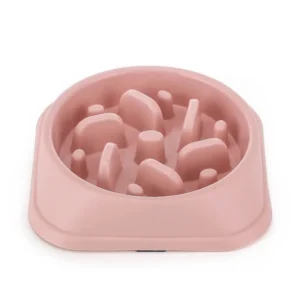
Pick a feeder scaled to your puppy. The ridges and channels should be shallow enough for a small snout and short tongue to reach easily. A feeder built for a full-grown Lab will only frustrate a toy-breed pup.
Difficulty Level
Start simple. Wide, open patterns slow eating without turning dinner into an impossible puzzle. You can graduate to a more complex maze as your puppy grows more confident and coordinated.
Material and Safety
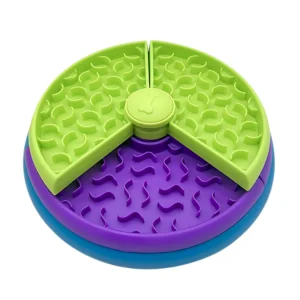
Look for sturdy, food-grade, BPA-free material that stands up to teething chewers. A non-slip base keeps the bowl from sliding across the kitchen floor while your pup pushes food around. The Treat Maze Bowl is a great starter option, and the Interactive Licking Bowl works well for puppies eating wet or softened food. In hot states like Arizona and Florida, softened or wet food can dry out and spoil quickly, so serve it fresh and clean the bowl right after.
Room to Grow
Puppies change fast. A feeder that fits at 10 weeks may be too small or too easy at six months. Plan to upgrade as your puppy grows, or pick a style you can make harder by adding more food to the deeper channels.
Small-Breed vs Large-Breed Puppies
Puppy size changes the priorities.
Toy and small-breed puppies such as Chihuahuas, Yorkies, and Toy Poodles have tiny stomachs and need regular meals. Very small puppies can be prone to low blood sugar if they go too long without food, so their slow feeder must be easy enough that they always finish. Shallow lick bowls and gentle mazes are ideal. See our guide to the best slow feeders for small dogs and puppies.
Large and giant-breed puppies such as Labradors, German Shepherds, and Great Danes grow quickly, and careful portion control matters for healthy bones and joints. Many vets recommend a food formulated for large-breed puppies. These pups are often the most enthusiastic gulpers, so a sturdy maze that can grow with them, like the Triple Maze Feeder once they are big enough, is a smart investment. Our guide to slow feeders for large dogs covers the adult stage.

How to Introduce a Slow Feeder to Your Puppy
Take it slow and keep every experience positive. For the first few meals, place the food loosely in the feeder so your puppy gets easy wins and learns the bowl is a good thing. Feed at regular mealtimes when your pup is hungry and motivated, and always supervise early sessions.
If your puppy seems confused, gently show it how to nudge a piece of kibble out. Never take food away as punishment or leave a puppy hungry to force the issue. Growing puppies need consistent nutrition, so if a feeder ever seems too hard, switch to an easier design. Within a few days most puppies catch on and start to enjoy the little challenge.
Portion Control and Feeding Schedules
Slow feeders pair perfectly with a proper puppy feeding routine. The AKC recommends feeding young puppies several small meals a day, typically three to four, spaced evenly to support steady growth and stable energy. The AKC also notes that eating too quickly can lead to vomiting and discomfort, and lists slow-feeder bowls and food puzzles as ways to slow a fast eater. Measure each meal according to your puppy’s weight and the food label, and check with your veterinarian to confirm the right amount. A slow feeder simply spreads that measured portion into a longer, calmer meal. To dial in amounts, our portion control guide walks through the basics.
Regular mealtimes also help with house-training. When food goes in on a predictable schedule, potty breaks become more predictable too. Take your puppy outside shortly after each meal, and praise success. For a detailed week-by-week plan for speedy eaters, see our guide to feeding a fast-eating puppy.
A Sample Day for a Young Puppy
Every household runs on a different clock, but here is how a slow feeder can fit into a typical day for a young puppy on three to four meals. Adjust the times to your own schedule and your vet’s advice.
| Time | What happens |
|---|---|
| Early morning | Potty break, then breakfast in the slow feeder. Potty again soon after. |
| Late morning | Short play and training session, then a nap. |
| Midday | Lunch in the slow feeder or on a lick mat, followed by a potty break. |
| Afternoon | Gentle play, chew time, and another nap. |
| Early evening | Dinner in the slow feeder, potty break, then calm family time. |
| Before bed | A final potty break. A small fourth meal if your vet recommends it. |
Split the total daily amount recommended for your puppy evenly across the meals, rather than adding food with each extra feeding. As your puppy gets older, your vet will likely suggest dropping to fewer, slightly larger meals, and the slow feeder can stay the same.
Using Mealtime to Teach Good Manners
Every meal is a free training session. Before you set the feeder down, ask your puppy for a simple sit. Lower the bowl slowly, and if your pup jumps up, raise it again and wait. When your puppy stays sitting, put the bowl down and give a release word such as “okay.” Over a few weeks, this builds impulse control that carries over into doorways, greetings, and walks.
Keep it short and fun. The goal is a polite pause, not a long, stressful wait. Avoid reaching into your puppy’s bowl or taking food away to “test” it, which can create guarding. Instead, walk by occasionally and drop a tasty extra into the feeder so your puppy learns that people near the bowl are a good thing.
Teething, Chewing, and Safety
Between roughly three and six months, puppies lose their baby teeth and want to chew everything, including their bowls. Supervise meals, pick up the feeder as soon as it is empty, and check it regularly for bite marks or cracks. Soft silicone lick mats can soothe sore gums when spread with a little wet food and chilled in the fridge. Replace any damaged feeder right away, since small pieces can be swallowed. Wash feeders after every meal, as described in our cleaning guide.
Get Your Free Slow Feeding Cheat Sheet
Everything in this article — plus portion charts, feeder comparisons and meal plans — in one printable PDF. A 15% discount code is included.
Frequently Asked Questions
Is my puppy too young for a slow feeder?
Most puppies can start once they are weaned and eating solid food, around 8 weeks old. Just choose a shallow, easy design sized for a small mouth and supervise the first meals.
Can a slow feeder slow my puppy’s growth?
No. A slow feeder does not reduce how much your puppy eats, only how fast. Your pup still gets the full measured portion, just at a healthier, calmer pace.
Should I use a slow feeder for every puppy meal?
Yes, once your puppy is comfortable with it. Consistency builds the habit. Just make sure every meal gets finished.
How do I clean a puppy slow feeder?
Wash it after every meal. Most are dishwasher safe or easy to hand wash with warm soapy water. Regular cleaning keeps bacteria from building up in the grooves, which matters for a young immune system.
Set Your Puppy Up for Healthy Meals
Starting your puppy on a slow feeder early builds calm, safe eating habits that pay off for years. Choose a shallow, puppy-sized design, introduce it gently, and pair it with a steady feeding schedule. Ready to make mealtime better for your new best friend? Browse our puppy-friendly feeders in the Pets Sparkle shop and find the perfect fit today.
Sources
The veterinary and animal-welfare resources referenced in this guide:

Digital marketing specialist at BrightSeen Marketing Agency. Turns veterinary research into clear, practical feeding guides for pet parents.
Mahmoud works for BrightSeen Marketing Agency, which looks after our SEO and GEO and Meta ads.
View all articles by Mahmoud