 Written by
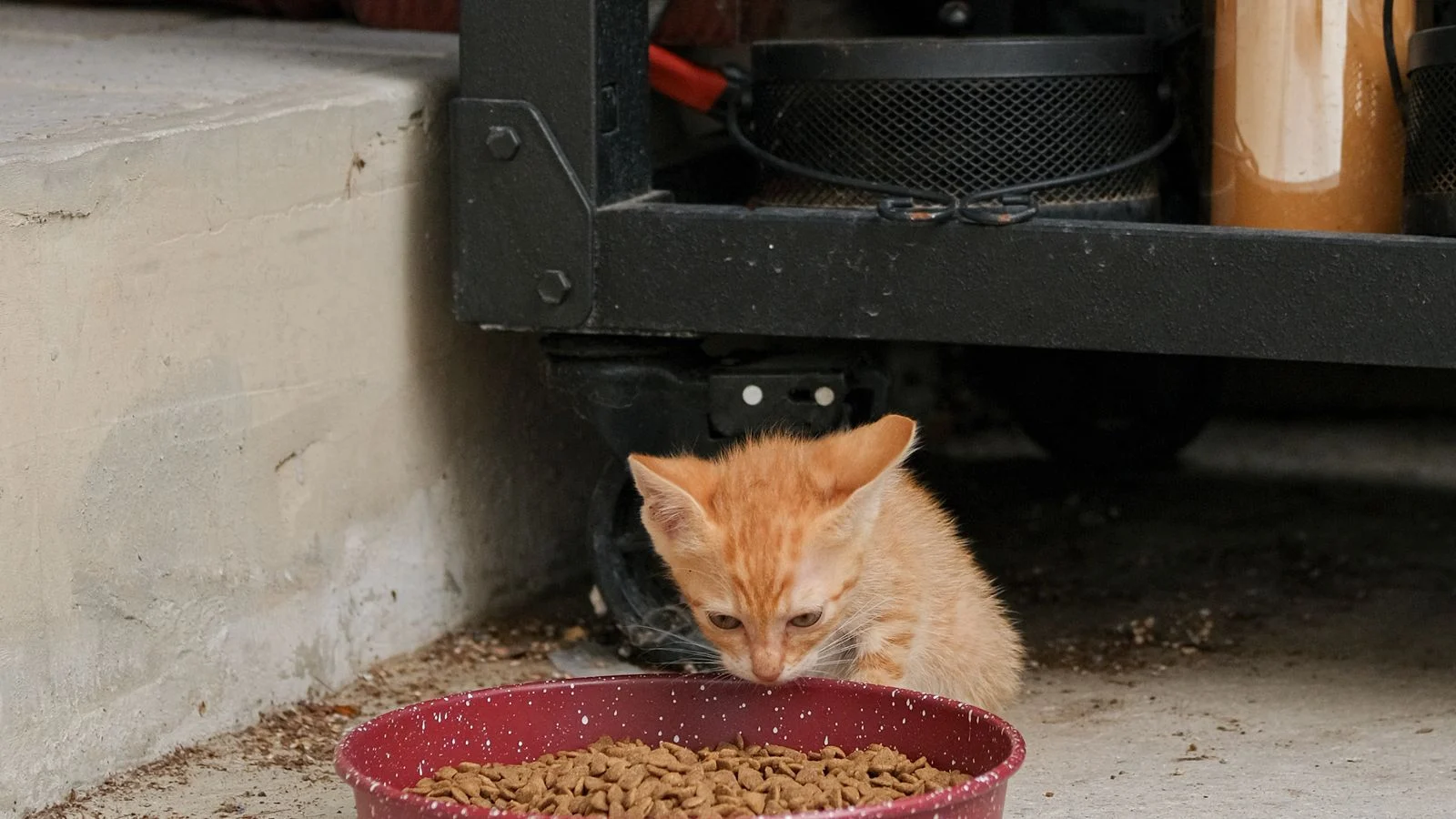
Kittens are tiny bundles of energy, and that enthusiasm often shows up at the food bowl. If your kitten gobbles every meal and then throws it right back up, you are not alone. Kitten slow feeding is a gentle, effective way to pace those meals, protect your kitten’s tummy, and turn eating into a fun little adventure. This guide walks you through why kittens eat fast, how to slow them down safely, and how to build healthy mealtime habits that last into adulthood.
Slowing your kitten down is not about giving less food. It is about changing how they eat so their body can keep up. Done right, it reduces vomiting, supports healthy digestion, and adds mental enrichment your growing kitten will love.
Why Kittens Eat Too Fast
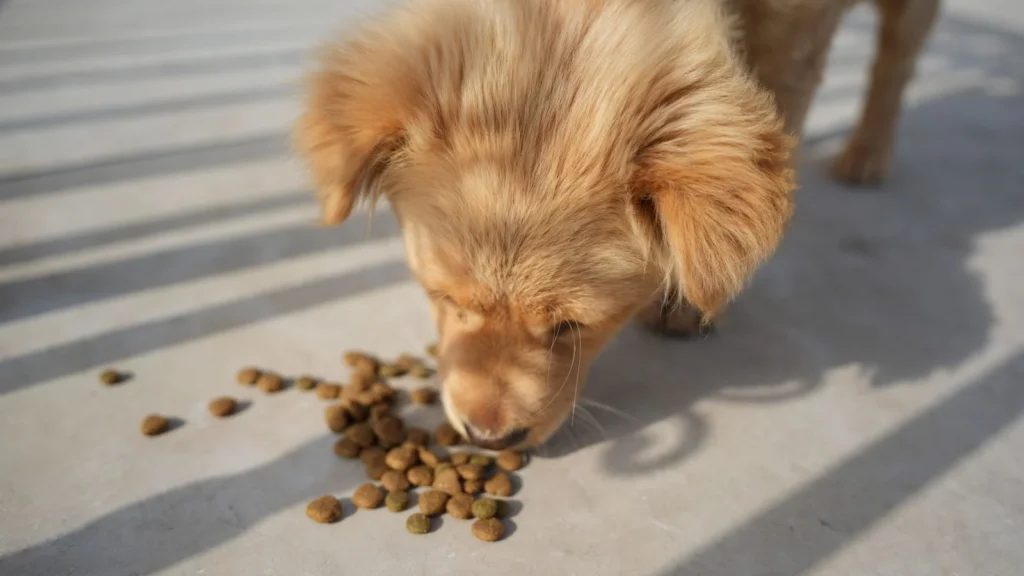
Kittens often eat quickly out of instinct. In a litter, food is a shared resource, so many kittens learn to eat fast before a sibling swoops in. Others simply have big appetites during the rapid growth spurts that define the first several months of a kitten’s life. Kittens rescued from the street or a busy shelter may also have learned that food is not always reliable. Whatever the reason, gulping leads to swallowed air, an overloaded stomach, and the classic scene of a kitten eating and then vomiting minutes later.
Slow Feeding for Puppies & Kittens: Starting Right
Get our expert cheat sheet delivered to your inbox — plus an exclusive 15% discount code for your first order.
If your kitten frequently brings food back up, it is worth understanding the causes. Our article on why cats throw up after eating explains when fast eating is the culprit and when to call your veterinarian.
Signs Your Kitten Eats Too Fast
- The bowl is empty within a minute or two
- Undigested food comes back up soon after eating
- Your kitten pushes siblings or other pets away from their bowls
- Loud crunching and gulping, with little chewing
- Crying for more food immediately after a meal
- A round, tight belly right after eating
The Benefits of Kitten Slow Feeding
Pacing your kitten’s meals offers real advantages. It reduces regurgitation and gas, supports better digestion, and helps prevent overeating that can lead to unhealthy weight gain later in life. The ASPCA calls enrichment essential for cats and kittens of all ages, and AAHA notes that food-dispensing toys are useful for controlling food access, so slow feeding delivers both.
There is a bonus, too. Working for food taps into your kitten’s natural hunting instincts, giving them mental stimulation that curbs boredom and, often, mischief. A busy kitten is a happy kitten, and one who is less likely to pester you at 5 a.m. or turn your houseplants into a chew toy. Habits learned in kittenhood also tend to stick, so a kitten who learns to eat calmly is set up for a healthier adult life.
Gentle Ways to Slow Your Kitten Down
The key with kittens is to start easy. Their small mouths and short attention spans mean you want simple, shallow challenges at first. Pushing too hard too soon can make a kitten give up or feel anxious around the bowl, so patience and gradual steps really pay off.
Start With Simple Tricks
Try spreading a small amount of wet food thinly across a flat plate so your kitten has to lick it up. For kibble, scatter a few pieces across a clean tray or baking sheet so they hunt and pounce. A clean muffin tin with a few pieces in each cup is another easy, no-cost option. These methods are a great first step for very young kittens.
Move to a Slow Feeder
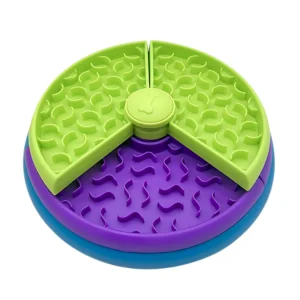
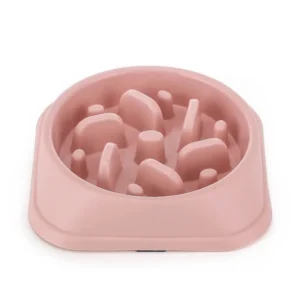
Once your kitten is comfortable, a purpose-built slow feeder with a shallow, gentle pattern works wonders. A lick-friendly design is ideal for wet food and pate. Our Slow Licking Mat spreads meals into thin ridges that encourage licking instead of gulping, and it is easy to clean. For a bowl-style option, the Interactive Licking Bowl offers gentle pacing that suits curious kittens. For kibble, the shallow Treat Maze Bowl is a good next step once your kitten is confident.
Add Simple Puzzles Later
Older kittens who breeze through a slow feeder can graduate to easy food puzzles. Our cat puzzle feeders guide explains how to level up gradually.
How to Introduce Slow Feeding to a Kitten
Go slowly and keep it positive. Introduce the new feeder during one meal a day at first, using a familiar food so the only change is the bowl. Praise your kitten and stay nearby the first few times. If they seem confused, place a little food on top of the ridges so they get an easy first win.
Never force it, and never let a kitten miss a meal because a feeder was too hard. Kittens need regular nutrition to grow. If your kitten gets frustrated, serve the rest of the meal in a regular dish, switch back to a simpler pattern, and try again in a few days. Most kittens catch on quickly once they realize the tasty reward is worth the effort. For more on cat-specific options, see our guide to slow feeders for cats.
Feeding Schedule and Portions
Young kittens need frequent meals, often three to four small servings a day, because their little stomachs cannot hold much at once. Smaller, more frequent meals also naturally reduce fast eating. Feed a complete and balanced kitten food, follow your veterinarian’s guidance on portion sizes, and always provide fresh water. Most kittens stay on kitten food until around their first birthday, though your vet may adjust this for your kitten’s breed and growth.
As your kitten matures toward adulthood, you can gradually reduce meal frequency while keeping portions appropriate for a healthy weight. Consistent mealtimes also help your kitten feel secure and make it easier to notice quickly if their appetite ever changes, which can be an early sign that something needs a veterinary visit.
Wet Food, Dry Food, or Both?
Many vets like kittens to try both textures early, so they are not fussy eaters later. Each works with slow feeding. Wet food is perfect on a lick mat or licking bowl and adds moisture to the diet. Dry kibble suits shallow maze bowls, scatter games, and simple puzzles. A mix of both, served in different feeders, gives variety and enrichment. Whatever you choose, count the total toward your kitten’s daily portion and do not leave wet food out for long, especially in warm weather.
Feeding Littermates and Multi-Cat Homes
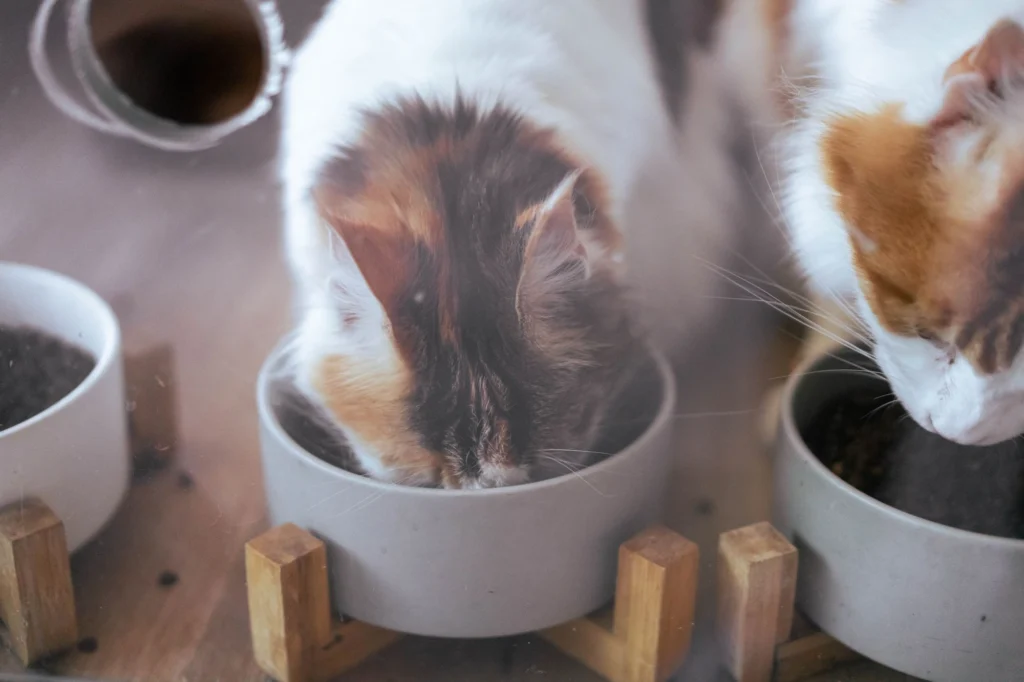
If you adopted two kittens, or your kitten lives with older cats, competition can drive fast eating. Give every cat its own feeder, and place feeders apart or in separate rooms so no one feels rushed or bullied. This also lets you see exactly who is eating what, which is important for growing kittens. Our guide to feeding multiple cats in one household has more tips.
Play Before Meals
Kittens are natural hunters, and a short play session before meals mimics the natural sequence of hunt, eat, groom, and sleep. Spend five to ten minutes with a wand toy so your kitten stalks, chases, and pounces, then serve the meal in a slow feeder. Many kittens eat more calmly after burning off energy, and this routine before bedtime can help them settle down for the night.
Setting Up a Kitten Feeding Station
Where your kitten eats can make slow feeding easier or harder. A thoughtful setup helps a nervous kitten relax and gives a confident one fewer distractions.
Pick a Calm Spot
Choose a quiet corner away from foot traffic, loud appliances, and the family dog. Kittens startle easily, and a startled kitten is more likely to gulp and run.
Keep Food Away From the Litter Box
Cats prefer not to eat near their toilet. Place the feeding station in a different area, ideally a different room, from the litter box.
Separate Water From Food
Many cats prefer water a short distance from their food. Setting the water bowl a few feet away may even encourage your kitten to drink more.
Use a Mat Underneath
A washable silicone mat under the feeder stops sliding, catches spills, and makes daily cleanup simple.
Stay Consistent
Serve meals in the same place at roughly the same times each day. Predictable routines help kittens feel secure, and secure kittens tend to eat more calmly.
Safety and Cleaning
Choose feeders made from food-grade, BPA-free materials with no small parts that could break off. Supervise young kittens with any new feeder. Wash lick mats and bowls after every wet meal, and scrub kibble feeders every day or two, since grooves trap residue quickly. Our guide on how to clean a slow feeder and lick mat covers the routine.
Get Your Free Slow Feeding Cheat Sheet
Everything in this article — plus portion charts, feeder comparisons and meal plans — in one printable PDF. A 15% discount code is included.
Frequently Asked Questions
At what age can I start kitten slow feeding?
Once your kitten is eating solid food comfortably, usually by a couple of months old, you can start with gentle methods like a flat plate or a shallow lick mat. Always supervise young kittens.
My kitten vomits right after eating. Will slow feeding help?
Often, yes. If fast eating is the cause, pacing meals frequently solves the problem. If vomiting continues despite slower feeding, or your kitten seems lethargic or stops eating, check with your veterinarian promptly, since kittens can dehydrate quickly.
Are slow feeders safe for kittens?
Yes, when you choose a shallow, kitten-appropriate design made from food-grade material and supervise the first few meals. Avoid deep or complex mazes that could frustrate a small kitten.
How many slow feeders does a kitten need?
Two is ideal: one lick mat or licking bowl for wet food and one shallow maze for kibble. Having a spare also means one can be washed while the other is in use.
Give Your Kitten a Calmer Start
Kitten slow feeding is one of the simplest ways to protect your kitten’s health while adding daily enrichment they genuinely enjoy. Start with easy tricks, move to a gentle slow feeder, and keep meals small and frequent. Before long, those frantic, gulping meals become calm, happy ones. Ready to help your kitten eat better? Explore kitten-friendly slow feeders and lick mats in the Pets Sparkle shop and set your little one up for a healthy, happy life.
Sources
The veterinary and animal-welfare resources referenced in this guide:

Digital marketing specialist at BrightSeen Marketing Agency. Turns veterinary research into clear, practical feeding guides for pet parents.
Mahmoud works for BrightSeen Marketing Agency, which looks after our SEO and GEO and Meta ads.
View all articles by Mahmoud