 Written by
Cats may act aloof and dignified, but plenty of them eat like tiny vacuum cleaners. If your cat scarfs down dinner and then throws it up minutes later, or begs constantly and is packing on pounds, a slow feeder could be the simple fix you have been looking for. Slow feeders for cats turn a rushed gulp-fest into a rewarding, instinct-driven activity. In this 2026 guide, we will cover why cats gulp, how slow feeders help, the main types, how to choose one that suits your cat’s face and eating style, and how to get even a picky cat on board.
Why Cats Eat Too Fast
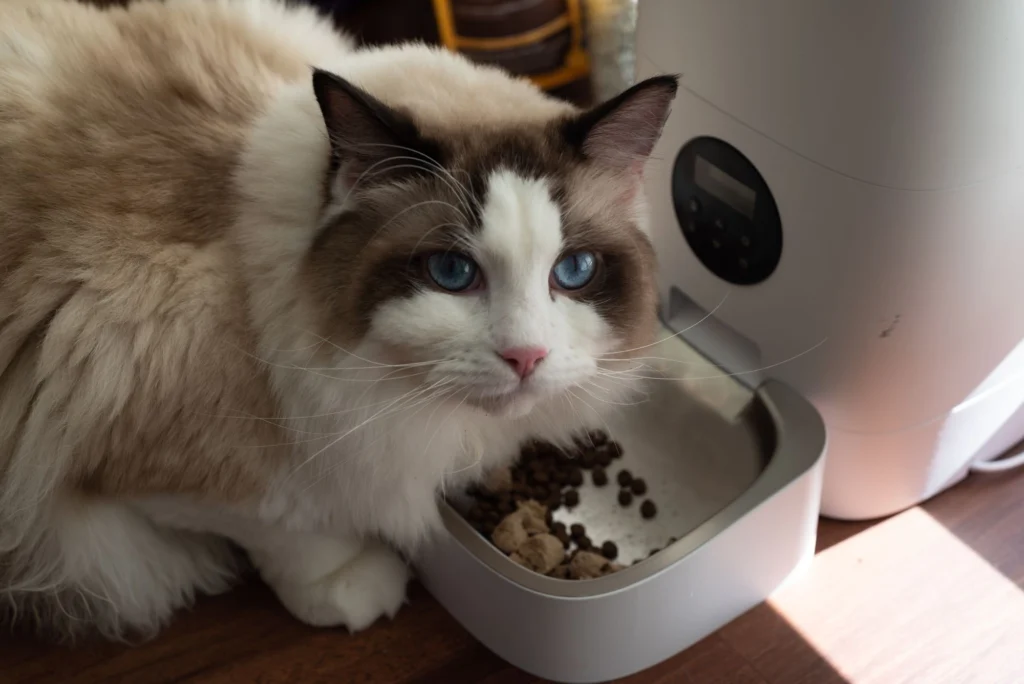
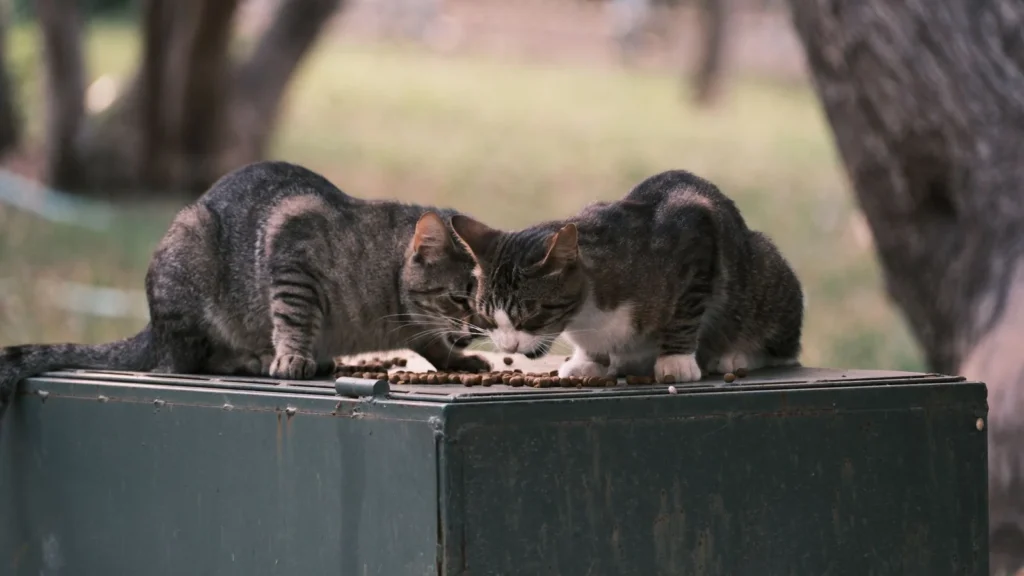
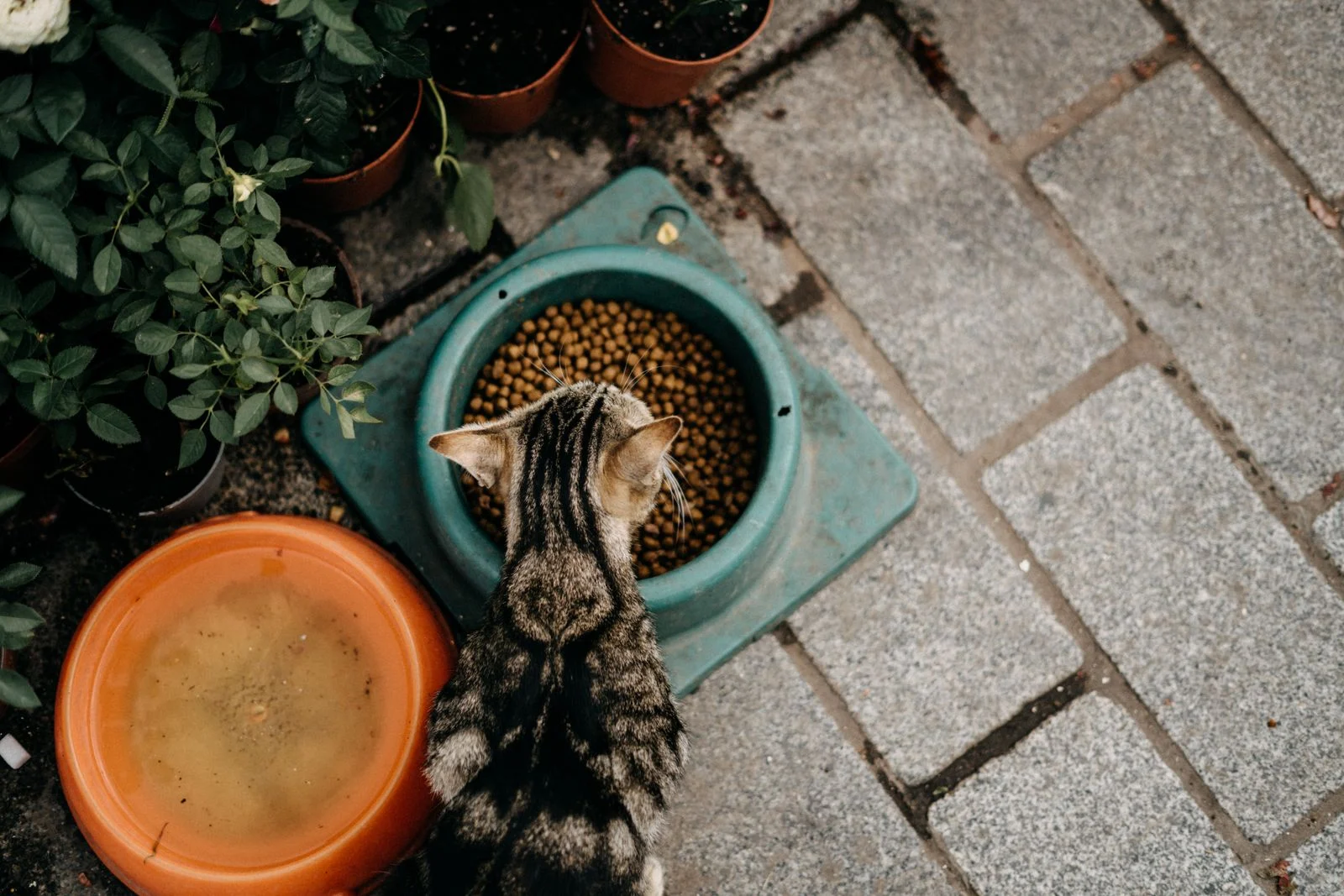
Fast eating in cats is more common than many owners realize. Some cats gulp because of competition in a multi-pet home, some because of past scarcity in a shelter or on the street, and some simply because they love their food a little too much. Whatever the reason, eating too quickly can cause a familiar problem: your cat eats, then promptly brings it all back up. This is often called scarf and barf, and it happens because food and swallowed air hit the stomach too fast for the body to handle. A slow feeder addresses the behavior directly by making it physically impossible to inhale a full bowl in one go.
Feeding schedules play a part too. In the wild, cats eat many small meals a day, catching and eating small prey one at a time. A house cat that gets one or two large bowls a day may arrive at each meal very hungry and eat accordingly. Spreading food across more, smaller meals and slowing each one down brings mealtimes closer to how cats are built to eat.
The Cat Parent's Slow Feeding & Enrichment Handbook
Get our expert cheat sheet delivered to your inbox — plus an exclusive 15% discount code for your first order.
Slowing things down helps digestion and reduces vomiting. If your cat frequently gets sick after meals, our article on why cats throw up after eating digs into the causes. As always, check with your veterinarian to rule out medical issues, since Cornell Feline Health Center advises a vet evaluation for cats that vomit more than once a week.
Signs Your Cat Needs a Slow Feeder
Not sure whether your cat is a true speed eater? Look for these clues:
- The bowl is empty within a minute or two of being filled
- Your cat vomits whole, undigested kibble shortly after eating
- You hear gulping or see your cat pause to cough or gag mid-meal
- Your cat pushes other pets away from their bowls or steals their food
- Constant yowling for food soon after a meal
- Steady weight gain even though portions have not changed
If two or more sound familiar, a slow feeder is well worth trying.
How Slow Feeders Help Cats
A slow feeder uses ridges, mazes, or licking textures to spread food out so your cat has to work around obstacles for each bite. That small challenge delivers several real benefits.
Better Digestion
Eating more slowly means less gulped air and a gentler landing in the stomach, which cuts down on regurgitation and tummy upset.
Healthy Weight Management
Slower meals give your cat’s body time to register fullness, so your cat feels satisfied and is less likely to overeat. That matters, because the Association for Pet Obesity Prevention found that 61 percent of cats evaluated by US veterinary professionals in 2022 were overweight or had obesity. If your cat needs to lose a little, see our guide to helping an overweight cat slim down safely.
Mental Stimulation
Cats are natural hunters. Making them forage for food taps into that instinct and eases boredom, which is especially valuable for indoor cats. For more ideas, see our guide to mealtime enrichment for indoor cats.
Calmer Multi-Pet Mealtimes
When each cat is busy working through its own feeder, there is less time and temptation to raid a housemate’s bowl.
Types of Slow Feeders for Cats
Not every slow feeder suits a cat. Cats have shorter muzzles and can be fussy, so the design matters.
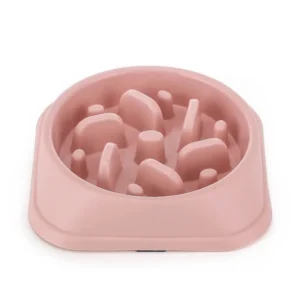
Maze and Ridge Bowls
These bowls have raised patterns that slow dry kibble. Look for shallow, cat-friendly ridges rather than deep dog mazes. The Treat Maze Bowl works nicely for cats and small pets, gently pacing meals without frustrating your feline.
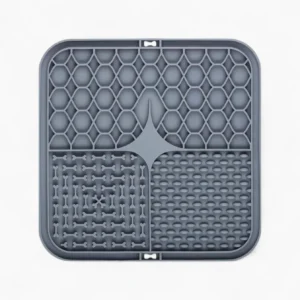
Licking Bowls and Mats
Cats love to lick, and licking is soothing for them. An Interactive Licking Bowl is perfect for wet food or a lickable puree, stretching a meal into a calm, satisfying ritual. A flat Slow Licking Mat is another great option for anxious cats and works beautifully with wet or raw diets. Our guide to lick mats for cats covers safe toppings.
Puzzle and Treat Feeders
For food-motivated cats who want a bigger challenge, puzzle-style feeders add problem-solving to the mix. These are wonderful for busy indoor cats who need more to do during long winter days in the Northeast. Start simple so your cat does not get discouraged, then increase the difficulty over time. Our cat puzzle feeders guide explains how to level up.
How to Choose the Right Cat Slow Feeder
Go Shallow and Wide
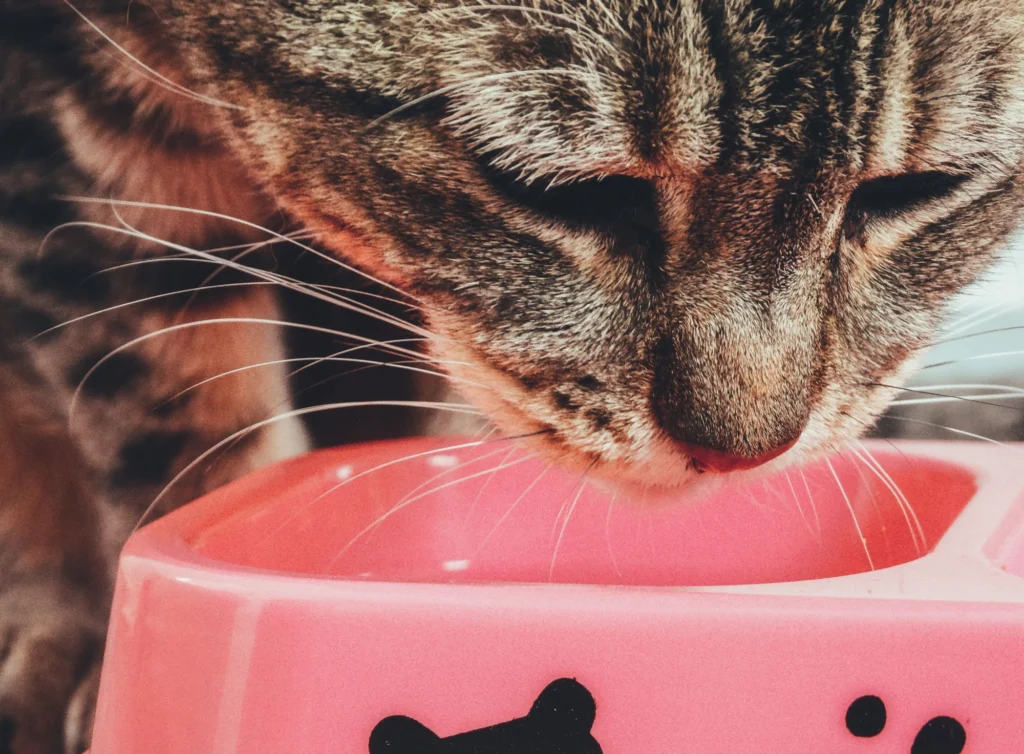
Many cats dislike pressing their faces into deep, narrow bowls where their whiskers brush the sides. A shallow, wide feeder with low ridges is usually more comfortable and more likely to be accepted.
Match the Feeder to the Food
Ridge bowls and puzzles work best for dry kibble. Wet food, pate, and raw diets suit licking bowls and mats, which let your cat lick food from textured surfaces.
Consider Your Cat’s Face Shape
Flat-faced breeds such as Persians and Exotic Shorthairs need extra-shallow patterns they can reach without struggling. A licking mat is often the easiest option for them.
Choose Safe, Easy-Clean Materials
Food-grade silicone, sturdy BPA-free plastic, and stainless steel are all good options. Our comparison of silicone, plastic, and stainless steel feeders explains the trade-offs.
Look for Stability
A non-slip base keeps the feeder from sliding when your cat paws at it, which reduces frustration and mess.
How to Introduce a Slow Feeder to Your Cat
Cats are famously suspicious of new things, so a gradual approach wins the day. Start by leaving the empty feeder near your cat’s usual bowl for a day so it becomes a familiar object. Then place food only in the easiest, most open sections for the first few meals, and serve the rest in the old bowl. Adding a favorite wet food or a few treats gives your cat a reason to explore the maze.
Go slowly and keep it positive. If your cat seems frustrated, make it easier by using shallower channels or a licking surface. Over a week or so, shift more of each meal into the new feeder until it holds the whole portion. Never force it, and never let a cat go without eating, since cats should not skip meals for long. Always keep the bowl clean, since a dirty feeder will turn a cat off fast.
Slow Feeders for Kittens, Seniors, and Multi-Cat Homes
Kittens can use very easy slow feeders once they are eating solid food confidently. Keep the challenge minimal so they always finish their meals, and see our kitten slow feeding guide for details.
Senior cats may have dental issues, stiff joints, or reduced appetite. Choose a shallow licking surface, warm wet food slightly to boost aroma, and keep the challenge gentle. Our guide to feeding senior cats has more tips.
Multi-cat homes do best when each cat has its own feeder in a separate spot. Spacing bowls apart reduces tension and food stealing. Our guide to feeding multiple cats in one household covers the full setup.
Where to Place the Feeder
Location can make or break a new feeder. Cats like to eat where they feel safe, so choose a quiet spot away from busy doorways, loud appliances, and the dog’s bowl. Keep food well away from the litter box, since most cats will not eat comfortably near their toilet. Many cats also prefer their water bowl to be a short distance from their food rather than right beside it.
Elevation matters for some cats. A cat that likes to survey the room may eat more calmly on a low shelf or cat tree platform, as long as it is stable and easy to reach. For older cats with stiff joints, keep the feeder at floor level or slightly raised, whichever looks more comfortable. Once you find a spot your cat likes, keep it consistent so mealtime feels predictable.
Keeping the Feeder Clean and Safe
Cats are sensitive to smells and cleanliness. Wash the feeder after each meal, especially when using wet or raw food, to prevent bacteria buildup and keep your cat interested. Choose food-grade, non-toxic, BPA-free materials; the FDA regulates substances that come into contact with food. Dishwasher-safe designs make daily cleaning simple. For a full routine, our post on whether slow feeders are safe and how to clean them has you covered.
Get Your Free Slow Feeding Cheat Sheet
Everything in this article — plus portion charts, feeder comparisons and meal plans — in one printable PDF. A 15% discount code is included.
Frequently Asked Questions
Do slow feeders really stop cats from vomiting?
For cats who vomit because they eat too fast, yes, slow feeders often help a great deal by pacing meals and reducing gulped air. If vomiting continues despite slower eating, see your veterinarian to rule out medical causes.
Can I use wet food in a cat slow feeder?
Absolutely. Licking bowls and mats are made for wet food, purees, and raw diets. Just wash the feeder thoroughly after every meal to keep it fresh and safe.
My cat ignores the slow feeder. What should I do?
Make it easier and more rewarding. Use a shallower load, add high-value wet food or treats, and switch to a gentler design or a licking surface. Patience and small wins usually win over even stubborn cats.
How long should a cat take to eat from a slow feeder?
Aim for a calm meal of several minutes rather than seconds. The exact time matters less than whether your cat eats comfortably and keeps the food down.
Help Your Cat Eat Smarter
A slow feeder is one of the easiest upgrades you can make to your cat’s daily routine, supporting better digestion, a healthier weight, and a happier, more engaged feline. Choose a shallow, cat-friendly design, introduce it patiently, and keep it clean, and you will likely see the difference within days. Ready to slow things down? Browse the Pets Sparkle collection of slow feeders and licking bowls and find the perfect pick for your cat today.
Sources
The veterinary and animal-welfare resources referenced in this guide:

Digital marketing specialist at BrightSeen Marketing Agency. Turns veterinary research into clear, practical feeding guides for pet parents.
Mahmoud works for BrightSeen Marketing Agency, which looks after our SEO and GEO and Meta ads.
View all articles by Mahmoud