 Written by
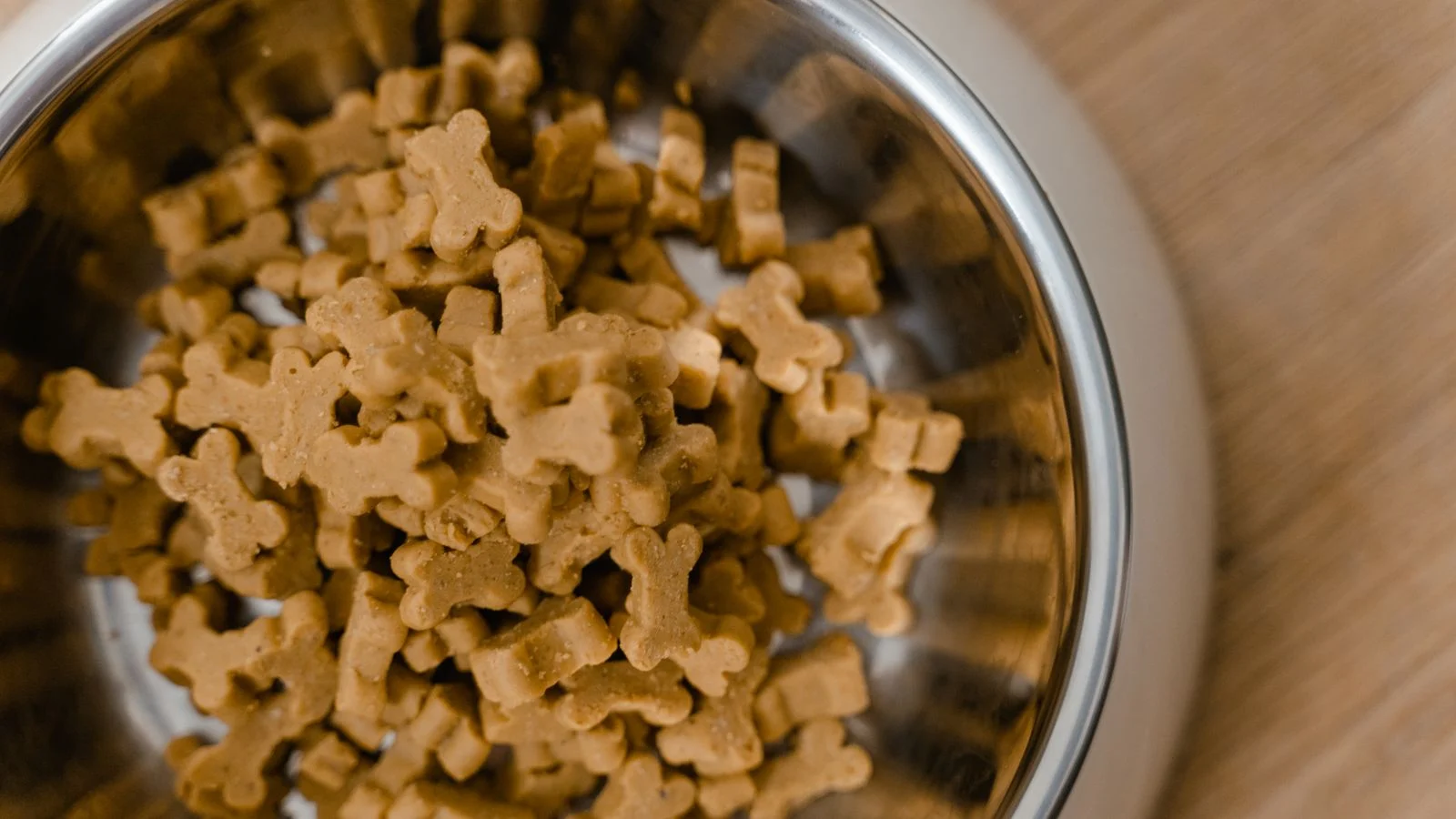
If you have ever watched your dog inhale dinner in ten seconds flat, a slow feeder probably caught your eye. But before you set one down at mealtime, it is fair to ask: are slow feeders safe? The short answer is yes, when you choose a quality material, pick the right size, and keep it clean. The longer answer involves knowing what your bowl is made of, why BPA matters, how to avoid chewing and choking hazards, and how to wash those tricky ridges so they help your pet rather than harbor bacteria.
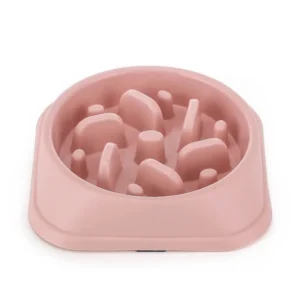
Slow feeders work by placing ridges, mazes, or nubs in the food path so your pet has to nose and lick food out slowly. That gentle pacing is great for digestion, helps reduce gulped air, and can lower the risk of an upset stomach after meals. But the same grooves that slow eating can also trap moisture and food residue, which is exactly why material and cleaning matter so much for your peace of mind.
What Are Slow Feeders Made Of?
Most slow feeders sold in the United States fall into three material groups, and each has trade-offs worth understanding before you buy.
Slow Feeder Safety: Materials, Cleaning & Maintenance
Get our expert cheat sheet delivered to your inbox — plus an exclusive 15% discount code for your first order.
Food-Grade Plastic
Plastic is the most common and affordable option. Look for feeders clearly labeled food-grade and BPA-free. Quality plastic is lightweight, dishwasher-friendly, and comes in the widest range of maze patterns. The downside is that lower-quality plastic can scratch over time, and deep scratches can hold bacteria, so inspect older bowls now and then. Some veterinarians also suggest avoiding scratched plastic bowls for cats prone to chin acne.
Silicone
Food-grade silicone is soft, flexible, and non-porous, which makes it easy to clean and gentle on a dog or cat that bumps the bowl with their teeth. Silicone lick mats and mats-in-a-bowl are popular for this reason. Choose products that specify food-grade or platinum-cured silicone, and check for a neutral smell; a strong chemical odor that does not fade after washing is a red flag.
Stainless Steel
Stainless steel is the most durable and hygienic choice. It does not leach chemicals, does not scratch easily, and resists odors. It tends to cost more and offers fewer intricate maze shapes, but for chewers and multi-pet homes it is hard to beat. If you want to compare all three, our guide on silicone, plastic, and stainless steel feeders breaks down the details.
Material Comparison at a Glance
| Material | Strengths | Watch out for |
|---|---|---|
| BPA-free plastic | Affordable, light, many maze shapes | Scratches over time; avoid for heavy chewers |
| Food-grade silicone | Flexible, non-porous, dishwasher safe | Can be chewed or torn by determined dogs |
| Stainless steel | Very durable, hygienic, odor resistant | Higher price, fewer complex patterns |
Is BPA a Real Concern?
BPA, short for bisphenol A, is a chemical historically used in some plastics and resins. The FDA continues to study BPA and considers approved food-contact uses safe at current levels, but many pet parents prefer to avoid it entirely, especially in items used daily. The good news is that reputable pet brands now widely label their bowls BPA-free.
The simplest rule: if a plastic feeder does not clearly say BPA-free, choose one that does, or step up to silicone or stainless steel for extra peace of mind. Also avoid putting hot food in plastic bowls, since heat can accelerate the breakdown of lower-quality materials. Room-temperature or gently warmed food is best anyway, since scalding food is never good for pets.
Physical Safety: Sizing, Chewing, and Stability
Material is only half the safety story. How the feeder fits your pet matters just as much.
Pick the Right Size
A feeder that is too small for a large dog can be picked up, carried off, and chewed. A pattern that is too deep for a small or flat-faced pet causes frustration and face-pressing. Match the bowl size and pattern depth to your pet. Our guides to slow feeders for large dogs and small dogs can help.
Supervise Chewers
Puppies and power chewers may try to gnaw the ridges or edges. Supervise meals, pick the feeder up once it is empty, and never leave a chewed feeder down. Swallowed pieces can cause choking or a blockage.
Keep It Stable
A sliding or flipping bowl frustrates pets and can spill food everywhere. Choose non-slip bases, or place the feeder on a rubber mat.
Avoid DIY Hazards
Some owners put a ball or stone in a regular bowl to slow eating. Anything small enough to fit in your pet’s mouth is a choking risk. A purpose-built slow feeder is the safer choice.
How to Clean a Slow Feeder Properly
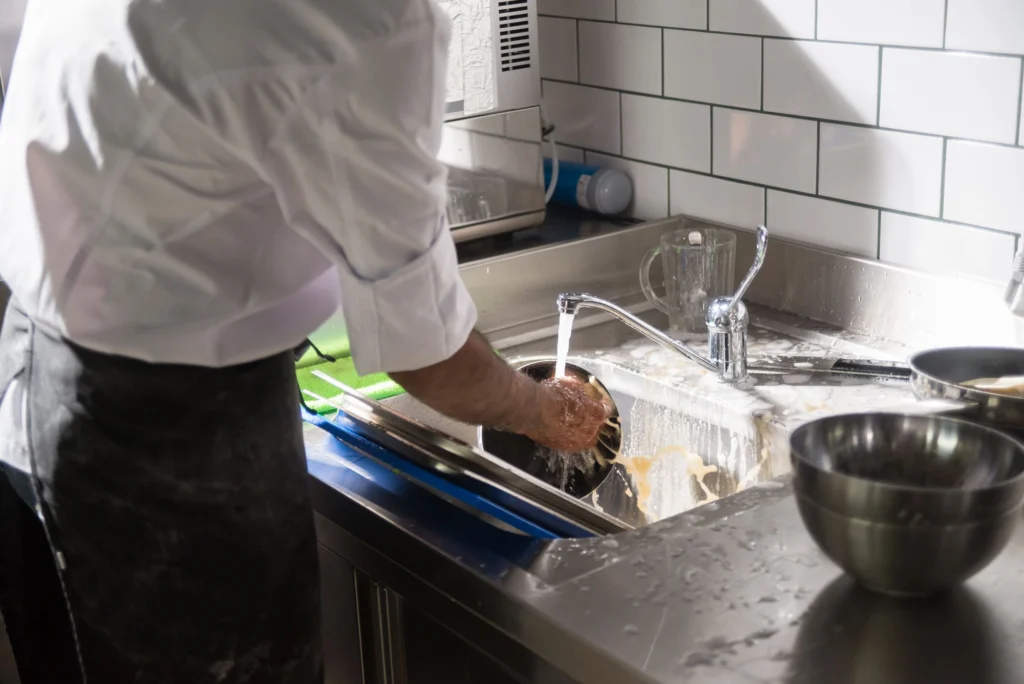
Cleaning is where safety is won or lost. Those ridges are the whole point of a slow feeder, and they are also where kibble dust, wet food, and saliva collect. The AVMA, FDA and CDC all advise washing pet food bowls and feeding items regularly with soap and hot water to reduce bacteria like salmonella, and slow feeders are no exception. Wash your hands after handling pet food and bowls, too.
For Dry Food
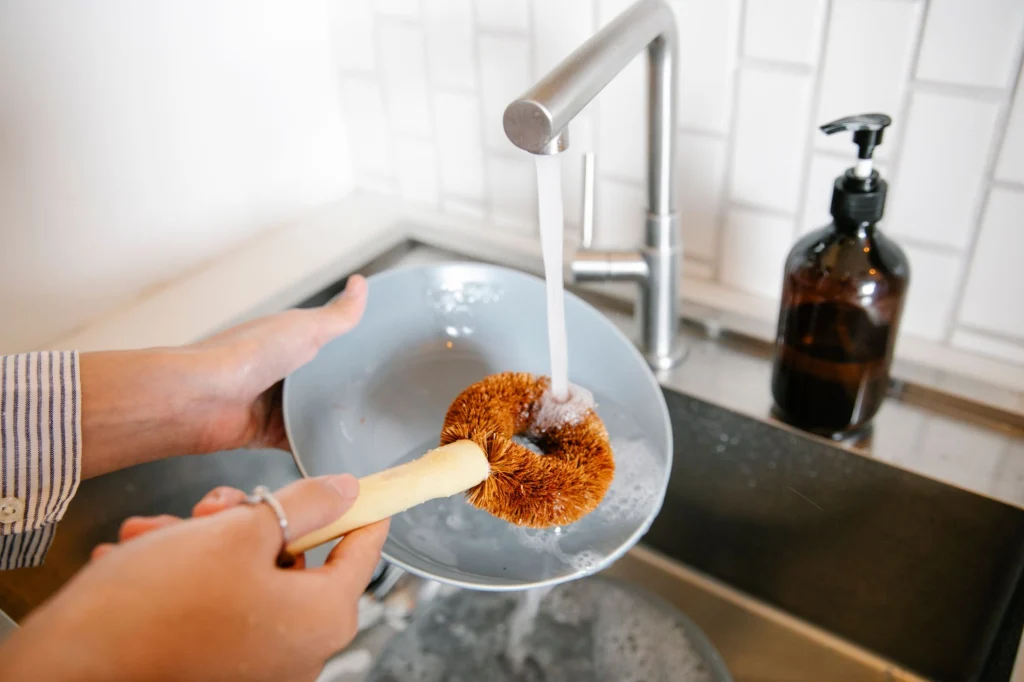
If your pet eats kibble, a quick rinse after each meal plus a thorough wash every day or two usually does the trick. Warm water and a drop of dish soap, worked into the grooves with a bottle brush or an old toothbrush, reaches the corners a sponge misses.
For Wet Food and Lick Mats
Wet food and toppings need more attention because moisture feeds bacteria fast. Wash after every use. Silicone mats and bowls can go in the top rack of the dishwasher, which is a reliable way to sanitize with high heat. Let everything air dry completely before the next meal, since trapped moisture is what bacteria love most.
For Raw Diets
If you feed raw food, treat the feeder like a cutting board used for raw meat. Wash with hot soapy water or the dishwasher after every meal, and keep it away from human dishes and food prep areas.
For a deeper walkthrough, see our step-by-step post on how to clean a slow feeder and lick mat.
A Simple Cleaning Schedule
| Food type | After each meal | Deep clean |
|---|---|---|
| Dry kibble | Rinse and brush out crumbs | Soap and hot water every day or two |
| Wet or mixed food | Full wash with soap or dishwasher | Weekly check for residue in corners |
| Raw food | Full wash with hot soapy water or dishwasher | Weekly inspection for scratches |
| Lick mat toppings | Full wash as soon as possible | Weekly soak if residue builds up |
Food Safety Beyond the Bowl
A spotless feeder only helps if the food going into it is handled safely too. A few everyday habits make a real difference.
Store Food Properly
Keep kibble in its original bag, which usually has a protective lining and the lot number and best-by date you would need in case of a recall. Place the bag inside a clean, airtight container, and store it somewhere cool and dry. Avoid garages or sheds that get hot in summer, since heat and humidity speed up spoilage.
Handle Wet Food With Care
Cover and refrigerate opened cans promptly, and use them within the time frame on the label. Throw away wet food your pet leaves in the feeder after a reasonable time rather than letting it sit out, especially on warm days.
Keep Scoops and Surfaces Clean
Use a dedicated scoop or measuring cup rather than the bowl itself to dig into the food bag, and wash it regularly. Wipe down the feeding area and the mat under the bowl, since spilled food attracts pests and bacteria.
Travel Smart
When you travel, pack a spare feeder and a small brush so you can keep up the cleaning routine on the road. Collapsible silicone bowls are handy for trips, and pre-measured meals in sealed bags make feeding simple.
Watch for Recalls
The FDA posts pet food recalls on its website. Checking occasionally, or signing up for alerts, is an easy way to stay informed about the food you use.
When to Replace a Slow Feeder
Even the best feeder does not last forever. Replace it if you notice cracks or chips, deep scratches or gouges, bite marks or missing pieces, warping from heat, a lingering odor that washing does not remove, or cloudy residue that will not come off. A well-cared-for stainless or silicone feeder can last for years, while plastic feeders used by enthusiastic eaters may need replacing more often.
Choosing a Safe Slow Feeder for Your Pet
Beyond material and cleaning, fit matters for safety. Flat-faced breeds like Pugs and Persians need shallow, wide patterns they can actually reach, while large dogs need sturdy, heavier bowls that will not slide or flip. Watch your pet the first few times to be sure the pattern challenges without frustrating them. Our guide on how to introduce a slow feeder can help.
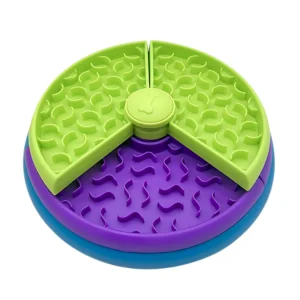
A gentle silicone option like our Slow Licking Mat is easy to sanitize and great for wet food, while the Interactive Licking Bowl combines pacing ridges with simple cleanup. For kibble, the Treat Maze Bowl and Triple Maze Feeder offer maze patterns that are easy to brush clean.

Get Your Free Slow Feeding Cheat Sheet
Everything in this article — plus portion charts, feeder comparisons and meal plans — in one printable PDF. A 15% discount code is included.
Frequently Asked Questions
Are slow feeders safe for every dog?
They are safe for most dogs, but supervise heavy chewers, who may try to bite off ridges, and choose a size and pattern that matches your dog. If your pet seems stressed rather than engaged, ease into it gradually.
Can I put my slow feeder in the dishwasher?
Silicone and stainless steel usually handle the dishwasher well, and many BPA-free plastic feeders are top-rack safe. Always check the label, and let the bowl dry fully afterward.
How often should I replace a slow feeder?
Replace any bowl that is cracked, deeply scratched, or warped, since damaged surfaces trap bacteria. A well-cared-for stainless or silicone feeder can last for years.
Are slow feeders safe for cats?
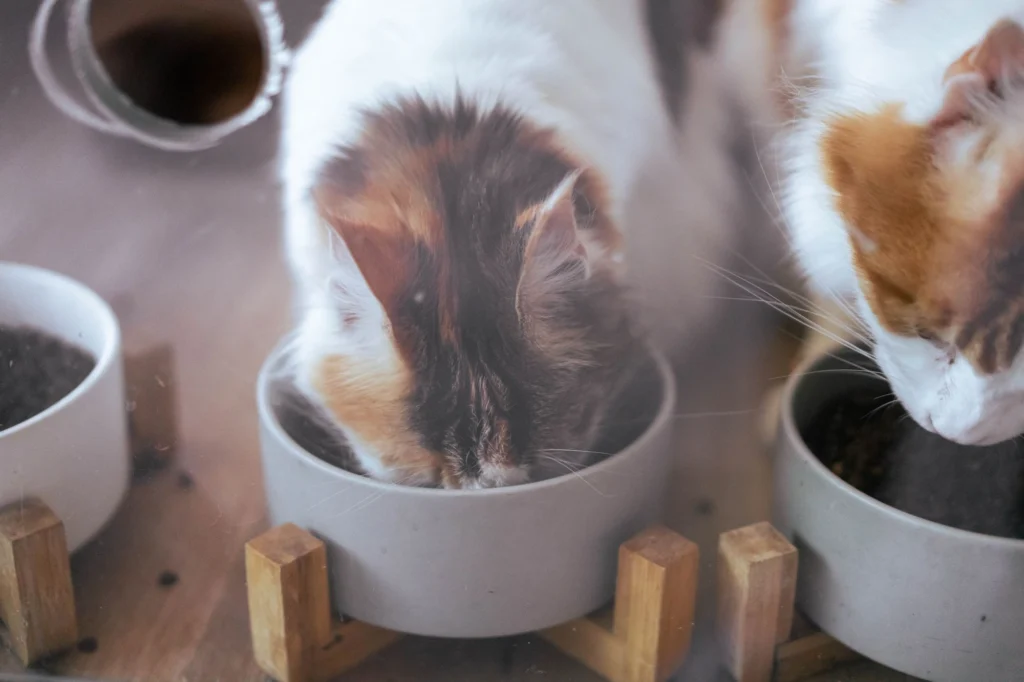
Yes. Choose a shallow, wide design so your cat can reach the food comfortably, and wash it often, since cats are sensitive to smells. See our guide to slow feeders for cats.
Keep Mealtime Safe and Enjoyable
So, are slow feeders safe? Absolutely, when you pick a quality BPA-free material, choose the right size, and commit to regular, thorough cleaning. Wash the grooves after messy meals, let everything dry completely, and replace worn feeders. Do that, and a slow feeder becomes one of the simplest tools for healthier, calmer mealtimes. Ready to find the right fit for your pet? Browse our full collection at the Pets Sparkle shop and give your best friend a safer way to eat.
Sources
The veterinary and animal-welfare resources referenced in this guide:

Digital marketing specialist at BrightSeen Marketing Agency. Turns veterinary research into clear, practical feeding guides for pet parents.
Mahmoud works for BrightSeen Marketing Agency, which looks after our SEO and GEO and Meta ads.
View all articles by Mahmoud