 Written by
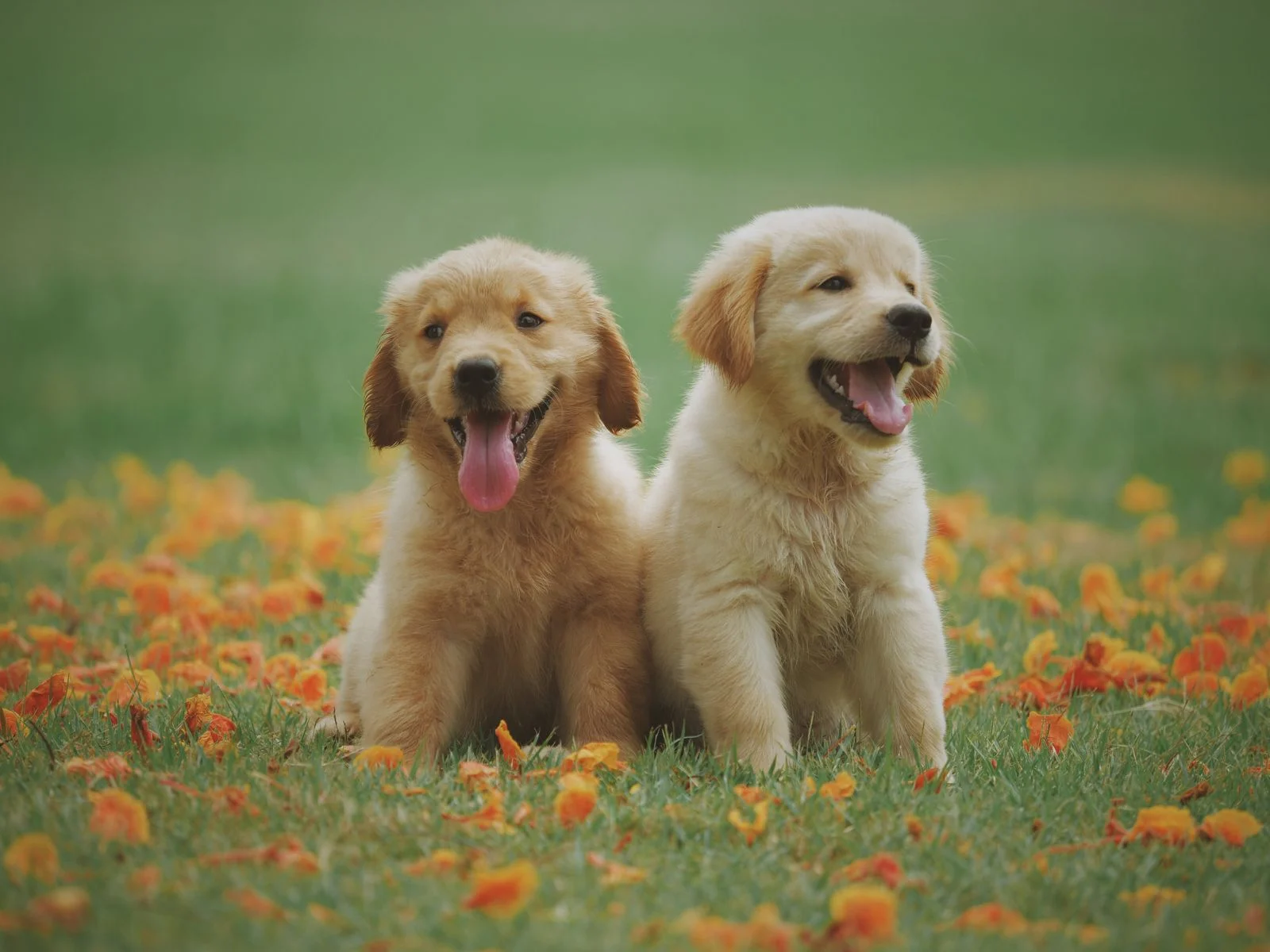
If your little dog or puppy inhales dinner in seconds, you are not alone. Small breeds and young pups are notorious for eating like they will never see food again, and that speed can lead to gagging, vomiting, and uncomfortable gas. The good news is that the right slow feeders for small dogs turn a frantic 10-second gulp into a calm, several-minute meal. In this 2026 guide, we will walk through what makes small dogs different, what to look for, our favorite picks, and how to match a feeder to your pint-sized eater.
Why Small Dogs Need a Slow Feeder
Tiny mouths and tiny stomachs come with big appetites. When a small dog eats too fast, they swallow a lot of air along with their kibble, which can cause burping, bloating, and that all-too-familiar puddle on the floor minutes later. The American Kennel Club notes that eating too quickly can lead to vomiting and discomfort, and slowing the pace with a slow-feeder bowl or food puzzle is one of the simplest fixes.
Slow feeders use ridges, mazes, and raised patterns to spread food out so your dog has to work around obstacles to reach each bite. For a Chihuahua, Yorkie, or Dachshund, this transforms mealtime into a mini brain game that satisfies natural foraging instincts. Beyond the physical benefits, that little burst of mental work tires out an energetic small dog, which can mean fewer zoomies and less begging between meals. If you are still deciding whether a slow bowl is right for you, our complete guide to slow feeder bowls breaks down the basics.
How to Pick the Right Slow Feeder for Your Pet
Get our expert cheat sheet delivered to your inbox — plus an exclusive 15% discount code for your first order.
What Makes Small Dogs Different
Small dogs are not simply large dogs in miniature, and their feeding needs reflect that.
Faster Metabolism, Smaller Portions
Small breeds burn energy quickly for their size, yet their actual portions are tiny, often well under a cup a day. That means a few extra kibbles or treats represent a much bigger share of their daily calories than they would for a Labrador.
Toy-Breed Puppies Need Regular Meals
Very small puppies, such as young Chihuahuas, Yorkies, and Toy Poodles, can be prone to low blood sugar if they go too long without eating. For them, a slow feeder should be easy enough that they always finish their meal. Never let a puzzle become so hard that a tiny puppy gives up and skips food.
Crowded Mouths and Delicate Teeth
Small breeds often have crowded teeth and are prone to dental problems. Gentle, soft materials and patterns that encourage licking rather than hard biting are kind to little mouths.
Short Legs and Flat Faces
Dachshunds, Corgis, and Shih Tzus have low reach, and flat-faced breeds cannot dig into deep channels. Shallow, low-profile designs matter more for these dogs than for almost any other group. Our guide to slow feeders for flat-faced dogs covers Pugs and Frenchies in detail.
What to Look for in a Small-Dog Slow Feeder
Not every slow feeder suits a small breed. A bowl designed for a Labrador will have ridges spaced too far apart to slow down a Maltese. Here is what matters most for little eaters.
Ridge Spacing and Depth
Look for closely spaced, shallow-to-medium ridges. Narrow channels force small tongues and muzzles to slow down without frustrating your dog into giving up.
Bowl Size and Height
Choose a low-profile bowl that a short-legged dog can reach comfortably. Flat-faced breeds like Pugs and Shih Tzus need extra-shallow patterns so they can actually pick up the food.
Safe, Easy-Clean Materials
Food-grade, BPA-free materials are the standard. The FDA regulates substances that come into contact with food, so stick with products that clearly state they are non-toxic and dishwasher safe. A dishwasher-safe base makes daily cleanup painless. Our comparison of silicone, plastic, and stainless steel feeders explains the trade-offs.
Non-Slip Base
Small dogs can push a lightweight bowl clear across the kitchen. A grippy bottom or suction feet keep the feeder in place so your pup works for the food, not against a sliding dish.
Our Top Slow Feeder Picks for Small Dogs and Puppies
These feeders from the Pets Sparkle shop are sized and shaped with smaller mouths in mind.
Interactive Licking Bowl
The Interactive Licking Bowl pairs a slow-feeder base with a textured licking surface, making it ideal for wet food, raw, or softened kibble. The licking action is naturally calming, which is perfect for excitable pups and anxious little dogs alike.
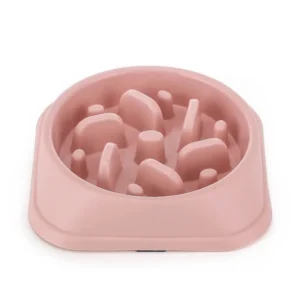
Treat Maze Bowl
The Treat Maze Bowl uses a gentle maze pattern that suits small dogs and cats. It slows dry kibble effectively while still being easy for a tiny tongue to navigate, so your dog stays engaged instead of frustrated.
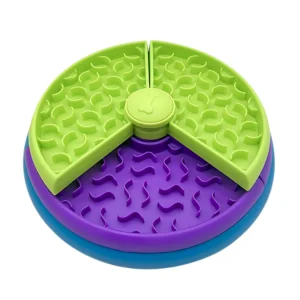
Slow Licking Mat
For the fastest gulpers and teething puppies, a Slow Licking Mat spread with a thin layer of wet food or a vet-safe topping can stretch a meal to 10 minutes or more. It doubles as a soothing distraction during bath time, nail trims, or noisy July 4th fireworks. Our list of vet-safe lick mat toppings has plenty of ideas.
Pawzzle Feeder Ball
For small dogs with big energy, the Pawzzle Feeder Ball turns a handful of kibble into a chase-and-forage game. It is best for part of a meal or a snack, and it keeps a busy terrier happily occupied.
Quick Comparison
| Feeder | Best for | Food type |
|---|---|---|
| Interactive Licking Bowl | Excitable or anxious small dogs | Wet, raw, softened kibble |
| Treat Maze Bowl | Everyday kibble meals | Dry kibble |
| Slow Licking Mat | Extreme gulpers, teething puppies | Wet food, spreads |
| Pawzzle Feeder Ball | High-energy terriers | Small kibble, treats |
Slow Feeders for Puppies: A Few Extra Tips
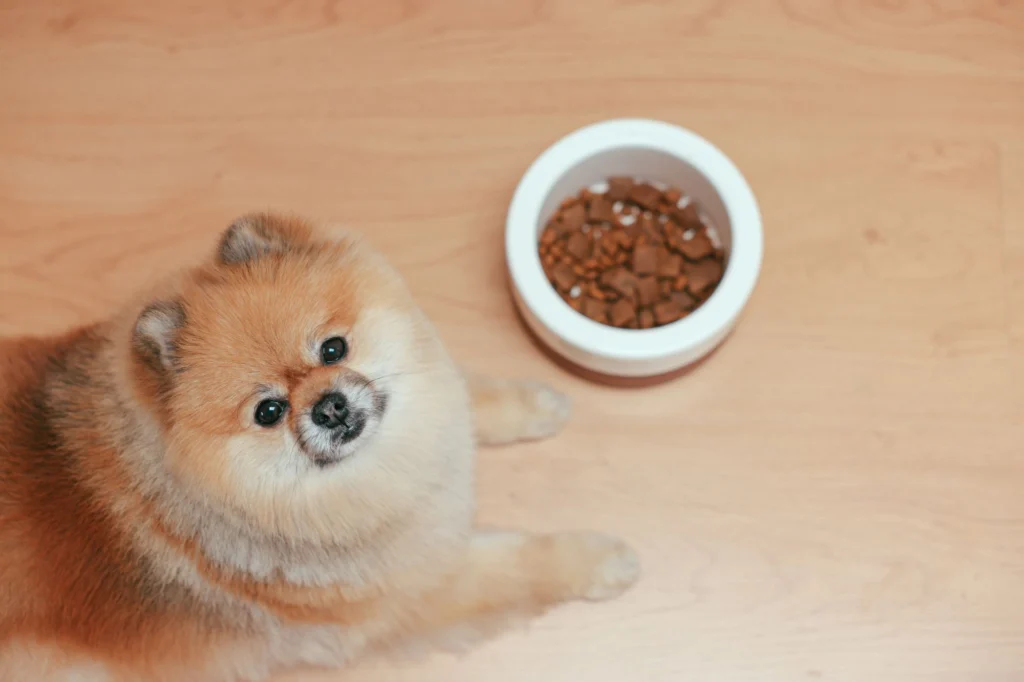
Puppies are enthusiastic eaters and fast learners, which makes them great candidates for slow feeding. Start with a shallow pattern so your puppy does not get discouraged, and always supervise early meals. Introduce the bowl gradually by placing a few pieces of kibble in the easy-to-reach channels first. Because puppies eat several small meals a day, a slow feeder helps establish healthy pacing habits from the start. For step-by-step help, see our post on how to introduce a slow feeder, and our full guide to slow feeders for puppies.
Portion Control for Little Dogs
Keep an eye on portion sizes, too. Small breeds are prone to weight gain, and it is easy to overfeed a dog that acts hungry all the time. Measure meals with a standard cup or, better still, a kitchen scale rather than eyeballing them, and slow feeders will help your dog feel satisfied on the right amount of food. Count treats as part of the daily total, and use pieces of the regular kibble as training rewards when you can.
If you are ever unsure about how much to feed, your veterinarian can help you set a healthy target, and the AAHA nutrition guidelines call for individualized feeding recommendations. Our guide to portion control for dogs walks through the basics.
Setting Up a Calm Feeding Spot
Small dogs are easily startled, and a busy kitchen can turn mealtime into a nervous dash. Where you feed your little one can make a slow feeder far more effective.
Pick a Quiet Corner
Choose a low-traffic spot away from doorways, the dishwasher, and noisy appliances. A calm dog eats at a calmer pace, and a predictable location helps anxious small breeds relax.
Separate From Bigger Pets
If your small dog lives with a larger dog or cats, feed it in a separate room or behind a baby gate. Little dogs often gulp because they are worried a bigger housemate will take their food. Our guide to feeding multiple dogs in one household has more tips.
Use a Mat Underneath
A small silicone or rubber mat under the feeder stops sliding on hard floors and catches stray kibble. It also makes cleanup quicker after wet meals.
Keep the Routine Consistent
Feed at the same times each day, in the same place, with the same feeder. Small dogs thrive on routine, and a consistent schedule reduces the anxious, frantic eating that often comes from not knowing when the next meal will arrive.
Watch the Weather
Tiny dogs lose heat quickly in a drafty Northeast winter and can overheat in a sunny Southern kitchen in July. Keep the feeding spot away from cold drafts, heating vents, and direct sun so your dog is comfortable enough to settle in and eat slowly.
Cleaning and Care
Small feeders have small grooves, and those tight spaces trap food fast. Rinse after every meal, wash with warm soapy water or on the top rack of the dishwasher, and use a small brush to reach the channels. Wash lick mats and licking bowls after every use, since wet food spoils quickly. Replace any feeder with deep scratches or cracks. Our step-by-step cleaning guide keeps the routine quick.
Get Your Free Slow Feeding Cheat Sheet
Everything in this article — plus portion charts, feeder comparisons and meal plans — in one printable PDF. A 15% discount code is included.
Frequently Asked Questions
Are slow feeders safe for very small dogs?
Yes, as long as you pick a bowl with shallow, closely spaced ridges sized for small mouths. Avoid deep mazes designed for large breeds, and always supervise the first few meals to make sure your dog can comfortably reach the food.
How long should a meal take in a slow feeder?
A good target is around 5 to 10 minutes, versus the few seconds many small dogs take with a regular bowl. If your dog finishes in under a minute, try a bowl with tighter channels or a licking mat.
Can puppies use slow feeders while teething?
Absolutely. Soft silicone licking mats are especially gentle on sore gums, and the licking action can soothe a teething puppy. Just choose food-safe materials and supervise chewing.
My small dog walks away from the slow feeder. What now?
Make it easier. Fill only the open channels, add a spoonful of wet food, or switch to a lick mat for a week before returning to the maze. For toy breeds, always make sure the meal actually gets eaten.
Find the Right Slow Feeder for Your Little One
The best slow feeder is the one your small dog or puppy will actually use meal after meal. Match the ridge spacing and bowl height to your pup, keep portions sensible, and enjoy watching a frantic eater turn into a happy, engaged one. Ready to slow things down? Browse the full Pets Sparkle collection of slow feeders and enrichment bowls and pick the perfect fit for your small dog today.
Sources
The veterinary and animal-welfare resources referenced in this guide:

Digital marketing specialist at BrightSeen Marketing Agency. Turns veterinary research into clear, practical feeding guides for pet parents.
Mahmoud works for BrightSeen Marketing Agency, which looks after our SEO and GEO and Meta ads.
View all articles by Mahmoud