 Written by
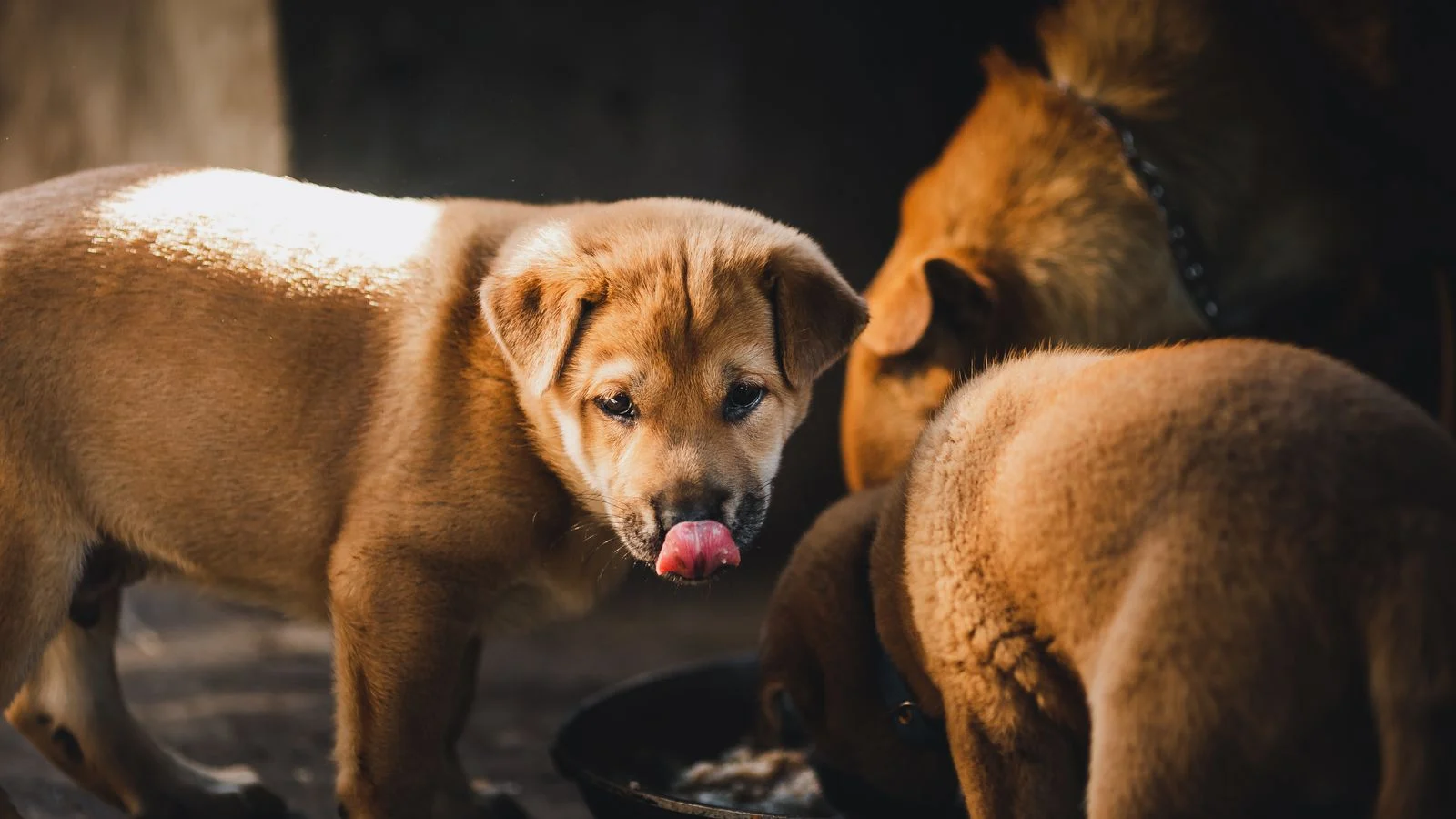
Life with more than one dog is twice the love, but mealtime can turn into a competition fast. One dog gulps and then muscles in on another’s bowl, a fast eater bullies a slow one, or a nervous pup skips meals to avoid conflict. If any of this sounds familiar, you are not alone. With a few smart strategies, feeding multiple dogs can become calm, fair, and stress-free for everyone, humans included. Here is how to stop food stealing and fast eating for good, with practical setups for homes of every size.
Why Multi-Dog Mealtimes Get Tense
Dogs are social animals with a natural instinct to compete over resources, and food is the biggest resource of all. When several dogs eat together, faster eaters learn they can finish first and then help themselves to a neighbor’s bowl. Slower or more timid dogs may rush their own food out of worry, or give up and walk away hungry.
Left unmanaged, this can lead to real problems: resource guarding, weight issues from uneven eating, digestive upset from gulping, and even fights. The American Veterinary Society of Animal Behavior (AVSAB) recommends reward-based methods over punishment for behavior problems, and preventing competition and managing the environment is far more effective and humane than punishing dogs for behavior that comes naturally to them. The goal is a setup where no dog feels the need to compete.
Slow Feeding for Anxious, Reactive & Senior Pets
Get our expert cheat sheet delivered to your inbox — plus an exclusive 15% discount code for your first order.
Warning Signs of Mealtime Tension
Dogs usually communicate discomfort long before a scuffle. Watch for:
- A dog freezing or stiffening over its bowl when another dog approaches
- Hard stares, raised lips, or a low growl
- Suddenly eating faster when another dog comes near
- One dog hovering near another’s bowl or waiting for them to leave
- A dog leaving food behind, eating in bursts, or refusing to eat
- Weight gain in one dog and weight loss in another
Any of these means it is time to create more space and structure at mealtime.
Feed Dogs Separately
The single most effective fix is simple: feed each dog in its own space. Separation removes the competition entirely, so every dog can eat at its own pace without worrying about a bowl raider.
Use Different Rooms or Crates
Feed dogs in separate rooms, in their own crates, or on opposite sides of a baby gate. Crate feeding is especially helpful for fast eaters and resource guarders, giving each dog a safe, private spot. Many dogs quickly learn to head to their own area at mealtime once the routine is set.
Supervise Every Meal
Even with separation, stay present until you know the routine is solid. Supervision lets you step in before any bowl-stealing starts and confirm every dog finishes its own portion. Pick up bowls right after meals so there is nothing left to squabble over.
Feeding Station Setups That Work
| Setup | Best for | Tips |
|---|---|---|
| Separate rooms | Guarding or high tension | Close doors until all dogs finish and bowls are up |
| Crates | Fast eaters, crate-trained dogs | Keep crates a positive place, never a punishment |
| Baby gates | Mild tension, smaller homes | Place bowls well back from the gate |
| Spaced bowls in one room | Relaxed dogs with no history of guarding | Face bowls away from each other and supervise |
If you are switching from a shared feeding area, move one step at a time. Start by spacing bowls farther apart, then introduce a gate or crate for the dog who finishes first, and finally move to separate rooms if tension continues. Use the same spot for each dog every day so the routine becomes automatic.
Slow Down the Fast Eaters
A dog that inhales food in seconds is more likely to then target a slower dog’s bowl. Slowing that fast eater helps on two fronts: it protects digestion and it keeps everyone eating at a more even pace, which reduces conflict.
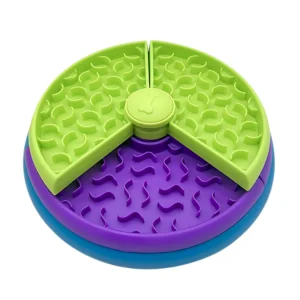
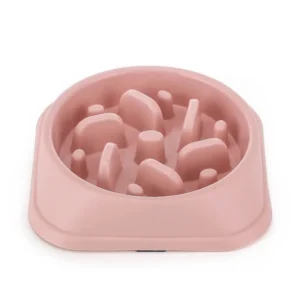
Slow feeders and puzzle feeders are perfect here. The Triple Maze Feeder turns a thirty-second scramble into several minutes of nosing and licking, giving a slower housemate time to finish in peace. For an extra dose of mental work, the Brainy Puzzle Feeder keeps a busy dog focused on its own challenge instead of the dog next door. If you are new to these tools, our guide on how to introduce a slow feeder makes the switch easy, and our list of signs your dog eats too fast helps you spot who needs one most.
Give Each Dog a Job at Mealtime
Puzzle and treat-dispensing feeders do more than slow eating, they give each dog its own absorbing task so attention stays on its own bowl. A tool like the Pawzzle Feeder Ball keeps an energetic dog happily busy in its own space, which cuts down on the roaming and bowl-checking that leads to stealing. Rotating a couple of feeders also keeps mealtime interesting for a bright, food-motivated dog.
Keep Portions Fair and Tracked
When dogs eat together, it is hard to know who ate what. Feeding separately lets you measure each dog’s portion to its own size, age, and activity level, which matters even more if one dog needs to lose weight or another needs a special diet. AAHA feeding guidance flags free-choice feeding and food competition as factors that can undermine a feeding plan, which is why portioned meals work best in multi-dog homes where one dog can easily overeat.
Measure each meal with an actual measuring cup or a kitchen scale, and keep an eye on body condition over time. If one dog is on a therapeutic or weight-management food, separation ensures the others do not sneak bites they should not have. Our portion control guide explains how to set each dog’s amount.
Dogs of Different Sizes and Ages
Mixed households add extra challenges. A large dog can finish a small dog’s meal in one gulp, and that meal is a big share of the small dog’s daily nutrition. A puppy’s growth food is rich and tempting to adult dogs, while a senior’s softened or prescription food may not suit a younger housemate. In these homes, full separation is especially important. Feed the smallest or slowest dog first in a protected space, or use a gate with a gap only the small dog can fit through. Senior dogs who eat slowly or need softened food deserve a quiet, private spot where they will not be rushed.
Treats and Chews Need Rules Too
Food bowls are not the only trigger. Long-lasting chews, stuffed toys, and lick mats are extremely valuable to dogs and can spark more guarding than regular meals. Give high-value items in separate spaces, such as crates or different rooms, and pick up leftovers when the session ends. When handing out quick treats, ask each dog for a sit and reward them one at a time by name, so no one feels the need to push in.
Build a Calm, Consistent Routine
Dogs thrive on predictability. Feed at the same times and in the same spots each day so every dog knows exactly what to expect. A steady routine lowers the anxiety that fuels competition. Ask dogs to sit calmly before bowls go down, which sets a relaxed tone and reinforces that good things come with patience, not pushiness. Some families serve dogs in the same order each time, which helps everyone settle.
Keep your own energy calm too. Rushing and fussing can rev dogs up, so move slowly and deliberately. Over time, a reliable routine turns chaotic mealtimes into a smooth, orderly part of the day. Our guide to calming an anxious dog at mealtimes shares more ideas for sensitive dogs.
If a Scuffle Breaks Out
Never reach between fighting dogs with your hands. Make a loud noise, use a barrier such as a baby gate, chair, or board to separate them, and then give everyone time apart to calm down. Check each dog for injuries once things are quiet. Any fight over food is a sign the setup needs to change, and repeated tension calls for help from a qualified trainer or veterinary behaviorist who uses reward-based methods.
Get Your Free Slow Feeding Cheat Sheet
Everything in this article — plus portion charts, feeder comparisons and meal plans — in one printable PDF. A 15% discount code is included.
Frequently Asked Questions
What is the best way to stop one dog stealing another’s food?
Feed dogs in separate rooms, crates, or behind a gate so there is no shared access, and supervise until the routine is solid. Pick up bowls as soon as each dog finishes. Slowing down fast eaters with a slow feeder also reduces the urge to raid a neighbor’s bowl.
Can I feed my dogs in the same room if they get along?
Some peaceful households manage it, but even friendly dogs can develop guarding over time. Spacing bowls well apart and supervising helps, though separate spaces remain the safest, lowest-stress option for feeding multiple dogs.
How do I manage feeding when dogs need different diets?
Separation is essential here. Feed each dog its own measured, appropriate food in its own space, and remove bowls promptly so no one samples a diet meant for another dog. This protects dogs on weight-management or prescription foods.
Should I leave water bowls out for everyone?
Yes. Fresh water should always be available. In homes with tension, place more than one water bowl in different areas so no dog has to pass another to drink.
How do I introduce a new dog to the feeding routine?
Start the new dog in its own separate space from day one, even if everyone seems friendly. Once you know how each dog behaves around food, you can adjust. It is much easier to relax rules later than to fix guarding after it starts.
My older dog stopped eating since we got a puppy. What should I do?
The older dog may feel pressured by a bouncy puppy. Feed the senior in a quiet room with the door closed or behind a gate, and crate or gate the puppy at mealtimes. If your older dog still is not eating after a day, call your vet.
Peaceful Mealtimes Are Within Reach
Feeding multiple dogs does not have to mean stress, stealing, or bolted-down food. With separate spaces, slower feeders, fair portions, and a calm routine, every dog can enjoy a relaxed, healthy meal. Start with one change this week and build from there. When you are ready to make mealtimes smoother, explore our slow feeders and puzzle feeders in the Pets Sparkle shop and bring more calm to your multi-dog home.
Sources
The veterinary and animal-welfare resources referenced in this guide:

Digital marketing specialist at BrightSeen Marketing Agency. Turns veterinary research into clear, practical feeding guides for pet parents.
Mahmoud works for BrightSeen Marketing Agency, which looks after our SEO and GEO and Meta ads.
View all articles by Mahmoud