 Written by
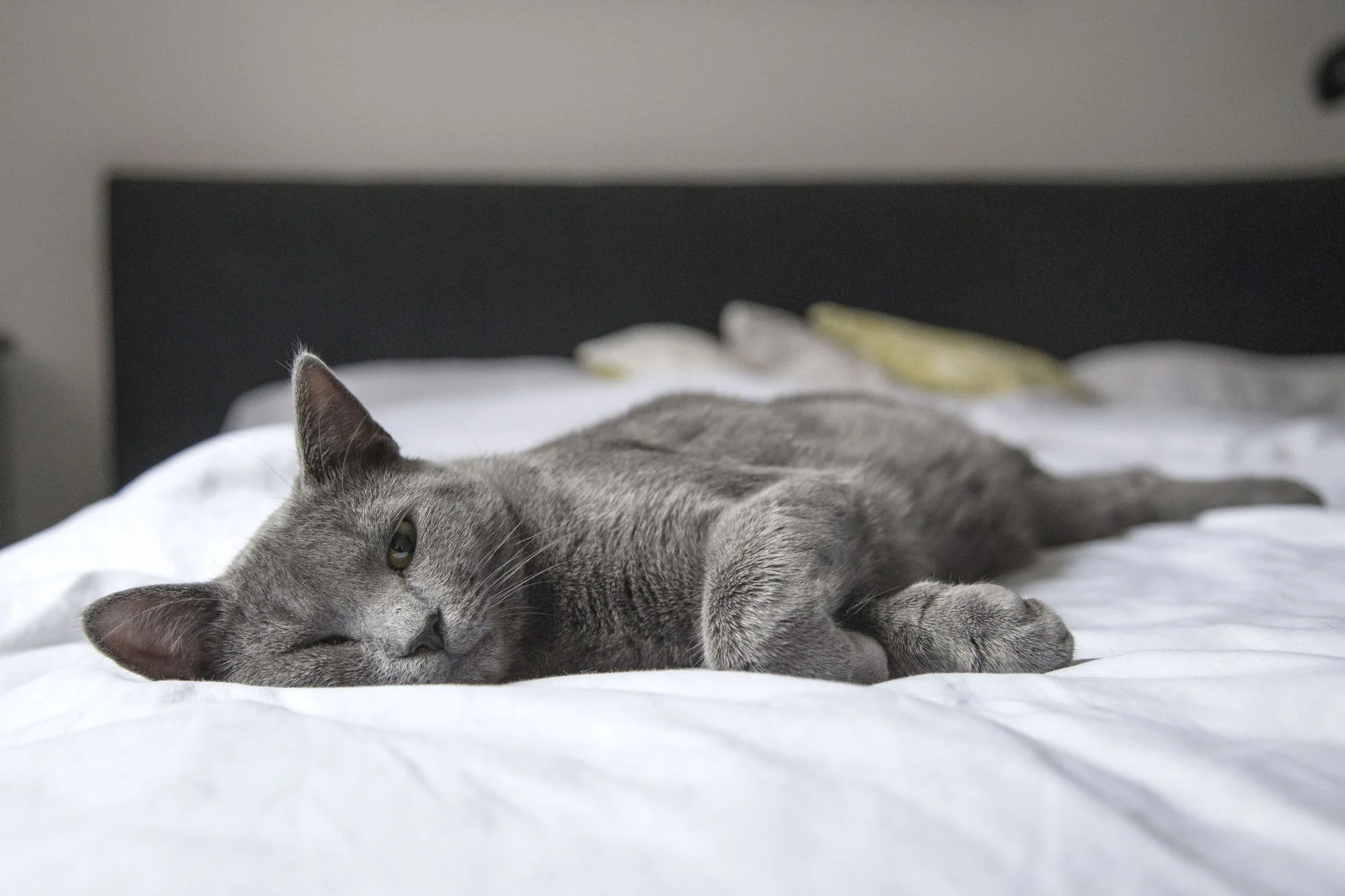
If your cat has quietly started sleeping more, hesitating before jumping onto the counter, or leaving food in the bowl she used to polish off in minutes, mealtime might be part of the story. Thanks to better nutrition and veterinary care, it is increasingly common for cats to live well into their late teens, and many of the small, easy-to-miss changes of aging show up first at the food bowl.
The good news is that a few thoughtful adjustments to how and what you feed an older cat can make a real difference in her comfort, appetite, and quality of life. Here is what changes as cats age, the signs worth watching for, and which slow feeding tools actually help versus which ones can make mealtime harder.
How Aging Changes the Way a Cat Eats
Cats rarely announce that eating has become uncomfortable. Built to hide vulnerability, they simply adapt quietly instead. A few common age-related changes affect mealtime specifically.
Slow Feeding for Anxious, Reactive & Senior Pets
Get our expert cheat sheet delivered to your inbox — plus an exclusive 15% discount code for your first order.
Dental disease. The Cornell Feline Health Center notes that dental disease is very common in cats, with studies reporting that between 50 and 90 percent of cats older than four are affected. Sore gums, resorptive lesions, or missing teeth can make crunching through kibble in a standard bowl genuinely painful.
Arthritis. Osteoarthritis is far more common in senior cats than most owners realize. A cat who seems to be merely “slowing down” may actually be managing joint pain in the neck, shoulders, or hips, making it harder to lower her head into a deep bowl or maneuver a bulky puzzle feeder.
A duller sense of smell. Aging can reduce a cat’s sense of smell, which plays an outsized role in whether she is interested in food at all.
Feline cognitive dysfunction (FCD). Similar to dementia in people, FCD can affect memory and routine recognition, sometimes making mealtime feel confusing rather than comforting for a cat who once knew exactly what to expect.
None of this means your senior cat needs to eat less or enjoy mealtime less. It usually just means her tools and setup need to catch up with her.
Signs Your Senior Cat May Need a Mealtime Adjustment
- Leftover food in the bowl she used to finish completely
- Approaching food and then walking away, or dropping kibble while chewing
- Favoring one side of her mouth while eating
- Reluctance to lower her head fully into a deep or narrow bowl
- Eating noticeably less at the same bowl she has used for years
- Meowing around mealtime in a way that seems confused rather than hungry, which can be an early FCD sign
If you notice several of these together, a veterinary checkup is the right first step. VCA Animal Hospitals notes that cats instinctively hide pain, so subtle changes such as eating less can be an early clue that something hurts.
Why Lick Mats Often Beat Deep Bowls and Puzzle Toys for Older Cats
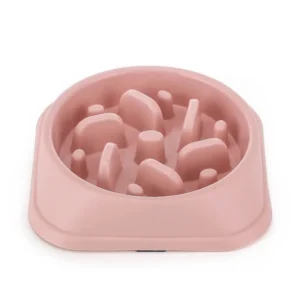
For younger, healthy cats, puzzle feeders and maze bowls are wonderful for slowing down fast eaters and adding mental stimulation. For many senior cats, though, those same tools can ask more of stiff joints, sore teeth, or a tired mind than is fair.
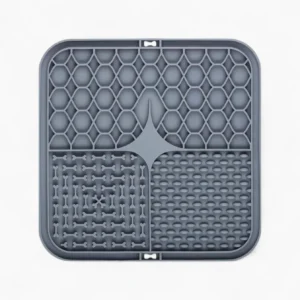
A lick mat, like our Slow Licking Mat, asks a cat to use her tongue rather than her teeth, which is far more comfortable for a cat with dental pain and does not require the head-down, paw-swiping motion of a raised maze puzzle. The wide, shallow surface also means she does not have to crane her neck at an awkward angle the way she might over a deep bowl.
A low-profile option like our Interactive Licking Bowl suits cats who still enjoy “working” for their food but need something gentler than a hard plastic maze. Its shallow, multi-angle design is kinder to hip or shoulder arthritis than a bowl she has to hunch over.
Choosing the Right Feeder Height and Texture
A few practical points to look for when shopping for a senior cat:
- Bowl height and angle: stiff necks and sensitive whiskers both benefit from wide, shallow dishes rather than tall or narrow ones.
- Material and texture: soft silicone lick mats are gentler on sore gums than hard plastic ridges.
- Stability: a feeder that slides across the floor is frustrating for a cat with less physical control, so look for a non-slip base.
- Easy cleaning: senior cats are more prone to digestive sensitivity, so a feeder that is dishwasher-safe or simple to hand-wash matters more than ever.
Cold Weather Can Make Joint Pain Worse
If you live somewhere with real winters, such as New England, the Upper Midwest, or the Rockies, you may notice your senior cat’s stiffness worsen as temperatures drop, much like arthritis in people. Keeping the feeding area on soft, non-slip flooring away from cold drafts, and choosing a shallow feeder that does not require a full crouch, can help from November through March.
Routine Matters More With Cognitive Changes
For cats showing early signs of feline cognitive dysfunction, consistency is one of the kindest things you can offer. Feed at the same times, in the same spot, with the same feeder, whenever possible. A sudden change, like a new bowl shape or location, can be more disorienting for a cognitively changing senior cat than for a younger one. If you do want to introduce a gentler feeder, transition gradually over a week or two rather than swapping bowls overnight.
Hydration Matters Even More With Age
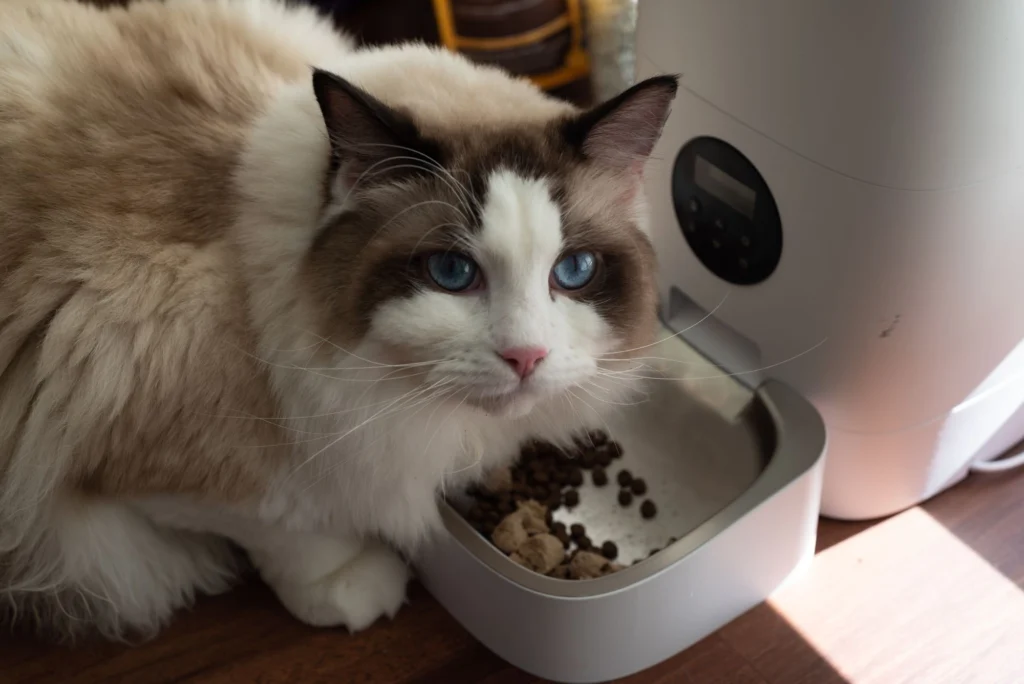
Many cats are naturally low drinkers, and older cats are more prone to conditions such as kidney disease where good hydration really matters. Mealtime is one of the easiest places to add water to your senior cat’s day. Wet food contains far more moisture than kibble, and serving it on a lick mat encourages slow, steady eating. You can also ask your vet about adding a little warm water to wet food to make a gravy-like texture that many seniors enjoy.
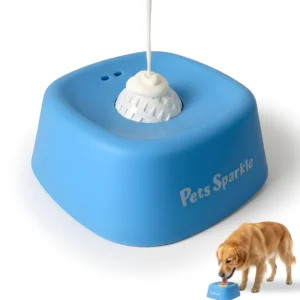
Beyond meals, place water bowls in several easy-to-reach spots around the house, especially on the floor your cat spends most time on. Wide, shallow water bowls avoid whisker discomfort, and some cats drink more from a pet water fountain. Watch for changes in drinking, too. A senior cat that suddenly drinks much more than usual should see the vet, since increased thirst can be an early sign of several common age-related conditions.
Watch Weight in Both Directions
Middle-aged cats often gain weight, but many older cats start to lose it, sometimes gradually enough that it is easy to miss under their fur. Weight loss in a senior cat can be linked to dental pain, reduced sense of smell, or medical conditions, so it is always worth mentioning to your vet. A simple monthly weigh-in at home, using the “weigh yourself, then weigh yourself holding your cat” method or a baby scale, helps you spot trends early. If your senior cat is carrying extra weight, our guide to helping an overweight cat slim down explains how to do it gently, since cats should never lose weight quickly.
Medications and Mealtime
Many seniors take daily medications or supplements, and mealtime is often when they are given. If your cat’s medication can be mixed with food, give it in a small portion first, in a regular dish, so you can confirm it has been eaten before serving the rest of the meal on a lick mat or in a slow feeder. Ask your vet whether pills can be hidden in food or crushed, since some should not be. Never add human supplements or new foods to a senior’s diet without checking first, especially if your cat has a diagnosed condition.
Senior Cats in Multi-Cat Homes
Older cats are often the ones who lose out when younger, faster housemates share mealtimes. A senior who eats slowly or needs a special diet should have her own feeding station in a quiet spot where she will not be rushed or pushed aside. Closing a door during meals or using a microchip feeder can protect both her portion and any prescription food. Our guide to feeding multiple cats in one household covers practical setups.
Simple Mealtime Adjustments That Help Right Away
- Switch to a wide, shallow bowl or lick mat instead of a deep dish
- Split meals into smaller, more frequent portions if her appetite has dropped
- Warm wet food slightly to boost aroma for a cat with a dulled sense of smell
- Keep the feeding station in a warm, quiet, easy-to-reach spot, and skip stairs if joints are sore
- Schedule a veterinary wellness and dental check at least once a year, twice a year for cats over 10, in line with senior care guidance from the American Animal Hospital Association (AAHA)

Get Your Free Slow Feeding Cheat Sheet
Everything in this article — plus portion charts, feeder comparisons and meal plans — in one printable PDF. A 15% discount code is included.
Frequently Asked Questions
At what age is a cat considered a senior?
Current feline life stage guidelines from the American Association of Feline Practitioners (AAFP) and AAHA describe cats aged about 7 to 10 as mature adults and cats over 10 as seniors. Every cat ages differently, so your vet may suggest senior-style care earlier or later depending on your cat’s health.
Are lick mats safe for cats with kidney disease or other health conditions?
A lick mat is simply a feeding surface, so what matters most is what goes on it. Talk with your veterinarian about the right wet food or prescription diet portions for a senior cat with a diagnosed condition before using a lick mat as her regular feeding method.
My senior cat has almost no teeth left. Can she still use a slow feeder?
Yes. A soft silicone lick mat topped with wet or pureed food is often the most comfortable option for cats with significant tooth loss, since it does not require chewing or biting at all.
How do I know if it is arthritis or just “old age”?
Only a veterinarian can diagnose arthritis, but changes like reluctance to jump, stiffness after resting, or hesitation at the food bowl are worth mentioning at her next visit. Feline arthritis is very manageable when caught early.
Give Your Senior Cat an Easier, Gentler Mealtime
Aging does not have to mean mealtime becomes a struggle, for your cat or for you. A few small changes to the shape, height, and texture of her feeder can ease pressure on sore teeth and joints while keeping meals engaging and comforting.
Browse our full collection of slow feeders and lick mats to find the right fit for your senior cat, including the Slow Licking Mat and Interactive Licking Bowl mentioned above.
Sources
The veterinary and animal-welfare resources referenced in this guide:

Digital marketing specialist at BrightSeen Marketing Agency. Turns veterinary research into clear, practical feeding guides for pet parents.
Mahmoud works for BrightSeen Marketing Agency, which looks after our SEO and GEO and Meta ads.
View all articles by Mahmoud