 Written by
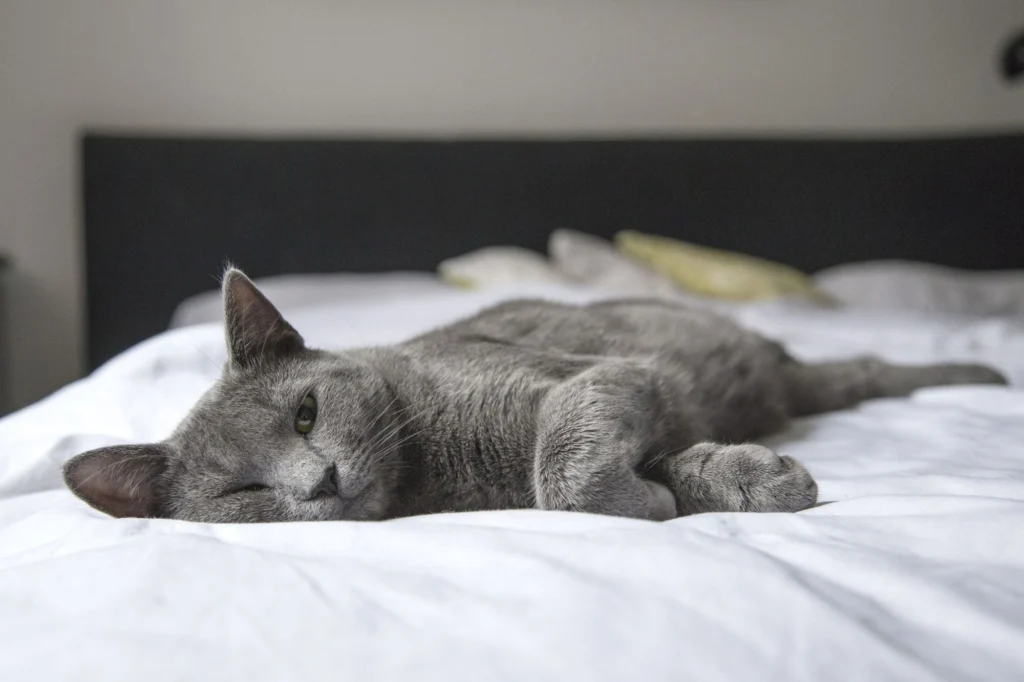
Indoor life keeps cats safe from cars, predators, and disease, but it can also get a little boring. A cat with nothing to do may overeat, sleep the day away, scratch the furniture, or turn cranky. The fix is not more space, it is more to do. Thoughtful indoor cat enrichment gives your cat outlets for natural behaviors like hunting, pouncing, climbing, and problem-solving, and mealtime is one of the easiest places to start. Here is how to beat boredom for good, with ideas for every budget, age, and schedule.
Why Enrichment Matters for Indoor Cats
Cats are hardwired hunters. In the wild, a cat spends much of its waking day stalking, chasing, and working for many small meals. Indoors, dinner arrives in a bowl in seconds, which leaves all that energy with nowhere to go. The ASPCA notes that enrichment is essential for cats of all ages, and that making mealtime interactive is a great way to satisfy their natural instincts. AAHA adds that for cats, food-dispensing toys are valuable mainly for enrichment and behavior.
Think of enrichment as preventive care for your cat’s mind, just as important as regular vet visits and good nutrition. A busy cat is a calmer, happier, better-behaved companion.
Slow Feeding for Anxious, Reactive & Senior Pets
Get our expert cheat sheet delivered to your inbox — plus an exclusive 15% discount code for your first order.
Signs Your Indoor Cat Is Bored
When a cat’s needs go unmet, the signs can show up in many ways:
- Overeating, begging, or gaining weight
- Sleeping far more than usual, even for a cat
- Overgrooming or bald patches (always check with your vet)
- Scratching furniture, knocking things off counters, or chewing plants
- Ambushing ankles or play that turns rough
- Yowling for attention, especially at night
- Tension or fighting with other cats in the home
Several of these can also have medical causes, so mention sudden changes to your veterinarian. For many cats, though, more enrichment makes a clear difference within a few weeks.
Turn Mealtime Into a Hunt
The single most powerful form of indoor cat enrichment is making your cat work a little for food. Instead of a full bowl, use puzzle feeders and slow feeders that require nosing, pawing, and thinking. This satisfies the hunting drive, slows down fast eaters, and adds valuable mental exercise to every meal.
The Treat Maze Bowl turns a measured portion into a rewarding puzzle your cat has to work through, while the Interactive Licking Bowl encourages a slower, more satisfying pace that many cats find soothing. For wet food, a Slow Licking Mat turns a small portion into a calm licking session; see our guide to lick mats for cats. You can also scatter a few pieces of kibble around a room so your cat has to seek them out, tapping into that natural search-and-pounce sequence. For more ideas, see our guide to cat puzzle feeders and our slow feeders for cats guide.
Create Foraging Stations
Instead of one bowl in one place, split part of the daily food between two or three small feeders in different rooms or at different heights, such as one on the floor and one on a cat tree platform. Your cat has to travel and search, which adds movement and mimics the way cats naturally find several small meals a day.
Rotate to Keep It Fresh
Cats love novelty. Rotate feeders, hiding spots, and toys every week or two so mealtime never feels stale. Even changing where you place a puzzle feeder can reignite your cat’s interest. Store a few toys away and bring them back later, and they will feel brand new.
Easy DIY Food Puzzles
You do not need to spend much to start. Try these simple household puzzles:
- Egg carton hunt: Drop kibble into the cups of a clean cardboard egg carton.
- Toilet-roll pyramid: Glue empty paper rolls upright in a box and hide kibble inside for paw-fishing.
- Muffin tin: Place a few pieces in each cup, and cover some with ping-pong balls for an extra challenge.
- Box with holes: Cut paw-sized holes in a small box and drop treats inside.
- Paper bag surprise: Toss a few kibbles into a paper bag with the handles removed.
Supervise DIY toys, and remove them if your cat starts chewing and swallowing cardboard or paper.
Play Every Single Day
Interactive play is enrichment your cat cannot get alone. Wand toys with feathers or a mouse lure let you mimic prey, moving it like something your cat wants to catch: darting, hiding, then pausing. Aim for a couple of short sessions a day, and always let your cat make a satisfying catch at the end so the game feels complete.
This matters most through long winters in the Midwest and Northeast, when outdoor stimulation is scarce and cats spend even more time indoors. Ten focused minutes of play twice a day can transform a restless cat into a content one, and it doubles as exercise to keep weight in check. Right before a meal is a great time to play, since it mirrors the natural hunt, eat, groom, sleep rhythm your cat is wired for. Laser pointers can be fun, but always end on a real toy your cat can physically catch, so it does not get frustrated.
Build a Vertical, Curious World
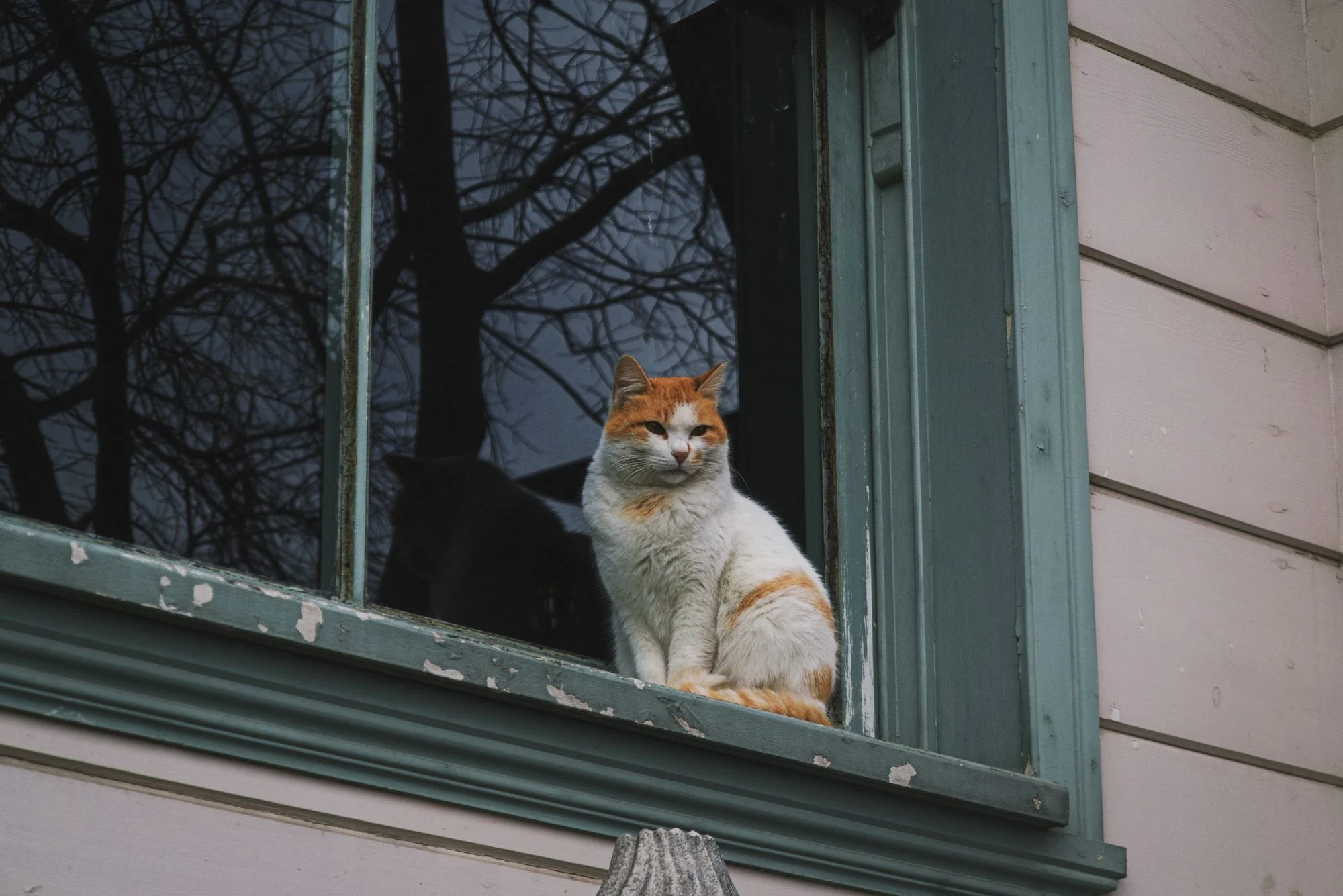
Cats crave height. Cat trees, wall shelves, and window perches let them climb, survey their territory, and feel secure. A perch by a window becomes cat television, especially with a bird feeder set up outside for hours of harmless watching.
Add variety at ground level too. Cardboard boxes, paper bags with the handles removed, tunnels, and scratching posts all invite exploration. Scratching is a natural, healthy behavior, so give your cat plenty of approved surfaces, both vertical and horizontal, to save your furniture.
Engage the Senses
Scent and sound enrich a cat’s day too. Cat-safe herbs like catnip or silvervine, a pot of cat grass, or a new texture to investigate all add interest. Double-check that any houseplants are safe for cats, since some, including lilies, are highly toxic. Introduce novelty gradually so a sensitive cat is intrigued rather than overwhelmed.
Enrichment in Multi-Cat Homes
With more than one cat, give each cat its own resources so no one has to compete. Set out multiple feeders, scratchers, perches, and hiding spots in different areas, and feed puzzle meals in separate spots. This lowers tension, prevents one cat from hogging the fun, and lets every cat enjoy enrichment at a comfortable pace. Our guide to feeding multiple cats in one household covers the details.
Train Your Cat’s Brain
Yes, cats can be trained, and they often love it. Short, reward-based sessions using tiny pieces of kibble or a lickable treat give your cat a real mental workout. Start with simple behaviors like coming when called, sitting, or touching its nose to your hand. Many owners use a clicker to mark the exact moment their cat does the right thing. Keep sessions to a few minutes and stop while your cat is still interested.
Safe Tastes of the Outdoors
Indoor cats can still enjoy some of the sights, sounds, and smells of the outside world without the risks of roaming free. These options add rich sensory enrichment.
Window Access
A secure window perch overlooking a yard, street, or bird feeder offers hours of entertainment. Make sure screens are sturdy and fitted properly, especially in apartments and upper floors.
Catios
An enclosed patio, balcony enclosure, or window box, often called a catio, lets your cat feel fresh air and watch wildlife safely. Even a small one adds a whole new world of smells and sounds. Add a shelf, a scratcher, and a bit of cat grass to make it inviting.
Harness Walks
Some confident cats enjoy supervised outdoor time on a harness and leash. Start indoors, letting your cat wear the harness for short periods with treats, then move to a quiet yard. Never tie a cat out unattended, and skip harness walks if your cat seems fearful.
Bring the Outside In
Collect a few safe natural items, such as a clean pinecone, a cardboard box of crinkly paper, or a handful of fallen leaves in autumn, and let your cat investigate. Make sure anything you bring inside is free of pesticides and not from a toxic plant.
A Sample Enrichment Day
| Time | Activity |
|---|---|
| Morning | Five minutes of wand play, then breakfast in a maze bowl |
| Before work | Hide a few kibbles around the house or fill a DIY puzzle |
| Daytime | Window perch, rotated toys, and a cat tree to explore |
| Evening | A short training session, then dinner on a lick mat or in a puzzle feeder |
| Before bed | A final play session and a small snack from the daily ration |
Enrichment for Kittens and Seniors
Kittens have energy to burn and learn fast. Keep puzzles easy so they always finish meals, and offer plenty of supervised play. Our kitten slow feeding guide has more tips. Senior cats still need stimulation but may have stiff joints or dental issues. Choose shallow feeders and lick mats, add ramps or steps to favorite perches, and keep play gentle. See our guide to feeding senior cats.

Get Your Free Slow Feeding Cheat Sheet
Everything in this article — plus portion charts, feeder comparisons and meal plans — in one printable PDF. A 15% discount code is included.
Frequently Asked Questions
How much enrichment does an indoor cat really need?
Every cat is different, but aim for daily interactive play plus ongoing enrichment like puzzle feeders, climbing spots, and rotating toys. Think of it as a routine rather than a one-time setup, since cats thrive on regular mental and physical stimulation.
Will puzzle feeders help my overweight cat?
They can help a lot. Puzzle and slow feeders slow eating, add activity, and make meals more satisfying, which supports weight management alongside portion control. Pair them with daily play, and check our post on helping an overweight cat slim down for more.
My cat ignores new toys. What can I do?
Try rotating toys so they feel fresh, and use interactive play where you bring the toy to life. Many cats respond far better to a wand you control than to a toy sitting still on the floor. Food-based enrichment often wins over even picky cats.
Give Your Indoor Cat a Richer Day
Indoor cat enrichment does not require a big budget or a bigger home, just a little creativity and consistency. Start with one change, like a puzzle feeder at dinner or a daily play session, and build from there. When you are ready to make mealtimes more engaging, explore our feeders and enrichment tools in the Pets Sparkle shop and help your cat live a fuller, happier indoor life.
Sources
The veterinary and animal-welfare resources referenced in this guide:

Digital marketing specialist at BrightSeen Marketing Agency. Turns veterinary research into clear, practical feeding guides for pet parents.
Mahmoud works for BrightSeen Marketing Agency, which looks after our SEO and GEO and Meta ads.
View all articles by Mahmoud