 Written by
If your cat inhales dinner in seconds and then spends the rest of the evening yowling at the wall, you are not alone. Indoor cats in homes from Florida to the Midwest often eat too fast and get bored between meals, and both problems have the same friendly fix. Cat puzzle feeders turn an ordinary bowl into a small hunting game that slows fast eaters, burns nervous energy, and gives your cat a reason to think. In this guide we will walk through how these feeders work, which style fits your cat, how to introduce one without a hunger strike, and a few easy DIY puzzles to try at home.
Why Cat Puzzle Feeders Work So Well
Cats are natural hunters. In the wild a cat might work for many small meals a day, stalking and pouncing before every bite. A full bowl set on the floor removes all of that effort, so a bored indoor cat is left with energy and instinct and nowhere to put them. That is where problem behaviors like overeating, scratching furniture, and midnight zoomies often come from.
Cat puzzle feeders return the work to the meal. Your cat has to nudge, paw, roll, or reach to release each piece of kibble, which naturally paces the meal and satisfies the drive to hunt. The ASPCA encourages making mealtime interactive for cats to satisfy their natural instincts, and AAHA notes that food-dispensing toys are useful for controlling food access, with the benefit for cats tied more to enrichment, especially for indoor-only cats who never get to chase a mouse across the yard.
The Cat Parent's Slow Feeding & Enrichment Handbook
Get our expert cheat sheet delivered to your inbox — plus an exclusive 15% discount code for your first order.
Signs Your Cat Needs a Puzzle Feeder
Most indoor cats benefit from food puzzles, but these signs suggest your cat would especially appreciate one:
- Meals disappear in a minute or two
- Undigested food comes back up soon after eating
- Constant begging, yowling, or waking you at dawn for food
- Gradual weight gain on the same portion
- Scratching furniture, knocking things off counters, or other attention-seeking behavior
- Long stretches of sleeping or staring out the window with little play
The Benefits of Slowing Down Fast Eaters
When a cat gulps food, it often swallows a lot of air along the way. That can lead to the classic scarf-and-barf, where an undigested meal comes right back up on your carpet a few minutes later. Slowing the pace gives the stomach time to keep up. If your cat regularly throws up after meals, our guide on why cats throw up after eating is worth a read.
Puzzle feeding also supports a healthy weight. Because the food comes out slowly, your cat feels full on the right portion instead of begging for seconds. For heavier cats, pairing a puzzle with measured meals is one of the gentlest weight-management tools you can use at home, and our guide to helping an overweight cat slim down explains how to combine the two. Just as important, the mental workout tires out bored cats, which cuts down on the attention-seeking antics that drive pet parents up the wall.
Types of Cat Puzzle Feeders
Puzzle feeders come in a few main styles, and the best one depends on your cat’s personality and paws.
Rolling and Batting Feeders
These treat-dispensing balls or eggs release a few pieces of kibble as your cat swats them across the floor. They are great for playful, high-energy cats who love to chase. The movement mimics prey, so it doubles as exercise.
Maze and Tray Feeders
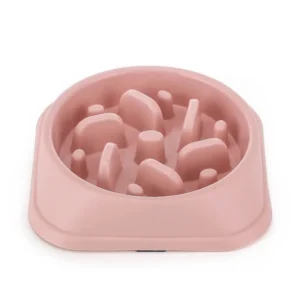
A shallow maze or tray forces your cat to fish food out of channels and dips with a single paw or a careful tongue. The Treat Maze Bowl works well here and suits cautious cats who prefer to stay in one spot. It slows the meal without asking for a lot of chasing.
Foraging Boards and Cups
Boards with wells, tubes, or cups ask your cat to hook food out with a paw, which closely mimics the way cats fish for prey. These are great for curious, dexterous cats.
Lick and Slow-Feed Bowls
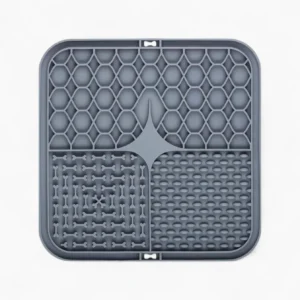
For wet food or a favorite topper, a ridged bowl or licking surface spreads the meal thin so your cat has to work bite by bite. The Interactive Licking Bowl is a friendly starting point for cats new to the whole idea, and a Slow Licking Mat is perfect for pate. The licking motion itself has a calming effect. See our guide to lick mats for cats for safe toppings.
How to Choose the Right Feeder for Your Cat
Start with your cat’s confidence level. A shy or senior cat usually does best with a low-effort maze or lick bowl, while a bold kitten may love a rolling ball. Consider the food you serve, too: dry kibble suits rolling and maze feeders, while wet food belongs in a lick mat or ridged bowl. Flat-faced breeds such as Persians need shallow designs they can reach easily. Many cats also dislike deep, narrow bowls that brush their whiskers, so wide, shallow designs tend to be the most popular. Finally, pick a feeder that is dishwasher safe or easy to hand wash, because a feeder that is a chore to clean tends to end up in a cupboard.
How to Level Up the Challenge
Think of puzzle feeding as a skill your cat builds over time. Moving through levels keeps the game interesting without tipping into frustration.
Level one: food sits in plain view on a shallow maze or lick mat, and a single lick or paw swipe gets a reward. This is where every cat should start.
Level two: food is tucked into deeper wells or channels, so your cat has to hook it out with a paw or roll a ball to release kibble.
Level three: your cat has to work harder or combine actions, such as batting a ball across a room, fishing kibble out of tubes, or finding portions hidden in several spots around the house.
Move up only when your cat finishes the current level easily and eagerly, and drop back if you see frustration, such as walking away, vocalizing at the feeder, or skipping meals.
How to Introduce a Puzzle Feeder
Go slow and keep it positive. For the first few days, make the puzzle very easy: fill it loosely, leave openings wide, or set a few pieces right on top so your cat gets instant wins. Feed at normal mealtimes when your cat is genuinely hungry and motivated. Never force it, and never let a stubborn cat go hungry to prove a point, since cats should not skip meals. If your cat walks away, sit nearby and gently roll a piece out to show how it works, and serve the rest of the meal in the usual bowl.
Increase the challenge only once your cat is confident and clearly enjoying the game. Rotating between two or three feeders keeps the novelty alive. Within a week or two, most cats treat the puzzle as the fun part of their day rather than an obstacle between them and dinner.
The Hunt, Eat, Groom, Sleep Routine
Many cat behavior experts recommend following a cat’s natural cycle: hunt, eat, groom, then sleep. You can recreate this at home. Start with five to ten minutes of wand-toy play so your cat stalks, chases, and pounces. Then serve the meal in a puzzle feeder, which continues the “hunt” as your cat works for its food. Afterward, most cats groom and settle down for a nap. Doing this before bedtime can help cats who wake you in the early hours.
Puzzle Feeding in Multi-Cat Homes
In homes with more than one cat, puzzle feeders work best when each cat has its own and eats in its own space. Place feeders in separate rooms or at least well apart, so a fast finisher cannot bully a slower cat away from its food. Watch who eats what for the first few weeks. Our guide to feeding multiple cats in one household covers the full setup.
Easy DIY Puzzles for Cats
Want to test the idea before buying? Try these simple household puzzles:
- Egg carton hunt: Drop a few pieces of kibble into the cups of a clean cardboard egg carton.
- Paper roll pyramid: Glue empty toilet paper rolls together standing upright and drop kibble inside for paw-fishing.
- Muffin tin: Scatter kibble across a muffin tin for a gentle, shallow challenge.
- Box with holes: Cut paw-sized holes in a small cardboard box and toss treats inside.
Supervise DIY toys and remove them if your cat starts chewing and swallowing cardboard.
Cleaning and Safety
Wash puzzle feeders regularly, and after every use with wet food. Cats are sensitive to smell, and stale food residue can put them off a feeder entirely. Choose food-safe, BPA-free materials without small parts that could break off. Our guide on how to clean a slow feeder and lick mat covers the routine.

Get Your Free Slow Feeding Cheat Sheet
Everything in this article — plus portion charts, feeder comparisons and meal plans — in one printable PDF. A 15% discount code is included.
Frequently Asked Questions
Are puzzle feeders good for all cats?
Most cats benefit, but match the difficulty to your cat. Kittens, seniors, and flat-faced breeds do best with easy, shallow designs. If your cat has dental issues or a medical condition, check with your veterinarian first.
Can I use a puzzle feeder for wet food?
Yes. Choose a lick mat or ridged lick bowl designed for soft food rather than a rolling ball. Spread the wet food thin so your cat has to lick it out slowly, and wash it right after each meal.
How many puzzle feeders should I have?
Having two or three lets you rotate styles so mealtime stays interesting, and it makes cleaning easier since one can dry while another is in use. In multi-cat homes, give each cat their own so no one guards the food.
Can kittens use puzzle feeders?
Yes, with very easy designs. Kittens need regular meals, so make sure they always finish. Our kitten slow feeding guide explains how.
Give Your Cat a Reason to Hunt Again
A cat puzzle feeder is one of the simplest upgrades you can make to your cat’s daily routine. It slows fast eaters, curbs boredom, supports a healthy weight, and lets your indoor hunter do what comes naturally. Ready to turn dinner into an adventure? Browse our full range of feeders and enrichment tools in the Pets Sparkle shop and find the perfect match for your cat today.
Sources
The veterinary and animal-welfare resources referenced in this guide:

Digital marketing specialist at BrightSeen Marketing Agency. Turns veterinary research into clear, practical feeding guides for pet parents.
Mahmoud works for BrightSeen Marketing Agency, which looks after our SEO and GEO and Meta ads.
View all articles by Mahmoud