 Written by
Slow feeders and lick mats are wonderful tools for slowing down fast eaters and adding calm enrichment to mealtime, but all those ridges, mazes, and grooves that make them work also make them a little trickier to clean. Left dirty, they can harbor bacteria, mold, and stale food that put your pet’s health at risk. The good news is that learning how to clean a slow feeder is quick and easy once you know the routine. This step-by-step guide covers daily washing, a weekly deep clean, puzzle feeders and treat balls, and how to tackle stubborn smells and stains.
Why Cleaning Matters So Much
Food residue trapped in tight grooves is a perfect home for bacteria. Damp lick mats and feeders left with wet food can grow a slimy film, called biofilm, and even mold within a day or two, especially in warm, humid climates like Florida and Texas summers. The American Veterinary Medical Association (AVMA) advises washing pet food and water bowls, feeding mats and similar items frequently in hot, soapy water, since contaminated pet food can spread germs to people too. The CDC adds that dishwasher-safe pet items can go in the dishwasher with your regular dishes.
Beyond safety, a clean feeder simply works better. Old, crusted food can clog the maze channels and make the tool less appealing to a picky pet, especially cats, who are very sensitive to smell. A quick clean after each use keeps everything working the way it should.
Slow Feeder Safety: Materials, Cleaning & Maintenance
Get our expert cheat sheet delivered to your inbox — plus an exclusive 15% discount code for your first order.
What You Will Need
Keep a small pet-cleaning kit by the sink so the routine takes seconds:
- Mild, unscented dish soap
- A dish brush reserved for pet items
- An old toothbrush or small detail brush for tight grooves
- A bottle brush for deep maze channels
- Baking soda for odors and stains
- A drying rack and clean towel
Keep pet brushes and sponges separate from the ones you use on family dishes.
How Often Should You Clean?
As a rule, wash your slow feeder or lick mat after every meal, the same way you would wash your own plate. If your pet eats dry kibble and the feeder stays completely dry, you can sometimes stretch to a rinse after meals and a thorough wash daily, but wet, raw, or sticky foods always call for an immediate clean. When in doubt, wash it. It only takes a minute and it protects your pet.
| Item | After use | Deep clean |
|---|---|---|
| Slow feeder with kibble | Rinse and brush | Soap and water daily, sanitize weekly |
| Slow feeder with wet or raw food | Full wash every time | Weekly soak and inspection |
| Lick mat | Full wash every time | Weekly soak |
| Puzzle feeder or treat ball | Shake out crumbs, wipe | Take apart and wash weekly |
| Water bowl | Refresh water daily | Wash daily, sanitize weekly |
Step-by-Step: Cleaning a Slow Feeder
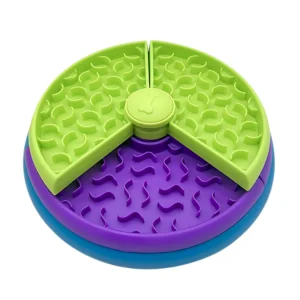
Here is a simple routine that works for silicone, plastic, and stainless steel slow feeders like our Triple Maze Feeder and Treat Maze Bowl.
Step 1: Scrape and Rinse
Tip out any leftover food and give the feeder a warm-water rinse to loosen residue from the grooves. A quick rinse right after your pet eats stops food from drying into the channels.
Step 2: Wash With Soap and a Brush
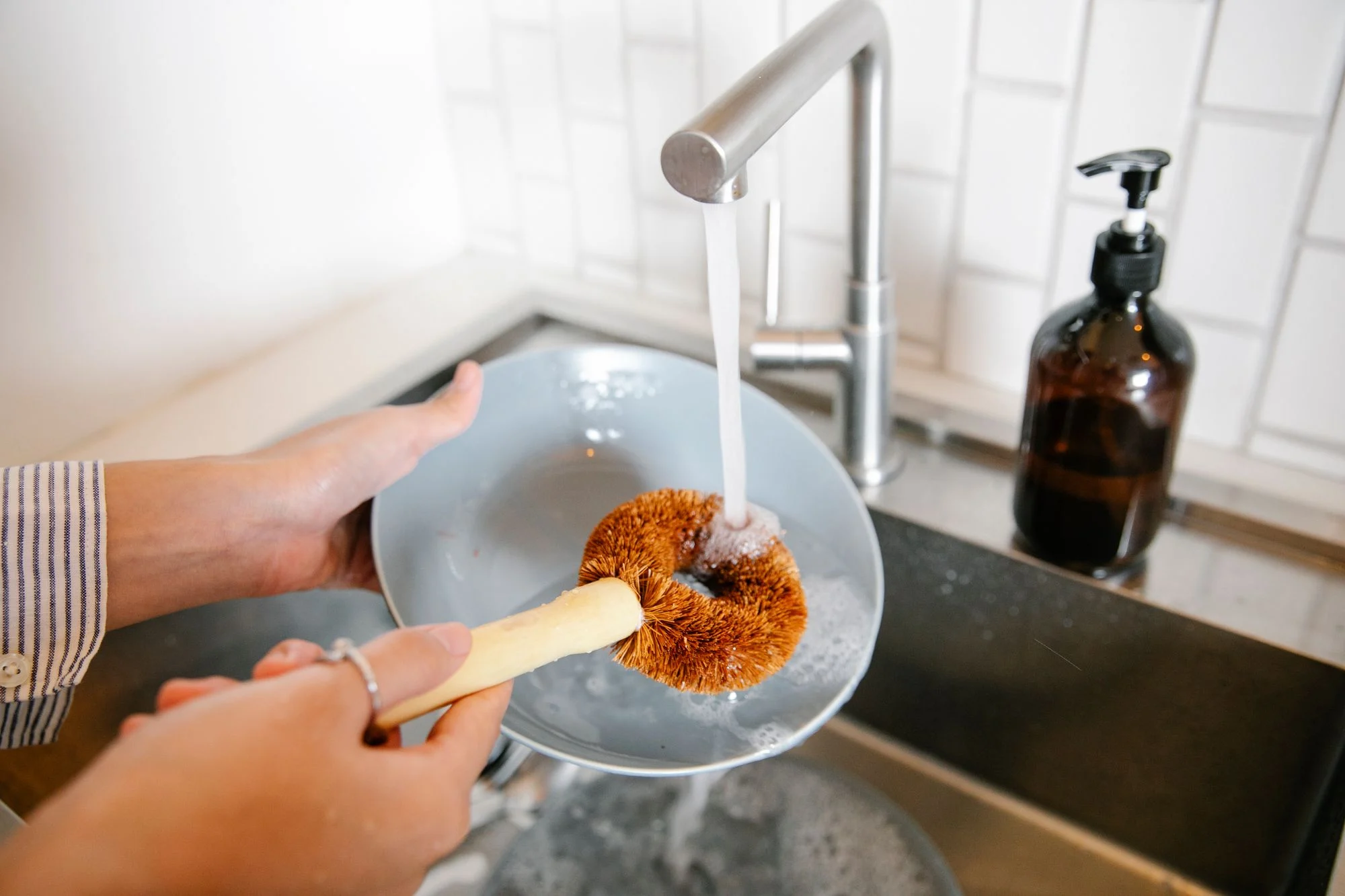
Add a small drop of mild dish soap and warm water. Use a dish brush or an old toothbrush to get into every ridge and maze channel, where residue loves to hide. A bottle brush works well for deep, narrow sections.
Step 3: Rinse Thoroughly
Rinse until the water runs clear and you cannot feel any slippery soap film. Leftover soap can upset your pet’s stomach, so be generous with the rinse.
Step 4: Dry Completely
Moisture is what lets bacteria and mold grow, so dry the feeder fully before the next meal. Air-dry upside down on a rack or pat it down with a clean towel, making sure water is not pooling in the deep grooves.
Step-by-Step: Cleaning a Lick Mat
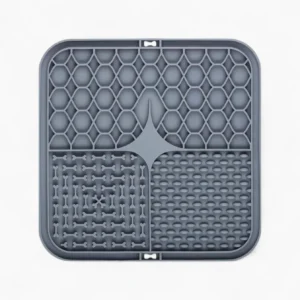
Lick mats like our Slow Licking Mat get sticky spreads pressed into every tiny texture, so they need a little focused attention.
Rinse the mat under warm water right after use to soften the topping before it hardens. Apply a drop of mild soap and scrub with a soft brush, working into the bumps and ridges in small circles. For stuck-on peanut butter or yogurt, let the mat soak in warm soapy water for a few minutes first. Rinse well, flex the mat to open up the grooves, then dry completely. Many silicone lick mats and feeders are top-rack dishwasher safe, which makes deep cleaning effortless, but always check the product care instructions first.
A Note on the Dishwasher
The dishwasher is great for a sanitizing deep clean once you have rinsed off the big stuff. Place silicone items on the top rack away from the heating element, and lay flat mats so water can reach the textured side. Always confirm your specific product is dishwasher safe, since not every material can handle high heat.
Cleaning Puzzle Feeders and Treat Balls
Puzzle feeders and treat dispensers have hidden corners that trap crumbs and grease. Take them apart whenever the design allows, including lids, sliders, and removable pieces. Soak the parts in warm soapy water for ten minutes, then brush each compartment and hinge. For rubber treat balls like the Pawzzle Feeder Ball, fill with warm soapy water, shake well, and use a bottle brush through the opening. Rinse thoroughly and let every piece dry fully before reassembling, since trapped moisture inside is a common source of odors.
The Weekly Deep Clean
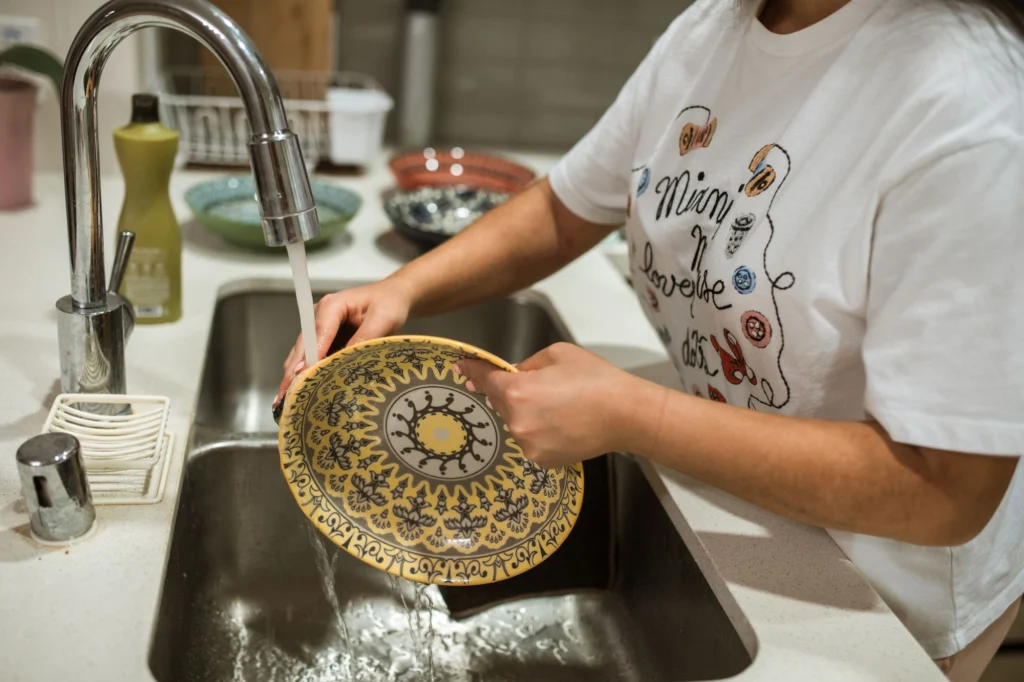
Once a week, give all feeding gear a deeper refresh. Run dishwasher-safe items through a hot cycle. For items that cannot go in the dishwasher, soak them in hot, soapy water, scrub thoroughly, and rinse well. While everything is clean, inspect each item under good light for cracks, deep scratches, tears, bite marks, or discoloration that will not wash off. Replace anything damaged, since those spots are nearly impossible to fully clean. Wipe down the mat or tray under the feeding station at the same time.
Dealing With Mold, Stains, and Odors
Odors
Silicone and plastic can hold onto smells from fish or strong toppings. Sprinkle baking soda over the damp item, let it sit for 15 to 30 minutes, scrub, and rinse well. A longer soak in warm water with baking soda also helps.
Stains
Pumpkin, sweet potato, and some wet foods can tint silicone. A baking soda paste and gentle scrubbing usually lightens stains. Minor staining is cosmetic; if the item is otherwise smooth and clean, it is still usable.
Mold
If you see dark spots or fuzzy growth, stop using the item. Non-porous stainless steel can usually be scrubbed and sanitized thoroughly, but mold that has worked into scratches in plastic or into the texture of silicone is hard to remove fully. When in doubt, replace it, and dry items more thoroughly in the future.
Cleaning on the Go
Road trips, camping weekends, and hotel stays can make it tempting to skip washing, but that is when bacteria have the most chance to build up. A little planning keeps your routine on track.
Pack a Travel Kit
Bring a small bottle of mild dish soap, a compact brush, and a quick-dry microfiber towel in a zip bag. Collapsible silicone bowls and flat lick mats pack easily and are simple to wash in a hotel sink.
Bring a Spare
Packing two feeders means one can dry while the other is in use, which is especially helpful when you are feeding wet food.
Wipe, Then Wash
If you cannot wash right away, wipe out wet food with a paper towel and rinse with bottled water, then give the feeder a proper wash at your next stop. Do not let wet residue sit in a hot car.
Dry Before Packing
Never seal a damp feeder in a bag or cooler. Let it air-dry completely first to prevent mold and odors from developing on the road.
Common Cleaning Mistakes to Avoid
A few small habits can undo all your good work. Skipping the deep grooves is the most common one, since that is exactly where residue and bacteria collect, so always brush into every channel. Leaving a feeder or mat wet overnight invites mold, so never stack damp items away in a cupboard. Avoid harsh chemical cleaners, bleach, or heavily scented products, which can leave residues that irritate your pet or linger on surfaces. Steer clear of abrasive steel wool on silicone and plastic, since scratches create tiny crevices where germs thrive. Finally, do not forget the underside and edges of the feeder, where drips and crumbs often hide. A gentle, thorough routine with warm water, mild soap, and a soft brush is all you really need. And always wash your hands after handling pet food and bowls.

Get Your Free Slow Feeding Cheat Sheet
Everything in this article — plus portion charts, feeder comparisons and meal plans — in one printable PDF. A 15% discount code is included.
Frequently Asked Questions
How do I clean a slow feeder with really tight grooves?
An old toothbrush or a small bottle brush is your best friend for deep channels. Soak the feeder in warm soapy water first to loosen stuck food, then scrub each groove and rinse thoroughly. For a deeper clean, run it through the dishwasher if the material allows.
Can I put my silicone lick mat in the dishwasher?
Most silicone lick mats are top-rack dishwasher safe, but always check the care label for your specific product. Keep silicone away from the heating element and use the top rack to avoid warping.
How do I get rid of stubborn smells or stains?
Soak the item in a mix of warm water and a little baking soda, then scrub and rinse well. For silicone that holds odors, a longer soak and a thorough wash usually does the trick. Drying fully between uses prevents most smells from building up.
How long do slow feeders and lick mats last?
With good care, stainless steel can last for years, and quality silicone and plastic hold up well too. Replace any item that is cracked, torn, deeply scratched, or showing mold.
Keep Mealtime Fresh and Safe
Now that you know how to clean a slow feeder and lick mat, a quick wash after each meal will keep your pet’s gear hygienic, appealing, and long-lasting. Build it into your routine and it becomes second nature. If you want tips on picking the right materials for easy cleaning, read our guide comparing silicone, plastic, and stainless steel feeders, and our article on whether slow feeders are safe. Ready to upgrade your pet’s mealtime tools? Browse easy-clean feeders and mats in the Pets Sparkle shop.
Sources
The veterinary and animal-welfare resources referenced in this guide:

Digital marketing specialist at BrightSeen Marketing Agency. Turns veterinary research into clear, practical feeding guides for pet parents.
Mahmoud works for BrightSeen Marketing Agency, which looks after our SEO and GEO and Meta ads.
View all articles by Mahmoud