 Written by
When you shop for a slow feeder or lick mat, you will quickly notice they come in three main materials: silicone, plastic, and stainless steel. Each has real strengths and a few drawbacks, and the best choice depends on your pet’s habits, your cleaning routine, and your budget. Understanding the differences in slow feeder materials helps you pick a bowl your pet will love and you will not mind washing every day. Here is an honest, practical comparison, including a side-by-side table and recommendations by pet type.
Why the Material Matters
The material affects everything from durability and safety to how easy the feeder is to clean and whether it slides across your kitchen floor. A determined chewer needs something tougher than a nervous nibbler. A household with a fast eater may prioritize deep, complex mazes, while a family focused on hygiene may care most about dishwasher safety. There is no single winner, just the right fit for your pet.
Whatever you choose, look for products labeled food-grade and free of BPA and other harmful additives. The FDA regulates substances that come into contact with food, so reputable brands will note when their feeders use food-grade materials. The FDA also considers BPA safe at current levels in approved food-contact uses while it continues to study the chemical, but many pet parents still choose BPA-free feeders. Our article on whether slow feeders are safe goes deeper on this topic.
Slow Feeder Safety: Materials, Cleaning & Maintenance
Get our expert cheat sheet delivered to your inbox — plus an exclusive 15% discount code for your first order.
Silicone Feeders and Lick Mats
Silicone has become a favorite for good reason. It is flexible, soft on your pet’s tongue and teeth, and often features suction bases that grip the floor so the feeder does not slide during an enthusiastic meal. Food-grade silicone is also typically top-rack dishwasher safe, which makes cleanup easy, and it handles both freezing and warm water well, so frozen lick mat treats are no problem.
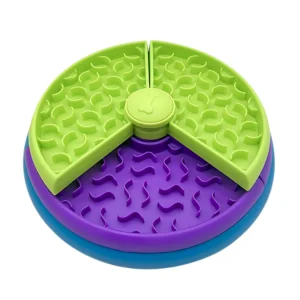
Lick mats like our Slow Licking Mat are almost always silicone, since the material holds spreads beautifully and bends so you can peel food out of every groove. Flexible silicone bowls are gentle and travel-friendly too.
The Trade-Offs
Silicone can hold onto odors over time and is not the best choice for aggressive chewers, who may tear or swallow pieces. Always supervise a heavy chewer, and retire any feeder that gets damaged. Lightweight silicone can also attract pet hair and lint, so rinse before use if it has been stored.
Plastic Feeders
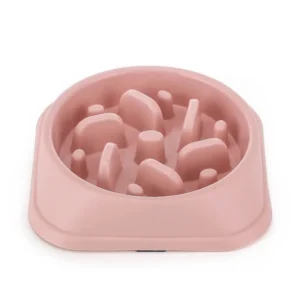
Plastic is the most common and usually the most affordable option. It comes in the widest range of maze designs, from simple ridges to elaborate spiral patterns, so you can find just the right challenge level. Plastic feeders are lightweight, easy to find, and gentle on a pet’s teeth.
Dogs love the variety of clever plastic designs. Our Triple Maze Feeder uses a layered maze that really slows down a speedy eater, and its lightweight build makes it easy to move and store. Puzzle feeders with sliders and lids, such as the Brainy Puzzle Feeder, also rely on plastic because it can be molded into precise moving parts.
The Trade-Offs
Lower-quality plastic can scratch, and deep scratches create tiny crevices where bacteria hide, so replace worn feeders. Determined chewers can also damage plastic. Always choose BPA-free, food-grade plastic, avoid very hot water or microwaving unless the label allows it, and check it periodically for wear.
Stainless Steel Feeders
Stainless steel is the most durable and hygienic material of the three. It does not scratch easily, does not hold odors, resists bacteria, and typically lasts for years. It is dishwasher safe and a great pick for pets with sensitivities, since it is non-porous and does not leach.
For heavy chewers or homes that want one feeder to last a very long time, stainless steel is hard to beat. Many stainless designs include a non-slip base or a removable insert for the best of both worlds.
The Trade-Offs
Stainless steel usually costs more up front and offers fewer intricate maze shapes than plastic or silicone. A lightweight steel bowl can also slide or clatter if it lacks a rubber base, which may startle noise-sensitive pets, so look for a non-slip bottom.
Other Materials You May See
Ceramic slow feeders are heavy, stable, and attractive, and glazed ceramic is non-porous and easy to clean. They can chip or crack if dropped, and chipped bowls should be replaced. Natural rubber is common in treat balls and chew-style dispensers like the Pawzzle Feeder Ball, since it is tough, bouncy, and gentle on teeth. Bamboo and plant-fiber blends are marketed as eco-friendly, but they can be harder to clean and may wear faster, so check care instructions carefully.
Side-by-Side Comparison
| Silicone | Plastic | Stainless Steel | |
|---|---|---|---|
| Durability | Good | Fair to good | Excellent |
| Chew resistance | Low | Low to medium | High |
| Ease of cleaning | Very easy | Easy | Easiest |
| Odor resistance | Fair | Fair | Excellent |
| Maze variety | Good | Excellent | Limited |
| Freezer friendly | Yes | Varies | Yes |
| Typical price | Low to medium | Low | Medium to high |
Which Material Should You Choose?
For lick mats and gentle, travel-friendly bowls, silicone shines. For the widest variety of maze challenges at a friendly price, plastic is a great all-rounder. For maximum durability, hygiene, and a feeder that stands up to chewers, stainless steel wins. Many pet parents end up with a mix, using a silicone lick mat for calming enrichment and a sturdy maze bowl for daily meals. If you are still deciding on the right challenge level, our complete guide to slow feeder bowls can help.
Best Material by Pet Type
- Heavy chewers: stainless steel, or a very sturdy design with close supervision.
- Puppies: sturdy plastic or silicone with a shallow pattern, picked up after meals during teething. See our guide to slow feeders for puppies.
- Cats: shallow silicone or plastic, or stainless steel, with a wide surface that does not crowd whiskers. See our cat slow feeder guide.
- Flat-faced breeds: shallow silicone lick bowls and mats they can reach easily.
- Anxious pets: silicone lick mats for soothing, repetitive licking.
- Large, fast-eating dogs: a deep plastic maze or a heavy stainless design with a non-slip base.
Match the Feeder to Your Pet and Home
Beyond the material itself, think about how it fits your daily life. If you have a large or powerful dog, choose a heavier bowl or one with a strong non-slip base so it stays put during meals. For small dogs and cats, a lightweight silicone bowl is often plenty and easy to store. Consider your climate too: in hot, humid states like Florida and Texas, a non-porous material that dries fast and resists mold is a smart pick. Also weigh how often you want to buy replacements. Spending a little more on stainless steel up front can save money over the years, while an inexpensive plastic feeder lets you rotate designs to keep a curious pet engaged.
Cost Over Time
The sticker price is only part of the story. A feeder’s real cost depends on how long it lasts in your home and how often you need to replace it.
Plastic has the lowest upfront cost, which makes it easy to try different maze designs and find what your pet likes. The trade-off is that plastic used daily by an enthusiastic eater may need replacing once it becomes scratched or worn, so budget for occasional replacements.
Silicone sits in the middle. Quality silicone lasts a long time with gentle pets and is especially good value for lick mats, which get used for meals, grooming, and calming sessions alike. Chewers can shorten its life considerably.
Stainless steel costs the most at first but often outlasts several plastic bowls. For a household with a powerful dog or multiple pets, it can be the most economical choice over the years.
A practical approach for many families is to buy one durable everyday feeder and one or two less expensive enrichment pieces to rotate, which keeps mealtime interesting without a big spend.
Sustainability and Care
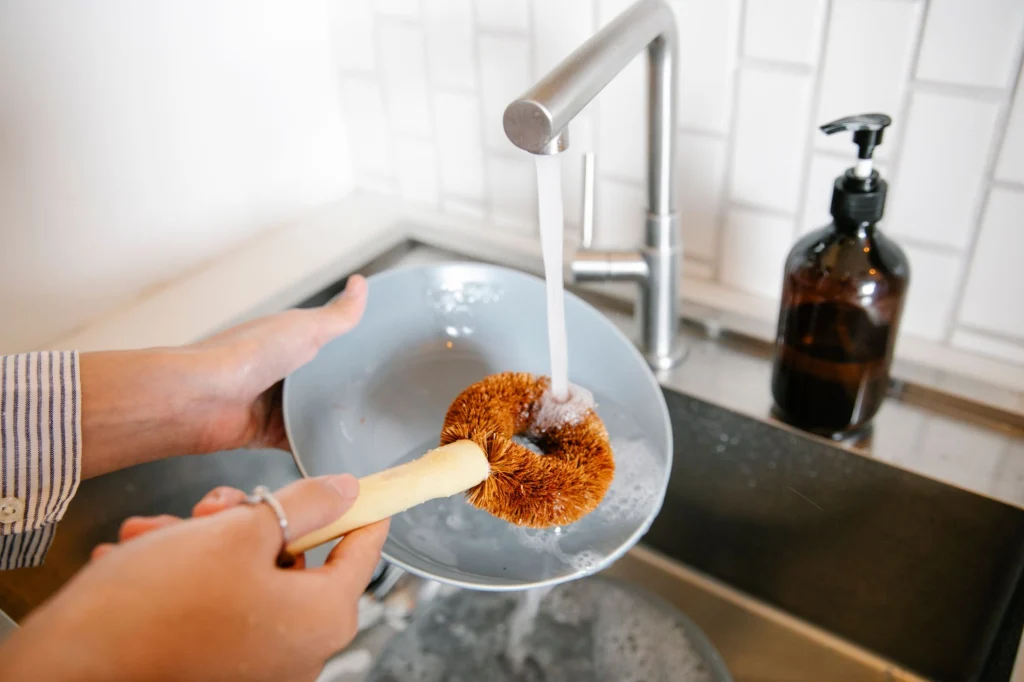
If you want to reduce waste, the greenest feeder is the one you use for a long time. Durable materials like stainless steel and high-quality silicone last for years with proper care, which means fewer items heading to the landfill. Extend any feeder’s life by washing it gently with a soft brush rather than abrasive scrubbers, keeping plastic away from very high heat, and storing silicone away from sharp objects. Check with your local recycling program before discarding old bowls, since rules for plastics and metals vary by city.
How to Spot a Quality Feeder
Whatever the material, a few signs point to a well-made product. The label should clearly say food-grade and BPA-free. There should be no strong chemical smell after the first wash. Edges should be smooth, with no sharp seams or rough molding marks. The base should sit flat and grip the floor. Clear care instructions, including dishwasher guidance, show the maker has thought about daily use. And the feeder should feel solid, not flimsy, when you flex or press it.

Get Your Free Slow Feeding Cheat Sheet
Everything in this article — plus portion charts, feeder comparisons and meal plans — in one printable PDF. A 15% discount code is included.
Frequently Asked Questions
Which slow feeder material is easiest to clean?
Stainless steel is the most effortless, since it is non-porous, resists odors, and is fully dishwasher safe. Silicone is a close second and usually top-rack dishwasher safe, while plastic is easy to clean but can scratch and hold smells over time. Our cleaning guide covers each one.
What is the safest slow feeder material for aggressive chewers?
Stainless steel is the toughest and safest choice for strong chewers, since it will not tear into swallowable pieces. Whatever the material, always supervise a heavy chewer and replace any feeder that shows damage.
Are silicone lick mats safe for pets?
Yes, food-grade silicone is safe and gentle, which is why it is the go-to for lick mats. Just choose products labeled BPA-free and food-safe, supervise chewers, and retire any mat that gets torn.
Can I freeze a plastic slow feeder?
Some plastic feeders handle freezing well, while others can become brittle and crack. Check the product instructions. Silicone and stainless steel are generally the safer choices for frozen treats.
Find the Right Feeder for Your Pet
Choosing among slow feeder materials comes down to your pet’s chewing style, your cleaning preferences, and the challenge level you want. Silicone, plastic, and stainless steel all have their place, and the right pick makes mealtime healthier and more fun. Ready to find the perfect match? Explore our full range of feeders and lick mats in the Pets Sparkle shop and treat your pet to a better bowl.
Sources
The veterinary and animal-welfare resources referenced in this guide:

Digital marketing specialist at BrightSeen Marketing Agency. Turns veterinary research into clear, practical feeding guides for pet parents.
Mahmoud works for BrightSeen Marketing Agency, which looks after our SEO and GEO and Meta ads.
View all articles by Mahmoud