 Written by
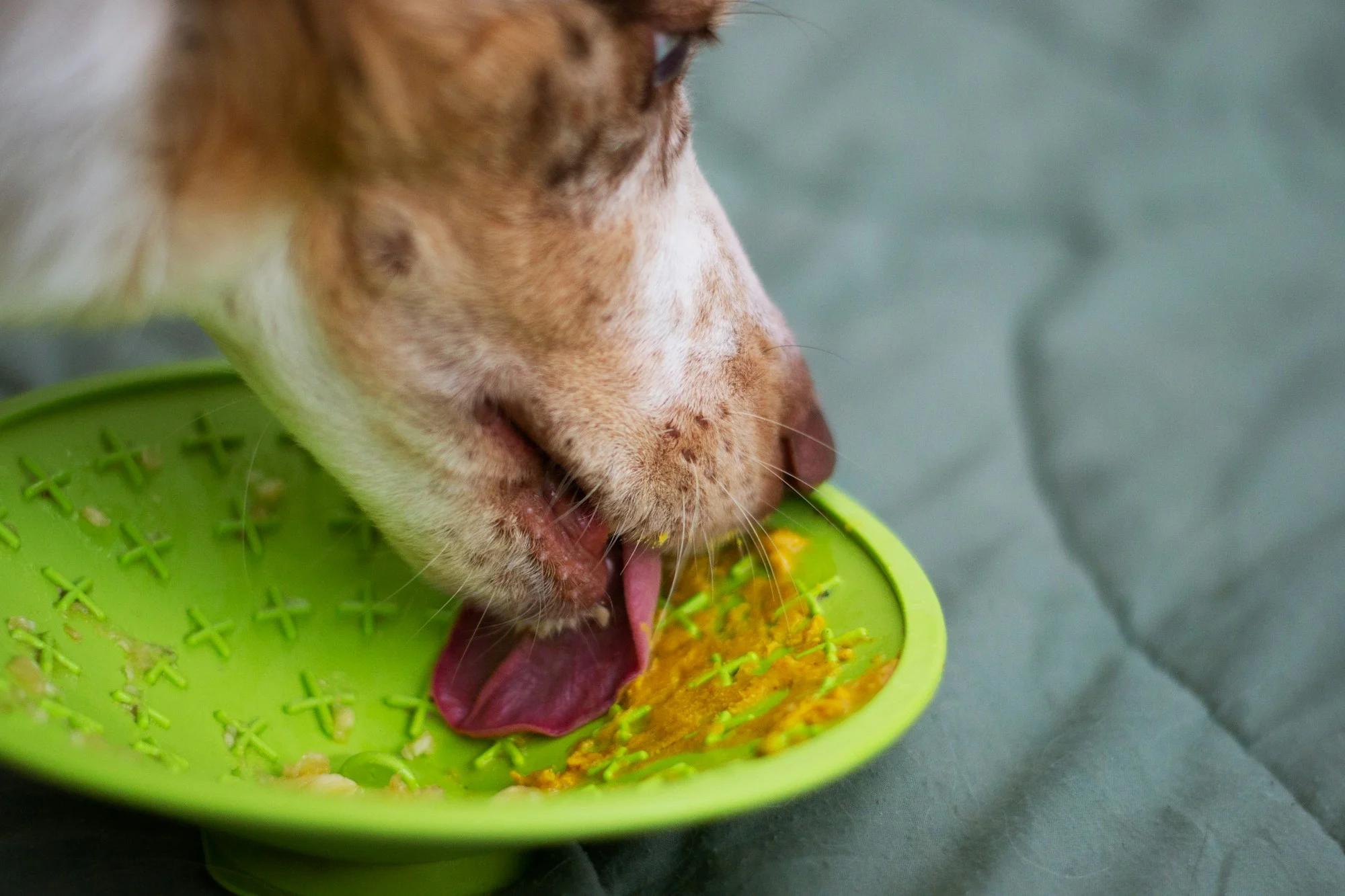
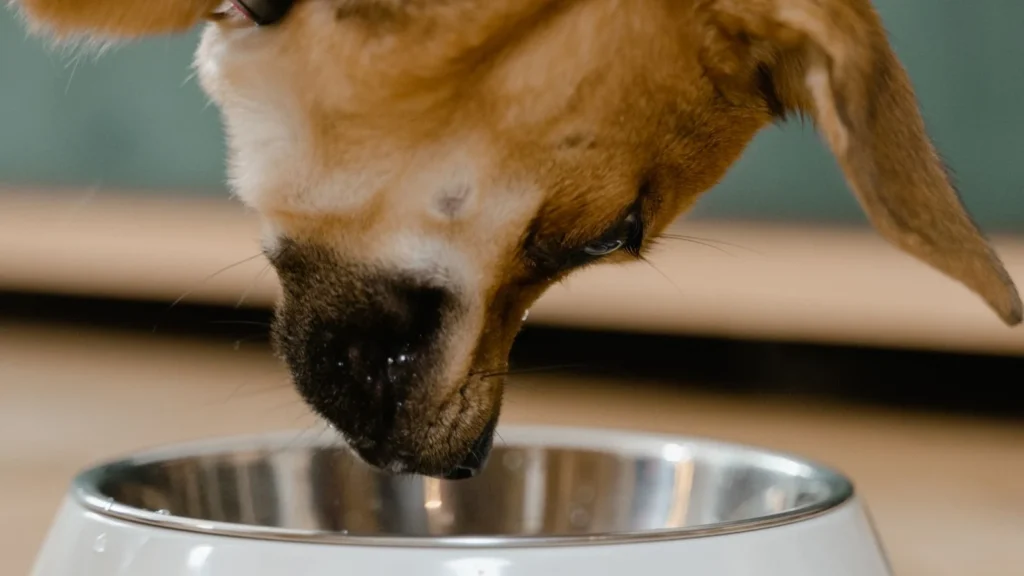
Yes, you can use a slow feeder for wet dog food, and it often works better than you might expect. The best choices are shallow designs with low, open ridges or a textured licking surface, because soft food spreads into the gaps and your dog has to lick it out instead of gulping it down.
Wet food brings a few extra questions that kibble does not. It sticks to ridges, it spoils faster once opened, and it needs more scrubbing afterward. This post walks through which feeder designs suit canned food, how to fill one so your dog stays interested, how to mix wet and dry food, how to freeze a meal for a longer challenge, and how to keep the bowl clean and safe.
Can You Use a Slow Feeder for Wet Dog Food?
A slow feeder for wet dog food works by turning big bites into many small licks. Kibble rolls around the channels of a maze bowl, while soft food presses into the gaps and stays there, so your dog has to work at each section with its tongue.
The Complete Slow Feeding Starter Kit
Get our expert cheat sheet delivered to your inbox — plus an exclusive 15% discount code for your first order.
That matters because fast eating is more than a messy habit. The American Kennel Club explains that dogs that eat too quickly may choke, vomit, or feel discomfort, and that gulping air along with food can increase the risk of bloat. The AKC recommends slow feeder bowls and food puzzles as practical ways to help dogs eat at a slower pace.
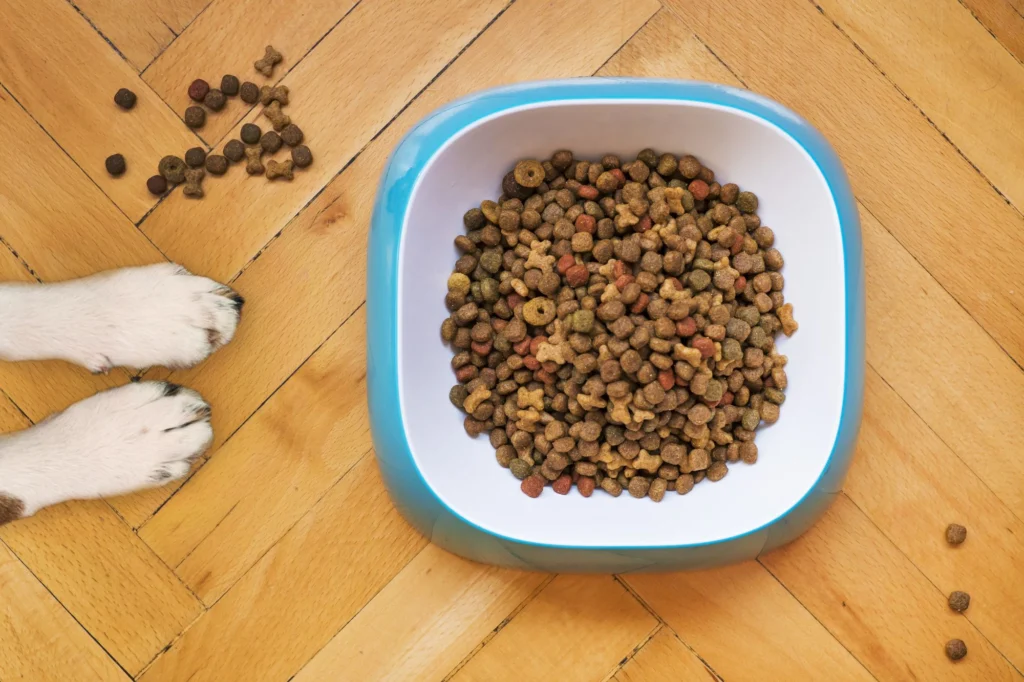
Wet food is not exempt. A dog can inhale a soft meal just as fast as a bowl of kibble, sometimes faster, because there is nothing to chew. If you are not sure whether your dog is a true speed eater, our list of signs your dog eats too fast is a quick way to check.
If your dog ever vomits repeatedly, chokes, or shows a swollen belly with retching after a meal, do not wait to see if a new bowl helps. Call your vet right away.
Why Wet Food Acts Differently in a Slow Feeder
Wet food is mostly water, so it moves, sticks, and spoils differently from kibble. According to Tufts University’s Petfoodology team, canned diets are 75 to 85 percent water, which is why a can goes further in volume than it does in calories.
That high moisture content changes how a slow feeder behaves in three ways:
- It fills gaps instead of rolling through them. Deep, narrow channels that work well for kibble can trap pâté so firmly that some dogs give up. Shallow ridges let your dog reach every bit.
- It sticks to the surface. Textured and ridged surfaces hold soft food in place, which naturally encourages licking. That is the main reason licking bowls and mats pair so well with canned food.
- It does not keep well at room temperature. A slow meal takes longer by design, so serving size and timing matter more with wet food than with dry food.
Tufts also notes that canned foods can be a good option for picky dogs, smaller dogs, dogs with urinary issues where extra water helps, and dogs with dental problems that make chewing kibble hard. Those are often the same dogs whose owners want a gentler way to slow a meal down, so choosing the right surface is worth a little thought.
Which Slow Feeder Designs Work Best With Wet Food
The best slow feeder for wet dog food has shallow, open ridges or a textured licking surface rather than deep, tight channels. Here is how the common styles compare when you fill them with canned food.
| Design | How wet food behaves | Best for |
|---|---|---|
| Textured lick mat | Spreads thin and sticks to the texture; every bite becomes a lick | Wet food, purees, toppers, frozen meals |
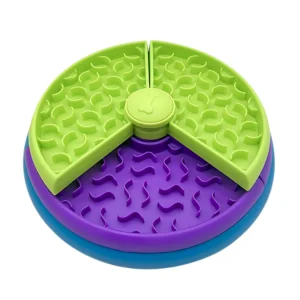
| Licking bowl with a spinning center | Food sits around the moving center, so your dog licks and nudges | Wet or dry meals for dogs that need a gentle challenge |
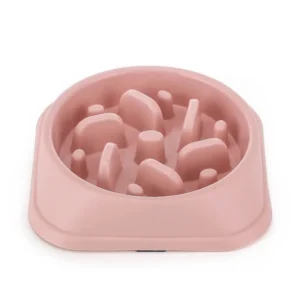
| Flat ridged puzzle bowl | Soft food presses between low ridges and is easy to reach | Wet food, mixed meals, dogs new to slow feeders |
| Deep maze bowl | Pâté can pack tightly into channels and be hard to finish | Kibble, or loosely mixed wet and dry food |
| Treat ball or dispensing toy | Wet food will not fall out the way kibble does | Dry food and treats only |
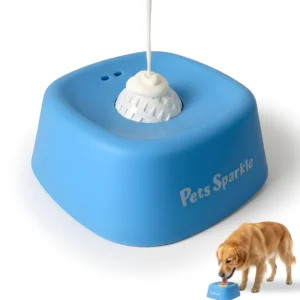
For wet food, the Pets Sparkle Interactive Licking Bowl works with both dry and wet food and uses a spinning center ball to turn gulping into licking. The Slow Licking Mat is a textured silicone mat made for wet food, purees, and frozen toppers, and it is dishwasher safe. If you want a flatter puzzle surface, the Puzzle Bites Feeder has low ridges that suit soft food. All three are sized for small to medium dogs and cats, and you can compare more options in our slow feeder bowls collection.
Our guide to choosing a slow feeder puzzle bowl covers sizing, materials, and difficulty in more detail, and the post on how slow feeder bowls actually work explains why ridge height and spacing matter so much.
How to Fill a Slow Feeder With Wet Food
Spread wet food in a thin, even layer and press it gently into the ridges so your dog has to lick each section clean. A few simple steps make the difference between a calm, slower meal and a frustrated dog.
- Measure the portion first. Use a clean spoon or cup that you keep only for pet food. The FDA advises that you never use your pet’s bowl as a scoop.
- Soften thick pâté. If the food is very dense, mash it with a fork so it spreads easily. Chunky foods in gravy can go in as they are.
- Spread, do not pile. Use the back of a spoon to push food across the surface and into the gaps. A heap in the middle defeats the purpose.
- Leave some easy wins. For the first few meals, leave a little food on top of the ridges so your dog gets rewarded quickly and stays interested.
- Stay nearby. Watch the first few meals to make sure your dog is licking rather than chewing the feeder.
- Pick up the bowl when the meal is done. Do not leave a half-eaten wet meal out for later.
If your dog has never used a slow feeder, introduce it gradually. Our step-by-step post on how to introduce your dog to a slow feeder bowl shows how to build confidence over several meals.
No slow feeder on hand yet? The AKC suggests spreading a meal across a muffin pan, with a little food in each cup, which works nicely with soft food as a short-term fix.
Mixing Wet and Dry Food in One Bowl
Mixing wet and dry food in a slow feeder works well and gives you the best of both textures. The kibble keeps the meal moving through the channels, while the wet food sticks to the ridges and adds a licking challenge.
A few tips help a mixed meal go smoothly:
- Stir before you serve. Coat the kibble lightly with the wet food rather than layering them, so the mix spreads evenly across the bowl.
- Use a little less wet food in deep mazes. A loose mix moves through maze channels better than a thick, sticky one. The Triple Maze Feeder has three maze depths, so you can start with the shallower section for mixed meals.
- Keep the total portion the same. Adding wet food on top of a full kibble ration adds calories. Adjust both parts so the total matches your dog’s daily needs. Our post on portion control for dogs explains how to balance meals.
If your dog is on a prescription or special diet, ask your vet before mixing in other foods.
Freezing Wet Food for a Longer Meal
Freezing wet food in a lick mat or freezer-safe feeder makes the meal last longer and adds a cooling treat on warm days. The AKC describes pouring broth onto a lick mat and freezing it for a few hours so your dog has an ice-cold treat to enjoy, and the same idea works with a thin layer of wet food.
To freeze a wet meal safely:
- Check that your feeder is labeled freezer safe before you put it in the freezer. Silicone lick mats are often designed for this.
- Spread the food thinly. A thick frozen block can be too hard for some dogs and may lead to biting at the mat.
- Start with a partly frozen meal so your dog learns the new texture before you serve it fully frozen.
- Supervise. The AKC notes that lick mats are best used with supervision and should be thrown out if they show punctures, eroding material, or jagged ridges.
For more ideas, our list of vet-safe lick mat toppings and recipes includes simple wet food combinations, and the guide to using a lick mat covers how to build the habit.
Wet Food Safety: Serving and Storing
Wet food needs more care than kibble because it spoils faster once the can or pouch is open. The FDA advises owners to promptly refrigerate or throw out unused or leftover canned and pouched pet food, cover refrigerated pet food tightly, and keep the refrigerator at 40 F or below.
The same FDA guidance recommends washing your hands for at least 20 seconds with soap and hot water before and after handling pet food. A slow feeder does not change these rules. It just means you should plan the meal so your dog finishes it within a normal sitting.
Practical habits that help:
- Serve only what your dog will eat at that meal, and refrigerate the rest of the can right away.
- If your dog walks away from a half-finished slow feeder, pick it up and discard the leftovers rather than leaving them out.
- Bring refrigerated food closer to room temperature by letting it sit briefly before serving if your dog dislikes cold food, but do not leave it out for long.
- Check cans and pouches before opening. The FDA lists a foul odor or a swollen or leaking container as signs of a problem.
If your dog seems unwell after eating a particular food, stop feeding it and call your vet.
Cleaning a Slow Feeder After Wet Food
A slow feeder used for wet food should be washed with hot, soapy water after every meal, because soft food clings to ridges and textures. The FDA recommends washing pet food bowls and scooping utensils with soap and hot water after each use.
There is a good reason to be strict. The AKC reports on a study of 351 dog caregivers and 186 cat caregivers that found higher bacterial counts in pet bowls containing wet food compared to dry food. The same AKC article suggests soaking bowls with stuck-on food in hot soapy water for 10 to 15 minutes, then scrubbing with a brush or a baking soda and water paste.
A quick routine for wet food feeders:
- Scrape out leftovers right after the meal, before they dry.
- Soak in hot, soapy water if food is stuck in the ridges.
- Scrub the channels with a small brush, paying attention to corners.
- Rinse well and let the feeder air dry, or use the dishwasher if the product is labeled dishwasher safe.
- Check for cracks, chew marks, or worn texture, and replace the feeder if you see damage.
Our full post on how to clean a slow feeder and lick mat walks through every step, and the comparison of silicone, plastic, and stainless steel feeders explains which materials are easiest to keep clean.
Slower, Cleaner Wet Food Meals
A slow feeder for wet dog food is one of the easiest upgrades for a dog that inhales soft meals. Choose a shallow, textured, or licking design, spread the food thinly, and pick the bowl up once the meal is over. Mixing in kibble or freezing a thin layer can add variety and stretch the meal out even more.
Keep food safety simple: refrigerate leftovers promptly, wash the feeder after every meal, and replace it when it shows wear. If your dog vomits, chokes, or shows signs of bloat, call your vet right away.
Get Your Free Slow Feeding Cheat Sheet
Everything in this article — plus portion charts, feeder comparisons and meal plans — in one printable PDF. A 15% discount code is included.
Frequently Asked Questions
Can you put wet food in a slow feeder?
Yes. Wet food works well in slow feeders with shallow ridges or a textured licking surface. The food presses into the gaps, so your dog has to lick each section instead of gulping. Avoid treat balls and very deep, narrow mazes, where thick pâté can pack in tightly and frustrate your dog.
What type of slow feeder is best for wet dog food?
Lick mats, licking bowls, and flat puzzle bowls with low ridges are usually the best fit for wet food. They hold soft food in place and encourage licking. Deep maze bowls suit kibble better, though they can handle a loose mix of wet and dry food. Choose a size that matches your dog.
Can I mix wet and dry food in a slow feeder?
Yes. Stir a small amount of wet food into the kibble so it coats the pieces, then spread the mix across the bowl. Keep the total portion the same as your dog’s normal meal so you do not add extra calories. If your dog eats a special or prescription diet, check with your vet first.
How long can wet dog food sit in a slow feeder?
Not long. The FDA advises promptly refrigerating or throwing out unused or leftover canned and pouched pet food. Serve only what your dog will eat in one meal and pick up the feeder when your dog walks away. Wash the bowl with soap and hot water after each use.
Can you freeze wet food in a slow feeder?
You can if the feeder is labeled freezer safe. Spread a thin layer of wet food on a silicone lick mat or bowl and freeze it for a few hours to make the meal last longer. Start with a partly frozen meal, supervise your dog, and replace the feeder if it gets punctured or worn.
Sources
The veterinary and government resources referenced in this post:
- U.S. Food and Drug Administration: Tips for Safe Handling of Pet Food and Treats
- Tufts University Petfoodology: Should I Feed Canned or Dry Food?
- American Kennel Club: How to Help Your Dog Eat More Slowly
- American Kennel Club: How Often Should You Wash Dog Bowls?
- American Kennel Club: Lick Mats for Dogs

Digital marketing specialist at BrightSeen Marketing Agency. Turns veterinary research into clear, practical feeding guides for pet parents.
Mahmoud works for BrightSeen Marketing Agency, which looks after our SEO and GEO and Meta ads.
View all articles by Mahmoud