 Written by
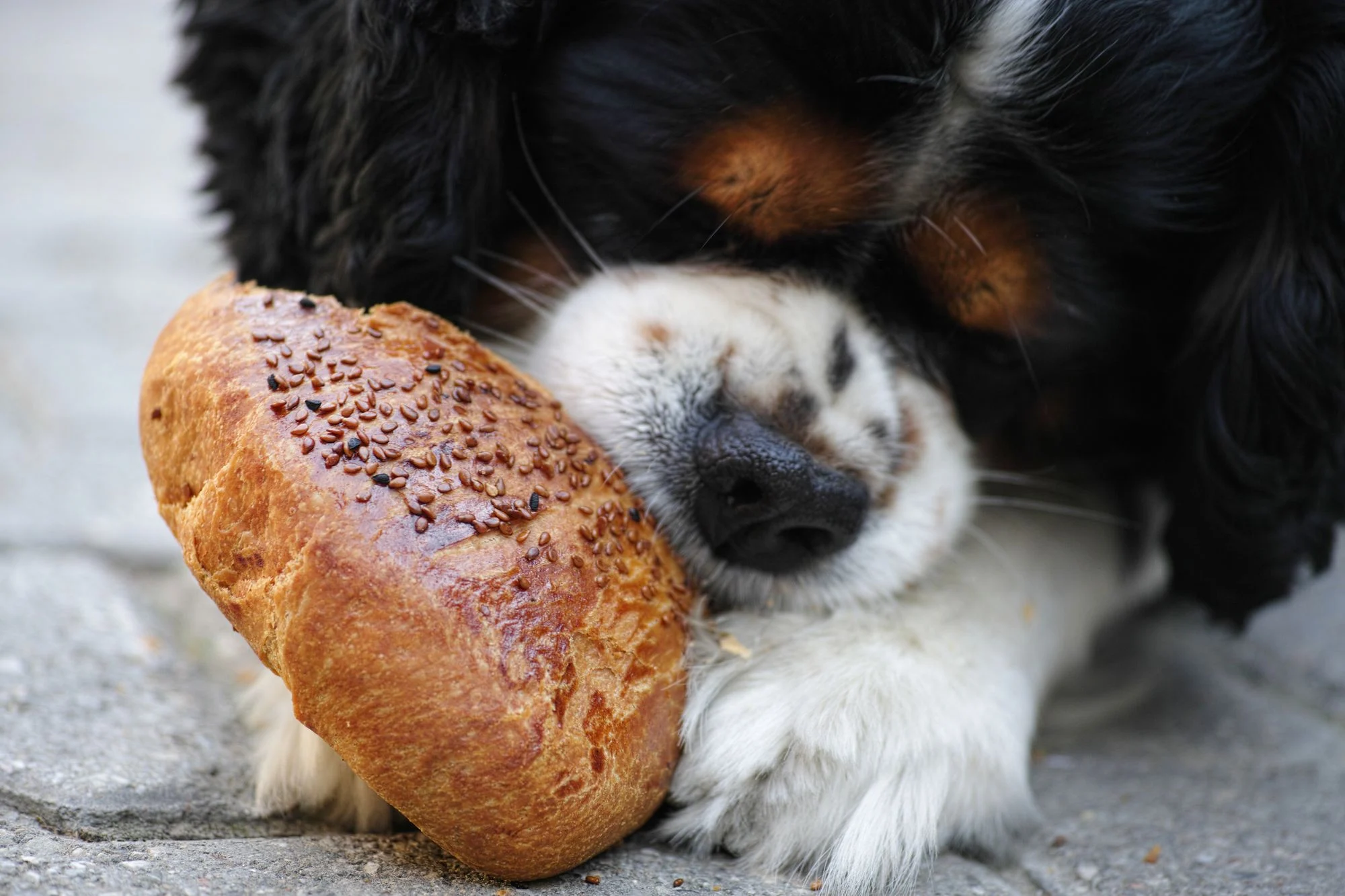
Some dogs treat every meal like a race, and if yours is one of them, you have probably wondered whether it is a problem or just an enthusiastic personality. The truth is that fast eating can lead to real discomfort and health concerns. Knowing the signs your dog eats too fast, and having a plan to fix each one, keeps mealtimes calmer and your pup healthier.
Below are five clear signals to watch for, along with a practical solution for each, a simple at-home speed test, and the common quick fixes that tend to backfire. From food-obsessed Labradors in the Texas heat to eager rescues in a snowy Northeast home, these tips work for dogs of all shapes and sizes.
Why Do Some Dogs Eat So Fast?
Understanding the cause helps you choose the right fix. Most speed eating comes down to one or more of these reasons:
Slow Feeding for Better Digestion & Bloat Prevention
Get our expert cheat sheet delivered to your inbox — plus an exclusive 15% discount code for your first order.
- Competition. Dogs who share a home, or who grew up competing with littermates, often learn that the fastest eater gets the most food.
- Past scarcity. Rescue dogs who went hungry at some point may keep gulping long after food becomes reliable.
- Breed and temperament. Some breeds, including many retrievers and Beagles, are famously food-motivated.
- Boredom. When the bowl is the most exciting part of the day, dogs dive in with gusto.
- Health changes. A sudden increase in hunger can sometimes point to a medical issue or a diet that is not meeting your dog’s needs. If the change is new, talk to your vet.
If you share your home with more than one dog, competition is often the main driver. Our guide to feeding multiple dogs in one household tackles that problem directly.
Sign 1: The Bowl Is Empty in Under a Minute
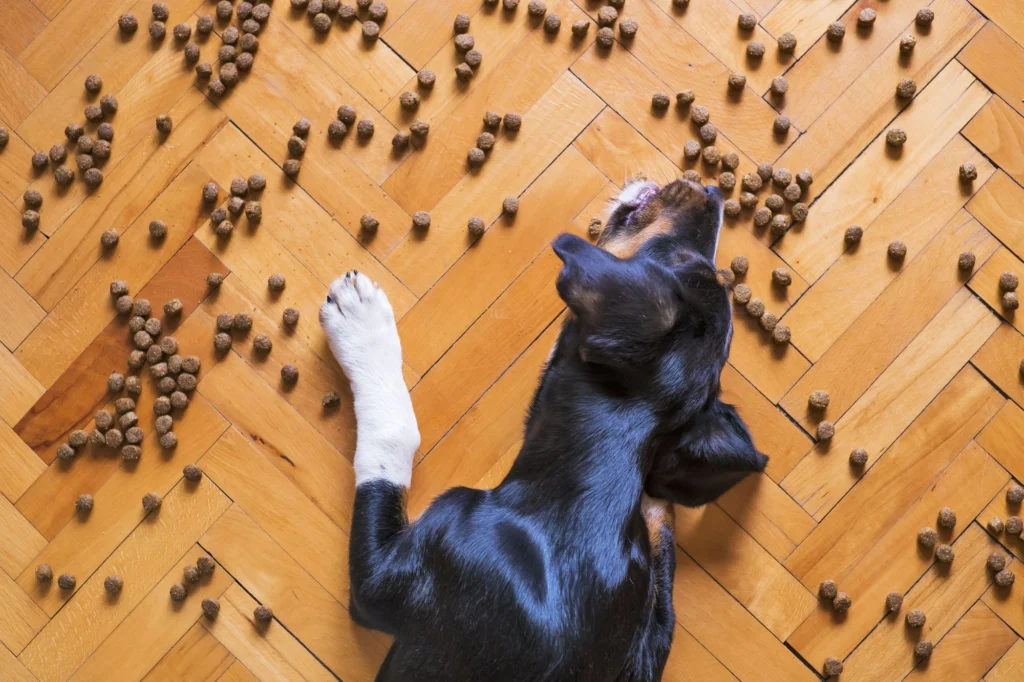
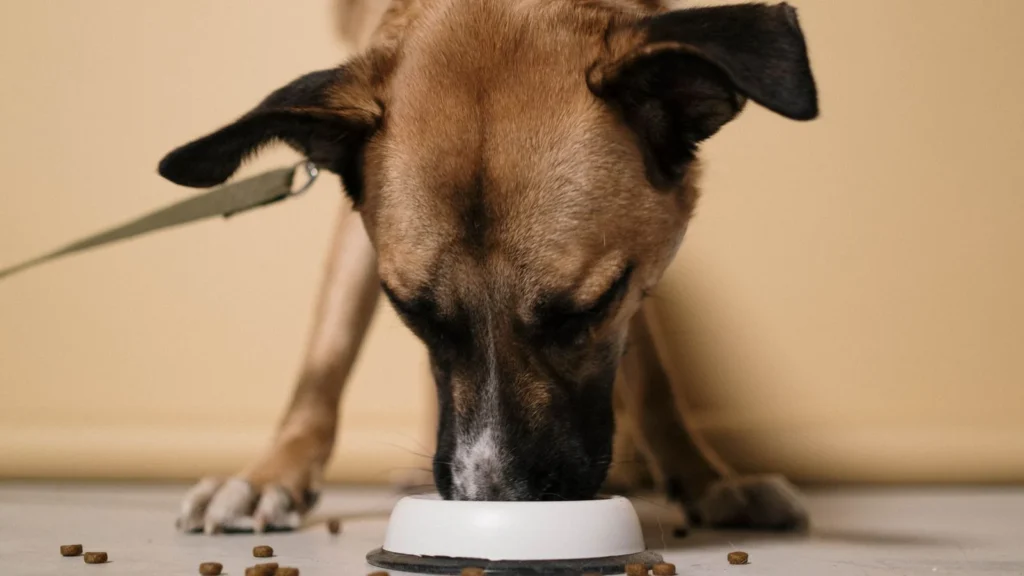
The most obvious clue is speed. If your dog polishes off a full bowl in 30 to 60 seconds, it is almost certainly gulping rather than chewing. That pace means swallowed air and food that hits the stomach in a rush.
How to Fix It
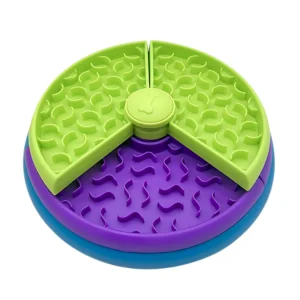
Add resistance with a slow feeder bowl. The molded ridges force your dog to work the food out bite by bite, stretching a one-minute meal into several minutes. A maze-style option like the Triple Maze Feeder is ideal for determined speed eaters. For a deeper look, see our complete guide to slow feeder bowls.
Sign 2: Loud Gulping, Choking, or Coughing
Listen at mealtime. If you hear noisy swallowing, gagging, or coughing, your dog is taking in too much food and air at once. Some dogs even cough up whole, unchewed kibble moments after eating.
How to Fix It
Slow the pace and shrink each mouthful. Besides a slow feeder, try spreading a portion of food across a Slow Licking Mat, which turns quick swallows into calm, deliberate licking. Our guide to lick mats for dogs shares easy ways to use one. If the coughing continues even after you slow things down, check with your veterinarian to rule out other issues.
Sign 3: Vomiting or Regurgitation After Meals
Bringing food back up soon after eating is a common consequence of gulping. When the stomach fills too fast, it may simply reject the load. The American Kennel Club (AKC) notes that eating too quickly can lead to vomiting and discomfort.
It helps to know the difference between the two. Regurgitation is usually passive: undigested food comes back up with little warning, often still shaped like kibble. Vomiting involves heaving and abdominal effort. Speed eating commonly causes regurgitation, while repeated true vomiting deserves a vet visit.
How to Fix It
Pace the meal and consider splitting the daily amount into smaller, more frequent portions. Two or three smaller meals are gentler on the stomach than one large one. Our article on why dogs throw up after eating covers when it is a minor habit and when it deserves a vet visit.
Sign 4: A Swollen or Distended Belly
If your dog’s stomach looks noticeably bloated right after eating, that is a warning sign worth taking seriously. Rapid eating fills the stomach with air along with food, and in deep-chested breeds this can raise the risk of a dangerous condition. Great Danes, Boxers, and German Shepherds are especially vulnerable.
How to Fix It
Slowing the meal is one of the simplest steps many veterinarians recommend for at-risk dogs. Use a slow feeder for every meal, keep water available, and avoid heavy exercise right before and after eating. Learn more in our piece on whether slow feeders help prevent bloat. If the belly is hard and swollen and your dog is retching without bringing anything up, treat it as an emergency and go to a vet immediately.
Sign 5: Constant Begging and Food Guarding
A dog that eats too fast often never feels satisfied. It may beg immediately after the bowl is empty or become tense and protective around food. Eating so quickly means the brain barely registers that a meal happened.
How to Fix It
Make the meal last so the feeling of fullness has time to catch up. A slow feeder or a puzzle feeder gives your dog a longer, more satisfying experience. Mental engagement helps too, and the ASPCA lists feeding meals in food puzzle toys among the ways to exercise both mind and body. Feed guarding-prone dogs in a quiet space where no one will approach the bowl, and ask a certified trainer for help if guarding is intense.
The Two-Minute Speed Test
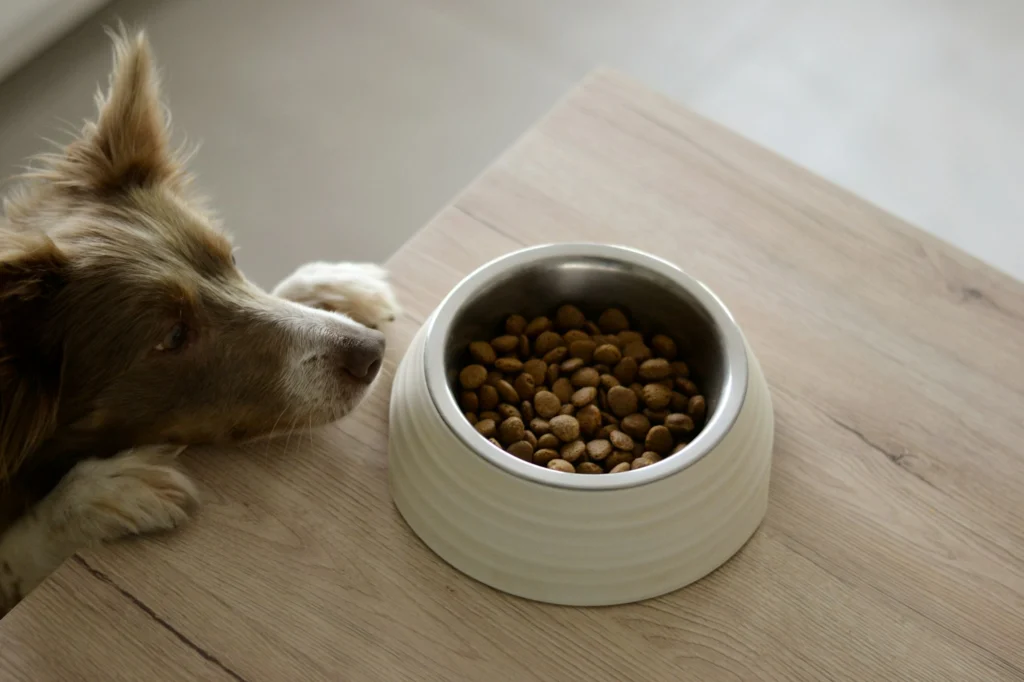
Not sure whether your dog is really a speed eater? Try this simple test over three normal meals. Measure the usual portion, set it down in the usual spot, and start a timer on your phone. Stop the timer when your dog lifts its head from an empty bowl. Write down the time, and note any gulping sounds, coughing, or burping in the next half hour.
If the average is under two minutes for a full meal, or if you heard gulping and coughing, your dog will likely benefit from a slower setup. Repeat the test two weeks after switching to a slow feeder. Seeing the number climb is a satisfying way to confirm the change is working.
Why Slowing Down Matters
Fixing fast eating is not just about tidier mealtimes. Slower meals support better digestion, reduce gas and burping, help with healthy weight, and lower the risk of serious stomach trouble. The Association for Pet Obesity Prevention (APOP) found that 59 percent of US dogs evaluated by veterinary professionals in 2022 were overweight or had obesity, and a longer, more mindful meal is an easy habit that helps. Best of all, these fixes are affordable and simple to start today.
Quick Fixes That Backfire
Some well-meaning tricks cause new problems. Avoid these:
- Putting a small ball or rock in the bowl. Anything small enough to swallow is a choking or obstruction risk.
- Free-feeding to reduce urgency. Leaving food out all day often leads to overeating and makes it hard to track appetite.
- Taking the bowl away mid-meal. This can create anxiety and make guarding worse.
- Making the challenge too hard. A frustrated dog may give up or chew the feeder. Start easy and build up.
A purpose-built slow feeder or puzzle is safer and more reliable than any improvised fix.
How to Ease Your Dog Into a Slower Routine
Changing a fast eater’s habits works best with a gentle transition. On the first day, put your dog’s usual portion into the new feeder or across a lick mat and let it explore without any pressure. Praise calm sniffing and licking, and if your dog seems confused, scatter a few pieces on top to build confidence. Within a few days, most dogs treat the challenge as a normal and enjoyable part of the meal. Stay consistent by using the tool at every feeding, and keep it clean, since the same grooves that slow your dog down can trap bits of food. Our step-by-step guide on how to introduce a slow feeder walks through the full process. A little patience early on pays off with calmer meals for years to come.
When to Call Your Vet
A slow feeder solves a habit, not an illness, so it is worth knowing when to get professional advice. Book a vet visit if your dog’s appetite has suddenly increased, if it is losing weight despite eating quickly and well, if vomiting happens more than occasionally, or if you see blood, diarrhea, or lethargy alongside mealtime problems. These can point to digestive, dental, or metabolic issues that need proper diagnosis.
Go to an emergency clinic right away if your dog has a swollen, tight belly, is retching without producing anything, is drooling heavily, or seems restless and in pain after a meal. Those are classic warning signs of bloat, and fast treatment matters. For everyday speed eating with no other symptoms, the fixes in this guide are an excellent place to start, and your vet can help fine-tune portions and meal timing at your dog’s next checkup.
Get Your Free Slow Feeding Cheat Sheet
Everything in this article — plus portion charts, feeder comparisons and meal plans — in one printable PDF. A 15% discount code is included.
Frequently Asked Questions
Is it dangerous for a dog to eat too fast?
It can be. Beyond everyday discomfort like gas and regurgitation, gulping raises the bloat risk in deep-chested breeds, which can become a medical emergency. Slowing the pace is a smart precaution for any fast eater.
How quickly should a dog eat a meal?
There is no single rule, but a healthy, relaxed pace usually takes several minutes rather than seconds. If your dog finishes in under a minute, a slow feeder can help bring the timing into a healthier range.
Do slow feeders work for every dog?
Most dogs respond well, though you may need to match the maze difficulty and bowl depth to your dog’s size and snout shape. Flat-faced breeds do best with shallow patterns they can easily reach, as we explain in our guide to slow feeders for flat-faced dogs.
Can puppies be fast eaters too?
Very often. Starting a puppy on a shallow, easy slow feeder builds calm habits early. See our guide to feeding a fast-eating puppy.
Help Your Dog Slow Down Today
Spotting the signs your dog eats too fast is the first step, and fixing them is easier than you might think. The right feeder can transform frantic, risky meals into calm, healthy ones. Browse our slow feeders, lick mats, and puzzle toys in the Pets Sparkle shop and give your dog the relaxed mealtime it deserves.
Sources
The veterinary and animal-welfare resources referenced in this guide:

Digital marketing specialist at BrightSeen Marketing Agency. Turns veterinary research into clear, practical feeding guides for pet parents.
Mahmoud works for BrightSeen Marketing Agency, which looks after our SEO and GEO and Meta ads.
View all articles by Mahmoud