 Written by
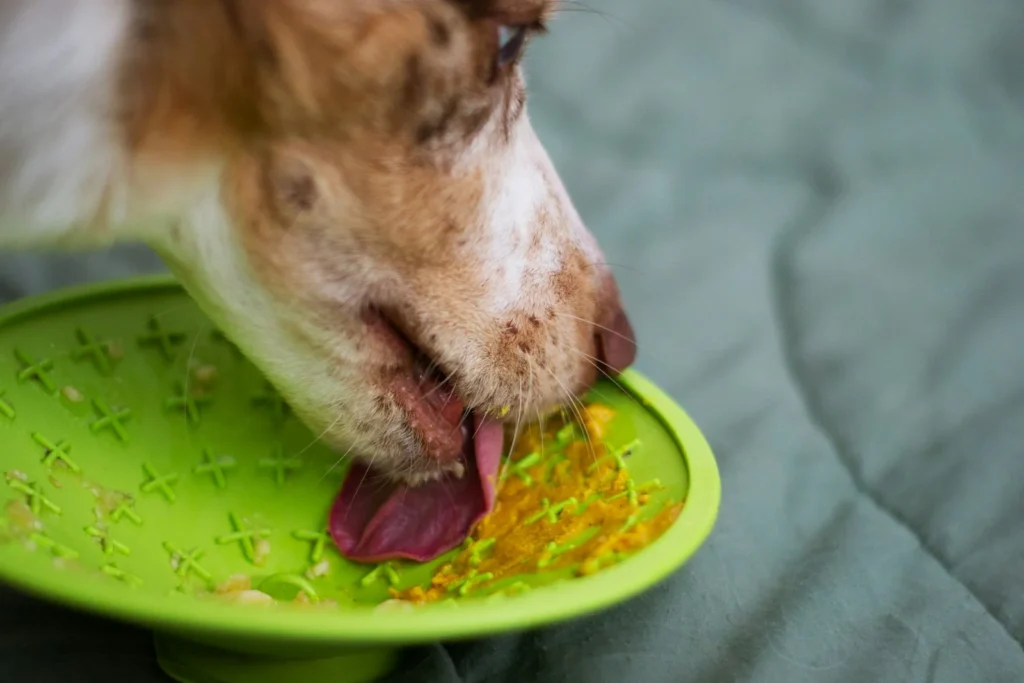
If you have not discovered lick mats yet, your dog is about to thank you. These simple textured mats have become one of the most popular enrichment tools for good reason. Lick mats for dogs turn a spoonful of a tasty spread into ten minutes of calm, happy focus, and they work wonders for anxiety, boredom, and fast eating alike. In this guide, we will cover the real benefits, how to choose a mat, the best toppings and the foods to avoid, and exactly how to use one so you and your pup get the most out of every lick.
What Is a Lick Mat?
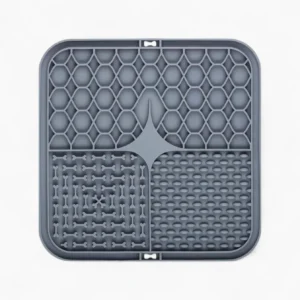
A lick mat is a flat mat, usually made of food-safe silicone, covered in ridges, bumps, or grooves. You spread a soft food across the surface, and your dog has to lick it out of all those little textures. That simple design stretches a small amount of food into a long, satisfying activity. Many mats have suction backs so they stick to the floor, a wall, or the side of the bathtub, keeping them in place while your dog works.
The magic is in the licking itself. Licking is a natural, self-soothing behavior for dogs, similar to how it can be calming for us to do something repetitive with our hands. Puppies lick their mothers, and adult dogs often lick to settle themselves when they feel unsure. A lick mat channels that instinct into something positive and productive.
Lick Mats & Calming Routines: The Complete Handbook
Get our expert cheat sheet delivered to your inbox — plus an exclusive 15% discount code for your first order.
The Benefits of Lick Mats for Dogs
Reduces Anxiety and Stress
The repetitive licking motion helps many dogs relax and lower their stress. That makes lick mats a fantastic tool for nervous dogs during storms, July 4th fireworks, vet visits, or when you leave for work. If your dog struggles with anxiety, our guide to lick mats for anxious dogs goes deeper.
Slows Down Fast Eaters
For dogs that inhale their food, spreading a meal across a lick mat forces a much slower pace. That eases digestion and can reduce gulping and the vomiting that sometimes follows. The American Kennel Club notes that slowing down mealtime helps dogs who eat too fast.
Fights Boredom
A lick mat gives your dog a job to do. Mental stimulation like this is a key part of enrichment, which the ASPCA highlights as one key to a happy, healthy pet. A busy dog is far less likely to chew your shoes or bark out of boredom.
Makes Grooming and Vet Care Easier
Stick a lick mat to the tub wall during baths or nail trims and watch your dog relax. The tasty distraction turns stressful routines into manageable ones.
Supports Mouth and Tongue Activity
Licking through textured grooves keeps the tongue busy and encourages saliva, and many owners like that it gives their dog a satisfying oral activity. It does not replace brushing, but it is a pleasant addition to your dog’s routine.
How to Choose a Lick Mat
Size
Pick a mat large enough that your dog cannot fit the whole thing in its mouth. Larger dogs need bigger, thicker mats, while small dogs do well with compact designs.
Texture Pattern
Shallow, wide patterns are easy and great for beginners or flat-faced breeds. Deeper, tighter textures take longer to clean out and suit experienced lickers.
Material
Look for food-grade, BPA-free silicone that is dishwasher safe. Thicker silicone holds up better and is harder to tear.
Mat or Bowl?
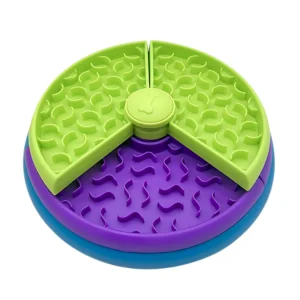
Flat mats with suction cups are perfect for baths and walls. If your dog tends to grab and carry the mat, a bowl-style option like the Interactive Licking Bowl stays put more easily and is harder to chew. The Slow Licking Mat from Pets Sparkle is a durable, food-safe mat that suits dogs of all sizes.
The Best Lick Mat Toppings
The fun part is filling your mat. The best toppings are soft enough to spread but sticky enough to make your dog work. Always keep portions sensible and choose dog-safe foods.
- Peanut butter: A classic favorite. Just make sure it is xylitol-free, since the ASPCA warns that xylitol is toxic to dogs. Use a thin layer, as it is high in calories.
- Plain Greek yogurt: Cool, creamy, and full of protein. Great for hot summer days in states like Texas or Florida. Choose plain, unsweetened yogurt.
- Canned pumpkin: Plain pumpkin, not pie filling, is gentle on the tummy and fiber-rich.
- Wet dog food or pate: An easy way to serve a slow, mess-free meal.
- Mashed banana or sweet potato: Naturally sweet and easy to spread.
- Bone broth: Low-sodium, onion-free broth can be spread thin with a thicker base or frozen for a longer treat.
- Soaked kibble: Soften your dog’s regular kibble in warm water, mash it, and spread it for a zero-extra-calorie option.
For frozen fun, spread your topping, then freeze the mat for an hour or two. A frozen lick mat lasts much longer and doubles as a cooling treat during a heat wave. Want more ideas? Check out our best lick mat toppings and recipes.

Three Difficulty Levels to Try
You can make the same lick mat easier or harder depending on how long you want it to last. Adjusting the challenge keeps things interesting and lets you match the session to the situation.
Easy: Fresh and Thin
Spread a thin layer of a soft topping such as wet food or yogurt on the surface without pressing it deep into the grooves. This is perfect for beginners, puppies, seniors, and flat-faced dogs, and it usually lasts a few minutes.
Medium: Pressed and Chilled
Press the topping firmly into every groove with the back of a spoon, then refrigerate the mat for 20 to 30 minutes. The chilled spread is firmer and takes longer to lick out, which makes it great for bath time or brushing.
Hard: Layered and Frozen
Press a base layer into the grooves, add a thin second layer, then freeze the mat for a few hours or overnight. A fully frozen mat can keep an experienced licker busy for a long stretch and is ideal for fireworks, thunderstorms, or settling in when you leave the house. Prep a few in advance and keep them in the freezer so one is always ready.
Foods to Never Put on a Lick Mat
Some common kitchen foods are dangerous for dogs. The ASPCA lists these among the foods to keep away from pets. Never use:
- Anything sweetened with xylitol, including some peanut butters, yogurts, and sugar-free products
- Chocolate or cocoa
- Grapes and raisins
- Onions, garlic, chives, or broths and baby foods seasoned with them
- Macadamia nuts
- Heavily salted, spiced, or fatty leftovers
Always read labels carefully, and ask your vet before adding new foods if your dog has a sensitive stomach or a special diet.
How to Use a Lick Mat
Using a lick mat is easy. Spread a thin layer of your chosen topping across the surface, pressing it into the grooves. Stick the mat to a flat surface, hand it to your dog, and let them go to work. Start with easy toppings and a modest amount so your dog learns the routine. For a bigger challenge, freeze it or use a thicker spread.
Portion matters. Count the toppings as part of your dog’s daily food so you do not overfeed. Most experts suggest treats and extras stay a small share of daily calories, so a thin layer goes a long way. When you use a lick mat for a full meal, simply spread part of your dog’s usual wet food portion instead of adding extras.
Six Smart Ways to Use a Lick Mat
- Slow meals: Spread wet food or soaked kibble for a calm, paced dinner.
- Bath time: Stick it to the tub wall to keep your dog happy and still.
- Nail trims and brushing: A frozen mat buys you several calm minutes.
- Crate training: Offer a mat in the crate so it becomes a place your dog loves.
- Home alone: Give a frozen mat as you leave to create a positive departure routine, supervising at first.
- Noisy events: Storms, fireworks, and visitors are easier with something soothing to focus on.
Safety Tips for Chewers
Some dogs, especially puppies and power chewers, try to chew or rip a lick mat instead of licking it. Supervise every session until you know your dog’s habits, and remove the mat as soon as the food is gone. If your dog bites off pieces of silicone, switch to a thicker mat, a bowl-style licker, or a mat mounted on a wall where it is harder to grab. Check the mat regularly and replace it if you see tears or chewed edges.
Keeping Your Lick Mat Clean
Cleanliness keeps your dog healthy. Rinse the mat right after use so food does not dry in the grooves, then wash with warm, soapy water or pop it in the dishwasher if it is dishwasher safe. A small brush helps reach tight textures. For a full routine, see our guide on how to clean a slow feeder and lick mat.

Get Your Free Slow Feeding Cheat Sheet
Everything in this article — plus portion charts, feeder comparisons and meal plans — in one printable PDF. A 15% discount code is included.
Frequently Asked Questions
How long should my dog use a lick mat?
Sessions of 10 to 20 minutes are ideal. A frozen mat can last longer. Always supervise your dog, especially at first, to be sure they lick rather than chew off pieces.
Are lick mats safe for all dogs?
Most dogs do great with them, but choose a sturdy, food-grade silicone mat and supervise heavy chewers. If your dog tends to bite and swallow silicone, a licking bowl may be a safer choice.
How often can I give my dog a lick mat?
Daily use is fine as long as you count the toppings toward your dog’s daily calories. Many owners use one during work calls, mealtimes, or stressful events like thunderstorms.
Can puppies use lick mats?
Yes. Lick mats are great for teething puppies and crate training. Use simple toppings, keep portions small, and supervise closely. Our slow feeders for puppies guide has more tips.
Give Your Dog the Gift of Calm
Lick mats are one of the simplest, most affordable ways to reduce your dog’s anxiety, slow down fast eating, and beat boredom, all with a spoonful of something tasty. Pick dog-safe toppings, keep portions in check, and clean the mat after each use, and you will have a happy, relaxed pup. Ready to try one? Browse the Pets Sparkle collection of lick mats and enrichment feeders and find the perfect match for your dog today.
Sources
The veterinary and animal-welfare resources referenced in this guide:

Digital marketing specialist at BrightSeen Marketing Agency. Turns veterinary research into clear, practical feeding guides for pet parents.
Mahmoud works for BrightSeen Marketing Agency, which looks after our SEO and GEO and Meta ads.
View all articles by Mahmoud