 Written by
Lick mats have been a favorite with dog owners for years, but more and more cat parents are discovering that the same slow, repetitive licking that settles a nervous dog can help a cat too. Whether your cat gulps meals and brings them back up, hides every time the carrier appears, or simply needs something to do on a long indoor afternoon, a lick mat is one of the simplest tools you can add to your routine. This guide covers the calming and digestive benefits, cat-safe toppings and portions, how to introduce a mat, and how to choose and care for one.
What Is a Lick Mat, and Why Do Cats Love Them?
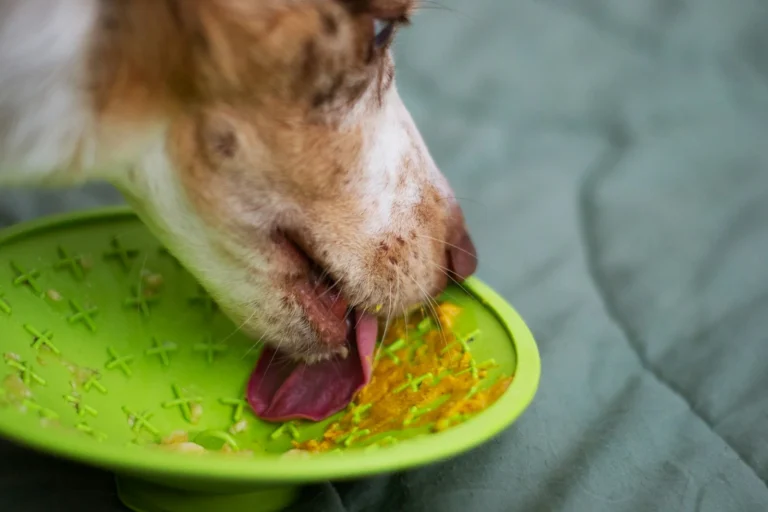
A lick mat is a textured silicone mat, usually covered in raised nubs, ridges, or a maze-like pattern, designed to hold soft food, wet food, or purees so your cat has to work a little to get every last bite. Instead of a flat bowl your cat can empty in seconds, the textured surface forces a slower pace, turning mealtime or snack time into a few extra minutes of gentle, focused activity.
Cats are natural hunters, built to eat many small meals a day and to work for each one. A lick mat taps into that instinct in a low-key way. Cats also have naturally rough, backward-facing papillae on their tongues, which makes them very efficient lickers, and a textured mat gives that tongue something satisfying to do. The repetitive licking motion is soothing for many cats, which is why lick mats have become a go-to tool for calming anxious pets, not just a slow-feeding gadget.
The Complete Guide to Lick Mats & Calming Routines
Get our expert guide delivered to your inbox — plus an exclusive 15% discount code for your first order.
Signs Your Cat Is Stressed
Cats are experts at hiding stress, so it helps to know the quieter signals:
- Hiding under beds or in closets more than usual
- Over-grooming, sometimes to the point of thinning fur
- Hissing, swatting, or unusual irritability
- Changes in appetite, including refusing food when routines change
- Urinating or defecating outside the litter box
- Dilated pupils, flattened ears, or a low, tucked body posture
Several of these can also have medical causes, so talk to your vet about any sudden change. For everyday, situational stress, a lick mat can be a helpful part of your toolkit.
The Calming Benefits of Lick Mats for Anxious Cats
A lick mat spread with something your cat loves can help redirect nervous energy into a calm, repetitive behavior. It works best when your cat already knows and enjoys the mat, so introduce it during quiet times first.
Vet Visits, Grooming, and the Carrier
Few things stress a cat out faster than seeing the carrier come out of the closet. Leave the carrier out as a normal piece of furniture, and offer a lick mat with a thin layer of wet food inside or beside it for a few days before an appointment. This helps your cat build a more relaxed association with the carrier. Ask your vet team whether you can bring the mat along; many clinics that practice low-stress handling welcome food distractions during weigh-ins and exams. At home, a lick mat can also make brushing and nail trims easier.
Fireworks, Storms, and Moving Day
Sudden loud noises like fireworks and thunder are common triggers of fear in pets, and the Fourth of July is one of the toughest nights of the year for many animals. If you live somewhere prone to booming summer storms, such as the Midwest or the Southeast, set up a quiet room with a hiding spot and a frozen lick mat to give your cat something to focus on besides the noise outside. The same trick works for moving day, houseguests, or a car trip, any time your cat’s routine gets turned upside down.
Slow, Mindful Eating: A Digestive Bonus
Beyond the calming effect, slowing down how fast your cat eats has real digestive upside. Cats that gulp food too quickly are more prone to regurgitating shortly after meals, and fast eating is one of the most common, preventable reasons healthy cats bring up their food. Spreading food thin across a textured mat naturally paces the meal, giving your cat’s stomach time to keep up. Our guide on why cats throw up after eating explains when pacing helps and when to see a vet, since Cornell Feline Health Center advises a vet evaluation for cats that vomit more than once a week.
A slower pace can also support cats who are managing their weight. The Association for Pet Obesity Prevention found that 61 percent of cats evaluated by US veterinary professionals in 2022 were overweight or had obesity, and portion-controlled, slow feeding tools are one piece of a broader weight management plan made with your veterinarian. See our guide to helping an overweight cat slim down.
Vet-Safe Lick Mat Toppings for Cats
Cats are obligate carnivores, so the best toppings are simple, meat-based, and easy to spread thin. Good options include:
- Your cat’s regular wet food or pate, thinned with a little warm water
- Plain, unsalted bone broth with no onion or garlic, used to moisten wet food or frozen in the grooves
- Cooked, unseasoned chicken or turkey, mashed into a paste with a little water
- Plain cooked fish, as an occasional treat rather than a daily staple
- Lickable cat treats made for cats, used sparingly
- A small amount of plain canned pumpkin mixed into wet food, if your vet approves
Many adult cats do not digest lactose well, so skip milk and use yogurt only in tiny amounts, if at all, and only if your vet agrees. Avoid onion, garlic, chives, chocolate, grapes and raisins, xylitol, alcohol, caffeine, and anything seasoned or salted. The ASPCA’s list of people foods to avoid is a helpful reference, and onion and garlic in particular can damage a cat’s red blood cells. Watch out for store-bought broths and baby foods that contain onion or garlic powder. When in doubt, ask your veterinarian before trying something new, especially if your cat has a health condition or prescription diet.
How Much Topping Should You Use?
Cats are small, so a little goes a long way. For a treat or calming session, a teaspoon or two of a rich topping is usually plenty. When you use the mat for a meal, simply spread part of your cat’s normal wet food portion rather than adding extra food. Keep treats and extras to a small share of your cat’s daily calories, and adjust meals if you use lick mats every day. For cats on a weight plan, stick to their regular food or a vet-approved low-calorie option.
How to Introduce Your Cat to a Lick Mat
- Start with a familiar flavor. Use your cat’s regular wet food for the first few sessions so the mat itself does not feel like a strange new object.
- Spread it thin. A thin, even layer forces slower licking than a thick glob your cat can lap up in one go. For the very first try, leave some food on top of the ridges for an easy win.
- Pick a quiet moment. The first few tries should happen somewhere calm, not right before a stressful event, so your cat forms a positive association.
- Place it where your cat feels safe. Near the usual feeding spot, away from the litter box and busy areas, works best.
- Try freezing it. Once your cat is comfortable, popping the loaded mat in the freezer for 20 to 30 minutes makes the activity last longer, which is especially welcome on hot afternoons in warmer states like Florida or Arizona. Let it soften for a minute if your cat has sensitive teeth.
- Clean it after every use. Food-grade silicone mats are typically dishwasher-safe on the top rack; check the care instructions to keep bacteria from building up in the grooves.
Choosing the Right Lick Mat for Your Cat
Not every lick mat is built with cats in mind. Look for a mat sized for a smaller mouth and tongue, with a fine, shallow texture rather than deep grooves made for large dogs. It should be made from food-grade, BPA-free silicone and have a suction base or non-slip backing so it does not slide across the floor while your cat works at it. A wide, flat design also avoids the whisker discomfort some cats feel with deep, narrow bowls.
Our Slow Licking Mat is designed with a gentle ridge pattern that suits cats and small dogs alike, and pairs well with our Interactive Licking Bowl for cat parents who want to rotate between mealtime enrichment tools throughout the week. For kibble meals, a shallow maze such as the Treat Maze Bowl complements a lick mat nicely. Our guide to slow feeders for cats compares the options.
Lick Mats for Kittens, Seniors, and Flat-Faced Cats
Kittens can use lick mats once they are eating solid food confidently. Use their kitten food as the topping, keep sessions short, and supervise closely. See our kitten slow feeding guide.
Senior cats often benefit most. Licking is easier than chewing for cats with dental problems, and a flat mat does not require bending into a deep bowl with stiff joints. Our guide to feeding senior cats explains why.
Flat-faced breeds such as Persians and Exotic Shorthairs can struggle with deep bowls, so a shallow lick mat is often one of the most comfortable ways for them to eat wet food.
Safety and Cleaning
Supervise your cat with a lick mat, at least until you know it licks rather than chews. Remove the mat when the food is gone, and replace it if you see tears, bite marks, or pieces missing. Wash the mat after every use with warm, soapy water and a small brush, or on the top rack of the dishwasher, and let it dry completely. Cats are very sensitive to smell and may reject a mat with old residue. Our step-by-step guide on how to clean a slow feeder and lick mat covers the routine.

Get Your Free Slow Feeding Guide
Everything in this article — plus portion charts, feeder comparisons and meal plans — in one printable PDF. A 15% discount code is included.
Frequently Asked Questions
Are lick mats safe for kittens?
Yes, as long as the toppings are appropriate for a kitten’s diet and the mat is supervised during use. Check with your veterinarian before introducing new foods to a kitten under a year old.
Can lick mats help with hairballs?
Slower eating alone will not eliminate hairballs, but it can reduce the gulping of air and food that sometimes triggers vomiting shortly after a meal. Regular grooming and a hairball-support diet, discussed with your vet, address the root cause more directly.
How often can I use a lick mat with my cat?
Daily use is generally fine as a mealtime tool or an occasional calming aid, as long as the toppings are figured into your cat’s overall daily calorie intake, especially for cats who need to watch their weight.
What if my cat ignores the lick mat?
Some cats need a few tries before they understand what to do. Start with a topping you know your cat already loves, dab a little on your finger to show it, and keep early sessions short and pressure-free.
Make Mealtime a Moment of Calm
Whether you are prepping for a Fourth of July evening, a trip to the vet, or just want to add a little enrichment to an ordinary Tuesday, a lick mat is one of the simplest tools in a cat parent’s kit. Browse our full lineup of slow feeders, lick mats, and puzzle feeders in the Pets Sparkle shop to find the right fit for your cat’s next calm, happy mealtime.