 Written by
Few things send a cat parent scrambling for paper towels faster than the sound of a cat about to be sick right after dinner. If your cat is throwing up after eating, you are not alone, and in many cases the reason is more about how your cat eats than a serious illness. Still, vomiting can point to real health issues, so it helps to understand the common causes and know when it is time to call your veterinarian.
This guide walks through why cats vomit after meals, the difference between regurgitation and true vomiting, what the appearance of the vomit can tell you, the red flags that mean a vet visit, and simple changes at home, from slow feeders to safer food switches, that can calm mealtimes for good.
The Most Common Reason: Eating Too Fast
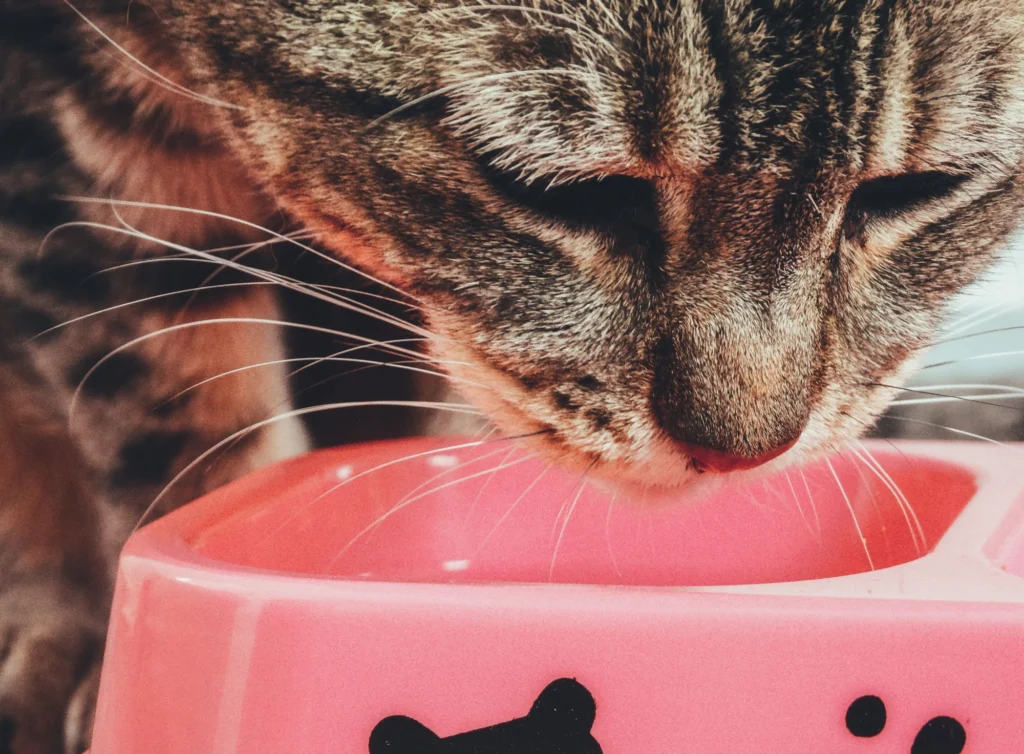
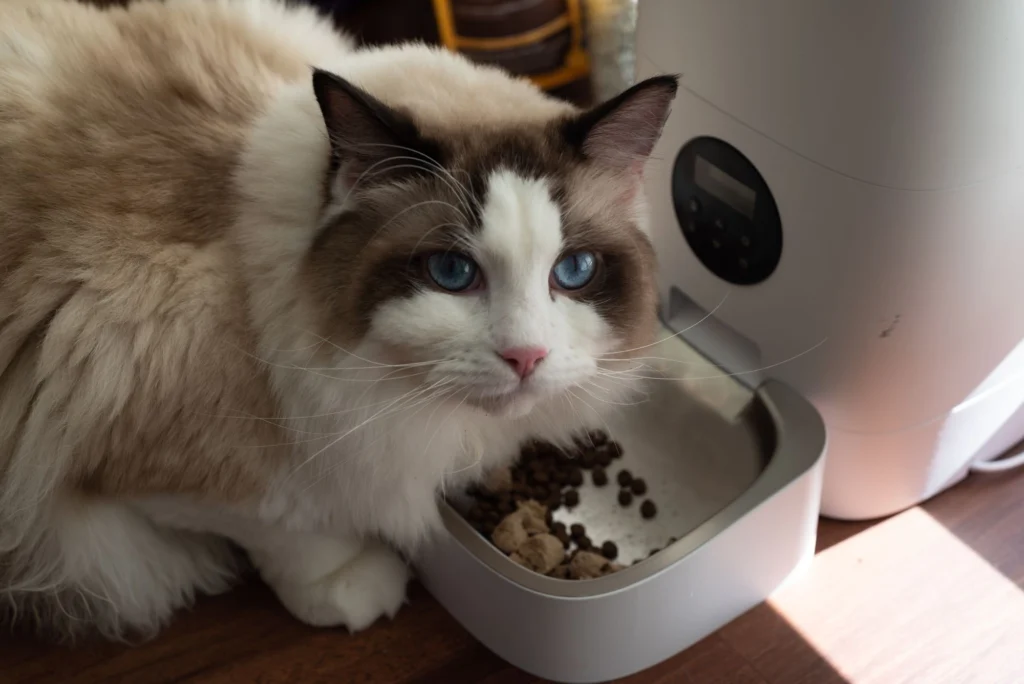
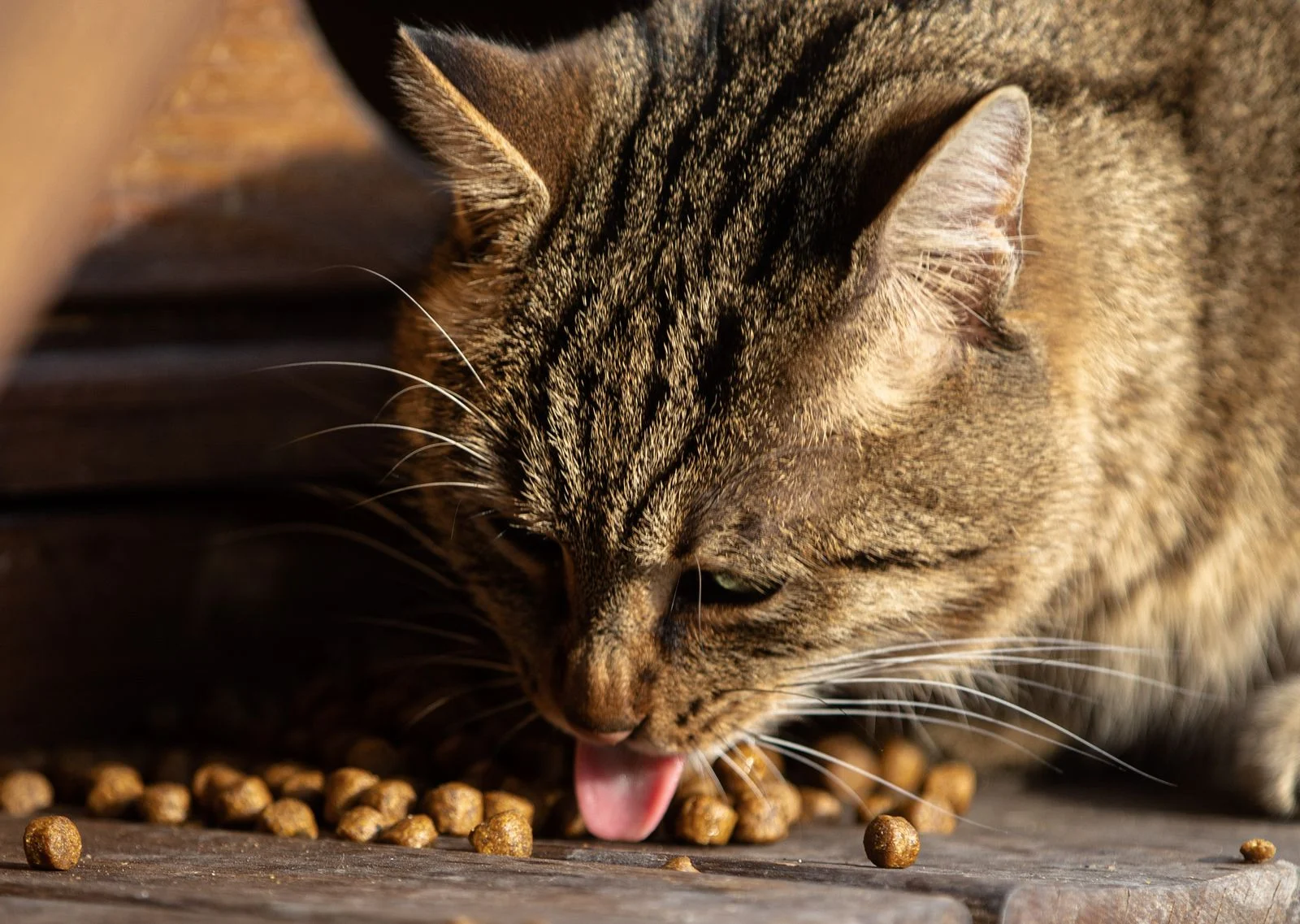
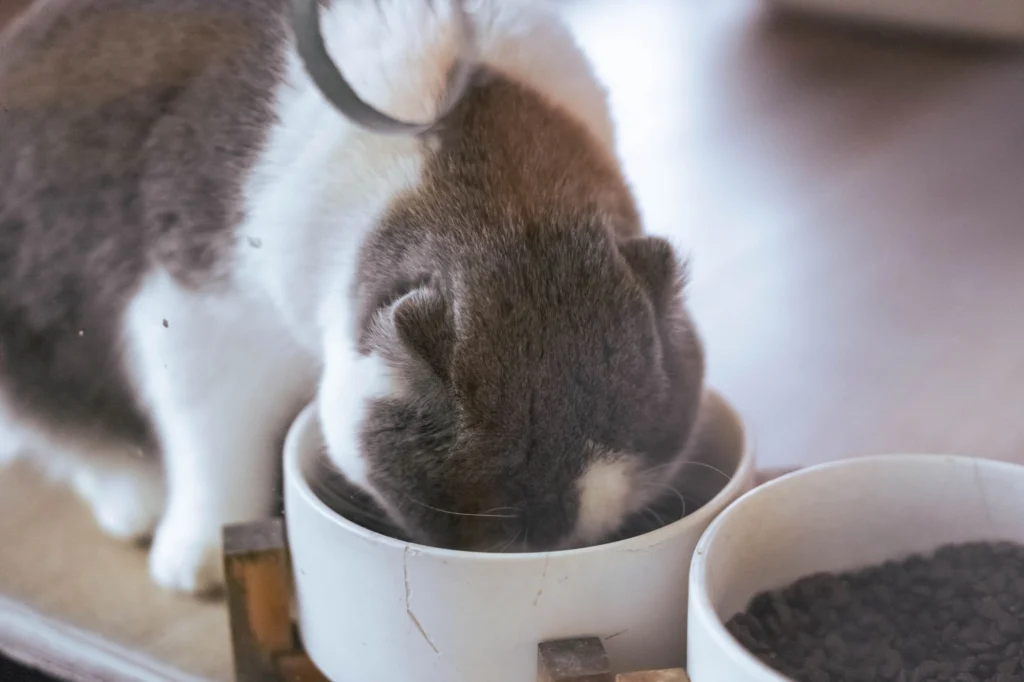
The number one cause of a healthy cat throwing up right after eating is simple: speed. Cats are natural grazers who, in the wild, eat many small meals a day. When a hungry house cat gulps down a full bowl in under a minute, air gets swallowed along with the food, and the stomach stretches quickly. The body responds by bringing the meal right back up, often still in tube-shaped, barely chewed pieces. Pet parents sometimes call this scarf and barf.
The Cat Parent's Slow Feeding & Enrichment Handbook
Get our expert cheat sheet delivered to your inbox — plus an exclusive 15% discount code for your first order.
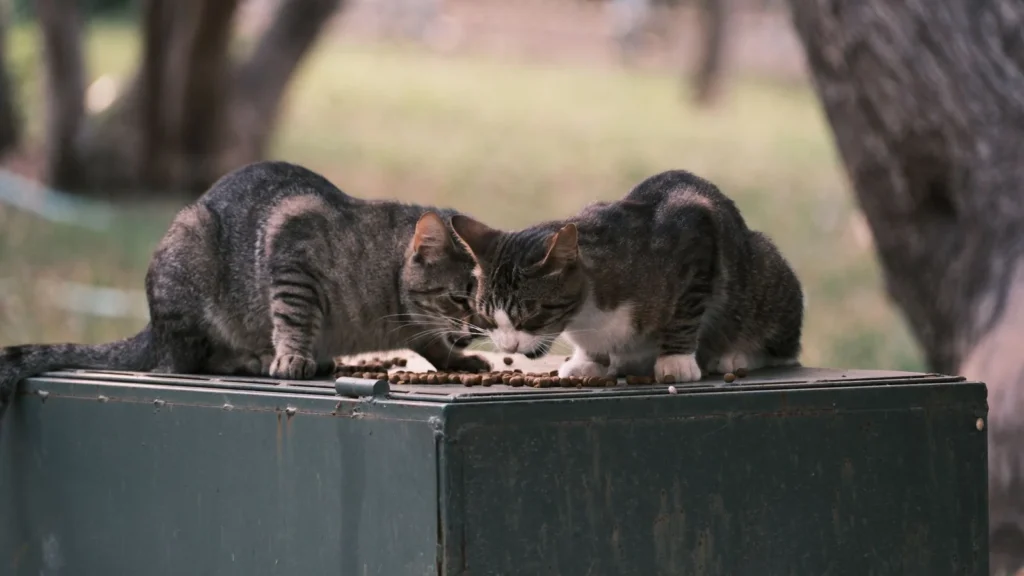
This is especially common in multi-cat homes where competition drives fast eating, and in cats fed one or two large meals instead of several small ones. The good news is that this type of vomiting is usually easy to manage once you slow the pace of eating.
Regurgitation vs. True Vomiting
Knowing the difference helps you describe the problem to your vet. Regurgitation happens passively and quickly, usually within minutes of eating. The food comes up undigested, tube-shaped, and there is little warning or effort. True vomiting is an active process with heaving, abdominal contractions, and often drooling beforehand. Vomited material is usually partly digested and may contain yellow bile.
Fast eating typically causes regurgitation. True vomiting, especially when it happens well after meals or repeatedly, is more likely to signal an underlying issue worth investigating.
What the Vomit Can Tell You
It is not pleasant, but taking a quick look before you clean up can give your vet useful information. Here are some common appearances and what they may suggest. This is a general guide, not a diagnosis.
- Whole, tube-shaped kibble soon after eating: usually regurgitation from eating too fast.
- A sausage-shaped clump of fur: a hairball. Occasional ones are common; frequent ones deserve a vet chat.
- Yellow foam or liquid: often bile, which can appear when the stomach is empty, such as early in the morning.
- Clear liquid or white foam: may follow drinking too quickly or an empty stomach.
- Grass or plant material: your cat has been chewing plants. Make sure none of your houseplants are toxic.
- Red streaks, fresh blood, or dark material that looks like coffee grounds: call your vet promptly.
If you can, snap a photo on your phone. It is much easier than trying to describe it later.
Other Common Causes
Hairballs
Cats groom constantly and swallow loose fur, which can collect in the stomach. According to the Cornell Feline Health Center, an occasional hairball is not unusual, but cats that vomit more than once a week, or that show lethargy, weakness or decreased appetite, should be evaluated by a veterinarian. Long-haired breeds are especially prone.
Food Sensitivities or a Diet Change
Switching foods too quickly can upset a cat’s stomach. So can a genuine food sensitivity to a particular protein or ingredient. If vomiting started after a new bag or flavor, that timing is a clue. The AAHA notes that adjusting diets gradually over four to seven days may reduce digestive upset.
Eating Something They Should Not
Plants, string, hair ties, and human foods can all trigger vomiting. Some common houseplants and cut flowers, including lilies, are highly toxic to cats, and even small exposures can cause serious harm. String, ribbon, and tinsel are especially dangerous because they can tangle in the intestines. Keep tempting hazards out of reach, and call your vet immediately if you suspect your cat has eaten something toxic or a length of string.
Underlying Medical Conditions
Chronic vomiting can be linked to conditions such as inflammatory bowel disease, kidney disease, hyperthyroidism, or diabetes, which are more common in older cats. Only a veterinarian can diagnose these, which is why persistent vomiting always deserves a checkup. Our guide to feeding senior cats covers gentle mealtime changes for older felines.
When to Call Your Veterinarian
Occasional vomiting in an otherwise happy, playful cat is usually not an emergency. But contact your vet promptly if you notice any of these red flags:
- Vomiting several times in a day, or for more than a day or two
- Blood in the vomit
- A bloated or painful belly
- Ongoing loss of appetite or weight loss
- Lethargy or hiding
- Diarrhea alongside vomiting
- Signs of dehydration such as tacky gums
- Retching without producing anything
Kittens, senior cats, and cats with existing health problems should be seen sooner rather than later, since they dehydrate quickly. Cats also should not go without food for long, so a cat that stops eating needs attention. When in doubt, a phone call to your vet is always the safest first step.
How to Help a Cat That Eats Too Fast
If your vet has ruled out medical causes and speed is the culprit, a few practical changes can make a real difference.
Slow Down the Meal
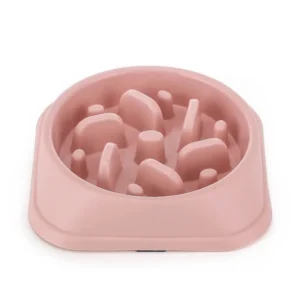
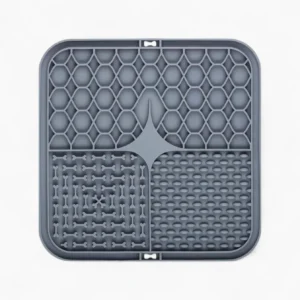
A slow feeder is one of the simplest fixes. These bowls use ridges, mazes, or textured surfaces that turn a gulp-and-go meal into a puzzle your cat has to work around. Our Interactive Licking Bowl suits cats and slows eating while adding gentle enrichment, and the shallow Treat Maze Bowl works well for dry kibble. For wet food or toppers, a Slow Licking Mat spreads the meal thin so your cat licks rather than gulps. You can learn more in our guide to slow feeders for cats.
Feed Smaller, More Frequent Meals
Instead of one big bowl, offer several small portions through the day. This matches a cat’s natural grazing style and keeps the stomach from being overloaded at once. Automatic feeders can help with timing if you work long hours.
Separate Cats at Mealtime
In multi-cat homes, feed each cat in its own spot so no one feels rushed by competition. This also lets you monitor who is eating what. Our guide to feeding multiple cats in one household has a full plan.
Add Foraging and Play
Puzzle feeders and a short play session before meals can help a food-obsessed cat approach dinner more calmly. See our cat puzzle feeders guide for ideas.
Raise the Bowl Slightly
Some cats do better with a slightly elevated dish, which can ease the angle of swallowing and reduce spitting up.
How to Switch Foods Safely
If you are changing your cat’s food, go gradually to give the digestive system time to adjust. A simple schedule looks like this:
| Days | Old food | New food |
|---|---|---|
| 1 to 2 | 75% | 25% |
| 3 to 4 | 50% | 50% |
| 5 to 6 | 25% | 75% |
| 7 onward | 0% | 100% |
If vomiting or loose stools appear, slow down and stay at the previous step for a few extra days. Sensitive cats may need two weeks or more.
Reducing Hairballs
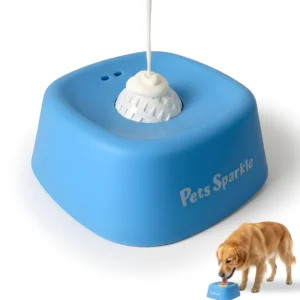
You cannot stop a cat from grooming, but you can reduce how much fur ends up in the stomach. Brush your cat regularly, daily for long-haired breeds during shedding season. Make sure fresh water is always available, and consider a water fountain if your cat is a reluctant drinker. Ask your vet whether a hairball-control diet or remedy makes sense for your cat. If hairballs are frequent, mention it at your next visit, since excessive grooming can sometimes point to skin problems or stress.
Keep a Simple Vomit Diary
For cats that vomit now and then, a quick log can reveal patterns you would otherwise miss. Note the date and time, how long after eating it happened, what the vomit looked like, what your cat ate, and anything unusual that day, such as a new food, visitors, or a missed meal. Bring the log to your vet. A few weeks of notes often makes it much easier to pinpoint the cause.

Get Your Free Slow Feeding Cheat Sheet
Everything in this article — plus portion charts, feeder comparisons and meal plans — in one printable PDF. A 15% discount code is included.
Frequently Asked Questions
Why does my cat throw up right after eating but seems fine otherwise?
The most likely reason is eating too fast, which causes regurgitation of undigested food. If your cat is bright, active, and holding a healthy weight, slowing the meal often solves it. Mention it to your vet at the next visit to be safe.
Can a slow feeder really stop my cat from vomiting?
If the vomiting is caused by gulping, yes, a slow feeder often helps a great deal by pacing each bite. It will not fix vomiting caused by illness, hairballs, or toxins, so a vet check is still smart if the problem continues.
How much vomiting is too much?
A rare hairball or occasional upset is usually normal. Vomiting more than once or twice a week, or any vomiting paired with weight loss, lethargy, or appetite changes, warrants a veterinary visit.
Should I skip my cat’s next meal after vomiting?
Do not withhold food from a cat for long without your vet’s advice. Cats can develop serious problems if they stop eating. Offering a smaller portion is usually safer, and call your vet if your cat will not eat.
Why does my cat throw up hours after eating?
Vomiting well after a meal is more likely to be true vomiting rather than regurgitation from speed. Hairballs, a food sensitivity, or an underlying health issue are more common causes here. If it happens more than occasionally, book a vet visit and bring your vomit diary.
Is wet or dry food better for a cat that vomits?
Some cats do better on wet food, which is softer and adds moisture, while others do fine on kibble served slowly. There is no single answer, so talk to your vet before making a big change, and switch gradually.
Calmer Meals Start Here
Once your vet has ruled out medical causes, the fix for a fast eater is often simple: slow the pace, shrink the portions, and give your cat something to work for. Ready to help your cat keep dinner down? Browse our cat-friendly slow feeders and lick mats in the Pets Sparkle shop and turn stressful mealtimes into calm, happy ones.
Sources
The veterinary and animal-welfare resources referenced in this guide:

Digital marketing specialist at BrightSeen Marketing Agency. Turns veterinary research into clear, practical feeding guides for pet parents.
Mahmoud works for BrightSeen Marketing Agency, which looks after our SEO and GEO and Meta ads.
View all articles by Mahmoud