 Written by
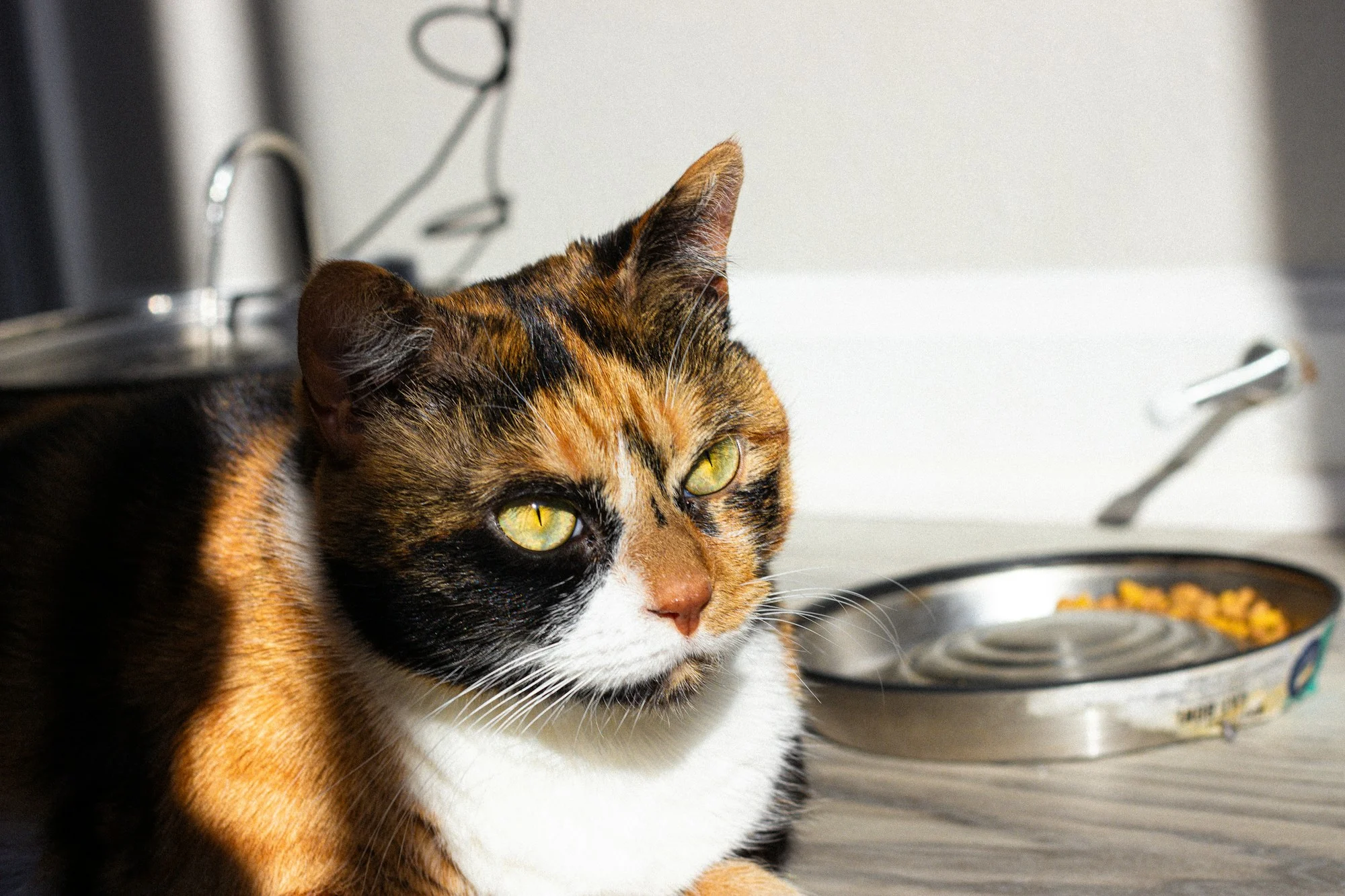
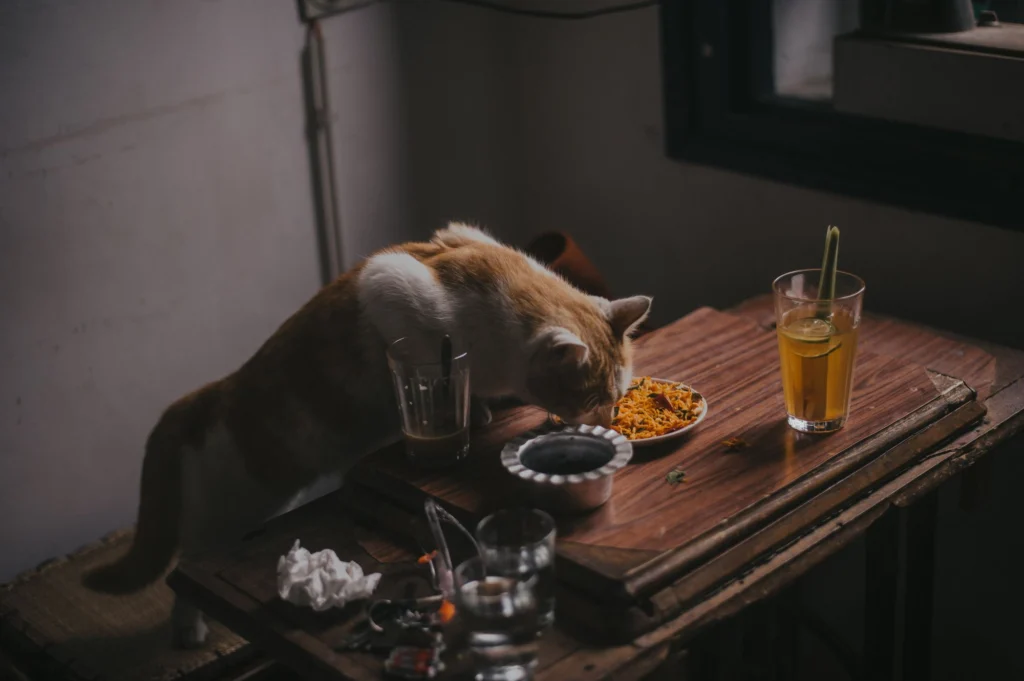
Why is my cat always hungry? Most of the time it comes down to routine, boredom, or the way cats are built to eat, since they naturally prefer many small meals over two big ones. But a sudden increase in appetite can also point to a medical problem such as an overactive thyroid, diabetes, or worms, so a change from your cat’s normal habits is worth a vet visit.
This post walks through the everyday reasons cats act hungry, the medical causes to rule out, how to tell real hunger from attention seeking, and practical ways to feed a cat that always seems to want more, including puzzle feeders and slow feeding bowls that make meals last longer.
Why Is My Cat Always Hungry? The Short Answer
A cat that always seems hungry is usually reacting to its feeding routine, its environment, or a medical change that has increased its appetite. The UK veterinary charity PDSA explains that there are many different causes for an increased appetite or overeating, and that you should contact your vet if your cat is eating more than normal.
The Cat Parent's Slow Feeding & Enrichment Handbook
Get our expert cheat sheet delivered to your inbox — plus an exclusive 15% discount code for your first order.
The medical term for excessive hunger is polyphagia. It is a sign, not a diagnosis, so the goal is to work out why it is happening.
Start by asking two simple questions:
- Is this new? A cat that has always loudly greeted you at dinner time is different from one whose appetite has suddenly changed.
- Is anything else changing? Weight loss, weight gain, drinking more, vomiting, or a change in energy alongside hunger all mean your cat should see a vet.
If the answer to both is no, the cause is often behavioral and can be helped at home. If either answer is yes, book a vet appointment first.
Everyday Reasons a Cat Acts Hungry
Everyday causes of constant hunger in cats include boredom, stress, a change in food, more activity, and colder weather. PDSA lists boredom or stress, such as the introduction of a new pet, among the more common reasons, along with genetics that can make some cats eat more than they should.
Boredom and too little effort
Many indoor cats eat from the same bowl in the same spot every day. International Cat Care points out that this means no effort is required on the cat’s part, and that this lack of mental stimulation can lead to boredom, anxiety, frustration, and stress, particularly in indoor cats. A bored cat may treat food as its main source of entertainment and ask for it constantly.
Changes in food, activity, or weather
PDSA also lists less common everyday causes: a change in food, especially to one that is lower quality or not balanced; more exercise, such as an indoor cat starting to go outdoors; and a colder environment than usual, for example in winter. Each of these can genuinely raise how much your cat wants to eat.
Learned habits
If meowing at the kitchen counter has worked before, your cat will keep trying it. This is not true hunger, but it can look exactly like it. Our post on mealtime enrichment for indoor cats has ideas for giving that energy a better outlet.
Medical Causes of a Big Appetite
The most common medical causes of an increased appetite in cats are hyperthyroidism, diabetes, and intestinal parasites such as worms. PDSA also lists certain medications, such as steroids and anti-seizure drugs, pregnancy and nursing, and malabsorption, where the body struggles to digest or absorb nutrients from food.
Hyperthyroidism deserves special mention because it is easy to miss. According to the Cornell Feline Health Center, the most common signs of hyperthyroidism are weight loss, increased appetite, and increased thirst and urination. Affected cats may also have vomiting, diarrhea, hyperactivity, or an unkempt, matted, or greasy coat. A cat that eats more and more but gets thinner is a classic warning sign.
PDSA notes some other signs to watch for alongside a big appetite:
- Weight loss or weight gain
- Drinking and urinating more than normal
- Changes to the skin or coat
- Lethargy
- Vomiting or diarrhea
- Being more active or irritable than usual
Less common causes PDSA mentions include Cushing’s disease, which is rare in cats, and acromegaly, where the body makes too much growth hormone. Your vet may recommend blood, urine, and stool tests to find the cause. Never try to diagnose these conditions at home.
Hungry or Just Asking for Attention?
True hunger usually comes with a change in eating or body condition, while attention seeking tends to follow a pattern tied to your routine. The table below can help you sort out what you are seeing before you talk to your vet.
| What you notice | More likely | What to do |
|---|---|---|
| Meowing at the same times every day, then eating a normal amount | Routine or attention seeking | Keep a steady schedule and add enrichment |
| Begging that stops when you play or give attention | Boredom or a learned habit | Add play sessions and food puzzles |
| Finishing every meal fast and searching for more | A fast eater, or a portion that is too small | Check the portion with your vet and slow meals down |
| Eating more but losing weight | Possible medical cause | See your vet promptly |
| Eating more and drinking or urinating more | Possible medical cause | See your vet promptly |
Keeping a simple log for a week, noting when your cat asks for food, how much it eats, and any other changes, gives your vet useful information.
How Cats Are Built to Eat: Little and Often
Cats are built to eat many small meals spread through the day and night, so two large meals can leave them feeling hungry in between. International Cat Care explains that in the wild, cats eat frequent small meals, and that feral cats can spend 12 or more out of every 24 hours looking for and catching food.
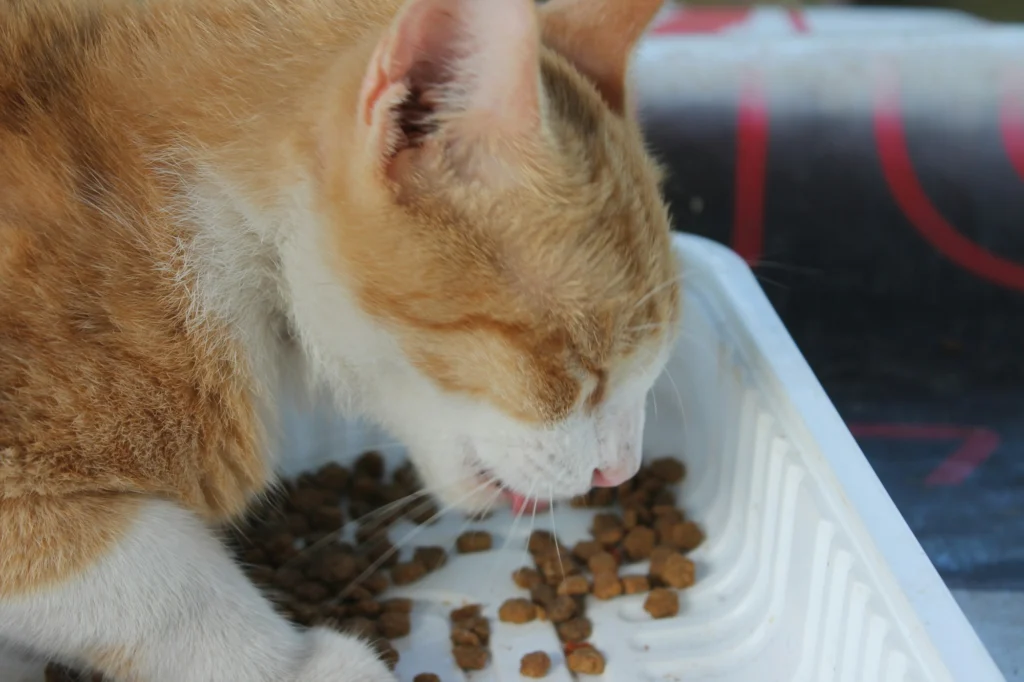
PDSA adds that many cats prefer lots of small meals rather than one big one, and that most cats graze, eating between eight and sixteen times per day. A cat that asks for food every few hours may simply be following that natural rhythm.
The challenge is that free access to food can backfire. International Cat Care notes that cats given unrestricted access to food may overeat, which can lead to obesity. The answer is not more food. It is the same daily amount, divided up and made more interesting to eat.
How to Feed a Cat That Always Seems Hungry
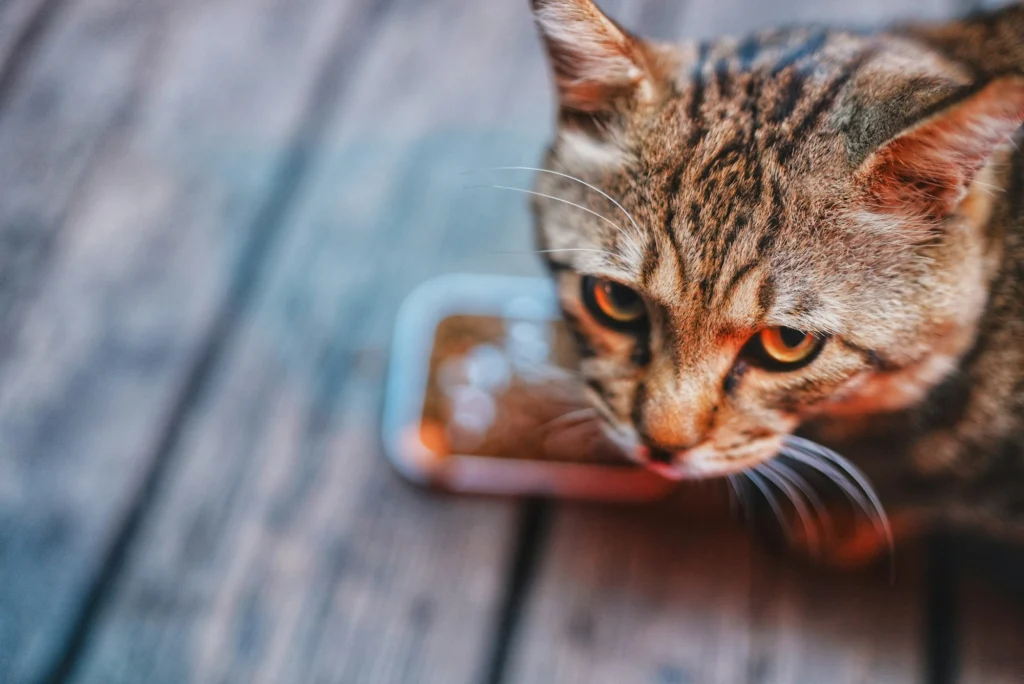
The best way to feed a cat that always seems hungry is to measure its daily ration carefully, split it into several small meals, and make it take a little more effort to eat. Once your vet has ruled out a medical cause, these steps help.
- Weigh the daily amount. PDSA recommends following the feeding guidelines on the packet and using electronic scales to weigh food, feeding for your cat’s ideal weight rather than its current weight if it is over or underweight.
- Divide it into small portions. International Cat Care suggests dividing the daily ration into at least five portions and feeding them throughout the 24-hour period, using timed and puzzle feeders where possible.
- Count the treats. PDSA advises keeping treats to no more than 10 percent of your cat’s daily food and reducing the main ration by the same amount.
- Use a timed feeder for overnight meals. A timed feeder can deliver a small meal while you sleep, which may cut down on early morning wake-up calls. Our comparison of automatic feeders vs slow feeders for cats explains how the two can work together.
- Feed cats separately. In multi-cat homes, a cat that eats its housemate’s food will always seem hungry. Our post on feeding multiple cats in one household covers how to stop food stealing.
- Weigh your cat regularly. Tracking weight shows whether the plan is working and helps you spot unexpected changes early.
If your cat is already overweight, work with your vet on a safe plan. Our guide to helping an overweight cat slim down explains why gradual changes matter.
Make Meals Last Longer With Puzzles and Slow Feeders
Puzzle feeders and slow feeding bowls make each small meal last longer and give your cat the mental work it would normally get from hunting. International Cat Care says puzzle feeders help meals last longer, increase your cat’s physical activity, and provide a fun brain teaser, and that they can hold both wet and dry food. It even suggests a silicone ice cube tray as a simple way to puzzle feed wet food.
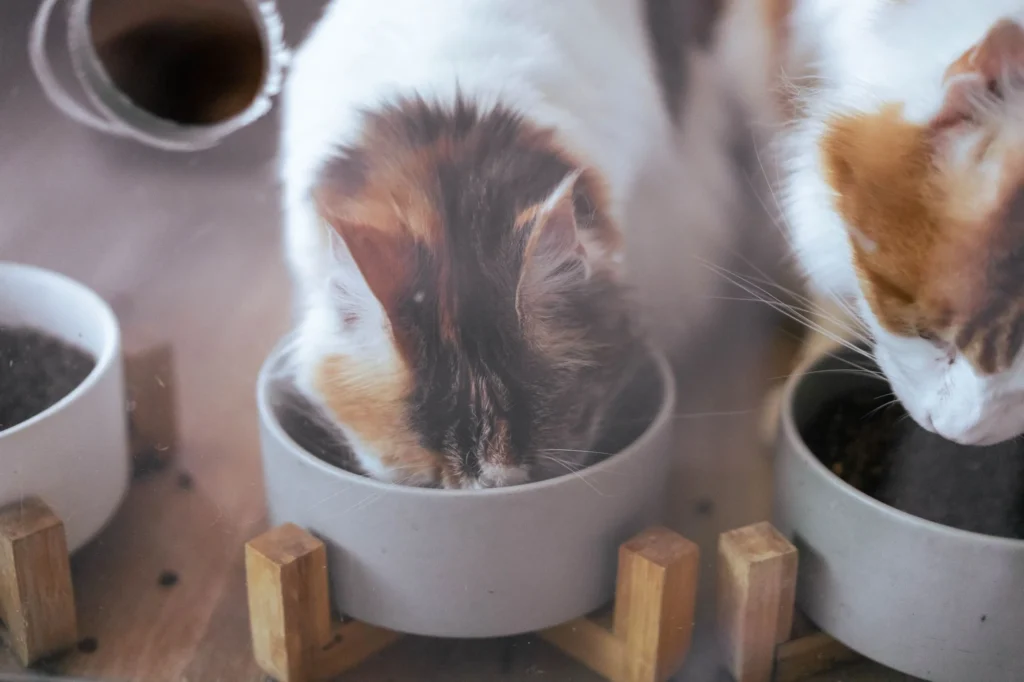
Bowl shape matters too. International Cat Care notes that cats prefer to eat from shallow bowls or saucers so they can see around them and their whiskers do not brush the sides. Our post on whisker fatigue and bowl shape explains why.
A few cat-friendly options from Pets Sparkle:
- The Interactive Licking Bowl is a shallow slow feeder with a spinning center ball that works with both dry and wet food.
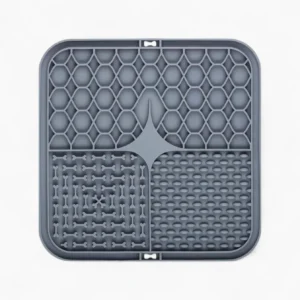
- The Slow Licking Mat is a textured silicone mat for wet food and purees that turns a quick snack into minutes of calm licking.
- The Puzzle Bites Feeder is a flat, ridged puzzle bowl suitable for cats and small to medium dogs.
You can browse more options in our cat feeders collection, and the guide to choosing the best slow feeder for cats explains sizes and designs. If your cat also gulps its food, see our list of signs your cat is eating too fast and the full guide to slowing down a fast-eating cat. Our cat puzzle feeders guide covers how to introduce one step by step.
When to Call Your Vet
Call your vet if your cat’s appetite has increased compared with what is normal for it, or if it is looking for food all the time. PDSA advises contacting your vet if your cat has been hungrier than usual and letting them know about any other symptoms you have noticed.
Book an appointment promptly if you see any of these along with a bigger appetite:
- Weight loss despite eating well
- Drinking or urinating more than usual
- Vomiting or diarrhea, especially if it keeps happening
- A dull, greasy, or matted coat
- Restlessness, irritability, or unusual hyperactivity
If your cat is vomiting after meals, our post on why cats throw up after eating explains common causes, but repeated vomiting always needs a call to your vet. If you have a dog with the same habit, our companion post on why dogs always seem hungry covers the canine side.
Help Your Cat Feel Satisfied
A cat that always seems hungry is often bored, following its natural little-and-often eating pattern, or responding to a routine it has learned. Still, a real change in appetite can be an early sign of hyperthyroidism, diabetes, worms, or another health problem, so let your vet rule those out first.
Once your cat has a clean bill of health, weigh the daily ration, split it into several small meals, keep treats in check, and use puzzle feeders and shallow slow feeding bowls so every meal takes a little more time and thought. Most cats settle down when food becomes something to work for rather than something to demand.

Get Your Free Slow Feeding Cheat Sheet
Everything in this article — plus portion charts, feeder comparisons and meal plans — in one printable PDF. A 15% discount code is included.
Frequently Asked Questions
Why is my cat always hungry but losing weight?
A cat that eats more but loses weight needs a vet visit. The Cornell Feline Health Center lists weight loss and increased appetite as the most common signs of hyperthyroidism, and PDSA notes that diabetes, worms, and problems absorbing food can also cause it. Your vet can run blood, urine, and stool tests to find the cause.
Is it normal for a cat to beg for food all the time?
It can be. Many cats prefer to eat little and often, and PDSA notes that most cats graze between eight and sixteen times a day. Boredom and learned habits also play a part. If begging is new, or comes with weight or thirst changes, ask your vet to check for a medical cause.
How many times a day should I feed my cat?
International Cat Care suggests dividing your cat’s daily ration into at least five portions spread across the full 24 hours, using timed and puzzle feeders where possible. The total amount should stay the same. Weigh the daily food and feed for your cat’s ideal weight, as your vet advises.
Can boredom make a cat act hungry?
Yes. International Cat Care explains that eating from the same bowl every day takes no effort, and that this lack of mental stimulation can lead to boredom, frustration, and stress, especially in indoor cats. PDSA also lists boredom and stress among the common reasons a cat may seem hungry all the time.
Do puzzle feeders help a cat that is always hungry?
Puzzle feeders can help by making meals last longer and adding mental and physical effort. International Cat Care says they provide a fun brain teaser and can hold both wet and dry food. They do not replace a vet check, so rule out medical causes first, then use puzzles as part of the daily ration.
Sources
The veterinary and feline welfare resources referenced in this post:

Digital marketing specialist at BrightSeen Marketing Agency. Turns veterinary research into clear, practical feeding guides for pet parents.
Mahmoud works for BrightSeen Marketing Agency, which looks after our SEO and GEO and Meta ads.
View all articles by Mahmoud