 Written by
If your cat paces around an apparently full bowl, bats kibble onto the floor before eating it, or seems to lose interest in food halfway through a meal, it is tempting to chalk it up to a finicky personality. Sometimes, though, the problem is not the food at all. It is the bowl.
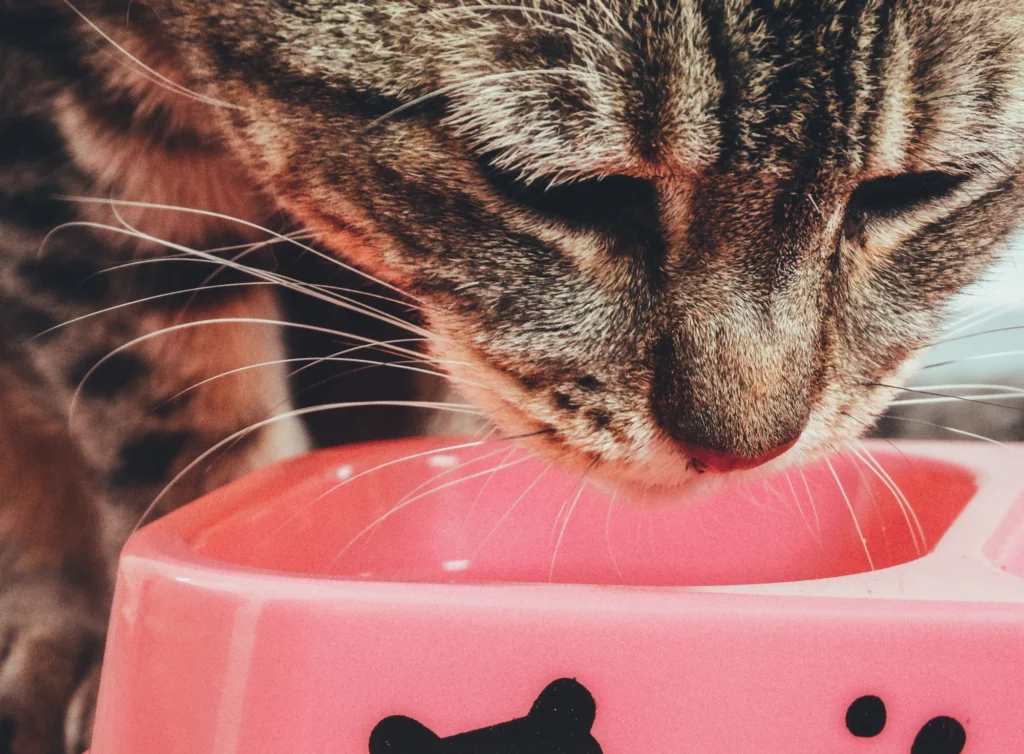
“Whisker fatigue” has become a popular catch-all term for this kind of mealtime frustration, and while it is not a formally diagnosed medical condition, veterinarians at Oklahoma State University’s College of Veterinary Medicine and VCA Animal Hospitals both point to a real, physical explanation behind it: a cat’s whiskers are packed with nerve endings, and repeated contact with the sides of a narrow bowl can genuinely overstimulate them.
The fix is often refreshingly simple and does not require a vet visit or a new diet. In many cases, it just means rethinking the shape of the dish in front of your cat. Here is what whisker fatigue actually is, how to spot it, and how to set up a bowl that works with your cat’s whiskers instead of against them.
The Cat Parent's Guide to Slow Feeding & Enrichment
Get our expert guide delivered to your inbox — plus an exclusive 15% discount code for your first order.
What Is Whisker Fatigue in Cats?
A cat’s whiskers, or vibrissae, are not ordinary hair. According to VCA Animal Hospitals, each whisker is rooted about three times deeper than regular fur and is surrounded by blood vessels and nerve endings that make it roughly as sensitive as a human fingertip. Whiskers constantly feed information to the brain about air currents, nearby objects, and spatial boundaries, which is part of how cats navigate so confidently in low light or tight spaces.
That sensitivity is a feature, not a flaw, but it becomes a problem at a deep, narrow bowl. Every time your cat dips in for a bite, their whiskers brush against the sides of the dish, and that light touch sends a steady stream of sensory signals to the brain. Repeated meal after meal, day after day, that steady stimulation can tip over into something closer to sensory overload. Oklahoma State University veterinarians describe it plainly: whiskers that are sensitive enough to detect a faint breeze can become “easily fatigued by unnecessary contact, such as touching the sides of food or water bowls.”
Signs Your Cat May Have Whisker Fatigue
Because cats cannot tell you their whiskers feel overworked, the signs show up as behavior changes around the bowl rather than anything you can see on the whiskers themselves. Common clues include:
- Pawing kibble out of the bowl and onto the floor before eating it
- Pacing back and forth near the food area without diving in
- Eating a few bites, backing away, and returning later
- Appearing hungry at the bowl but reluctant to actually eat from it
- Preferring to eat off a plate, placemat, or the floor instead of a deep dish
- Seeming unusually stressed or jumpy specifically at mealtime
None of these signs are exclusive to whisker fatigue. A cat who suddenly avoids the bowl can also be dealing with dental pain, nausea, or another medical issue, so it is worth ruling those out with your veterinarian, especially if the behavior is new or paired with weight loss. If your cat has always batted food onto the placemat and is otherwise happy, active, and maintaining a healthy weight, bowl shape is a reasonable place to start.
Why Bowl Shape and Depth Matter
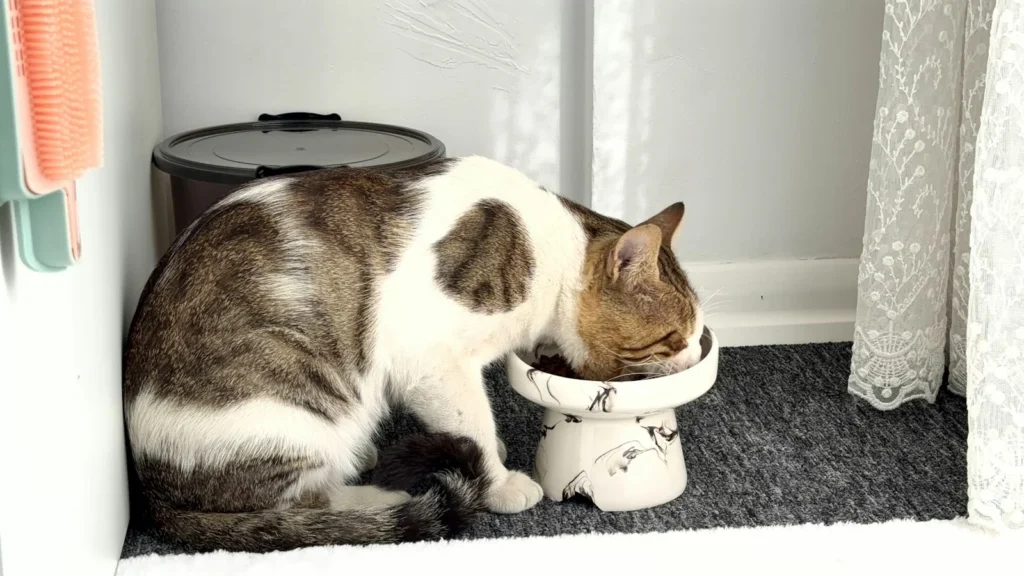
Most standard cat bowls are small, deep, and curved inward, which is exactly the shape that forces whiskers into contact with the walls on every single bite. The deeper and narrower the bowl, the more a cat has to push their face down and in to reach the last bits of food, and the more their whiskers brush the sides along the way.
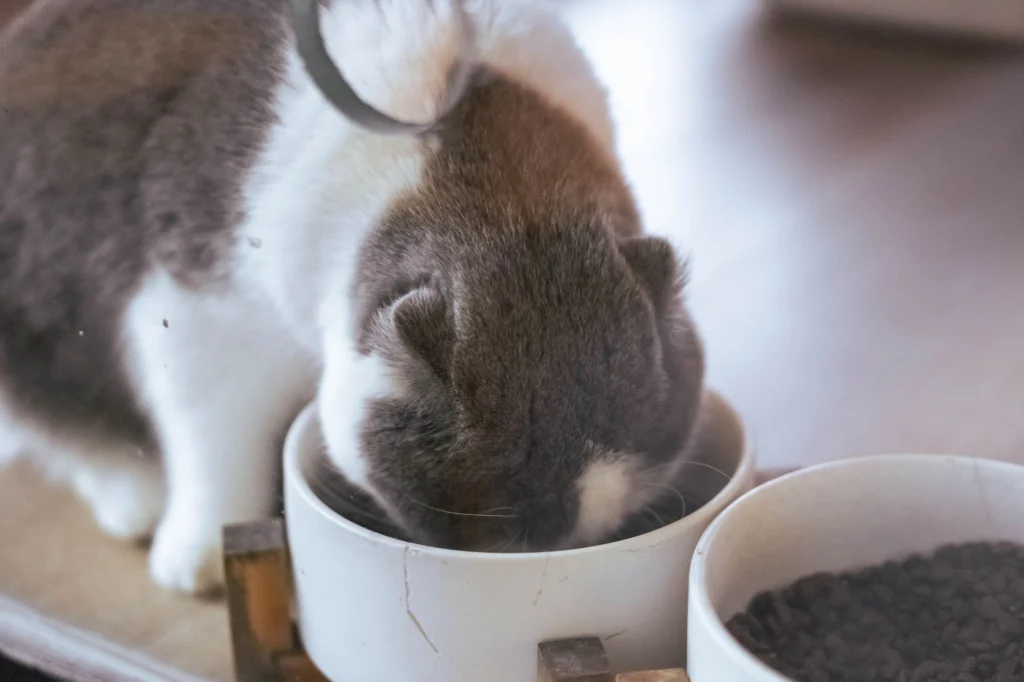
A wide, shallow dish solves the geometry problem directly. When the bowl is wider than a cat’s whisker span and shallow enough that the face does not need to dip below the rim, whiskers stay clear of the sides for most of the meal. This is why VCA Animal Hospitals specifically recommends “food and water dishes with a flatter design so the cat’s whiskers don’t touch the sides” as a first step for cats showing signs of whisker fatigue.
Finding a Whisker-Friendly Feeder
When you are shopping for a whisker-friendly bowl, a few features matter more than looks:
- Width over depth. Look for a dish that is noticeably wider than it is deep, with a flat or very gently sloped base.
- Low, flared sides. Straight walls that rise sharply from the base are the main culprit. Low, outward-flared edges keep whiskers out of the way.
- Stable, non-slip base. A shallow bowl can slide around on hard floors, so a weighted base or non-slip pads help keep it in place while your cat eats.
- Easy-to-clean material. Stainless steel and food-safe silicone resist bacterial buildup better than some plastics and will not develop the scratches that can trap odor over time.
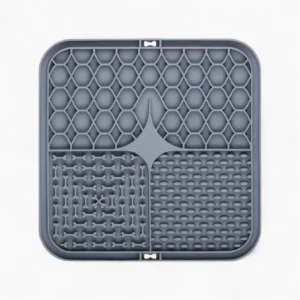
Our Interactive Licking Bowl uses a wide, shallow design that keeps food spread out across the surface rather than piled in a deep well, which works well for cats who need extra width to clear their whiskers. It also happens to slow down fast eaters at the same time, which brings up an important question for a lot of cat parents.
Whisker Fatigue vs. Slow Feeders: Can You Have Both?
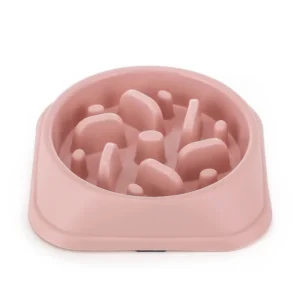
Many popular slow feeders for cats use raised ridges, mazes, or deep compartments to slow down a fast eater, and those features can sometimes work against a whisker-sensitive cat if the compartments are narrow or the walls are tall. That does not mean cats who eat too fast and cats with whisker fatigue are stuck choosing one problem over the other.
The key is looking for a slow feeder with a wide, shallow footprint rather than a deep maze. Spreading the obstacles across a broad, low surface slows eating through texture and spacing instead of depth, so whiskers stay clear while mealtime still takes longer. If your cat is both a fast eater and showing signs of whisker fatigue, a licking-style bowl or a textured mat that holds wet food in a thin layer is usually a gentler starting point than a deep anti-gulp maze designed for dogs.
Cats at Higher Risk
Any cat can develop whisker fatigue, but a few groups tend to show it more noticeably. Flat-faced breeds like Persians and some Himalayans already have less room to maneuver around a bowl rim, so bowl depth matters even more for them. Senior cats, who may already be dealing with reduced mobility or dental sensitivity, can be quicker to avoid a bowl that causes any additional discomfort, which is one more reason a flatter dish is worth trying as part of a broader senior feeding routine. Multi-cat households also benefit, since a shared shallow dish (or, better, individual shallow dishes) reduces the crowding that makes whisker contact worse for every cat at the table.
If you are managing feeding for an older cat already, our guide to feeding senior cats covers other small changes that make mealtime easier on aging joints, teeth, and sensory needs.
Simple Changes to Try This Week
You do not need to overhaul your cat’s whole routine to test whether whisker fatigue is the issue. Start small:
- Swap the current bowl for a wide, shallow plate or dish for a few days and watch mealtime behavior.
- Fill the dish less full. A shallower pile of food in a deep bowl still forces whiskers against the walls near the end of the meal.
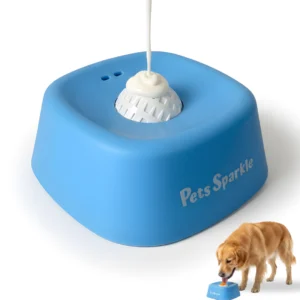
- Do the same for the water bowl. Whisker fatigue affects drinking too, and a wide water dish or a pet fountain with a broad, shallow basin can encourage a cat to drink more, which matters whether your cat is lounging on a sunny windowsill in Arizona in July or curled up near a radiator vent in a Minnesota winter.
- Watch for improvement over three to five days rather than expecting an instant change. Cats sometimes need a little time to trust that the new bowl will not run out early.
If switching bowls does not resolve the pacing, reluctance, or food-batting within a week or two, or if you notice weight loss, vomiting, or a sudden refusal to eat, it is time for a veterinary visit rather than another bowl swap.

Get Your Free Slow Feeding Guide
Everything in this article — plus portion charts, feeder comparisons and meal plans — in one printable PDF. A 15% discount code is included.
Frequently Asked Questions
Is whisker fatigue a real medical diagnosis?
It is not an official veterinary diagnosis with its own diagnostic code, but it describes a real, physical mechanism that veterinary sources take seriously: whiskers are richly innervated sensory organs, and repeated contact with bowl walls can overstimulate them. Think of it less as a disease and more as a design problem that happens to have sensory consequences.
What is the best bowl shape for whisker fatigue?
A wide, shallow dish with a flat or gently sloped base and low, flared sides gives whiskers the most room to stay clear of contact. VCA Animal Hospitals specifically recommends a flatter design for cats showing signs of whisker stress.
Can whisker fatigue affect how much my cat drinks?
Yes. The same sensory issue applies to water bowls, and a cat who is uncomfortable at a narrow water dish may drink less than they should. A wide, shallow water bowl or a flowing fountain with a broad basin can help, which is especially worth checking during hot stretches in warmer states when extra hydration matters most.
Should I trim my cat’s whiskers to fix the problem?
No. Veterinarians, including those at VCA Animal Hospitals, advise strongly against cutting or plucking whiskers, since this does not address the underlying bowl issue and instead removes a sensory tool your cat relies on for navigation and spatial awareness, which can cause disorientation and stress of its own.
Give Your Cat’s Whiskers a Break
A pacing, bowl-batting cat is not necessarily a picky one. Often, it just means the dish in front of them was not designed with whiskers in mind. Switching to a wide, shallow bowl is a low-cost, low-effort change that solves the problem for a lot of cats within days. Browse our full lineup of slow feeders and cat bowls to find a whisker-friendly option that also fits the rest of your cat’s mealtime routine.
Sources
The veterinary resources referenced in this guide:

Mahmoud Mohamed Samir is an SEO/GEO Specialist who turns veterinary research into clear, practical feeding guides, built so pet parents get straight answers whether they search on Google or ask an AI assistant.
View all articles by Mahmoud