 Written by
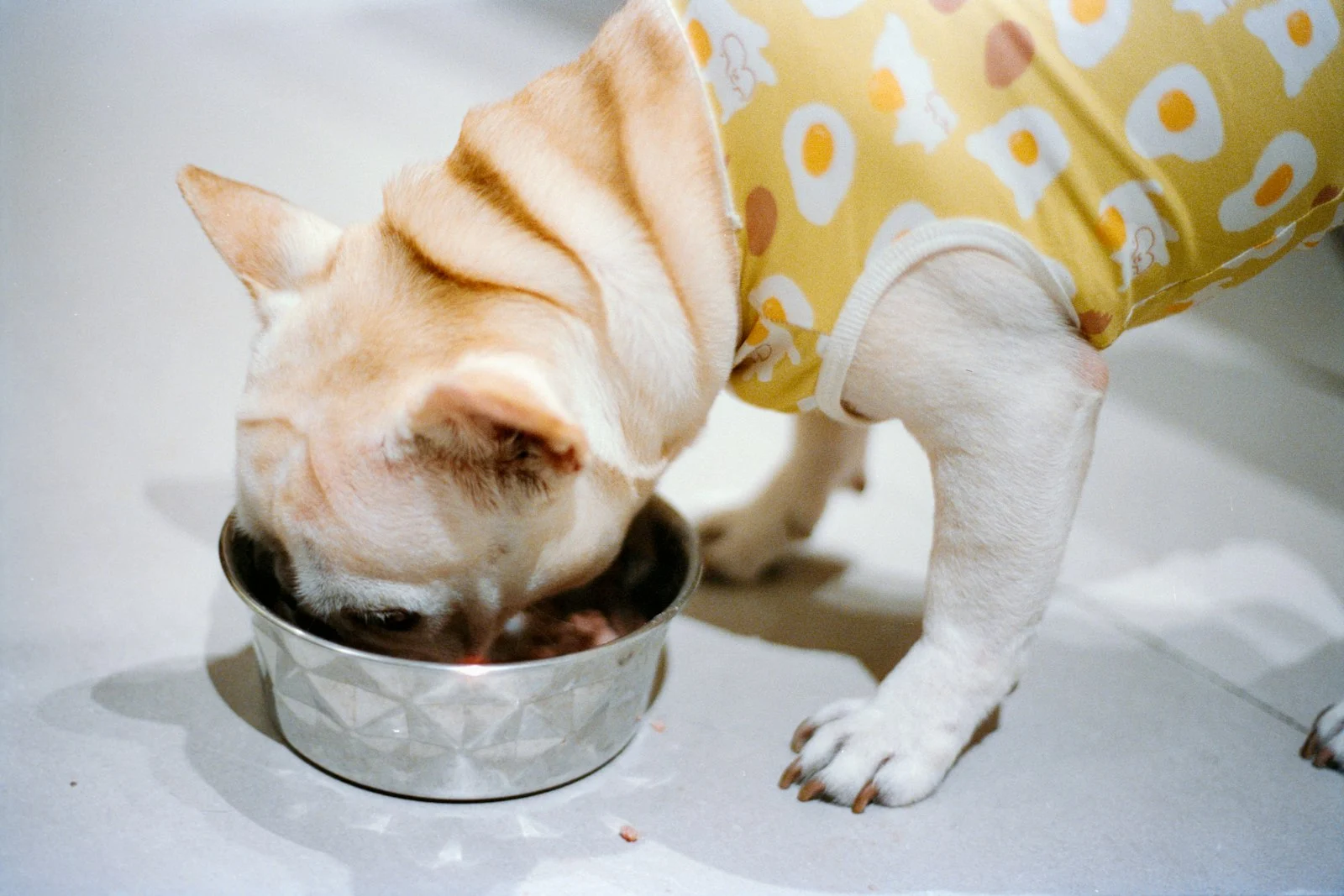
Pugs, French Bulldogs, English Bulldogs, Boston Terriers, and other short-nosed breeds are some of the most beloved dogs in America. They are also some of the fastest, messiest eaters, and their unique facial structure makes a standard slow feeder a poor fit. If you have ever watched your Frenchie struggle to reach food wedged deep in a maze bowl, you already know that choosing the right slow feeder for flat-faced dogs takes a little extra thought.
The good news is that with the right design, a flat-faced dog can enjoy all the benefits of slow feeding: calmer meals, less gulped air, and fewer digestive upsets. Here is what to look for, which options work best, and how to make mealtime safer and more comfortable for your short-nosed companion.
Why Flat-Faced Dogs Need a Different Bowl
Flat-faced breeds are known as brachycephalic dogs, which simply means short-headed. Their pushed-in muzzles and short snouts make it hard to reach into deep, narrow grooves that a longer-nosed dog handles easily. A bowl designed for a Labrador can leave a pug frustrated, pawing at food it cannot reach.
How to Pick the Right Slow Feeder for Your Pet
Get our expert cheat sheet delivered to your inbox — plus an exclusive 15% discount code for your first order.
These breeds also face real health concerns at mealtime. According to UC Davis veterinary experts, brachycephalic dogs often have small nostrils and narrow airways that can cause breathing problems, and they may swallow a lot of air, which can lead to vomiting or regurgitation, so gulping food is a bigger concern for them than for other dogs. That makes slowing the pace especially valuable, as long as the bowl does not add its own frustration.
The Gulping Problem
Because short-nosed dogs already take in extra air as they breathe and eat, fast eating can lead to more gas, burping, regurgitation, and discomfort. A well-chosen slow feeder helps them take smaller, more manageable bites without fighting the bowl.
The Breathing Problem
Many flat-faced dogs breathe partly through their mouths, especially when excited. Pressing the face into a deep bowl can make it harder to breathe while eating, which is one more reason they tend to gulp and come up for air. A shallow, open surface lets them eat and breathe more comfortably.
Which Breeds Are Flat-Faced?
If your dog is one of these breeds, or a mix with a short muzzle, the advice in this guide applies:
- Pug
- French Bulldog
- English Bulldog
- Boston Terrier
- Shih Tzu
- Pekingese
- Cavalier King Charles Spaniel
- Boxer
- Lhasa Apso
- Brussels Griffon
Muzzle length varies a lot, even within a breed, so watch how your own dog eats rather than relying on the breed label alone.
Signs Your Dog Is Struggling With Its Bowl
Short-nosed dogs cannot tell you their bowl is uncomfortable, but they show it. Watch for pawing at the bowl or tipping it over to get food out, pushing the bowl across the floor, snorting or coming up for air repeatedly, leaving food stuck in grooves, food smeared across the face and folds, or giving up and walking away mid-meal. Any of these suggests your dog needs a shallower, more open design.
What to Look For in a Slow Feeder
Shallow, Wide Grooves
This is the single most important feature. Flat-faced dogs need patterns that are shallow and open rather than deep and narrow, so their short muzzles can actually reach the food. Wide, gently raised ridges work far better than tight, tall mazes.
Easy-to-Reach Pockets
Look for bumps and swirls set close to the surface. The food should sit where a short snout and tongue can get to it without your dog having to jam its face into a crevice. The goal is a mild challenge, not an impossible one.
A Stable, Low Base
Enthusiastic eaters push bowls around the kitchen. A wide, non-slip base or a bowl with a low profile keeps things steady so your dog can focus on eating rather than chasing the dish across the floor. Some flat-faced dogs also do better with a very slightly raised bowl, which can make swallowing a touch easier, though it should never be tall enough to strain their neck.
Easy to Clean
Shallow grooves are also easier to wash, which matters when flat-faced dogs tend to be a bit slobbery. Food-grade silicone and dishwasher-safe designs save you time. Our comparison of silicone, plastic, and stainless steel feeders explains the options.
Great Options for Pugs, Bulldogs, and Frenchies
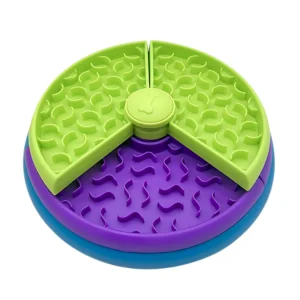
A licking-style bowl is often ideal for brachycephalic breeds because it keeps food near the surface and rewards slow, calming licks. Our Interactive Licking Bowl suits flat-faced dogs well, with a shallow, reachable texture that slows eating without demanding a long snout. For wet food, toppers, or spreads, the Slow Licking Mat lets your dog lick a thin layer of food, which paces the meal and soothes at the same time.
If you prefer a maze-style bowl, choose one with the shallowest, most open pattern you can find, and watch to be sure your dog can comfortably reach every pocket. The Treat Maze Bowl has a gentler pattern than deep dog mazes and works for many small flat-faced dogs. Avoid tall towers and tight spirals, which are built for long-nosed breeds and will only leave your dog frustrated. For more on picking the right fit by size, see our guide to slow feeders for small dogs, since many flat-faced breeds fall into the small or medium range.
Feeder Styles Compared
| Style | Flat-face friendly? | Best for |
|---|---|---|
| Lick mat | Excellent | Wet food, spreads, anxious dogs |
| Licking bowl | Excellent | Wet or softened meals |
| Shallow maze bowl | Good | Dry kibble |
| Deep or tall maze | Poor | Long-nosed breeds |
| Snuffle mat or scatter feeding | Good | Kibble and enrichment |
Mealtime Tips for Short-Nosed Breeds
The bowl is only part of the picture. Feed two or three smaller meals rather than one large one, so the stomach never gets overloaded. Serve meals when your dog is calm, not right after a walk when it is still panting hard. Keep the feeding area cool, since flat-faced breeds overheat easily and struggle more in warm weather. Separate your dog from other pets at mealtime to reduce competitive gulping; our guide to feeding multiple dogs explains how. And measure portions carefully, since extra weight makes breathing harder for brachycephalic dogs. Our portion control guide can help.
Food Texture and Kibble Shape
What you put in the bowl matters as much as the bowl itself. Flat-faced dogs pick up food differently from long-nosed breeds, often scooping with the lower jaw and tongue rather than grabbing with their front teeth. Very small, round kibble can be hard to grip and easy to inhale whole, while flatter or slightly larger pieces may be easier to pick up and chew.
Some owners find that softening kibble with a little warm water, or mixing in some wet food, makes it easier for their dog to eat slowly from a licking surface. Wet food and softened meals also work beautifully on lick mats, which are among the most flat-face-friendly feeders available. If you are thinking about changing food, talk to your vet first and switch gradually over about a week.
Enrichment Beyond the Bowl
Short-nosed breeds often cannot handle long, strenuous walks, especially in heat and humidity. That makes calm, low-exertion enrichment especially valuable for them. Lick mats, gentle snuffle games, and easy puzzle feeders give their minds a workout without pushing their breathing.
Try scattering part of a meal across a snuffle mat, freezing a thin layer of wet food on a lick mat for a hot afternoon, or hiding a few kibbles under plastic cups for a simple find-it game. Keep sessions short, stop if your dog starts panting hard, and always offer water afterward. Our guide to enrichment toys vs puzzle feeders has more ideas you can adapt.
How to Introduce It Successfully
Start easy so your flat-faced dog does not get discouraged. Spread food across the surface at first rather than tucking it deep into any grooves. Offer praise and let your dog explore at its own pace. Because brachycephalic dogs can tire and overheat quickly, keep early sessions short and calm, and always make sure fresh water is nearby, especially during warm weather in states like Florida or Texas. Most short-nosed dogs adjust within a few meals once they realize the food is easy to reach. Our step-by-step guide on introducing a slow feeder walks through the full plan.
After the Meal: Face and Fold Care
Flat-faced dogs often end up with food in their facial wrinkles and around the nose. Trapped moisture and food can irritate the skin over time. After meals, gently wipe your dog’s face and folds with a soft, damp cloth, then dry them thoroughly. Ask your vet which products are safe for your dog’s skin. A shallow feeder helps here too, since less face-pressing means less mess.
Get Your Free Slow Feeding Cheat Sheet
Everything in this article — plus portion charts, feeder comparisons and meal plans — in one printable PDF. A 15% discount code is included.
Frequently Asked Questions
What is the best slow feeder for a flat-faced dog?
Look for a shallow, wide, open design with easy-to-reach pockets, such as a licking bowl or a lick mat. Deep maze bowls made for long-nosed breeds usually frustrate pugs, bulldogs, and Frenchies.
Are slow feeders safe for brachycephalic breeds?
Yes, when you choose a shallow design that does not force your dog to strain or jam its face into deep grooves. Slowing the pace actually helps these breeds by reducing gulped air. Keep sessions calm and supervised.
Should my Frenchie eat from a raised bowl?
A slightly raised, shallow bowl can help some flat-faced dogs, while others do fine at floor level. Watch your dog’s posture and comfort, and ask your vet if your dog has breathing or swallowing concerns.
My bulldog still eats too fast. What else can I do?
Try smaller, more frequent meals, feed in a quiet spot away from other pets, and pair a shallow slow feeder with a lick mat. If fast eating causes frequent vomiting, or if your dog seems to struggle to breathe while eating, check with your veterinarian. The AKC advises telling your vet about any repeated vomiting or regurgitation.
Give Your Flat-Faced Friend a Better Meal
Your pug, Frenchie, or bulldog deserves a slow feeder built for their unique face, one that slows the gulp without the frustration. The right shallow, reachable design makes mealtime calmer, safer, and more enjoyable, and it can spare you the cleanup that comes with a gulped, brought-up meal. Explore our flat-faced-friendly licking bowls and mats in the Pets Sparkle shop and find the perfect fit for your short-nosed companion today.
Sources
The veterinary and animal-welfare resources referenced in this guide:

Digital marketing specialist at BrightSeen Marketing Agency. Turns veterinary research into clear, practical feeding guides for pet parents.
Mahmoud works for BrightSeen Marketing Agency, which looks after our SEO and GEO and Meta ads.
View all articles by Mahmoud