 Written by
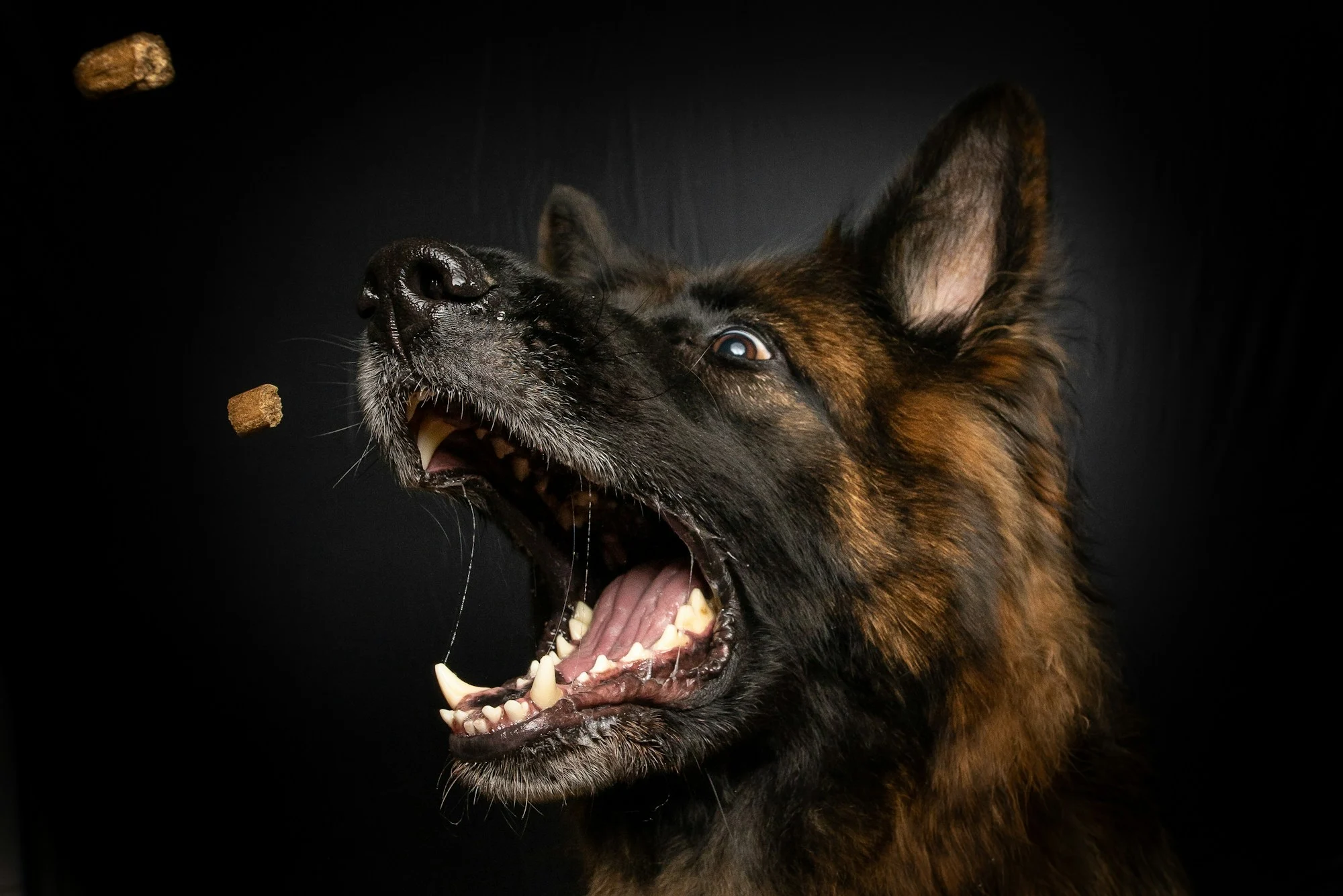
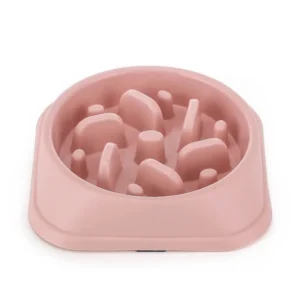
The best slow feeder for German Shepherd owners is one that holds a big dog’s meal without heaping, stays put on the floor, and is tough enough for a strong, curious jaw. German Shepherds are among the deep-chested breeds most linked to bloat, so slowing meals down is one of the simplest changes you can make at home.
This guide covers why bloat matters for this breed, what to look for in a bowl, how we would set up a German Shepherd feeding routine with Pets Sparkle feeders, and the emergency signs every Shepherd owner should know by heart.
Does a German Shepherd Need a Slow Feeder?
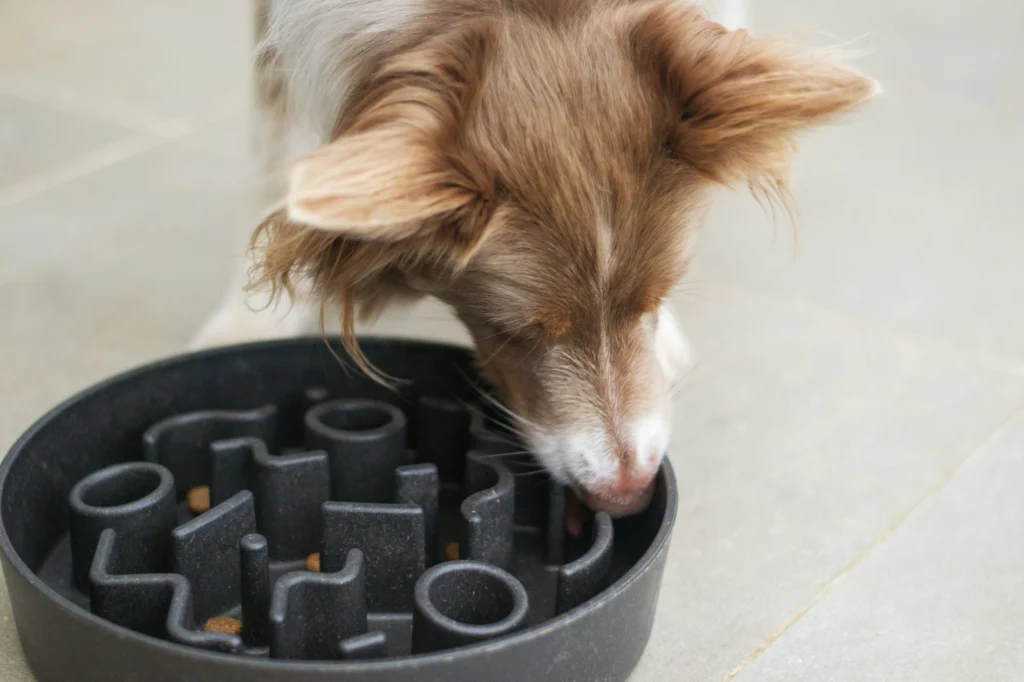
Many German Shepherds benefit from a slow feeder, especially fast eaters, because eating quickly is a recognized risk factor for bloat in large, deep-chested dogs. Not every Shepherd gulps, but if yours empties the bowl in a few bites, slowing the pace is worth doing.
How to Pick the Right Slow Feeder for Your Pet
Get our expert cheat sheet delivered to your inbox — plus an exclusive 15% discount code for your first order.
The American Kennel Club reports that fast eaters have five times the risk of bloat compared with slow eaters, and that dogs fed one meal a day are twice as likely to bloat as dogs fed two meals. Eating fast is also linked to choking and vomiting.
A slow feeder does not guarantee your dog will never bloat. It is one piece of a routine that also includes meal size, meal timing, and rest after eating. Our article on whether slow feeders really prevent bloat explains what the evidence can and cannot promise. To check whether your Shepherd is a gulper, see 5 signs your dog eats too fast.
Why Bloat Is the Big Concern for German Shepherds
Bloat, or gastric dilatation volvulus (GDV), is the main reason Shepherd owners look at slow feeders. The stomach fills with gas and can twist, cutting off blood supply. It is a true emergency.
The PDSA names German Shepherds alongside Great Danes, Saint Bernards, and Dobermanns as breeds at higher risk of GDV, and notes that about 15% of dogs do not survive even with treatment. VCA Animal Hospitals also lists German Shepherds among the commonly affected breeds.
Cornell University’s Riney Canine Health Center lists these risk factors for GDV:
- Eating too quickly
- Feeding once daily or a large volume of food per meal
- Using a raised food bowl
- Exercising soon after eating
- A nervous temperament
- Older age and a close relative who has had GDV
Several of those, including speed, meal size, bowl height, and exercise timing, are things you control every day. That is where a good slow feeder and a sensible routine come in.
How to Choose a Slow Feeder for German Shepherd Dogs
When choosing a slow feeder for German Shepherd dogs, focus on four things: capacity, stability, durability, and floor height.
- Capacity for one meal. The bowl should hold a single meal level with the top of the ridges. Food heaped above the pattern can be gulped as fast as from a plain bowl. If one bowl cannot hold the meal, split it across two feeders.
- Stability. A big dog pushes hard. Look for a non-slip base, suction cups, or enough weight to stop the bowl sliding across the floor.
- Durability. Shepherds are strong, curious chewers. Choose food-safe, bite-resistant materials and supervise early meals. Our comparison of silicone, plastic, and stainless steel feeders covers the trade-offs.
- Floor level, not raised. The AKC notes that elevated bowls are now known to be a bloat risk, and the PDSA advises feeding from the floor. Our article on whether raised pet bowls are bad for dogs explains the research.
For a wider look at big-dog bowls, see our guide to the best slow feeders for large dogs and our buying guide to the best slow feeder for dogs.
Pets Sparkle Picks for a German Shepherd Feeding Setup
Most of our bowls are listed for small to medium dogs, so for a German Shepherd we suggest using them as part of a feeding setup rather than as one bowl that holds everything. Here is how we would combine them, using the sizes from each product page.
| Product | Listed size and fit | Role in a Shepherd’s routine |
|---|---|---|
| Duck Treat Dispenser | 8.6 x 3.1 x 5.5 in; listed for all breeds and kibble sizes; three challenge lids | Part of a meal released a few pieces at a time; brain work for a busy dog |
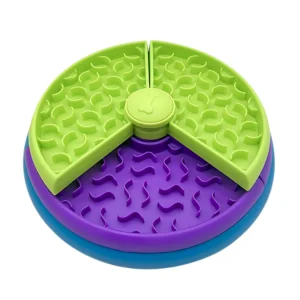
| Triple Maze Feeder | 10.35 x 10.35 x 3.07 in; holds up to 1.5 cups; listed for small to medium dogs | One portion of a split meal, with two bowls used per feeding if needed |
| Slow Licking Mat | 20 x 20 cm silicone mat | Wet food or a small part of the ration spread thin; calm licking after a walk |
The Duck Treat Dispenser is the best fit for a big dog on its own, because it is listed for all breeds and has three lids so you can raise the difficulty as your Shepherd learns. For more on how dispensers work, see our dog treat dispenser toy guide. You can browse the full range in our dog collection.
Whatever you choose, introduce it gradually. Our guide to introducing your dog to a slow feeder shows how to start with part of a meal so your dog does not get frustrated.
A Bloat-Aware Feeding Routine
A bloat-aware routine spreads food across the day, keeps the bowl on the floor, and builds in calm time around meals. The PDSA recommends these steps for at-risk breeds:
- Feed several small meals a day instead of one large meal.
- Feed from the floor rather than a raised bowl.
- For fast eaters, use a slow feeding bowl or scatter feeding.
- Restrict exercise and car travel for one hour before and after feeding.
- Encourage drinking little and often, and never withhold water.
Cornell’s guidance is similar: offer two or more meals per day, avoid raised bowls, and limit activity after meals. In practice, that might mean a morning walk, a calm break, breakfast in a slow feeder, and a quiet hour before play.
Ask your vet about prophylactic gastropexy if your Shepherd has a family history of bloat. VCA explains that this preventive surgery attaches the stomach to the body wall, is often done at the time of spay or neuter in high-risk young dogs, and significantly reduces the likelihood of the stomach twisting.
Puzzle Feeders and Enrichment for a Working Breed
German Shepherds are bred to work, and many do best when meals involve a little problem solving. A puzzle feeder slows eating and gives a busy mind something to do at the same time.
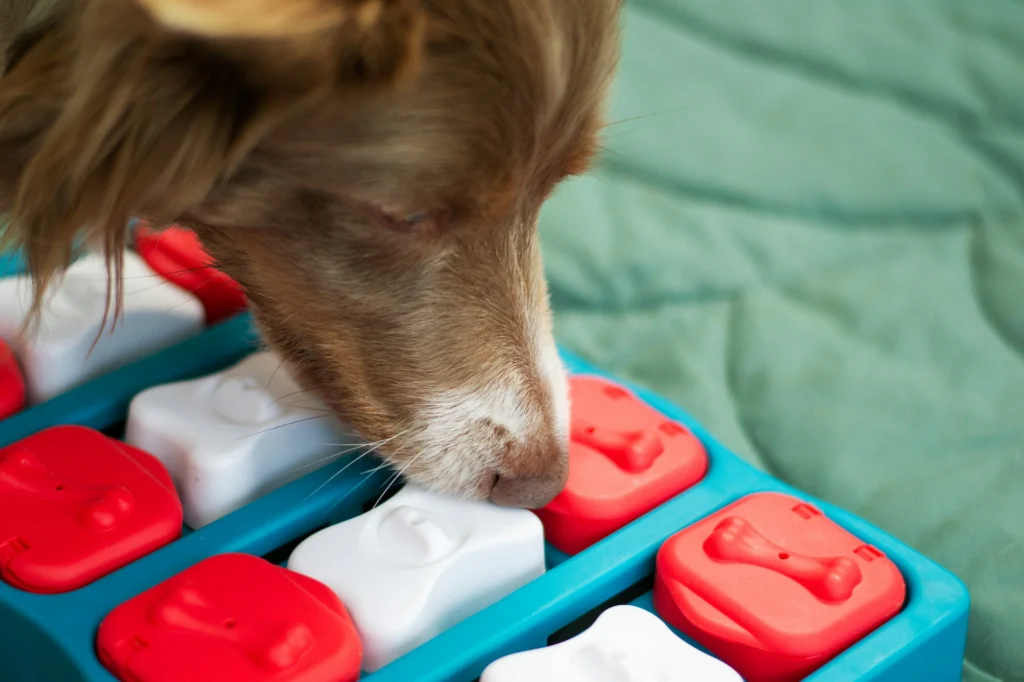
Ways to add enrichment without adding calories:
- Serve part of the meal in a puzzle toy such as the Duck Treat Dispenser.
- Use kibble from the daily ration as training rewards, a method the AKC suggests in its advice on helping dogs eat more slowly.
- Rotate feeders through the week so your dog does not solve the same puzzle on autopilot.
- Try sliding puzzles like the Brainy Puzzle Feeder for small portions and training sessions.
Our article on how puzzle feeders beat boredom has more ideas. Keep enrichment calm in the hour around meals to stay in line with the exercise advice above.
German Shepherd Puppies and Slow Feeders
German Shepherd puppies can start using a slow feeder as soon as they eat solid food, as long as the pattern is easy enough for them to succeed. A puppy that gets frustrated may push the bowl away or stop eating.
Start with a shallow pattern and small portions, then increase the challenge as your puppy grows. Puppies eat several meals a day, which already keeps each meal smaller. Recheck bowl size every few months as their meals grow. Our guide to slow feeders for puppies covers when to start and how to choose.
Talk to your vet about growth and feeding plans for large-breed puppies, and ask about bloat prevention as part of your puppy’s long-term care.
Bloat Warning Signs: Call Your Vet Immediately
If you think your German Shepherd has bloat, call your vet or an emergency clinic immediately. The PDSA warns that symptoms can worsen quickly and that you should never wait to see if they improve.
Warning signs listed by the PDSA and Cornell include:
- Retching or trying to vomit with nothing coming up
- A swollen or painful belly, which may not always be obvious
- Restlessness, pacing, and panting
- Excessive drooling
- Pale gums
- Weakness, collapse, or difficulty breathing
Cornell notes that GDV requires immediate medical and surgical treatment, and that early diagnosis is crucial. Our page on dog bloat symptoms has more detail. Save your nearest emergency clinic’s number in your phone today.
Set Up Your Shepherd for Calmer Meals
The right slow feeder for German Shepherd owners is the one that fits a meal, stays put, survives a strong jaw, and sits on the floor. Pair it with two or more smaller meals, an hour of calm around feeding, and a little puzzle work, and you have covered the risk factors you can control.
Learn the bloat warning signs, keep your emergency vet’s number handy, and ask your vet whether a preventive gastropexy makes sense for your dog.
Get Your Free Slow Feeding Cheat Sheet
Everything in this article — plus portion charts, feeder comparisons and meal plans — in one printable PDF. A 15% discount code is included.
Frequently Asked Questions
Should German Shepherds eat from a slow feeder?
Many should, especially fast eaters. German Shepherds are a deep-chested breed linked to bloat, and the AKC reports that fast eaters have a higher bloat risk than slow eaters. A slow feeder, smaller meals, and rest after eating together make up a sensible routine. Ask your vet about your own dog’s risk.
Are raised bowls good for German Shepherds?
Raised bowls are no longer recommended for bloat prevention. The AKC says elevated bowls are now known to be a risk, the PDSA advises feeding from the floor, and Cornell lists raised bowls as a GDV risk factor. Talk to your vet if your dog has a medical reason to eat from a raised bowl.
How many times a day should I feed my German Shepherd?
Both the PDSA and Cornell advise splitting the daily food into two or more meals rather than one large meal. The AKC reports that dogs fed once a day are twice as likely to bloat as dogs fed twice a day. Puppies need more frequent meals; ask your vet for a schedule.
How long should a German Shepherd rest after eating?
The PDSA advises restricting exercise and car travel for one hour before and after feeding in breeds at risk of GDV. Gentle time in the house or yard is fine, but save running, fetch, and rough play until later.
Can a slow feeder prevent bloat in German Shepherds?
No bowl can guarantee your dog will never bloat. A slow feeder reduces eating speed, which is one known risk factor, but meal size, meal timing, exercise, and genetics also matter. If your dog shows signs of bloat, call your vet immediately.
Sources
The veterinary and animal welfare resources referenced in this post:

Digital marketing specialist at BrightSeen Marketing Agency. Turns veterinary research into clear, practical feeding guides for pet parents.
Mahmoud works for BrightSeen Marketing Agency, which looks after our SEO and GEO and Meta ads.
View all articles by Mahmoud