 Written by
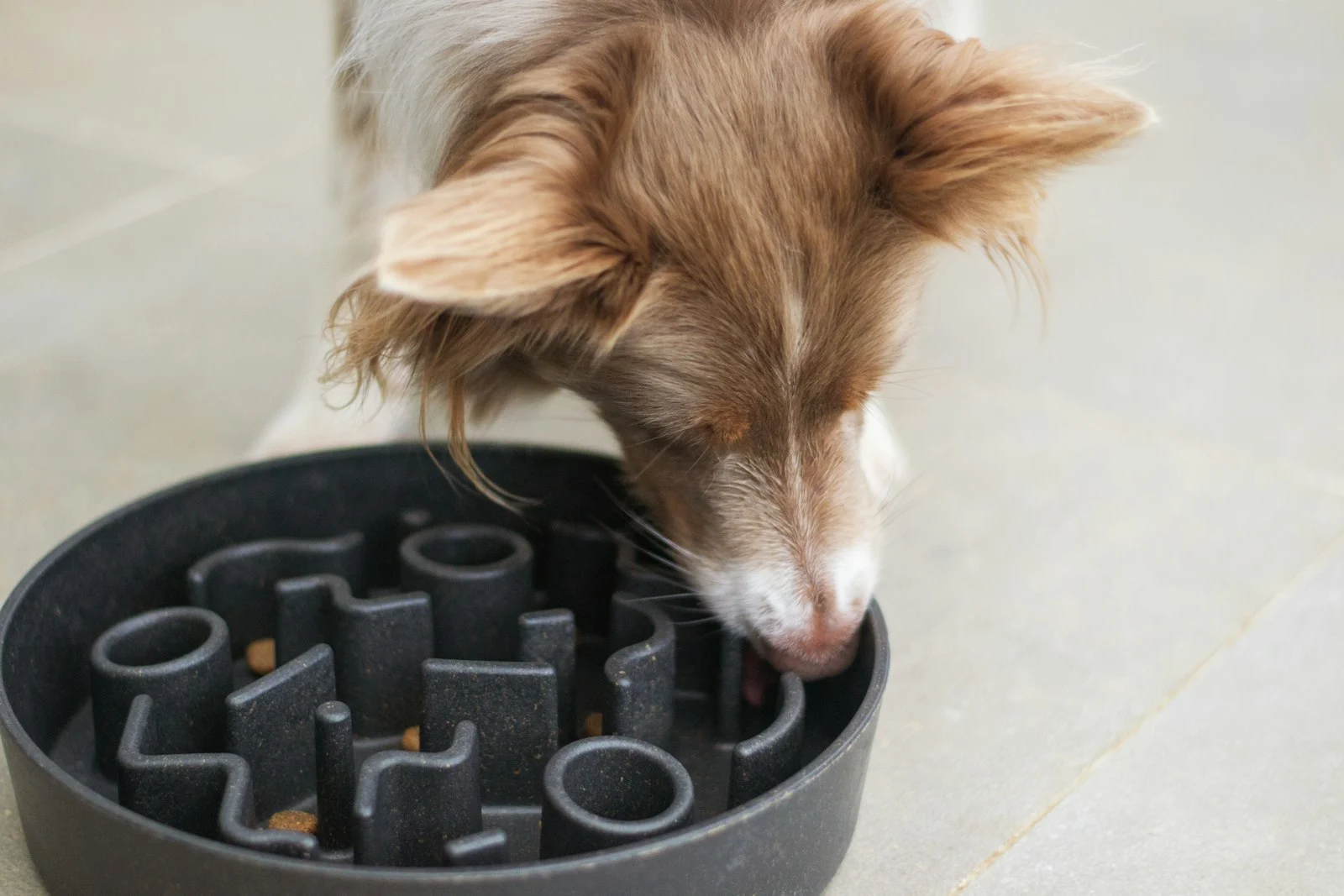
If your dog shreds the couch cushions when you leave, barks at nothing for hours, or seems restless no matter how many walks you take, the problem may not be too much energy. It may be too little mental stimulation. This is where puzzle feeders for dogs come in. These clever bowls and toys turn an everyday meal into a rewarding brain game, and for many dogs they are the missing piece that curbs boredom and the bad behavior that comes with it.
Let us look at what puzzle feeders are, why a busy mind matters so much, the main types and difficulty levels, and how to pick, introduce, and troubleshoot the right one for your dog.
What Is a Puzzle Feeder?
A puzzle feeder is any bowl or toy that makes your dog solve a small problem to get to its food. Instead of scarfing kibble from an open dish, your dog has to slide covers, flip lids, roll a ball, or nose through compartments to release each reward. Some are stationary boards with hidden pockets; others are treat-dispensing balls that drop food as they move.
Puzzle Feeders & Enrichment: Beyond the Bowl
Get our expert cheat sheet delivered to your inbox — plus an exclusive 15% discount code for your first order.
The idea is simple but powerful. By making your dog work for meals, you tap into a deep, natural instinct to forage and problem-solve, the same instinct that kept dogs busy and satisfied long before bowls existed.
Why Mental Stimulation Beats Boredom
Dogs are intelligent, social animals, and a bored dog is often a destructive one. When a dog does not get enough mental engagement, that unspent energy comes out as chewing, digging, excessive barking, or general restlessness. The ASPCA notes that bored dogs look for ways to entertain themselves, and lists feeding meals in food puzzle toys among the ways to exercise both mind and body. AAHA also describes puzzle toys as useful tools for feeding management.
A puzzle feeder gives that busy brain a job. Working out how to reach food is genuinely tiring in a good way, and a mentally satisfied dog is far more likely to settle and relax afterward. Many owners are surprised by how settled their dog is after a focused puzzle session, even compared with a walk.
The Behavior Benefits
Regular puzzle feeding can help reduce destructive chewing, ease boredom-driven barking, slow down fast eaters, and build confidence in shy or anxious dogs. It also gives high-energy breeds a healthy outlet on rainy days or during a hot summer in states like Texas or Arizona, when long outdoor sessions are not safe.
Dogs Who Benefit Most
Working and herding breeds such as Border Collies, Australian Shepherds, and German Shepherds were bred to solve problems all day and often struggle most with boredom. Terriers and hounds love to hunt and sniff. Young dogs and adolescents have energy to burn. And dogs on crate rest or limited exercise after surgery need mental work more than ever, as long as your vet approves.
Puzzle Feeders and Anxiety
Enrichment is not just about burning mental energy; it can also soothe. The focused, repetitive work of solving a food puzzle helps many dogs relax, which makes puzzle feeders a helpful tool for mild separation anxiety or stressful events like July 4th fireworks or a thunderstorm. Giving your dog a challenging feeder before you leave the house can redirect nervous energy into something rewarding. For anxious dogs, pairing a puzzle with a calming lick session works especially well, as we cover in our guide to lick mats for anxious dogs. For more serious anxiety, work with your vet or a qualified behavior professional.
The Main Types of Puzzle Feeders
Treat-Dispensing Balls
Balls and wobblers release kibble as your dog rolls or pushes them. They add physical movement to the challenge. The Pawzzle Feeder Ball is made from natural rubber and suits active dogs who love to chase.
Slider and Flip Boards
Flat boards with sliding covers, lift-up lids, and hidden pockets challenge your dog to use nose and paws. The Brainy Puzzle Feeder is a great example for dogs who like to sit and think.
Flat Maze Puzzles
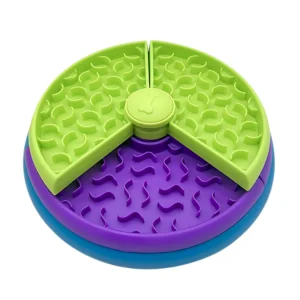
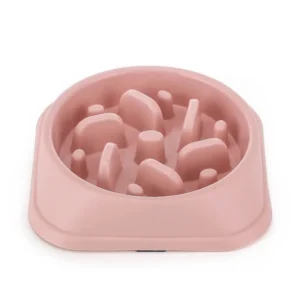
These combine slow-feeder pacing with a gentle puzzle element and can hold a full meal. The Puzzle Bites Feeder slows big eaters while adding enrichment.
Lever and Press Dispensers
These teach cause and effect: press a lever or tail, and a treat drops out. The Duck Treat Dispenser is a fun way to build this skill and is great for training sessions.
Snuffle and Scent Puzzles
Snuffle mats and scatter games hide food for your dog to sniff out. They are easy for beginners and seniors and work the nose rather than the paws.
Difficulty Levels Explained
| Level | What it involves | Good for |
|---|---|---|
| Beginner | One simple action, such as nudging a ball or sniffing through a mat | Puppies, seniors, first-timers |
| Intermediate | Several pieces to move, such as sliders or lift-up lids | Most adult dogs |
| Advanced | Multi-step sequences where one piece unlocks another | Clever working breeds, puzzle pros |
Always start one level below where you think your dog is. Success keeps dogs motivated, and moving up is easy once they are confident.

Choosing the Right Puzzle Feeder
The best puzzle feeder matches your dog’s size, skill level, and eating style.
Start with the Right Difficulty
Begin with an easier design so your dog experiences quick wins and stays motivated. A puzzle that is too hard right away leads to frustration and giving up. As your dog masters one level, move up to a tougher challenge to keep things fresh.
Match the Type to Your Dog
Active chasers enjoy balls, thinkers enjoy boards, and sniffers enjoy scent puzzles. Consider whether you want to use kibble, treats, or both, and whether the puzzle will hold a full meal or just part of one.
Think About Cleaning and Durability
Choose sturdy, food-safe materials, especially for strong chewers, and pick something easy to wash so you will actually reach for it every day. A feeder that lives in the cupboard because it is a pain to clean helps no one. Our cleaning guide keeps the routine quick.
How to Introduce a Puzzle Feeder
Make the first experience easy and positive. Show your dog the food going in, let them watch, and offer plenty of encouragement. For the very first try, leave a few pieces loose or make the puzzle simple so your dog gets an early reward and understands the game. Supervise early sessions to be sure your dog is not chewing on parts rather than solving the puzzle. Within a few meals, most dogs figure it out and start looking forward to the challenge. To see how puzzles compare with other options, read our overview of enrichment versus puzzle feeders and our comparison of a slow feeder vs puzzle feeder.
A Sample Daily Puzzle Routine
Puzzle feeding works best when it becomes part of your normal day rather than an occasional novelty. Here is a routine that fits around a typical work schedule.
Morning
After a short walk and potty break, serve about half of breakfast in a puzzle board and the rest in a slow feeder. Ten minutes of problem-solving before you head out helps your dog settle into a calm morning nap instead of pacing by the door.
Before You Leave
If your dog struggles when you go, hand over a frozen lick mat or a stuffed rubber toy as you walk out. This gives your departure a positive meaning. Supervise the first few times before leaving your dog alone with any toy.
Evening
After the evening walk, use a treat ball or scent game for part of dinner. Rolling and sniffing burn off the last of the day’s energy. Finish with the rest of the meal in a slow feeder.
Weekends
Try a new puzzle or move up a difficulty level when you have time to watch and help. Rotating two or three puzzles through the week keeps each one fresh and interesting.
Measure the whole day’s food first and divide it between tools, so enrichment never turns into extra calories.
Troubleshooting Common Problems
My dog gives up quickly. Drop to an easier level, use smellier treats, and leave some pieces uncovered. Short, successful sessions build persistence.
My dog chews the puzzle. Supervise, remove the puzzle as soon as the food is gone, and choose a sturdier design. Some dogs do better with a rubber ball than a plastic board.
My dog solves it in seconds. Great news. Move up a level, combine two puzzles, or freeze wet food inside a toy for a longer challenge.
My dog barks at the puzzle. This is often mild frustration. Help a little by showing how a piece moves, then reward calm effort.
Easy DIY Puzzle Ideas
You can add variety between store-bought puzzles with a few household items. Hide kibble in a muffin tin and cover each cup with a large ball your dog cannot swallow. Scatter part of a meal across the lawn for a sniffing game. Wrap treats loosely in an old towel and let your dog unroll it. Always supervise DIY games, and skip anything your dog might chew up and swallow.
Get Your Free Slow Feeding Cheat Sheet
Everything in this article — plus portion charts, feeder comparisons and meal plans — in one printable PDF. A 15% discount code is included.
Frequently Asked Questions
Are puzzle feeders good for all dogs?
Most dogs benefit, from bored puppies to sharp seniors. Just match the difficulty to your dog’s ability, and supervise heavy chewers to make sure they work the puzzle rather than destroy it.
How long should my dog use a puzzle feeder?
There is no strict rule. Many owners use one for a meal or two each day, or during times the dog would otherwise be bored or anxious. Even ten to fifteen minutes of focused problem-solving can leave a dog pleasantly tired.
Can a puzzle feeder replace exercise?
No, but it complements it. Physical exercise keeps the body fit while a puzzle feeder works the mind. Together they make for a calmer, more balanced, and happier dog.
Do treats in puzzles cause weight gain?
They can if you add them on top of full meals. Use part of your dog’s regular kibble in the puzzle, and count any extra treats toward the daily total.
Turn Mealtime into Brain Time
A puzzle feeder is one of the simplest ways to fight boredom, curb bad behavior, and give your dog a daily dose of enrichment that a plain bowl never could. Whether your pup needs a challenge, a calming outlet, or just a smarter way to eat, there is a perfect match waiting. Explore our puzzle feeders and treat dispensers in the Pets Sparkle shop and give your dog’s brain the workout it craves.
Sources
The veterinary and animal-welfare resources referenced in this guide:

Digital marketing specialist at BrightSeen Marketing Agency. Turns veterinary research into clear, practical feeding guides for pet parents.
Mahmoud works for BrightSeen Marketing Agency, which looks after our SEO and GEO and Meta ads.
View all articles by Mahmoud