 Written by

Walk down the pet aisle or scroll an online shop and you will see two popular tools promising calmer, healthier meals: slow feeders and puzzle feeders. They look similar, they both slow your dog down, and they both add a little fun to the food bowl. So in the slow feeder vs puzzle feeder debate, which one actually belongs in your kitchen?
The short answer is that they solve slightly different problems. One is built to pace a meal, the other is built to challenge a mind. This guide breaks down how each works, who benefits most, how they compare on cost and cleanup, and when to reach for one over the other, so you can spend your money wisely and keep your dog happy and healthy.
What Is a Slow Feeder?
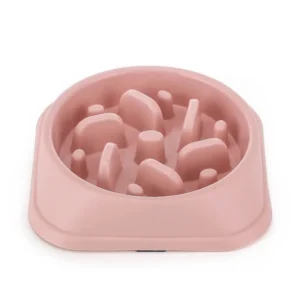
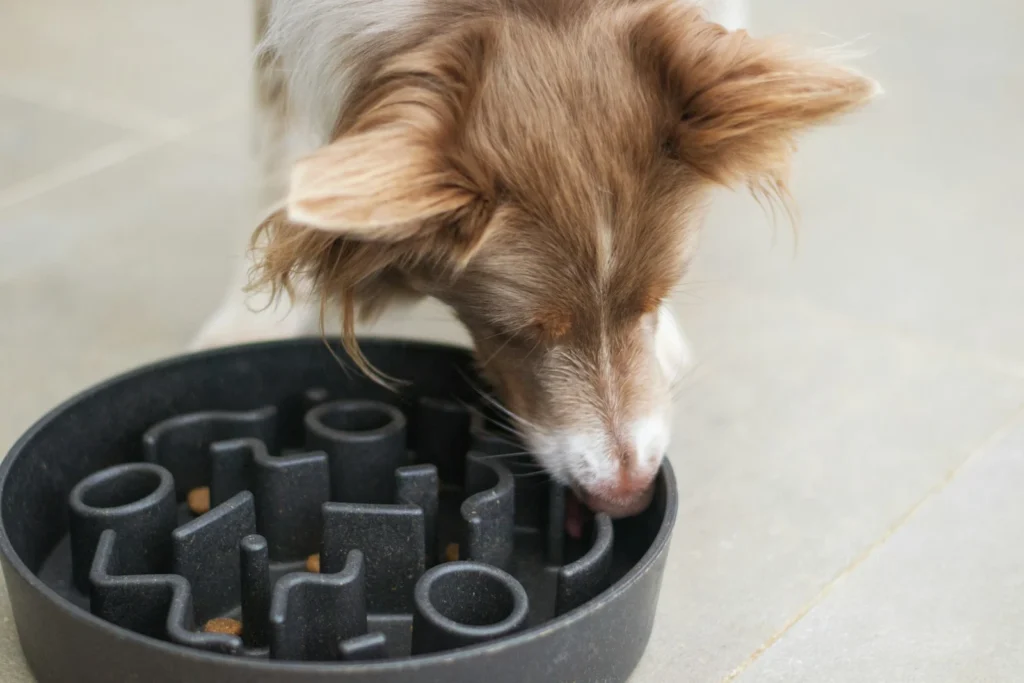
A slow feeder is a bowl with ridges, mazes, or bumps built into the base. Your dog’s regular food goes into the grooves, and the raised pattern forces slower, more deliberate bites. The goal is simple: turn a 30-second gulp-fest into a several-minute meal.
Puzzle Feeders & Enrichment: Beyond the Bowl
Get our expert cheat sheet delivered to your inbox — plus an exclusive 15% discount code for your first order.
Slow feeders shine for dogs that eat too fast. Fast eating means gulping air, which the American Kennel Club (AKC) links to vomiting, discomfort, and a higher risk of bloat. If your dog empties the bowl before you have set down the scoop, a slow feeder like the Triple Maze Feeder is often the first tool to try. For a full overview of styles and sizes, see our complete guide to slow feeder bowls for dogs.
What Is a Puzzle Feeder?
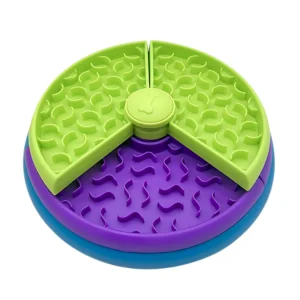
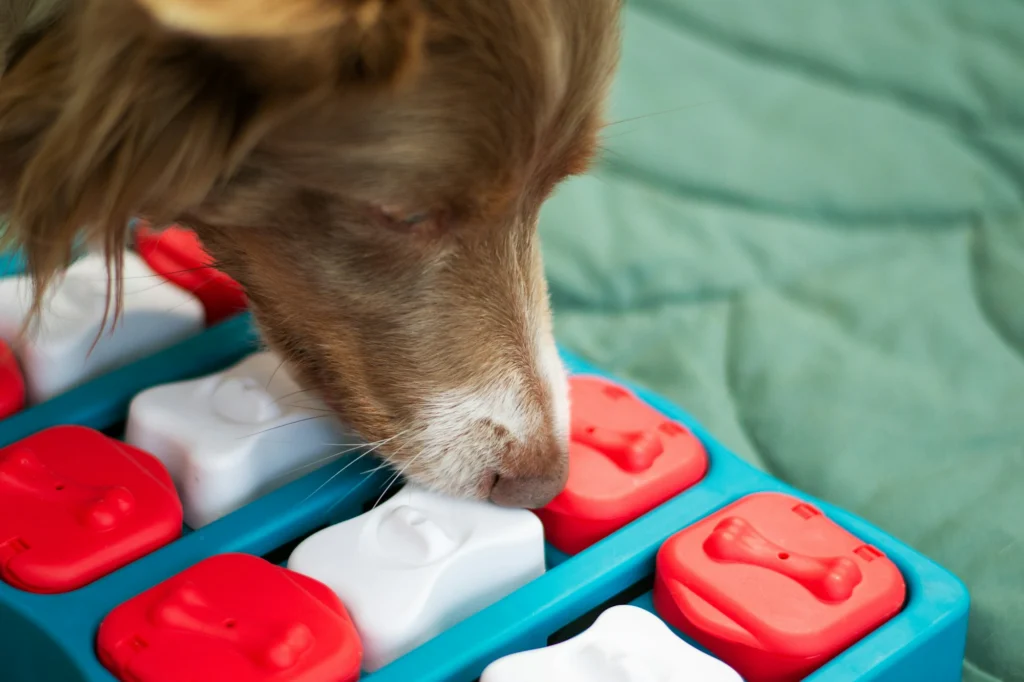
A puzzle feeder is more of an interactive toy than a bowl. It hides food inside compartments, sliding pieces, or a rolling ball, and your dog has to nudge, paw, or flip parts to release each reward. The focus is mental work as much as pacing.
Puzzle feeders are terrific for bored, high-energy, or anxious dogs. Working for a meal taps into natural foraging instincts and tires out a busy brain. A treat-dispensing option like the Pawzzle Feeder Ball keeps a restless dog engaged, which is a lifesaver on rainy days or during July 4th fireworks when outdoor time is limited. For dogs ready for a bigger challenge, the Brainy Puzzle Feeder adds lids and sliders to solve. Our article on how puzzle feeders beat boredom explains the behavioral benefits in more depth.
Slow Feeder vs Puzzle Feeder: Key Differences
Both tools slow eating, but they emphasize different benefits.
Main Goal
A slow feeder is about pacing. It reliably stretches out a meal to protect digestion. A puzzle feeder is about enrichment. It challenges the mind and eases boredom, with pacing as a nice bonus.
Difficulty Level
Slow feeders offer steady, predictable resistance that most dogs figure out on the first try. Puzzle feeders range from beginner to advanced and often need a little coaching. If your dog gives up easily, start with an easy puzzle and build up over time.
Everyday Use
A slow feeder can hold every single meal, day in and day out. A puzzle feeder is usually better as a special activity or for one meal a day, since setup and cleanup take more effort. Many families use both.
Type of Food
Slow feeders handle dry kibble, wet food, and mixed meals equally well. Most puzzle feeders are designed for dry kibble or small treats, since wet food gums up moving parts. If your dog eats a wet or raw diet, a slow feeder or a lick mat is usually the more practical daily choice.
Side-by-Side Comparison
| Feature | Slow Feeder | Puzzle Feeder |
|---|---|---|
| Main purpose | Pacing meals | Mental enrichment |
| Learning curve | Very low | Low to high |
| Best for | Gulpers, bloat-prone breeds | Bored, busy, or anxious dogs |
| Food types | Kibble, wet, raw | Mostly kibble and treats |
| Daily use | Every meal | One meal or a few times a week |
| Cleanup | Quick | More parts to wash |
| Typical price | Lower | Slightly higher |
Which One Does Your Dog Need?
Think about the behavior you want to change. If your dog inhales food, chokes, or throws up soon after eating, pacing is the priority, so choose a slow feeder. Our article on signs your dog eats too fast can help you decide.
If your dog eats at a reasonable pace but is destructive, whiny, or clearly under-stimulated, mental work is the priority, so choose a puzzle feeder. For dogs stuck indoors during a cold Midwest winter or a scorching Arizona summer, a good puzzle keeps the mind busy when walks are short.
Quick Profiles
- The speed eater: a young Labrador who finishes in 40 seconds and then burps. Start with a slow feeder.
- The couch chewer: a clever Border Collie mix left alone during work hours. Start with a puzzle feeder.
- The flat-faced friend: a Pug or Frenchie. Choose a shallow slow feeder, then try an easy puzzle later.
- The senior: an older dog with a slower pace but a dull routine. A gentle puzzle adds brain work without strain.
Why Not Both?
For many dogs, the ideal routine mixes the two. Use a slow feeder for regular breakfast and dinner to protect digestion, then bring out a puzzle feeder a few times a week for enrichment. A versatile Treat Maze Bowl bridges the gap, offering maze-style pacing with a bit of problem-solving built in.
A Sample Weekly Routine Using Both
Here is a simple rotation that works for many households. On weekdays, serve breakfast in a slow feeder, since mornings are rushed and you need something quick to fill and wash. Serve dinner in the slow feeder too, and on two or three evenings, set aside a small part of the portion for a puzzle feeder or treat ball after the walk. On weekends, when you have more time, turn one meal into a longer puzzle session. Rotating toys keeps them novel, which keeps your dog interested for longer.
Remember that food in a puzzle counts toward the daily total. Measure the whole day’s portion first, then divide it between tools so your dog is not quietly gaining weight.
Cost, Durability, and Cleanup
Budget matters too. Slow feeders tend to cost less and last a long time, since they have no moving parts to break. Puzzle feeders carry a slightly higher price because of their sliding pieces and compartments, and a determined chewer can wear them down faster. On cleaning, slow feeders usually rinse or go in the dishwasher easily, while puzzle feeders take a bit more time to break apart and scrub. If low fuss is your top priority, a slow feeder wins, but many owners feel the extra brain benefits of a puzzle are well worth the effort. Our cleaning guide covers both.
Getting Started With Either Tool
Whichever you pick, introduce it gradually. Fill it with your dog’s usual food, offer plenty of praise, and let your dog explore without pressure. If your dog seems stuck, make the first few meals easier by loosening the challenge, then increase difficulty as confidence grows. With a puzzle feeder, you can leave lids half open or show your dog how a slider moves the first time. Our step-by-step guide on introducing a slow feeder uses the same patient approach.
How to Tell If It Is Working
Give any new tool two to three weeks before you judge it, because the first few meals are about learning rather than results. Then look for these signs of progress.
With a Slow Feeder
Time a meal with your phone before you switch and again after a couple of weeks. A dog that finished in under a minute should now take several minutes. You should also notice less burping, fewer episodes of bringing food back up, and a calmer body once the bowl is empty. If your dog is still finishing almost as fast as before, the pattern is probably too shallow or too open for its muzzle, and a deeper or more intricate maze will help.
With a Puzzle Feeder
Success looks different here. You want a dog that approaches the puzzle eagerly, works at it with focus, and then settles down for a rest afterward. Many owners notice fewer destructive episodes, less whining, and a dog that seems more content in the evening. If your dog solves the puzzle in a minute flat, it is time to level up. If your dog walks away within seconds, step back to an easier setting.
When to Rethink the Plan
If vomiting, weight changes, or anxious behavior continue despite a well-chosen tool, check in with your veterinarian. A feeder can support healthier habits, but it cannot fix a medical issue, and a professional can rule out anything that needs treatment.
Safety and Supervision
Supervise your dog with any new feeder until you know how it behaves. Some dogs try to chew or carry a puzzle away, and small removable parts can become a hazard for strong chewers. Pick food-safe, BPA-free materials, check regularly for cracks or loose pieces, and replace damaged tools. Our article on whether slow feeders are safe covers materials in detail.
Get Your Free Slow Feeding Cheat Sheet
Everything in this article — plus portion charts, feeder comparisons and meal plans — in one printable PDF. A 15% discount code is included.
Frequently Asked Questions
Is a slow feeder or puzzle feeder better for weight loss?
Both help. Slower, more engaging meals help a dog feel satisfied on the correct portion. The AAHA guidelines describe puzzle toys and automated feeders as useful tools within a larger plan that includes feeding management and daily activity, so pair any feeding tool with measured portions and exercise for real, lasting results.
Can I use a puzzle feeder for every meal?
You can, but many owners find it more practical for one meal or as an occasional treat because of the extra setup and cleaning. A slow feeder is the easier choice for everyday, twice-daily feeding.
Are these tools safe for puppies?
Yes, with the right size and supervision. Choose a shallow, beginner-friendly design and watch the first few sessions. The AKC recommends feeding puppies at regular times in regular amounts, which helps set them up for a healthy life.
My dog gets frustrated with puzzles. What should I do?
Drop to an easier level, use smellier treats, and keep sessions short. Frustration usually means the puzzle is a step too hard, not that your dog is not a puzzle dog.
Find the Right Feeder for Your Dog
There is no single winner in the slow feeder vs puzzle feeder matchup, only the right fit for your dog’s needs. Pace a fast eater, challenge a bored one, or do both for a well-rounded routine. Explore our full range of slow feeders, puzzle feeders, and enrichment toys in the Pets Sparkle shop and give your dog calmer, more rewarding meals today.
Sources
The veterinary and animal-welfare resources referenced in this guide:

Digital marketing specialist at BrightSeen Marketing Agency. Turns veterinary research into clear, practical feeding guides for pet parents.
Mahmoud works for BrightSeen Marketing Agency, which looks after our SEO and GEO and Meta ads.
View all articles by Mahmoud