 Written by
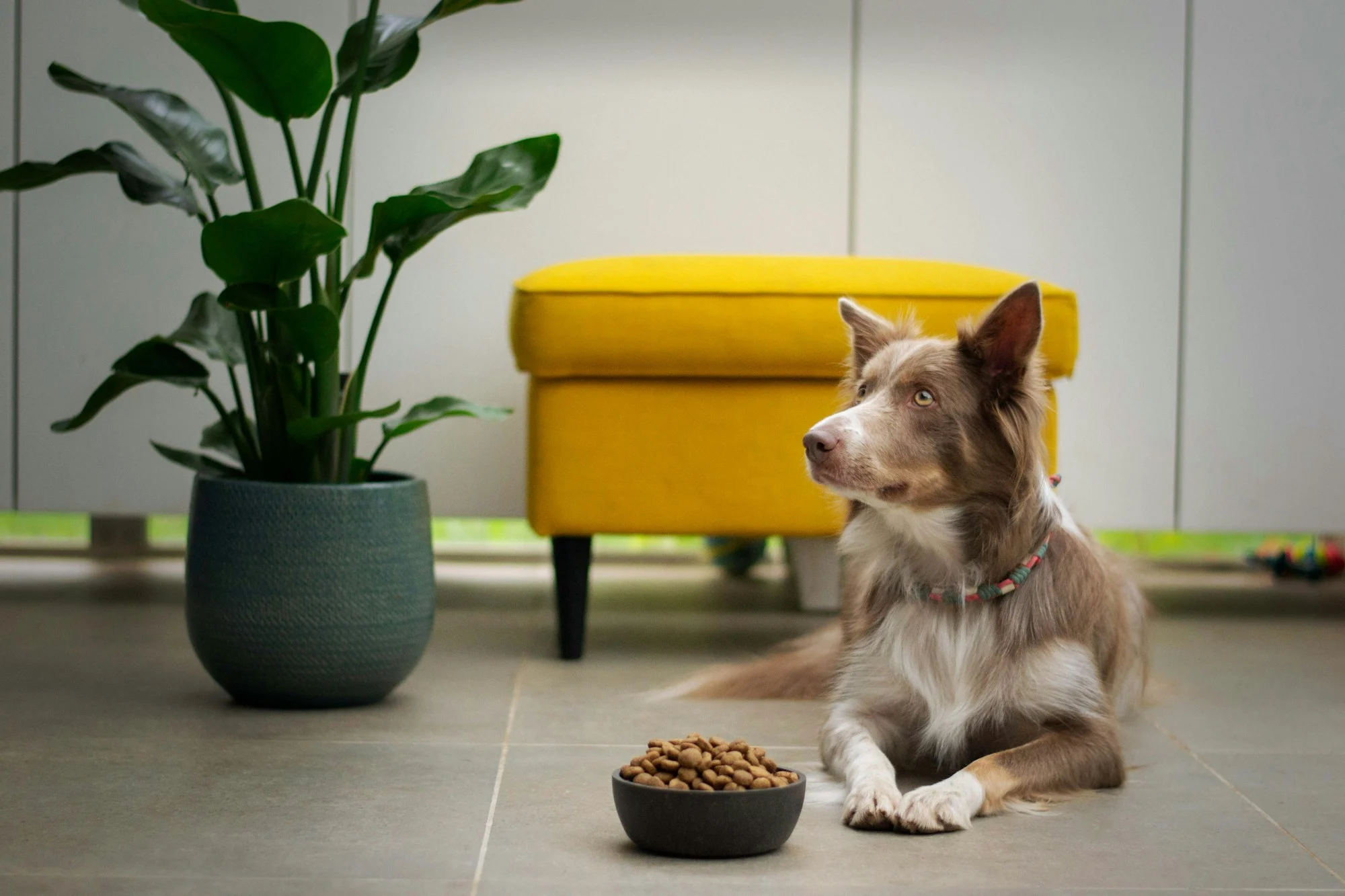
Is a slow feeder frustrating for dogs? It can be, but only when the challenge does not match the dog. Most dogs adapt to a slow feeder within a few meals, while a puzzle that is too hard, too deep, or introduced too fast can lead to pawing, barking, flipping the bowl, or walking away from dinner.
The goal of a slow feeder is a calmer, longer meal, not a stressful one. This post explains why some dogs get frustrated, the signs to watch for, how to tell a healthy challenge from real stress, and simple ways to adjust the bowl, the food, and the routine so mealtime stays enjoyable.
Is a Slow Feeder Frustrating for Dogs? The Short Answer
A slow feeder is not frustrating for most dogs when the difficulty is set at the right level. Blue Cross, the UK animal welfare charity, advises that food enrichment should not be too easy or too hard for your dog, as this can cause frustration, and recommends building up slowly to more challenging activities as your dog gains experience.
Slow Feeding for Anxious, Reactive & Senior Pets
Get our expert cheat sheet delivered to your inbox — plus an exclusive 15% discount code for your first order.
That one idea explains almost every frustrated dog. The bowl is not the problem on its own. The mismatch between the bowl and the dog is.
It also helps to remember why slow feeders exist. The American Kennel Club explains that dogs who eat too quickly may choke, vomit, or feel discomfort, and that gulping air with food may increase the risk of bloat. The AKC lists slow feeder bowls and food puzzles among the practical ways to help. A little effort at mealtime is the point, and most dogs enjoy it once they understand the game.
Why Some Dogs Get Frustrated at a Slow Feeder
Dogs usually get frustrated at a slow feeder because the jump from an open bowl to a puzzle is too big, too sudden, or poorly matched to their face, food, or personality. The most common causes are easy to fix.
The design is too difficult to start with
A deep, tight maze is a big change for a dog that has always eaten from an open bowl. If the first meal feels impossible, some dogs give up quickly. Starting with a shallow design and working up mirrors the step-by-step approach Blue Cross recommends.
The bowl does not fit the dog
A bowl that is too small, too large, or too deep for your dog’s muzzle makes food hard to reach. Flat-faced breeds can struggle with tall ridges, and a large dog may not fit its nose into narrow channels. Our guide on what size slow feeder your dog needs explains how to match bowl size to your dog.
The food and bowl do not suit each other
Large kibble can jam in narrow gaps, and thick wet food can pack into deep channels. When pieces get stuck, your dog does all the work for very little reward.
Mealtime pressure
Hunger, excitement, or other pets nearby raise the stakes. A dog that is worried about losing its food may get pushy with a puzzle instead of working through it. If mealtimes are tense in general, our post on calming an anxious dog at mealtimes offers practical steps.
Signs Your Dog Is Frustrated With a Slow Feeder
The clearest signs of slow feeder frustration are repeated barking or whining at the bowl, pawing or flipping it, chewing on the ridges, and walking away before the meal is finished. A few of these behaviors once in a while are normal while your dog learns. A pattern over several meals means it is time to adjust.
| What you see | What it may mean | What to try |
|---|---|---|
| Barking or whining at the bowl | The puzzle feels too hard right now | Switch to an easier section or a shallower design |
| Pawing at or flipping the bowl | Your dog is trying to shortcut the puzzle | Use a non-slip bowl and place a few easy pieces on top |
| Chewing the ridges | Frustration or a strong urge to chew | Supervise closely and remove the bowl if it gets damaged |
| Walking away before finishing | Your dog has given up | Make the next meal easier, then build up again |
| Licking calmly and working steadily | A healthy challenge | Keep going; this is the goal |
If your dog stops eating altogether, skips several meals, or seems unwell, do not treat it as a bowl problem. Go back to an open bowl and call your vet.
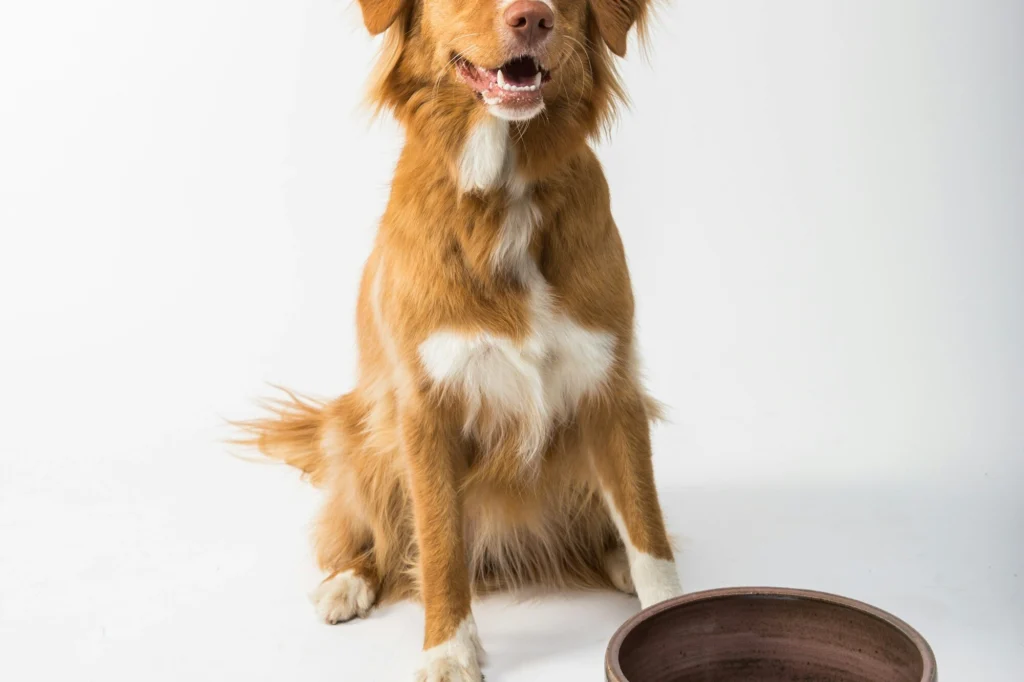
Healthy Challenge vs Frustration
A healthy challenge looks like steady, focused work with a relaxed body, while frustration looks like rising intensity, noise, and giving up. Most dogs sit somewhere in between for the first few meals, and that is fine.
A bit of effort is good for dogs. The ASPCA describes every meal as an opportunity for enrichment and says food puzzles are a great way to slow down your dog’s eating and provide mental stimulation. The ASPCA also notes that dogs who do not receive enough stimulation tend to find their own ways to stay busy, which can result in unwanted behaviors.
So the aim is not to remove all challenge. It is to keep the challenge in the zone where your dog stays interested. Signs you have it right include:
- Your dog approaches the bowl eagerly at the next meal.
- It licks, nudges, and moves around the bowl without barking or biting at it.
- It finishes the meal, even if it takes longer than before.
- It seems calm or settled after eating rather than wound up.
The AKC adds that the ridges in a slow feed bowl provide a challenge that can make mealtimes more fun. When the level is right, that is exactly what you should see.
How to Make a Slow Feeder Less Frustrating
The fastest way to make a slow feeder less frustrating is to make the first meals easy, then raise the difficulty a little at a time. Here is a simple plan.
- Start with part of the meal. Serve a small portion in the slow feeder and the rest in your dog’s usual bowl. This keeps mealtime positive while your dog learns.
- Leave easy wins on top. Scatter a few pieces on top of the ridges so your dog gets rewarded right away.
- Use high-value food at first. A spoon of your dog’s regular wet food spread on the ridges can make the bowl more appealing.
- Keep the bowl steady. A bowl that slides away is annoying. Choose one with a non-slip base or place it on a mat.
- Feed in a calm, quiet spot. Separate pets and keep other distractions away during the learning phase.
- Increase difficulty slowly. Once your dog finishes calmly for several meals in a row, move more of the meal into the slow feeder or try a harder section.
- Supervise new feeders. AAHA advises that you supervise your dog with a new enrichment item and choose one that suits its size and chewing style.
Our step-by-step post on how to introduce your dog to a slow feeder bowl goes into more detail on timing and setup.
Choosing the Right Difficulty Level
The right difficulty level lets your dog finish the meal calmly while still slowing it down. Because every dog is different, bowls with more than one level of challenge make it easier to find that balance.
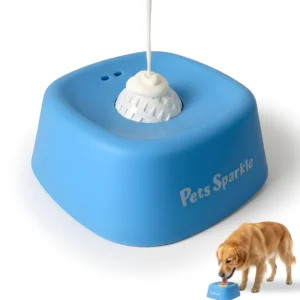
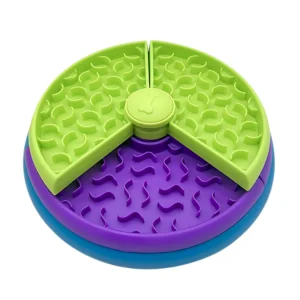
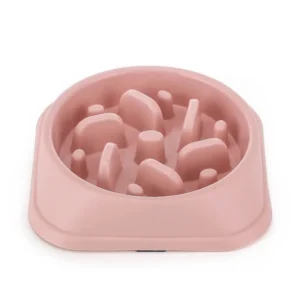
The Pets Sparkle Triple Maze Feeder has three maze depths in one bowl, so you can start your dog on the easiest section and move up as it gains confidence. The Treat Maze Bowl has an anti-gulp maze and six non-slip pads that keep it in place, which helps with dogs that push the bowl around. For a gentler option, the Interactive Licking Bowl uses a spinning center ball that turns fast eating into calm licking. These bowls are sized for small to medium dogs and cats, and you can compare more designs in our slow feeder bowls collection.
If you are still deciding between a bowl and a more involved puzzle, our comparison of slow feeders vs puzzle feeders explains the difference, and the guide to choosing the best slow feeder for dogs walks through sizes, materials, and difficulty.
Dogs That Need Extra Care
Some dogs need a gentler slow feeder setup because of their face shape, age, or temperament. With these dogs, start even easier and watch closely.
- Flat-faced breeds. Pugs, Bulldogs, and French Bulldogs can find tall ridges hard to reach around. Shallow, open designs usually work better. See our post on slow feeders for flat-faced dogs.
- Senior dogs. Older dogs may have stiff necks, sore teeth, or less patience. A low challenge with soft food often suits them. Our post on feeding enrichment for senior dogs has more ideas.
- Puppies. Puppies are learning everything at once. Keep the puzzle simple so mealtime stays a positive experience.
- Anxious dogs. A dog that is already stressed may not cope well with a hard puzzle. Start with a licking surface, which many dogs find soothing, and build from there.
If your dog has dental pain, a medical condition, or a special diet, check with your vet before changing how meals are served.
When a Slow Feeder Is Not the Right Tool
A slow feeder is not the right tool if your dog stays frustrated after you have made it easier, or if mealtime has become stressful for everyone. There are other ways to slow a fast eater.
AAHA suggests a muffin tin game, where you place food in several cups and cover them with tennis balls or soft toys, along with snuffle-style games using a folded towel. The AKC also mentions spreading food on a cookie sheet or across a muffin pan, and hand feeding during training sessions. A snuffle mat lets your dog sniff out kibble at its own pace, and our guide to dog puzzle feeders covers other formats.
Whatever you choose, AAHA recommends using part of your dog’s normal daily food for enrichment so the extra calories do not add up. And if your dog vomits often, chokes while eating, or shows signs of bloat, such as a swollen belly and retching without bringing anything up, call your vet right away.
Challenge, Not Stress
A slow feeder should make meals longer and calmer, not harder to enjoy. Most frustration comes from a puzzle that is too difficult too soon, a bowl that does not fit, or food that does not suit the design. Start easy, leave a few quick rewards, keep the bowl steady, and raise the challenge only when your dog is finishing calmly.
Watch your dog rather than the clock. Calm licking and steady focus mean you have the level right. Barking, pawing, and walking away mean it is time to make things easier for a while.
Get Your Free Slow Feeding Cheat Sheet
Everything in this article — plus portion charts, feeder comparisons and meal plans — in one printable PDF. A 15% discount code is included.
Frequently Asked Questions
Do slow feeders frustrate dogs?
Slow feeders can frustrate some dogs, usually when the design is too hard or introduced too quickly. Blue Cross notes that food enrichment should not be too easy or too hard, because either can cause frustration. Starting with an easy design, leaving some food on top, and building up slowly keeps most dogs relaxed and interested.
How do I know if my dog is frustrated with a slow feeder?
Common signs include barking or whining at the bowl, pawing or flipping it, chewing the ridges, and walking away before finishing. A calm dog licks and works steadily. If frustration shows up meal after meal, make the bowl easier for a while. If your dog stops eating or seems unwell, call your vet.
How long does it take a dog to get used to a slow feeder?
It varies from dog to dog. Many dogs adjust over a few meals, while others need a slower introduction. Serving part of the meal in the slow feeder at first, using food your dog loves, and raising the difficulty only after several calm meals helps your dog learn at its own pace without stress.
Are slow feeders good for anxious dogs?
They can be, if the challenge stays low. Licking surfaces and shallow designs are often a good start for anxious dogs, because the task is simple and steady. Avoid hard puzzles at first, feed in a quiet spot away from other pets, and supervise. If anxiety is severe, ask your vet for guidance.
What can I use instead of a slow feeder?
Good alternatives include a muffin tin with food in each cup, a cookie sheet with kibble spread out, a snuffle mat, scatter feeding, or hand feeding during training. AAHA and the AKC both describe these options. Use part of your dog’s daily food so you do not add extra calories.
Sources
The veterinary and animal welfare resources referenced in this post:

Digital marketing specialist at BrightSeen Marketing Agency. Turns veterinary research into clear, practical feeding guides for pet parents.
Mahmoud works for BrightSeen Marketing Agency, which looks after our SEO and GEO and Meta ads.
View all articles by Mahmoud