 Written by
The gray muzzle, the longer naps, the slower trip up the stairs: watching a beloved dog grow older is bittersweet. But senior dogs still have so much life to enjoy, and one of the best ways to keep them healthy and happy is to keep their minds and bodies gently engaged. Feeding enrichment for senior dogs turns everyday meals into low-impact brain games that fight boredom, ease anxiety, and help keep an aging mind sharp. Best of all, it works with your dog’s changing abilities instead of against them. Here is how to use enrichment feeding, adapt it for aging bodies and senses, and give your senior the golden years they deserve.
Why Enrichment Matters More as Dogs Age
As dogs get older, their world often gets smaller. Long hikes become short strolls, and the energetic play of the puppy years fades. Without enough stimulation, senior dogs can slide into boredom, which sometimes shows up as sleeping all day, restlessness, or new anxious habits.
Mental engagement is a form of exercise the body can always handle. Just as puzzles and games are often suggested to keep human minds active, food puzzles and enrichment feeders give an older dog a satisfying mental workout. Veterinarians, including the team at Cornell’s Riney Canine Health Center, point to enrichment as a valuable tool for supporting cognitive health in aging dogs, including dogs showing early signs of canine cognitive dysfunction, the doggy version of age-related memory decline. For senior dogs, AAHA recommends a veterinary exam every six months, which is a good time to ask about mealtime and cognitive changes.
Slow Feeding for Anxious, Reactive & Senior Pets
Get our expert guide delivered to your inbox — plus an exclusive 15% discount code for your first order.
Signs of Cognitive Change to Watch For
Age-related changes in the brain can be subtle at first. Keep an eye out for:
- Getting stuck in corners or behind furniture, or seeming lost in familiar rooms
- Changes in how your dog interacts with family members or other pets
- Sleeping more in the day and pacing or waking at night
- House-training accidents in a previously reliable dog
- Less interest in play, toys, or greeting you at the door
- New anxiety, restlessness, or vocalizing
Many of these can also be caused by pain, vision loss, or other medical issues, so mention any changes to your veterinarian. Enrichment is one part of a plan your vet can help you build.
The Benefits of Enrichment Feeding for Seniors
Turning mealtime into a gentle challenge does more than pass the time. It keeps the brain working as your dog figures out how to get the food, which supports mental sharpness. It slows down eating, which is easier on a sensitive senior stomach and helps prevent the gulping that leads to vomiting. It builds a little low-impact activity into the day without stressing tired joints, and it gives anxious or restless seniors a calming, focused task.
It can also strengthen your bond, since working alongside your dog at a calm, patient pace becomes a small daily ritual you both look forward to. For dogs who have started throwing up after meals, our guide on why dogs throw up after eating is a helpful companion read.
Choosing Senior-Friendly Enrichment Feeders
The key with senior dogs is to match the enrichment to their physical abilities. A puzzle that is too hard or too physically demanding leads only to frustration. Keep these factors in mind.
Easy on the Joints
Choose feeders your dog can use comfortably while standing or lying down, without a lot of pawing, pouncing, or bending. Flat lick mats and shallow bowls are gentle on stiff necks and arthritic joints.
The Right Difficulty
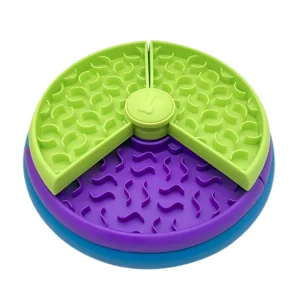
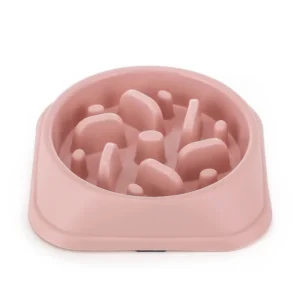
Start easy and keep it rewarding. A frustrated senior will simply walk away. A Slow Licking Mat smeared with a soft topper is a wonderful low-stress option, and the licking itself is soothing. For a bit more of a thinking game, a gentle puzzle like the Puzzle Bites Feeder lets your dog problem-solve at an easy pace. The shallow Treat Maze Bowl is another easy option for everyday kibble meals.
Dental Considerations
Many seniors have worn teeth or dental issues. Lick mats and feeders that work with wet food or softened kibble are kinder to a tender mouth than hard, crunchy challenges.
Watch how your dog moves before you buy. A senior with hip or elbow arthritis may struggle to reach into a deep bowl, while a dog with a stiff neck does better with a feeder raised slightly off the floor. Small adjustments like these make the difference between a feeder your dog loves and one that gathers dust in the cupboard.
Setting Up a Senior-Friendly Feeding Station
Older dogs often struggle on slippery floors, so place the feeder on a rubber-backed rug or yoga mat that gives secure footing. For dogs with neck or back stiffness, a low platform that brings the feeder closer to chest height can make eating more comfortable; ask your vet what height suits your dog, especially for large, deep-chested breeds. Keep water within a few steps of the feeding spot. Choose a quiet, warm corner away from drafts, and avoid places your dog must reach by stairs. Keeping the station in the same place every day helps dogs with memory changes find it easily.

Simple Enrichment Ideas for Older Dogs
You do not need fancy gear to enrich a senior dog’s day. Spread wet food or a dog-safe topper like plain pumpkin on a lick mat to stretch a treat into a calming session. Scatter a portion of kibble across a snuffle mat or in the grass on a mild day so your dog can use its nose, a sense that often stays strong well into old age. Rotate a couple of easy puzzles so meals stay novel. Hide a few pieces of kibble around one room for a gentle “find it” game. Even hand-feeding a few pieces during quiet bonding time counts as enrichment. Short “sniff walks” where your dog sets the pace and explores smells are wonderful too. The goal is variety and gentle engagement, not difficulty.
Nose Work: A Senior Superpower
A dog’s sense of smell is its most powerful tool, and sniffing is one of the most satisfying, low-effort activities an older dog can do. Scent games work the brain hard while asking almost nothing of the joints, which makes them perfect for seniors with arthritis or low stamina.
Start simple. Let your dog watch you place a piece of kibble under one of three upturned cups, then encourage it to find the right one. Once your dog understands, hide the cup-covered treat while your dog waits in another room. Next, try hiding a few pieces around a single room at nose height, so your dog does not need to climb or crouch. Keep sessions short and upbeat, and celebrate every find. Many owners are delighted to see a sleepy senior light up with the old spark during a sniffing game.
Enrichment With Special Diets and Medications
Many seniors eat prescription diets for kidney, joint, or digestive health, and some take daily medications with food. Enrichment still works, as long as you use the right food. Put your dog’s prescribed diet into the feeder rather than adding extra treats, and ask your vet which toppings, if any, are allowed. If your dog takes pills with a meal, give the medication first in a small portion from a regular bowl so you can confirm it was eaten, then serve the rest of the meal in the enrichment feeder.
Adapting for Vision and Hearing Loss
Many senior dogs lose some sight or hearing, but enrichment can easily adapt. For dogs with poor vision, lean into scent: use strong-smelling toppings, keep feeders in the same spot, and avoid moving furniture around the feeding area. Contrasting colors between the feeder and the floor can help too. For dogs with hearing loss, use hand signals or a gentle touch to let them know mealtime has started, and approach from the front so you do not startle them while they eat.
A Gentle Weekly Plan
| Day | Enrichment idea |
|---|---|
| Monday | Breakfast on a lick mat with softened food |
| Tuesday | Short sniff walk, dinner in a shallow maze bowl |
| Wednesday | Snuffle mat for part of breakfast |
| Thursday | Easy puzzle feeder for one meal |
| Friday | “Find it” game with a few kibble pieces in one room |
| Weekend | Frozen lick mat, gentle car ride to a new place to sniff |
Keeping It Safe and Comfortable
Always supervise your senior during enrichment, and stop if you see frustration or fatigue. Set feeders on a non-slip surface so your dog does not have to fight a sliding bowl on the kitchen floor. In cold Midwest and Northeast winters, keep enrichment sessions indoors and cozy, and on hot summer days offer a frozen lick mat to help your dog cool down. Count enrichment food as part of the daily ration, since less active seniors gain weight easily. Always check with your veterinarian before making feeding changes, especially if your senior has a health condition or takes medication with meals.
Get Your Free Slow Feeding Guide
Everything in this article — plus portion charts, feeder comparisons and meal plans — in one printable PDF. A 15% discount code is included.
Frequently Asked Questions
Is my dog too old for enrichment feeding?
It is never too late. Even very senior dogs benefit from gentle mental stimulation. The trick is choosing easy, low-impact feeders that match your dog’s current abilities so the experience stays fun, not frustrating.
Can enrichment help with canine cognitive decline?
Mental stimulation is one of the tools veterinarians recommend to support brain health in aging dogs. While enrichment is not a cure, keeping the mind active may help. Talk with your vet about a full plan if you notice signs of confusion or memory loss.
What if my senior dog has bad teeth?
Choose soft-food options like lick mats and feeders designed for wet food or softened kibble. These provide all the mental benefits without asking a sore mouth to crunch through hard challenges.
How long should a senior enrichment session last?
Short and sweet is best. Five to fifteen minutes is plenty for most older dogs. End while your dog is still enjoying it.
Give Your Senior Dog Brighter Days
Your older dog has given you years of loyalty and love, and feeding enrichment is a simple, meaningful way to give back. A few minutes of gentle brain work at mealtime can keep your senior sharper, calmer, and more engaged with the world. Ready to add a little joy to your senior dog’s routine? Explore our senior-friendly lick mats and puzzle feeders in the Pets Sparkle shop today.
Sources
The veterinary and animal-welfare resources referenced in this guide:

Mahmoud Mohamed Samir is an SEO/GEO Specialist who turns veterinary research into clear, practical feeding guides, built so pet parents get straight answers whether they search on Google or ask an AI assistant.
View all articles by Mahmoud