 Written by
Big dogs bring big appetites, and that often means big, fast, air-gulping meals. If you share your home with a Labrador, German Shepherd, Golden Retriever, or Great Dane, you already know how quickly a full bowl can vanish. The right slow feeders for large dogs turn those frantic meals into calm, healthy ones, protecting digestion and even reducing serious risks. Here is our 2026 guide to choosing the best one.
We will cover why large breeds especially benefit, the features that matter, our top picks with a quick comparison, breed-by-breed suggestions, and how to set up a feeding station that keeps a strong, enthusiastic eater calm and safe.
Why Large Dogs Need Slow Feeders
Large and deep-chested breeds face two overlapping problems. First, their size means bigger portions, which are easy to inhale in seconds. Second, many of these breeds are the ones most vulnerable to bloat, a dangerous condition tied to rapid eating and swallowed air.
How to Pick the Right Slow Feeder for Your Pet
Get our expert cheat sheet delivered to your inbox — plus an exclusive 15% discount code for your first order.
The American Kennel Club (AKC) says that fast eaters have a higher risk of bloat, a condition that most often affects large, deep-chested dogs like Great Danes and Weimaraners. Slowing the meal reduces the air a dog gulps down and gives the stomach a gentler pace. Our article on whether slow feeders help prevent bloat explains the connection in more detail.
Beyond bloat, slower meals support easier digestion, help with healthy weight, and cut down on the burping and regurgitation that come from gulping. The Association for Pet Obesity Prevention (APOP) found that 59 percent of US dogs evaluated by veterinary professionals in 2022 were overweight or had obesity, so a tool that helps a big dog eat mindfully is a genuine win. Extra weight also puts more strain on large-breed hips and elbows, which makes portion control and satisfying meals doubly important.
What to Look for in a Large-Breed Slow Feeder
Not every slow feeder can handle a large dog. Keep these features in mind.
Size and Capacity
A large dog needs a wide, deep bowl that holds a full portion, often one to three cups of kibble. A feeder that is too small will not do the job and may tip over. Look for a generous footprint and a design built for bigger meals. If a single bowl cannot hold the whole meal, split it between two feeders or across two sittings.
Sturdy, Non-Slip Base
Strong dogs push bowls around the kitchen. A heavy build or a non-slip rubber base keeps the feeder in place so your dog works the maze instead of chasing it across the floor.
Deeper Maze Patterns
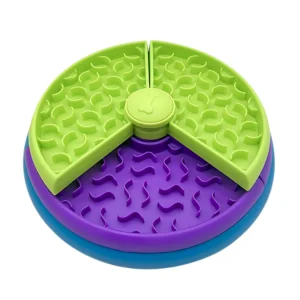
Large mouths can scoop food out of shallow ridges too easily. A deeper, more intricate maze provides real resistance. The Triple Maze Feeder is purpose-built for dogs and offers the kind of challenge a big eater actually needs.
Durable, Food-Safe Material
Choose tough, food-safe materials that survive daily use and enthusiastic licking. If you want to compare options, our guide to silicone, plastic, and stainless steel feeders breaks down durability and cleaning.
Chew Resistance
Some big dogs treat a new bowl as a chew toy. If yours is a chewer, supervise meals, pick up the feeder when it is empty, and replace it at the first sign of cracks or bite marks.
Our Top Picks for Large Dogs
Here are the styles that consistently work well for bigger breeds.
Best Maze Bowl: Triple Maze Feeder
With its deep, winding channels, the Triple Maze Feeder is a standout for large dogs. It holds a hearty portion, slows down even the fastest eater, and adds a bit of mental work to every meal. It is the one we recommend first for Labs, Goldens, and shepherds who finish dinner in seconds.
Best Flat Puzzle for Big Eaters: Puzzle Bites Feeder
The Puzzle Bites Feeder spreads food across a wide, flat surface, which suits large muzzles that struggle to reach into narrow bowls. It slows big eaters and adds enrichment at the same time, so it works well for one meal a day.
Best for Brain Work: Brainy Puzzle Feeder
Clever working breeds need more than pacing. The Brainy Puzzle Feeder turns part of a meal into a game with compartments to open and slide, which helps tire out a busy mind on days when exercise is limited.
Best Versatile Option: Treat Maze Bowl
The Treat Maze Bowl suits homes with both dogs and cats and delivers reliable pacing with a moderate challenge. For a large dog, it works best for smaller meals, snacks, or as a second bowl when you split a portion.
Quick Comparison
| Feeder | Best for | Challenge level | Everyday meals? |
|---|---|---|---|
| Triple Maze Feeder | Fast gulpers, bloat-prone breeds | Medium to high | Yes |
| Puzzle Bites Feeder | Big muzzles, wide heads | Medium | Yes, or one meal a day |
| Brainy Puzzle Feeder | Smart, bored working dogs | Adjustable | Part of a meal |
| Treat Maze Bowl | Split portions, multi-pet homes | Low to medium | Smaller meals |
Matching the Feeder to Your Breed
Breed traits offer useful clues when you are choosing.
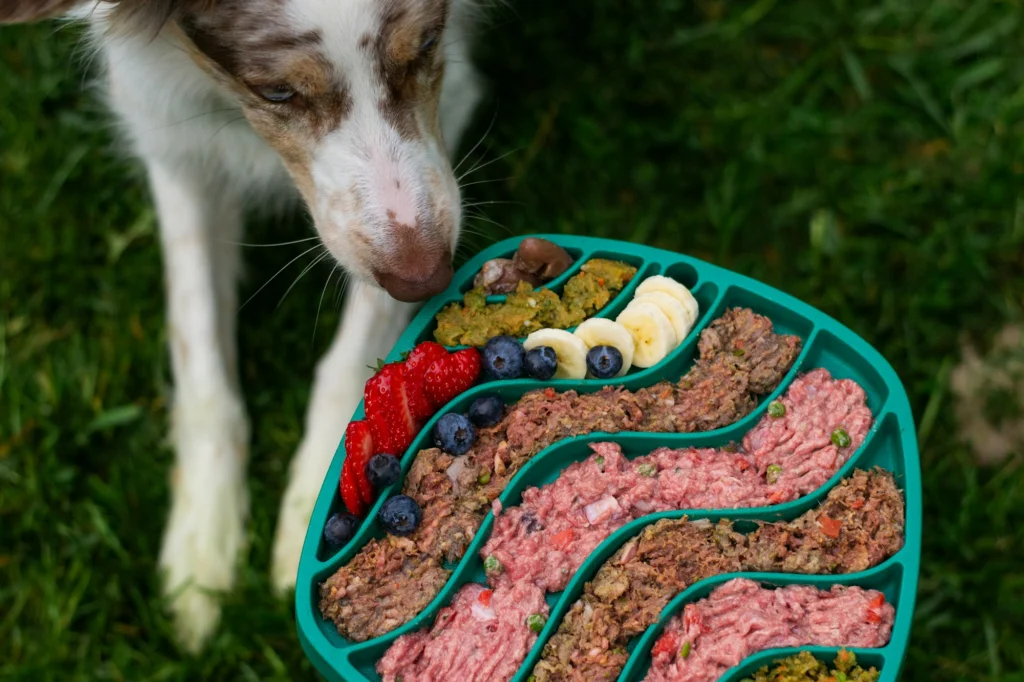
Labrador and Golden Retrievers are famously food-motivated and often the fastest eaters in the house. A deep maze bowl for every meal is usually the right call. German Shepherds, Belgian Malinois, and other working breeds benefit from pacing plus problem-solving, so pair a maze bowl with a puzzle feeder a few times a week. Great Danes, Weimaraners, Standard Poodles, and other deep-chested breeds carry a higher bloat risk, so consistency matters most: a slow feeder at every meal, two or three meals a day, and calm rest afterward. Boxers and Mastiff types have broader, shorter muzzles and often do better with a wider, flatter puzzle than a tight, deep maze.
Setting Up a Large-Dog Feeding Station
Where and how you feed matters nearly as much as the bowl itself. Pick a quiet, low-traffic corner where your dog will not be bumped or distracted. Place the feeder on a rubber mat or tray to stop sliding and catch spills. Keep a water bowl nearby, but not right next to the food, so your dog does not alternate between gulps of both.
Many owners of big dogs ask about raised bowls. They can be helpful for dogs with arthritis or certain swallowing conditions, but a well-known Purdue University study of large and giant breeds linked raised food bowls to a higher risk of bloat. Unless your veterinarian recommends one, a floor-level slow feeder is a sensible default for large, deep-chested dogs.
Feeding Tips for Big, Fast Eaters
A great bowl is only part of the plan. Split the daily food into two or three smaller meals rather than one large serving to reduce stomach volume at any one time. Feed in a calm, quiet spot, and in multi-dog homes, separate bowls so competition does not speed things up. Our guide to feeding multiple dogs in one household has a full plan.
Avoid heavy exercise for about an hour before and after meals, which matters most on hot summer days in states like Texas and Florida when dogs may gulp both food and water. Measure every portion with a proper cup, since large breeds eat a lot and small overestimates add up quickly. Our guide to portion control for dogs explains how to find the right amount. And introduce the feeder gradually, offering praise and scattering a few pieces on top if your dog needs encouragement at first. Our step-by-step guide on how to introduce a slow feeder walks you through it.
Signs Your Large Dog Eats Too Fast
Not sure whether your big dog truly needs a slow feeder? Watch for a few telltale clues at mealtime. An empty bowl in under a minute, loud gulping or choking sounds, coughing up whole kibble, a visibly swollen belly right after eating, or constant begging because the meal never felt satisfying all point to a fast eater. Large breeds are strong enough to knock a lightweight bowl around, so you may also notice food scattered across the floor. If any of these sound familiar, a sturdy maze feeder is well worth trying. Our guide on the signs your dog eats too fast walks through each one and how to respond.
Get Your Free Slow Feeding Cheat Sheet
Everything in this article — plus portion charts, feeder comparisons and meal plans — in one printable PDF. A 15% discount code is included.
Frequently Asked Questions
What size slow feeder does a large dog need?
Choose a wide, deep bowl that comfortably holds your dog’s full portion, often one to three cups. A larger footprint with a non-slip base prevents tipping and keeps a strong dog focused on the maze.
Are slow feeders good for dogs prone to bloat?
They can help. By reducing rapid eating and swallowed air, a slow feeder addresses one known bloat risk factor. It is not a cure, so pair it with smaller meals, calm feeding, and your veterinarian’s guidance.
My large dog just flips the bowl. What can I do?
Place the feeder on a rubber mat, choose a heavier or wider base, and stay close for the first few meals to calmly redirect. Flipping often means the maze is too hard at first, so make it easier and build up.
How many meals a day should a large dog eat?
Most adult large dogs do well on two meals a day, and many owners of deep-chested breeds choose three smaller ones to keep stomach volume down. Large-breed puppies usually eat three or four measured meals. Your vet can recommend the right schedule for your dog’s age, weight, and health.
How long will a slow feeder last with a big dog?
With normal use and no chewing, a quality feeder should last a long time. Check it regularly, and replace it when you see deep scratches, cracks, or bite marks, since damaged surfaces are harder to clean and can break under a strong dog.
How do I clean a large slow feeder?
Most silicone and plastic feeders are dishwasher safe on the top rack, and a soft brush reaches the deep grooves. Wash regularly to keep trapped food and bacteria from building up in the maze. Our cleaning guide has the full routine.
Find the Right Feeder for Your Big Dog
The best slow feeders for large dogs combine a generous size, a sturdy base, and a deep maze that a strong eater cannot cheat. Get it right and you will see calmer meals, better digestion, and real peace of mind. Explore our full range of large-breed slow feeders and enrichment tools in the Pets Sparkle shop and give your big dog the healthy, relaxed mealtimes it deserves.
Sources
The veterinary and animal-welfare resources referenced in this guide:

Digital marketing specialist at BrightSeen Marketing Agency. Turns veterinary research into clear, practical feeding guides for pet parents.
Mahmoud works for BrightSeen Marketing Agency, which looks after our SEO and GEO and Meta ads.
View all articles by Mahmoud