 By
By 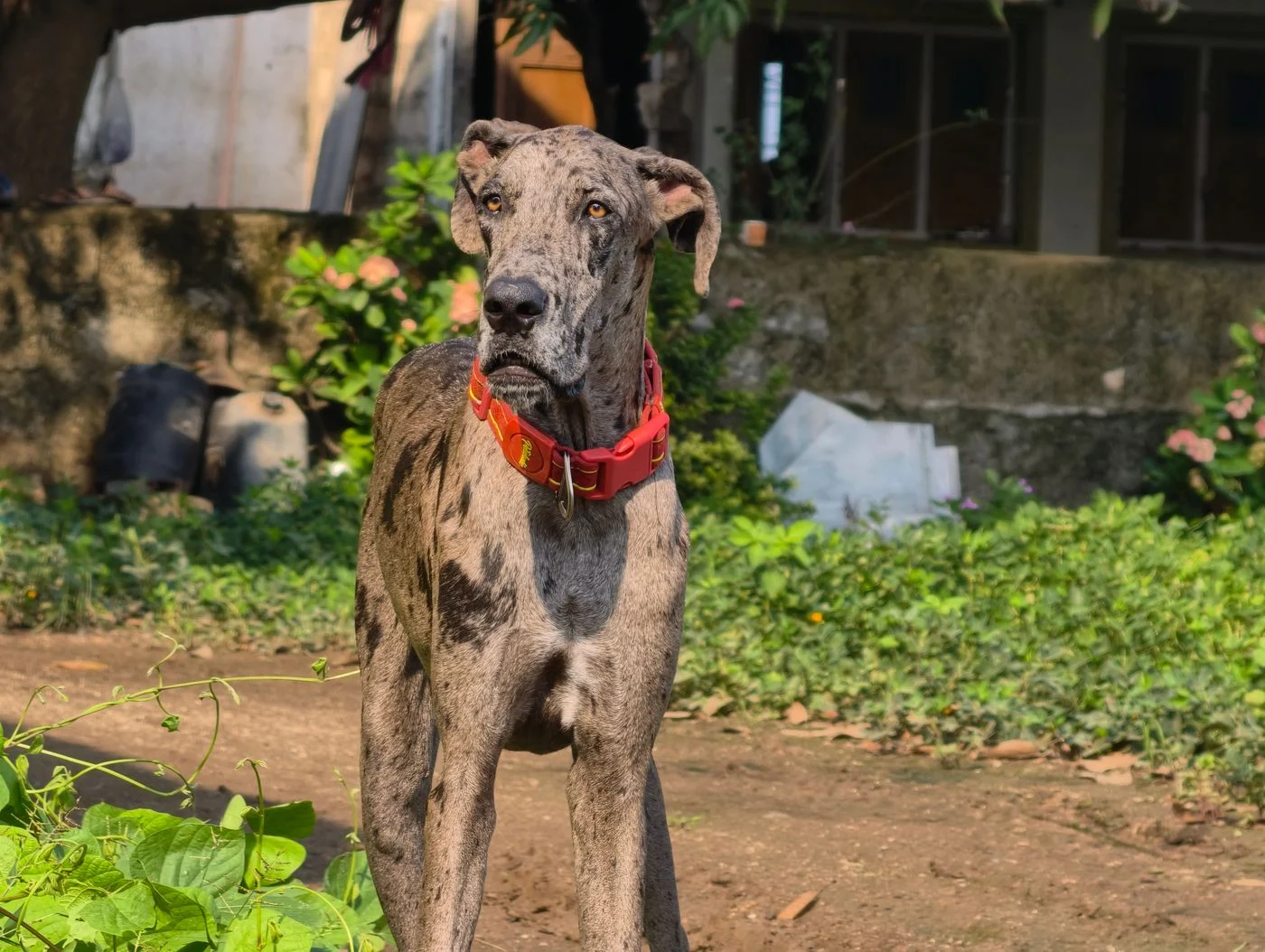
Signs of bloat include a hard swollen belly, retching with nothing coming up, drooling and restlessness. It is an emergency: call a vet immediately.
What is dog bloat?
Bloat, also called gastric dilatation-volvulus (GDV), happens when a dog’s stomach fills with gas and may twist. The twist traps gas and blood, and without emergency treatment it can be fatal within hours. Bloat is a veterinary emergency, not something to monitor at home.
Dog bloat symptoms to know
| Sign | What you may see |
|---|---|
| Swollen belly | Hard, tight or drum-like abdomen |
| Unproductive retching | Trying to vomit but little or nothing comes up |
| Restlessness | Pacing, can’t settle, whining |
| Drooling | Excess saliva or foam |
| Pain | Looking at the belly, standing hunched, groaning |
| Fast breathing | Rapid or shallow breaths |
| Weakness | Pale gums, collapse |
If you see these signs, call an emergency vet right away and go straight there. Do not wait to see if it passes, and do not try home remedies.
Which dogs are at higher risk?
- Large, deep-chested breeds such as Great Danes, Standard Poodles, German Shepherds, Weimaraners, Saint Bernards and Irish Setters.
- Older dogs. Risk rises with age.
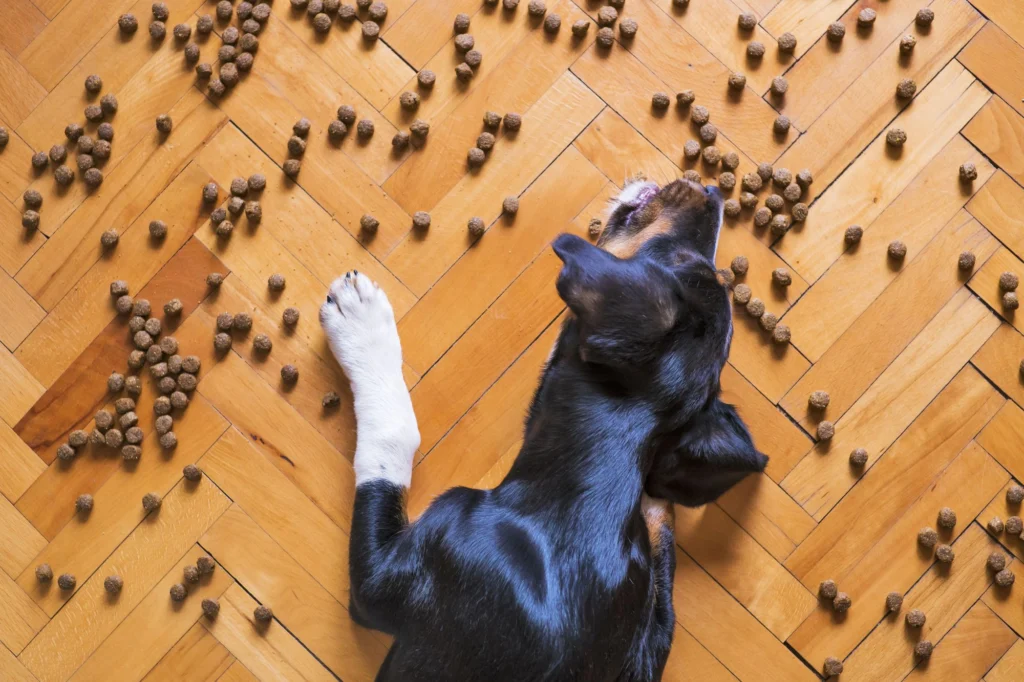
- Fast eaters. Gulping food and air is a commonly cited risk factor.
- Dogs fed one large meal a day.
- Dogs with a close relative that had bloat.
- Dogs that exercise hard right after eating.
How to lower the risk
- Feed two or three smaller meals instead of one big meal.
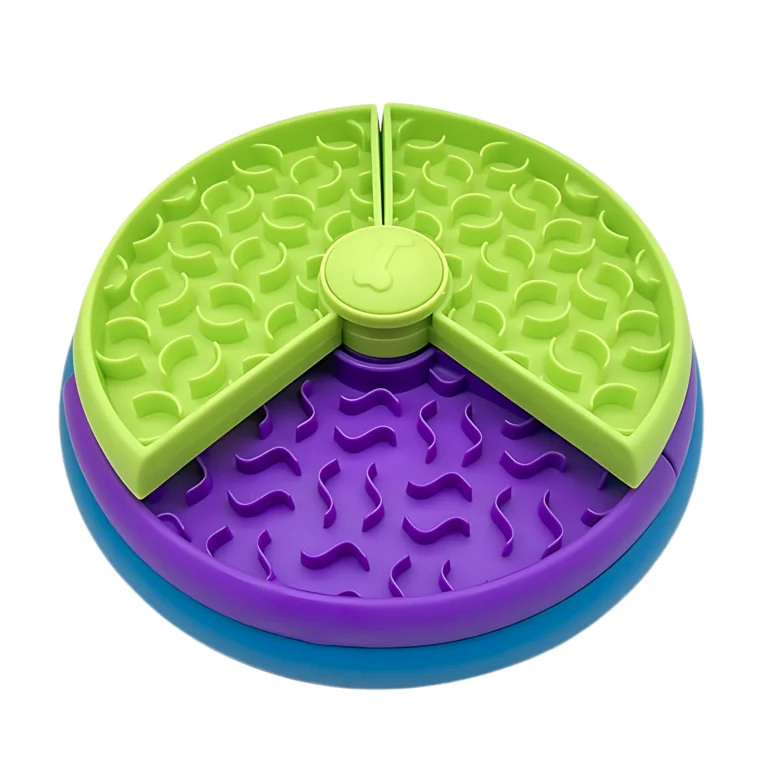
- Slow down eating. A slow feeder bowl reduces gulping and swallowed air. It cannot guarantee bloat will not happen, but it is a simple step that also helps digestion. Our article explains whether slow feeders really prevent bloat.
- Rest after meals. Keep play and hard exercise away from mealtimes, often for about an hour before and after.
- Stay calm at mealtimes. Stress can make dogs gulp.
- Talk to your vet about a gastropexy. This surgery tacks the stomach in place and is sometimes recommended for high-risk breeds, often during spay or neuter surgery.
Bloat or just an upset stomach?
Normal gas and a mild upset stomach cause occasional burping or loose stools. Bloat usually brings a visibly swollen belly, painful restlessness and retching without vomit. If you are not sure, treat it as an emergency, since waiting makes the outcome worse. Related risks are covered in dog choking on food and signs your dog eats too fast.
Dog Bloat: Warning Signs and Prevention Checklist
The key numbers and a printable checklist from this guide, sent to your inbox. A 15% discount code is included.
Frequently asked questions
What are the first signs of bloat in dogs?
Restlessness, drooling, a swollen belly and retching without producing vomit are the usual early signs.
How fast does bloat kill a dog?
Untreated bloat can become life threatening within a few hours, which is why immediate vet care is essential.
Can a slow feeder prevent bloat?
Evidence is not conclusive. Slow feeders help dogs eat slower and swallow less air, which is part of a sensible prevention plan, but they are not a guarantee.
Should I make my dog vomit if I suspect bloat?
No. Go to an emergency vet immediately.
Can small dogs get bloat?
Yes, though it is far more common in large, deep-chested breeds.
Sources (links checked October 2026)
- Gastric Dilatation-Volvulus American College of Veterinary Surgeons
- Bloat (or GDV) in Dogs: What Is it and How Is it Treated? American Kennel Club
General information, not a substitute for veterinary advice. Talk to your vet about the needs of your own pet.

Mahmoud Mohamed Samir is an SEO/GEO Specialist who turns veterinary research into clear, practical feeding guides, built so pet parents get straight answers whether they search on Google or ask an AI assistant.
View all articles by Mahmoud