 Written by
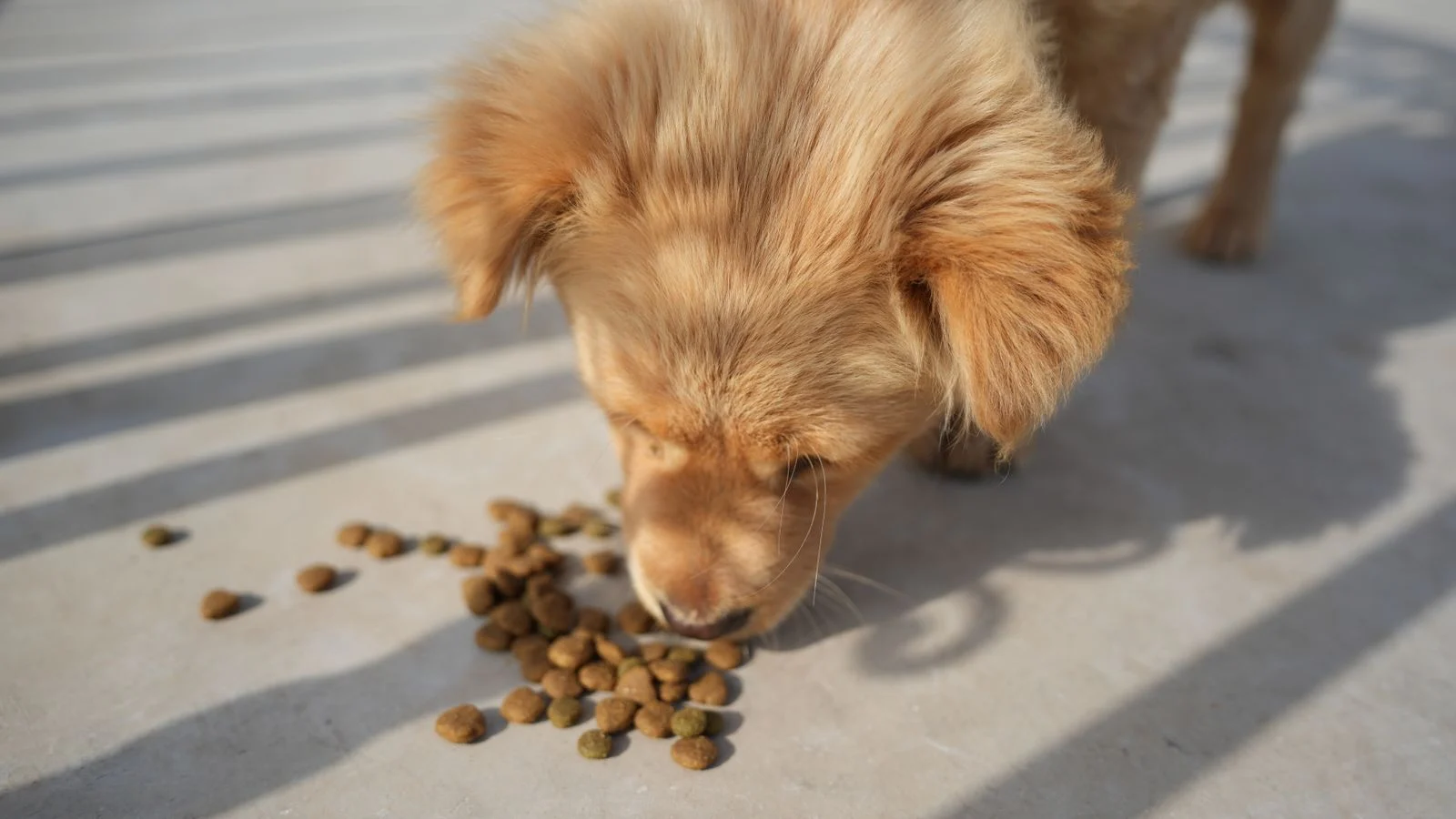
Bringing home a puppy is pure joy, right up until you watch them scarf down a bowl of food in seconds and beg for more. A fast-eating puppy is common, but gulping food can lead to choking, vomiting, gas, and even a dangerous condition called bloat in some breeds. The good news is that with a little patience and the right tools, you can teach your puppy to slow down. This week-by-week guide walks you through a gentle, realistic four-week plan, plus troubleshooting for the bumps along the way.
Puppies eat fast for simple reasons: hunger, competition from littermates, and pure enthusiasm. Slowing them down is not about restricting food, it is about changing how they access it so mealtime becomes calmer and healthier.
Why a Fast-Eating Puppy Needs Help
When a puppy eats too quickly, they swallow air along with food. That can cause burping, hiccups, regurgitation, and a bloated belly. The AKC notes that eating too quickly can lead to vomiting and discomfort and may raise the risk of bloat, and Cornell veterinarians point out that large, deep-chested dogs are most at risk. Beyond the health side, teaching good habits early sets your puppy up for a lifetime of calmer meals. If your pup often brings food back up, our post on why dogs throw up after eating is worth a read.
Slow Feeding for Puppies & Kittens: Starting Right
Get our expert cheat sheet delivered to your inbox — plus an exclusive 15% discount code for your first order.
The Four-Week Plan at a Glance
| Week | Focus | Goal |
|---|---|---|
| 1 | Observe and set a schedule | Regular, calm mealtimes in a quiet spot |
| 2 | Introduce gentle slowing | Puppy enjoys one slow meal a day |
| 3 | Slow feeder for most meals | Meals take several minutes, not seconds |
| 4 | Add enrichment and variety | Calm eating becomes a lasting habit |
Week 1: Observe and Introduce Structure
Start by watching without changing much. Time a few meals with your phone, note whether your puppy guards the bowl, and watch how it acts afterward. Does it cough, burp, or bring food back up? Does it immediately beg for more? These notes give you a baseline to measure progress against.
This week, move to a set schedule of three to four small meals a day for young puppies instead of free-feeding. Scheduled meals reduce frantic eating and help with house-training too, since regular meals lead to more predictable potty breaks. Measure every portion with a proper cup based on the food label and your vet’s advice.
Feed in a quiet spot away from other pets so your puppy feels safe and does not rush out of competition. A simple log of meal times, eating speed, and behavior afterward can help you and your veterinarian spot patterns, like whether gulping is worse at certain times of day.
Week 2: Add Gentle Slowing Techniques
Now introduce a simple slowdown. One easy trick is to spread kibble across a large flat tray or a clean baking sheet so your puppy has to hunt for each piece. Another is the muffin-tin method, placing a little food in each cup so your puppy moves from cup to cup. Avoid putting small objects like balls or stones in the bowl, since anything that fits in a puppy’s mouth is a choking risk.
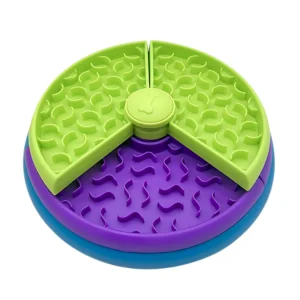
This is also a great time to try a purpose-built slow feeder. A gentle pattern turns a ten-second meal into a few enjoyable minutes. Our Interactive Licking Bowl offers a puppy-friendly texture that paces eating without frustration, and it works well with softened kibble or wet puppy food. Introduce it during one meal a day at first so the change feels positive, and fill only the easiest sections for the first few tries.
By the end of the week, your puppy should approach the new feeder happily. If it hesitates, scatter a few pieces on top as an easy win, and offer calm praise.
Week 3: Make the Slow Feeder the Norm
By now your puppy should be comfortable working for food. Use the slow feeder for most meals and watch how much calmer it becomes. Time a meal again and compare it with your week-one notes. Seeing a meal stretch from 30 seconds to several minutes is the clearest sign of progress.
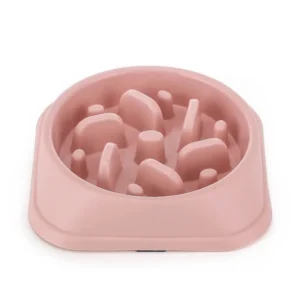
If your puppy handles the pattern easily, you can graduate to a maze like our Treat Maze Bowl to keep mealtime engaging. Keep sessions positive. If your puppy seems stressed or gives up, ease back to a simpler pattern. The goal is steady progress, not perfection. For a smooth transition, our guide on how to introduce a slow feeder has extra tips, and our slow feeders for puppies guide explains how to pick the right size.
Week 4: Build Lasting Habits and Add Enrichment
In the final week, your puppy should be eating at a healthy pace. Now you can add variety. Puzzle feeders and treat dispensers turn part of a meal into a fun brain game, which tires out an energetic puppy in the best way. A treat-dispensing ball like the Pawzzle Feeder Ball encourages your puppy to nudge and roll it to release food, blending physical activity with mental work. A lick mat with a thin layer of wet food is a great calming option before naps or crate time. Rotating tools keeps things fresh and prevents boredom.
This is also a good time to add simple manners. Ask for a quick sit before you put the feeder down, and release your puppy with a cheerful word. Over time, this builds impulse control that carries over to doorways and greetings.
Continue with consistent mealtimes and portion control. As your puppy grows, adjust meal size and frequency based on your veterinarian’s guidance, usually reducing from four meals a day toward two as it matures.

Signs Your Puppy Is Making Progress
It can be hard to see change day to day, so check for these milestones as the weeks go by:
- Meals take several minutes instead of seconds
- Fewer episodes of coughing, gagging, or bringing food back up
- Less frantic behavior when you pick up the food container
- Your puppy settles down or naps after meals instead of hovering for more
- A relaxed body at the bowl, with no stiffening or guarding
- Happy, curious engagement with new feeders and puzzles
If you are seeing most of these by the end of week four, your plan is working beautifully. If not, simply slow down and repeat the stage your puppy found hardest.
Life After the Four Weeks
Calm eating is a habit, and habits need upkeep. Keep using a slow feeder for everyday meals as your puppy grows, and upgrade the size and pattern as its mouth and appetite get bigger. Large-breed puppies may need a sturdier maze like the Triple Maze Feeder once they outgrow a puppy-sized bowl, while small breeds can often stay with the same gentle designs.
Watch for times when gulping creeps back, such as after a move, when a new pet joins the family, or during adolescence when appetite and energy surge. A quick return to the week-two and week-three steps usually gets things back on track. Keep enrichment varied, count any food used in puzzles toward the daily total, and schedule regular weigh-ins at your vet’s office so portions keep pace with growth.
Troubleshooting Along the Way
My puppy walks away from the slow feeder. The pattern is probably too hard. Go back to an easier design or fill only the open sections. Puppies need to finish their meals, so never leave one hungry to force the issue.
My puppy chews the feeder. Teething puppies chew everything. Supervise meals, pick up the feeder as soon as it is empty, and offer an appropriate chew toy afterward.
My puppy flips the bowl. Place it on a rubber mat, choose a heavier or wider base, and stay close to calmly redirect.
My puppy still gulps. Try a tighter pattern, split meals into smaller portions, or spread part of the meal on a lick mat.
My puppy guards the feeder. Give it space while eating, and occasionally walk by and drop a tasty extra into the bowl so people nearby feel like a good thing. If guarding is intense, ask a qualified trainer for help.
Tips to Keep Mealtimes Calm
A few habits make a big difference. Feed in a low-traffic area, avoid vigorous play right before or after eating, and keep fresh water available. In multi-pet homes, feed dogs separately so no one feels rushed, since competition is one of the biggest reasons puppies bolt their food in the first place; our guide to feeding multiple dogs explains how. And always match portions to your puppy’s weight and age, since overfeeding undoes much of the benefit of slower eating. Our portion control guide can help.
When to Call Your Vet
Occasional regurgitation from gulping is common, but call your vet if your puppy vomits repeatedly, seems lethargic, has diarrhea, stops eating, or has a swollen or painful belly. Puppies can dehydrate quickly, so it is always better to check. Your vet can also confirm the right portion size and meal schedule for your puppy’s breed and expected adult size.
Get Your Free Slow Feeding Cheat Sheet
Everything in this article — plus portion charts, feeder comparisons and meal plans — in one printable PDF. A 15% discount code is included.
Frequently Asked Questions
Is it dangerous for a puppy to eat too fast?
It can be. Fast eating raises the risk of choking, vomiting, gas, and bloat, especially in larger, deep-chested breeds. Slowing meals down is a simple, effective safeguard.
When can I start using a slow feeder with my puppy?
Most puppies can use a gentle slow feeder once they are eating solid food comfortably. Start with a shallow, easy pattern and supervise the first few meals.
How many times a day should I feed my puppy?
Young puppies typically eat three to four small meals daily, tapering to two meals as they grow. Follow your veterinarian’s recommendation for your puppy’s breed and size.
What if the plan takes longer than four weeks?
That is completely fine. Every puppy learns at its own pace. Stay at each stage until your puppy is relaxed and confident, then move on.
Set Your Puppy Up for Success
Teaching a fast-eating puppy to slow down takes just a few weeks of consistency, and the payoff is a happier, healthier dog with calmer mealtimes. Start with structure, add a slow feeder, and build in enrichment as they grow. Ready to make mealtime better? Browse puppy-friendly slow feeders and puzzle toys in the Pets Sparkle shop and give your new best friend the gift of relaxed, healthy eating.
Sources
The veterinary and animal-welfare resources referenced in this guide:

Digital marketing specialist at BrightSeen Marketing Agency. Turns veterinary research into clear, practical feeding guides for pet parents.
Mahmoud works for BrightSeen Marketing Agency, which looks after our SEO and GEO and Meta ads.
View all articles by Mahmoud