 Written by
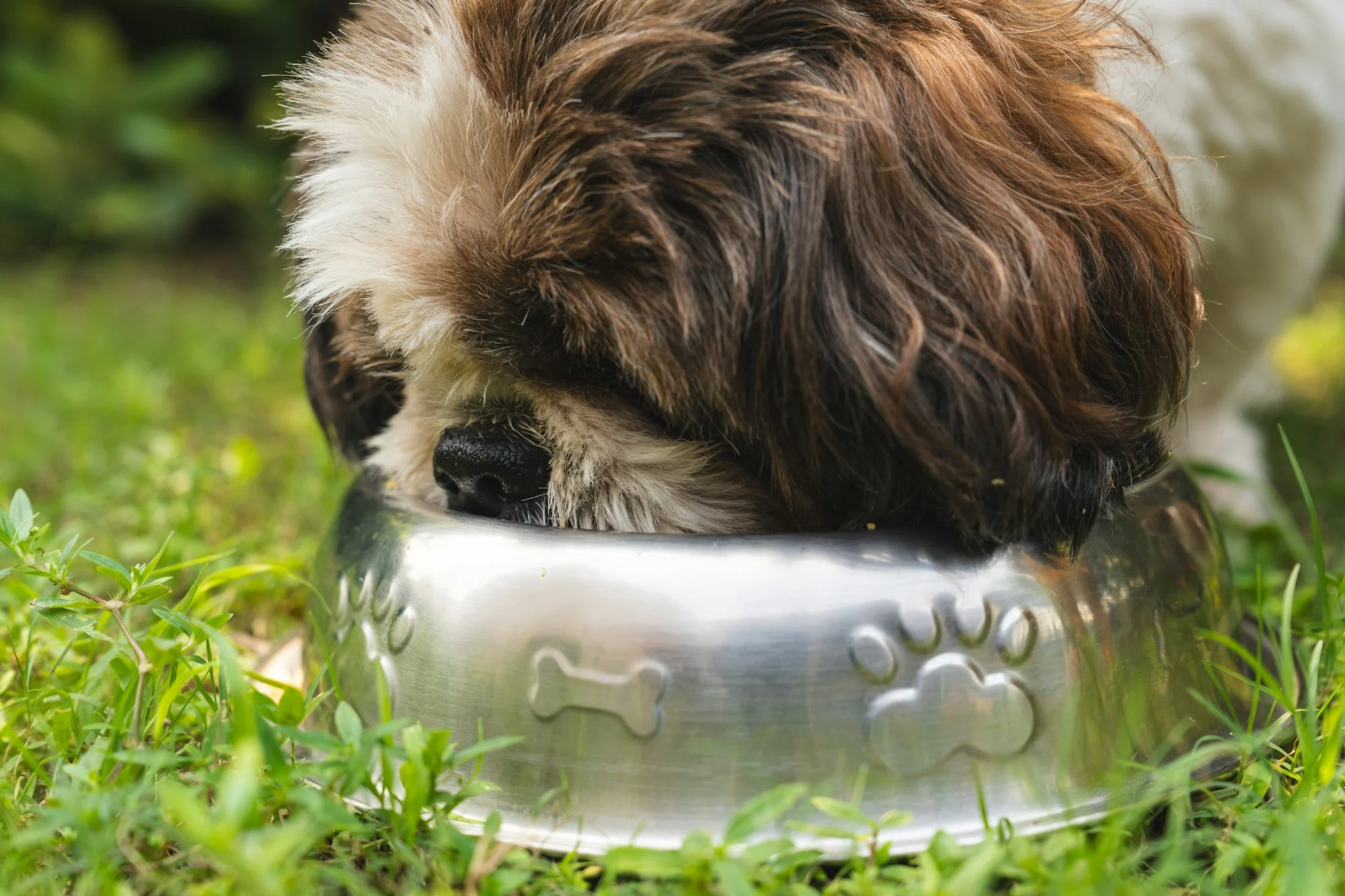
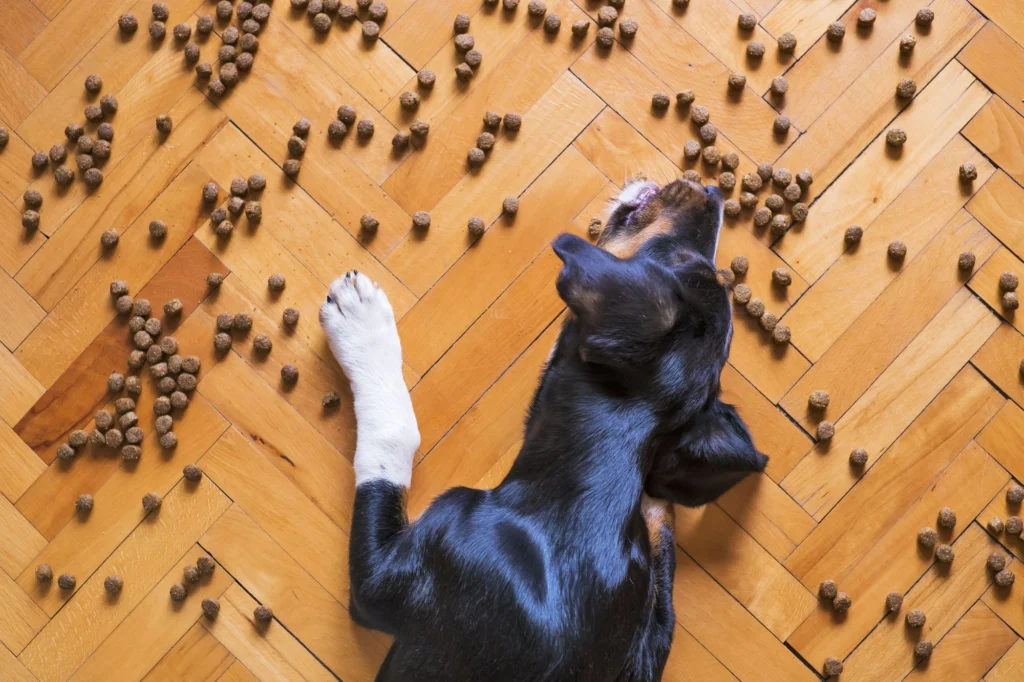
Dog hiccups after eating are usually harmless and fade on their own within minutes. They happen when the diaphragm spasms, and fast eating, gulped air, excitement, and a full stomach are common triggers at mealtime, especially in puppies.
Still, it can be unsettling to watch your dog jerk with every little “hic” right after dinner. This post explains what causes hiccups in dogs, why meals set them off, why puppies get them more often, simple ways to help them pass, and how to change the way you serve food so they show up less often.
You will also learn how to tell hiccups apart from regurgitation, retching, and other signs that mean you should call your vet instead of waiting.
Slow Feeding for Better Digestion & Bloat Prevention
Get our expert cheat sheet delivered to your inbox — plus an exclusive 15% discount code for your first order.
Dog Hiccups After Eating: The Short Answer
Hiccups after a meal are a normal, common event for most dogs and rarely a sign of illness. The American Kennel Club explains that hiccups are a perfectly normal phenomenon in dogs and usually go away on their own.
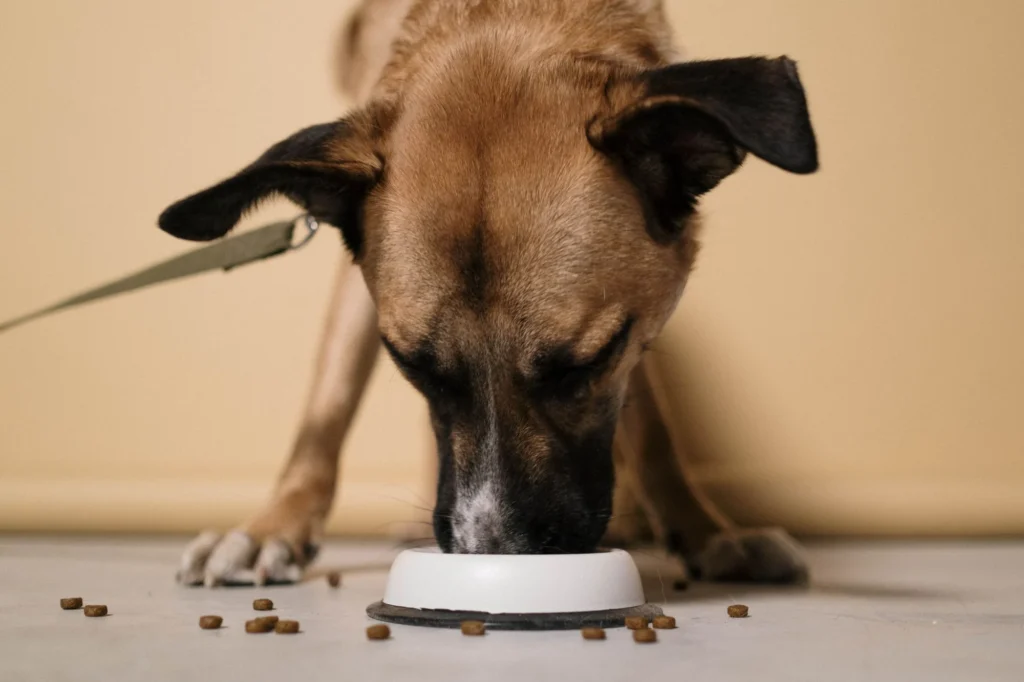
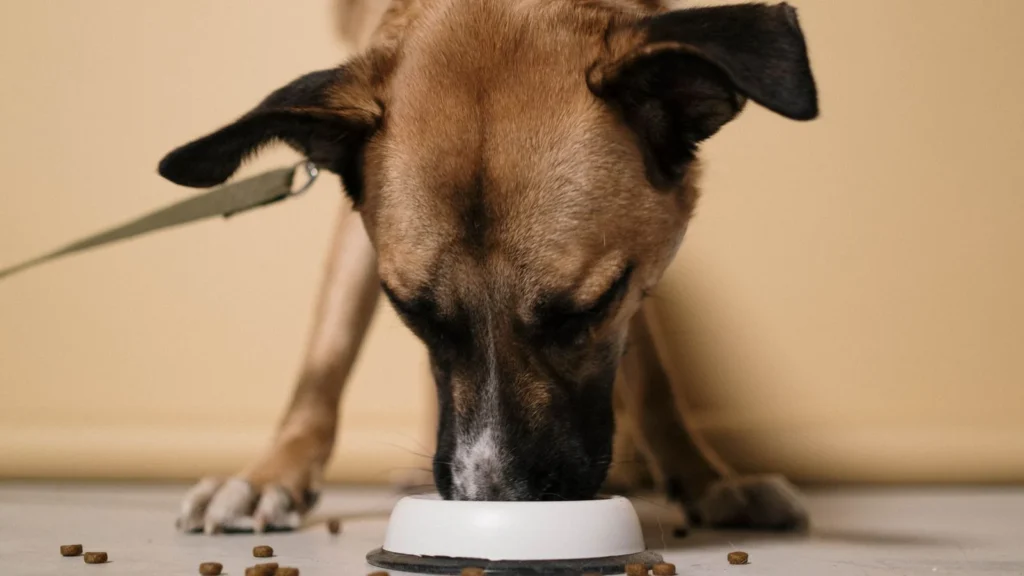
The most common mealtime trigger is speed. When a dog eats or drinks too fast, it swallows air along with its food, the stomach fills quickly, and the diaphragm can start to spasm. The AKC names eating or drinking too fast as a cause, along with being tired, very excited, or cold.
So if your dog gets dog hiccups after eating now and then, and they stop on their own, there is usually nothing to treat. If they happen after almost every meal, the fix is often as simple as slowing the meal down.
What Actually Causes Hiccups in Dogs
A hiccup is an involuntary spasm of the diaphragm, the dome-shaped muscle under the lungs that powers breathing. According to the AKC, the spasm makes the glottis, the opening between the vocal cords, close suddenly, and that quick closure creates the familiar “hic” sound.
Each hiccup looks like a small jolt in the chest or belly, sometimes with a soft squeak or chirp. Your dog may pause, look confused, or simply carry on with what it was doing. Most dogs are not distressed by hiccups at all.
Interestingly, nobody fully understands why mammals hiccup. The AKC notes two popular theories:
- Gas relief. Hiccups may be a way for the body to deal with gas or a mildly upset stomach.
- A leftover from development. Hiccups have been documented in unborn mammals, and hiccuping in the womb may be a way of practicing the breathing muscles. This could explain why young animals hiccup more often.
Neither theory changes what you do at home, but both point to the same practical idea: calm breathing and a calm stomach make hiccups less likely.
Why Mealtime Is a Common Trigger
Meals stack several hiccup triggers into the same few minutes, which is why so many owners notice hiccups right after the bowl is empty.
Gulping food and air
A dog that inhales its kibble takes in a lot of air with each mouthful. That air, plus a stomach that fills in a rush, puts pressure near the diaphragm. If your dog finishes dinner in what feels like seconds, read our list of signs your dog eats too fast to see whether speed is the real issue.
Excitement before the bowl lands
Spinning, barking, and bouncing while you prepare food raises your dog’s breathing rate before the first bite. The AKC lists being very excited as a hiccup trigger, and mealtime is one of the most exciting moments in many dogs’ day.
Drinking a lot, very quickly
Many dogs head straight from the food bowl to the water bowl and drink in big, fast laps. Rapid drinking is another trigger the AKC mentions, and it adds more swallowed air on top of a full stomach.
Competition with other pets
In homes with more than one dog, a dog that worries about losing its food tends to eat faster. If that sounds familiar, our guide to feeding multiple dogs in one household covers spacing and routines that take the pressure off.
Why Puppies Hiccup More Than Adult Dogs
Puppies hiccup much more often than adult dogs, and for most of them it is a normal part of growing up. The AKC says puppies will sometimes get hiccups after eating or drinking too fast, when they are tired, very excited, or too cold, and that most puppies hiccup less often, or not at all, as they get older.
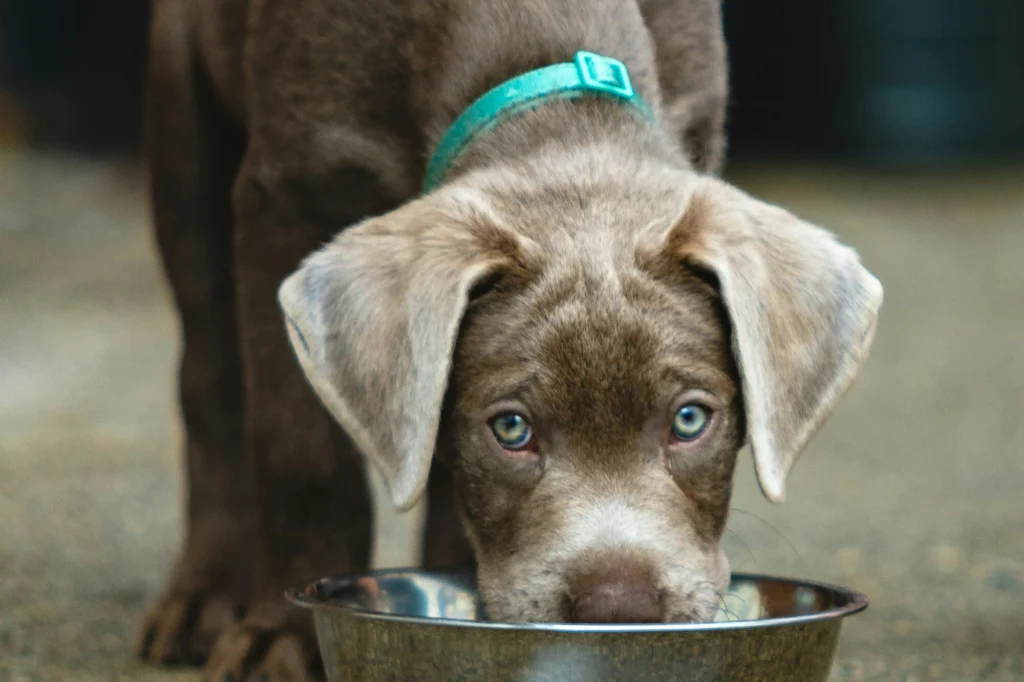
Puppy mealtimes are also naturally chaotic. Young dogs are learning how to eat from a bowl, they are often very food motivated, and they may be eating three or more small meals a day, which simply gives hiccups more chances to show up. Our puppy feeding schedule by age explains how meal frequency changes as your puppy grows.
If your puppy gobbles every meal, slowing things down early builds a calmer habit for life. The post on feeding a fast-eating puppy walks through a gentle, week-by-week plan.
How to Help Your Dog’s Hiccups Pass
Most of the time the best thing to do is nothing: let your dog rest and the hiccups will stop on their own. If you want to help, the AKC suggests a few gentle options.
- Help your dog relax. A steadier, slower breathing pattern can calm the diaphragm. The AKC suggests that if your dog will lie on its back for a belly rub, the hiccups may decrease.
- Offer water, calmly. A drink can help, as it does for people. The key is slow, calm drinking, not frantic gulping, which could make things worse.
- Keep things quiet. Skip the zoomies and rough play for a few minutes after the meal so breathing can settle.
- Do not try human folk remedies. Scaring your dog or pulling on its tongue will not help. The AKC points out that these tricks would likely bother your dog more than the hiccups do.
Resting after meals is good practice anyway. Blue Cross advises leaving at least one hour between meals and strenuous exercise as part of reducing bloat risk.
How to Prevent Hiccups at Mealtime
The most effective way to prevent dog hiccups after eating is to slow the meal down and keep the mood around it calm. The AKC recommends feeding smaller portions at a time and trying a slow feeder bowl, which is designed to help dogs eat more slowly.
Here is a simple routine you can start tonight:
- Ask for calm before food goes down. Wait for a sit or a settled moment before placing the bowl. This lowers excitement and breathing rate before the first bite.
- Split the daily amount. Two or three smaller meals are easier on the stomach than one large one. Blue Cross recommends feeding little and often rather than one big meal a day as part of bloat prevention.
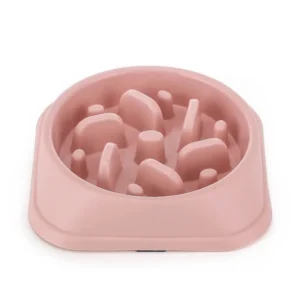
- Use a slow feeder. Ridges and mazes break the meal into small mouthfuls, so your dog swallows less air. Our explainer on how slow feeder bowls actually work covers the design details.
- Feed pets apart. Separate rooms or a closed gate remove the race to finish first.
- Keep water calm too. If your dog drinks huge amounts right after eating, offer water in smaller amounts for the first few minutes after a meal, while always keeping fresh water available through the day.
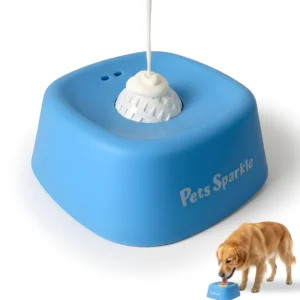
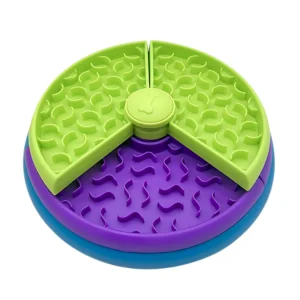
For a slower meal, the Pets Sparkle Treat Maze Bowl uses an anti-gulp maze and a non-slip base to keep the bowl steady while your dog works around the channels. If you want adjustable difficulty, the Triple Maze Feeder has three maze depths in one bowl, and the Interactive Licking Bowl adds a spinning center ball that turns fast eating into slower licking. All three are sized for small to medium dogs and cats, and you can compare them in our slow feeder bowls collection.
When you switch bowls, introduce the new one gradually so your dog stays relaxed. Our step-by-step post on how to introduce your dog to a slow feeder bowl makes the change easy, and the full guide to stopping a dog from eating too fast covers more methods, from scatter feeding to puzzle toys.
Hiccups or Something Else? Signs to Tell Apart
True hiccups are rhythmic, quiet jolts with no effort to bring anything up, and your dog otherwise acts normal. Other mealtime problems can look similar at first glance, so it helps to know the differences.
| What you see | Likely meaning | What to do |
|---|---|---|
| Regular small jolts with a soft “hic,” dog relaxed | Hiccups | Let your dog rest; slow down future meals |
| Food comes back up with no effort, right after eating, often looking undigested | Regurgitation | Note how often it happens and tell your vet |
| Heaving, grunting, and straining before food comes up | Vomiting | Call your vet, especially if it repeats |
| Retching but unable to vomit, swollen belly, drooling, restlessness | Possible bloat | Emergency: go to your vet immediately |
| Hiccups that turn into wheezing or difficult breathing | Possible breathing problem | Call your vet |
The AKC explains that vomiting is an active process with retching and heaving, while regurgitation is passive and usually happens right after eating. Taking a short video of the episode can help your vet understand exactly what happened.
If your dog seems to struggle while eating, coughs, or paws at its mouth, that is not hiccups. Read our post on dog choking on food so you know the warning signs, and if food is coming back up often, see why a dog throws up after eating.
When to Call Your Vet
Call your vet if hiccups last for more than a few hours, or if they change into wheezing or cause irregular or difficult breathing. The AKC notes that long-lasting hiccups could be a symptom of a more serious problem.
Also call your vet if you notice any of the following along with mealtime hiccups:
- Vomiting, repeated regurgitation, or choking during meals
- Loss of appetite, low energy, or weight loss
- Coughing, noisy breathing, or breathing that looks like hard work
- Signs of pain when you touch the belly
Bloat is the emergency to keep in mind with any fast eater. Blue Cross describes bloat as life-threatening, says it can become fatal within hours without treatment, and lists signs such as a swollen, hard belly, retching without being able to vomit, drooling, belly pain, panting, and restlessness. If you see these signs, contact your vet immediately. Our guide to dog bloat symptoms explains the warning signs in more detail.
Calmer Meals, Fewer Hiccups
Dog hiccups after eating are usually a harmless side effect of an excited, speedy meal, and most pass on their own within minutes. Help your dog rest, offer water calmly, and skip the folk remedies. To prevent them, ask for calm before the bowl goes down, split meals into smaller portions, feed pets apart, and use a slow feeder so every mouthful is smaller.
Keep an eye on the bigger picture too. Hiccups that last for hours, change into wheezing, or come with vomiting, retching, or a swollen belly are a reason to call your vet right away.
Get Your Free Slow Feeding Cheat Sheet
Everything in this article — plus portion charts, feeder comparisons and meal plans — in one printable PDF. A 15% discount code is included.
Frequently Asked Questions
Why does my dog get hiccups after eating?
Most dogs get hiccups after eating because they eat or drink too fast and swallow air, which can make the diaphragm spasm. Excitement around mealtime adds to it. The AKC lists eating or drinking too fast, excitement, tiredness, and being cold as common triggers. Slowing meals down with smaller portions or a slow feeder usually helps.
Are hiccups after eating bad for dogs?
Occasional hiccups after a meal are normal and usually harmless. The AKC says dog hiccups tend to go away on their own. They become a concern if they last for more than a few hours, turn into wheezing, or cause difficult breathing. In those cases, or if your dog also vomits or retches, call your vet.
How do I stop my dog’s hiccups fast?
Let your dog rest in a calm spot and give the hiccups a few minutes to pass. The AKC suggests helping your dog breathe more steadily, for example with a belly rub while lying on its back, and offering water to drink calmly and slowly. Do not try to scare your dog or pull on its tongue, as that will not help.
Is it normal for puppies to hiccup after eating?
Yes. Puppies hiccup more often than adult dogs, and the AKC notes that they sometimes get hiccups after eating or drinking too fast, or when tired, excited, or cold. Most puppies hiccup less often, or not at all, as they grow. Smaller, calmer meals and a puppy-friendly slow feeder can reduce how often it happens.
Can a slow feeder stop hiccups in dogs?
A slow feeder cannot stop hiccups that are already happening, but it can make them less likely. The AKC recommends smaller portions and a slow feeder bowl when hiccups happen because a dog eats too fast. By breaking the meal into smaller mouthfuls, a slow feeder means your dog swallows less air with each bite.
Sources
The veterinary resources referenced in this post:

Digital marketing specialist at BrightSeen Marketing Agency. Turns veterinary research into clear, practical feeding guides for pet parents.
Mahmoud works for BrightSeen Marketing Agency, which looks after our SEO and GEO and Meta ads.
View all articles by Mahmoud