 Written by
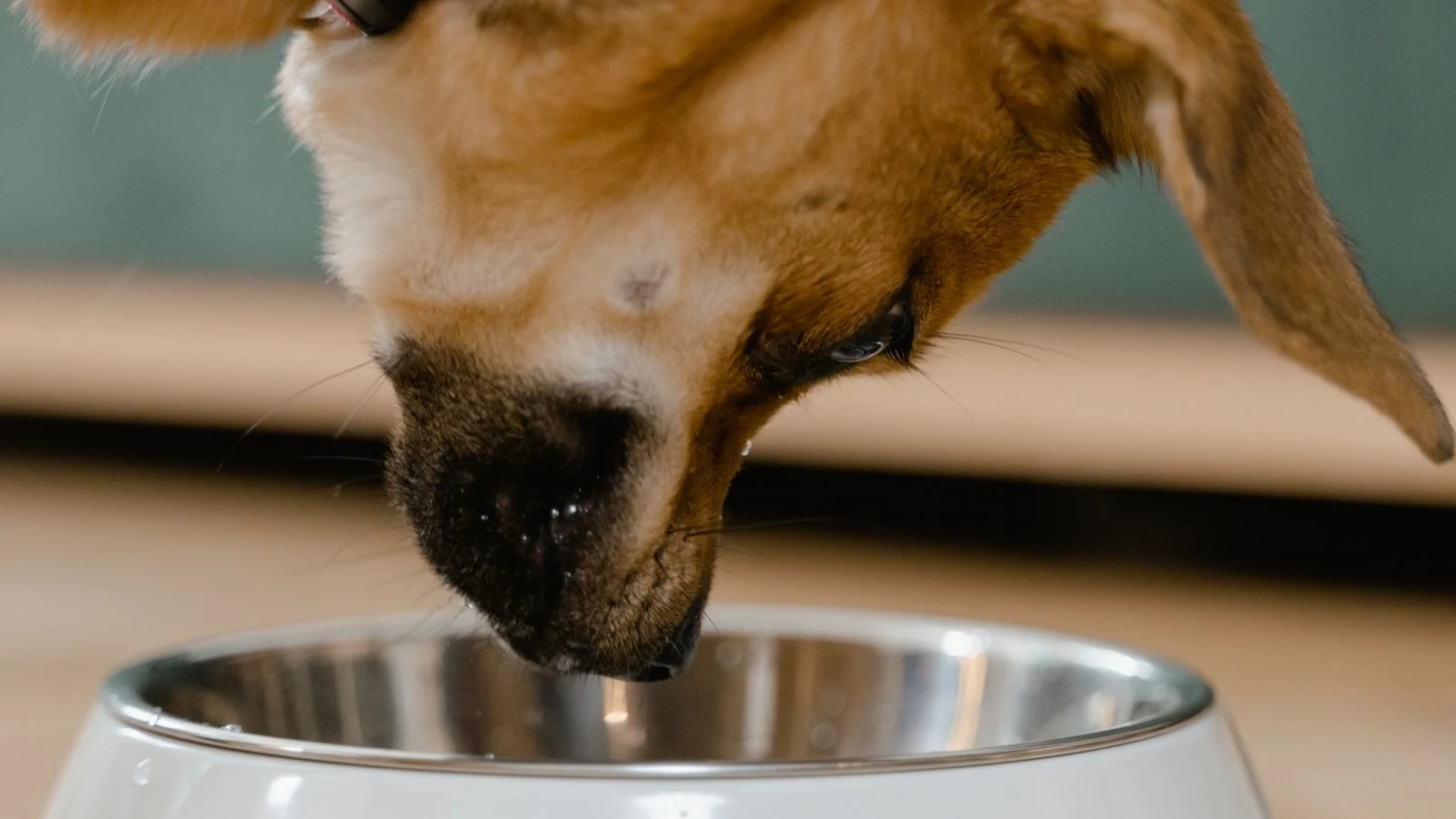
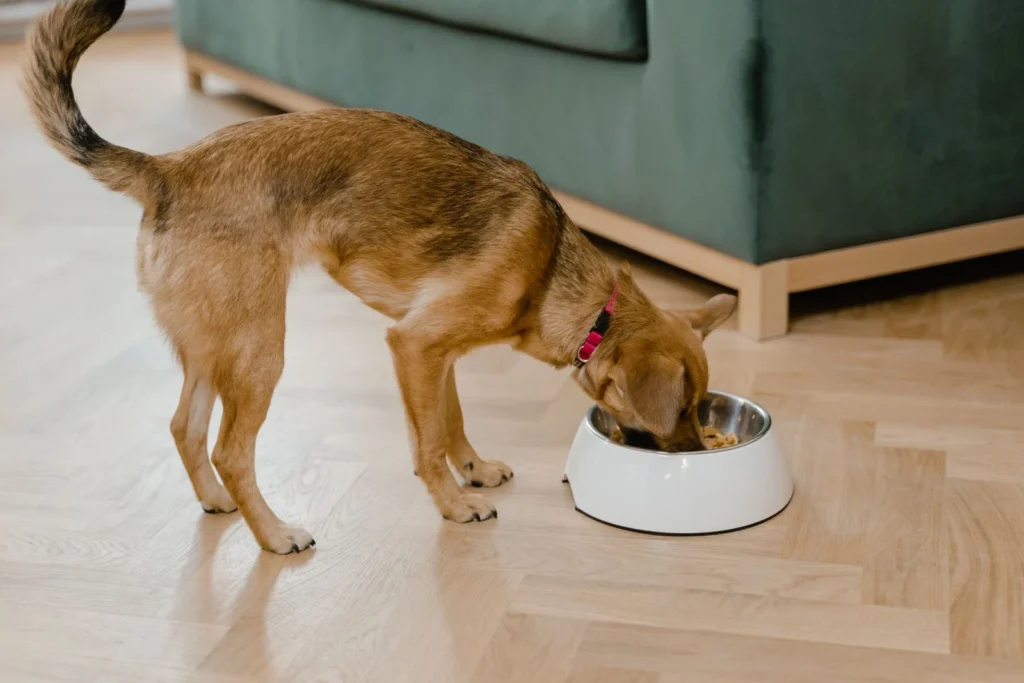
If your dog inhales dinner in ten seconds flat or your cat gulps and then brings it right back up, you have probably heard that a slow feeder bowl can help. But how do slow feeder bowls work, exactly, and are they really worth it? The short answer is yes, and the idea behind them is refreshingly simple. These bowls change the physical shape of your pet’s eating surface so that gulping becomes impossible and each bite takes a little effort.
Let us break down the mechanics, what happens in the body when pets eat too fast, the real benefits, the design features that separate a good slow feeder from a gimmick, and how to choose and introduce the right one for your dog or cat.
The Simple Mechanics Behind Slow Feeders
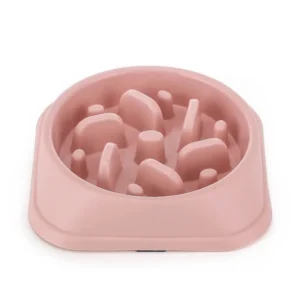
A standard bowl is an open dish. Your pet can scoop up a huge mouthful in one motion, swallow, and repeat until the food is gone, often in under a minute. A slow feeder replaces that open space with obstacles: ridges, mazes, raised bumps, spirals, or towers molded into the bottom of the bowl.
The Complete Slow Feeding Starter Kit
Get our expert cheat sheet delivered to your inbox — plus an exclusive 15% discount code for your first order.
Instead of one big scoop, your pet now has to nose and lick around these barriers to reach small pockets of kibble a few pieces at a time. That single design change forces a fast eater to slow down naturally, without any training. A meal that used to vanish in 60 seconds can stretch to five or ten minutes, which is much closer to a healthy eating pace.
Think of it like the difference between drinking a glass of water in one gulp and sipping it through a straw. The amount is the same. The pace is completely different.
What Happens When a Pet Eats Too Fast
When a dog or cat eats too fast, three things happen at once. First, they swallow a lot of air along with the food. Second, the stomach fills and stretches very quickly. Third, the meal is over before the body has had time to send the “I am full” signal to the brain.
The swallowed air and rapid stretching can lead to gagging, burping, regurgitation, and discomfort. The missed fullness signal means your pet finishes feeling unsatisfied and often begs for more. Slowing the pace gives the body time to register each bite and keeps the stomach from being overwhelmed all at once.
The Real Benefits of Slowing Down
Fewer Digestive Upsets
Pets that gulp meals often bring them right back up in a tube-shaped pile of barely chewed food. Slowing the pace usually stops this scarf-and-barf pattern. If your pet vomits after meals, our guides for dogs and cats explain how pacing helps and when to see a vet.
Better Portion Awareness and Weight Control
It takes time for the brain to receive the signal that the stomach is full. A fast eater cleans the bowl long before that signal arrives, then begs for more. A slow feeder stretches the meal past that window, so your pet feels satisfied on the right portion. For pets watching their weight, that timing matters. See our guide on whether a slow feeder can help a dog lose weight.
A Possible Lower Bloat Risk
Bloat, or gastric dilatation-volvulus, is a life-threatening emergency most common in large, deep-chested dogs. Fast eating and gulping air are considered risk factors. While no bowl can guarantee prevention, the AKC guidance on helping dogs eat more slowly and AAHA both name eating too quickly as a risk factor, and slowing the pace is a sensible step owners can take. Our article asking do slow feeders prevent bloat goes deeper.
Built-In Enrichment
Working for food taps into your pet’s natural foraging instincts. That little mental workout at mealtime can ease boredom and even reduce anxiety, turning a routine chore into something genuinely engaging.
Design Features That Make a Slow Feeder Work
Not every bowl with bumps is equally effective. These are the features that matter most.
Channel Width
The gaps between ridges should be narrower than your pet’s muzzle, so it cannot simply sweep through the food. A pattern built for a Labrador is too open for a Chihuahua, and vice versa.
Ridge Height
Taller walls slow eating more but can frustrate flat-faced breeds and cats. Short-nosed pets need shallow ridges they can reach comfortably.
Pattern Complexity
Winding mazes, spirals, and multi-level designs force more nosing and licking than a few simple bumps. More complexity means a slower meal, up to the point where your pet gets frustrated.
Stability
A bowl that slides or flips defeats the purpose. Non-slip bases and a bit of weight keep the feeder in place so your pet works the pattern instead of pushing the bowl.
Material
Food-safe silicone, sturdy BPA-free plastic, and stainless steel each have pros and cons. Our comparison of silicone, plastic, and stainless steel feeders breaks them down.
Types of Slow Feeders and How Each One Works
Not all slow feeders are the same, and the best design depends on your pet.
Maze and Ridge Bowls
These have grooves and walls that food settles between. Your pet noses through the pattern to reach each pocket. The Triple Maze Feeder is a great example for dogs, while the Treat Maze Bowl suits both dogs and cats.
Spinning and Interactive Bowls
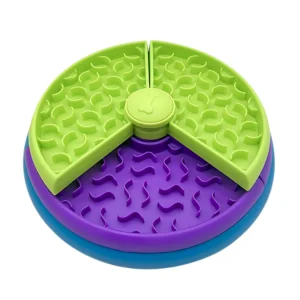
These add movement, so your pet has to nudge or rotate part of the bowl to reach food. The Interactive Licking Bowl combines a spinning action with a licking surface for gentle pacing.
Lick Mats and Licking Bowls
For wet food, purees, or toppers, textured mats and bowls spread the meal thin so pets have to lick it out slowly. Licking is also naturally calming, which makes these a favorite for anxious pets. The Slow Licking Mat is a simple place to start.
Puzzle and Dispensing Feeders
These add a problem-solving layer, requiring your pet to slide, flip, or roll parts to release food. They are the most enriching but also the most challenging. To see how these compare, read our breakdown of slow feeders versus puzzle feeders.
Which Pets Benefit Most?
- Dogs and cats that finish meals in under a minute or two
- Pets that regurgitate undigested food soon after eating
- Large, deep-chested dog breeds at higher risk of bloat
- Pets on a weight-loss plan who always act hungry
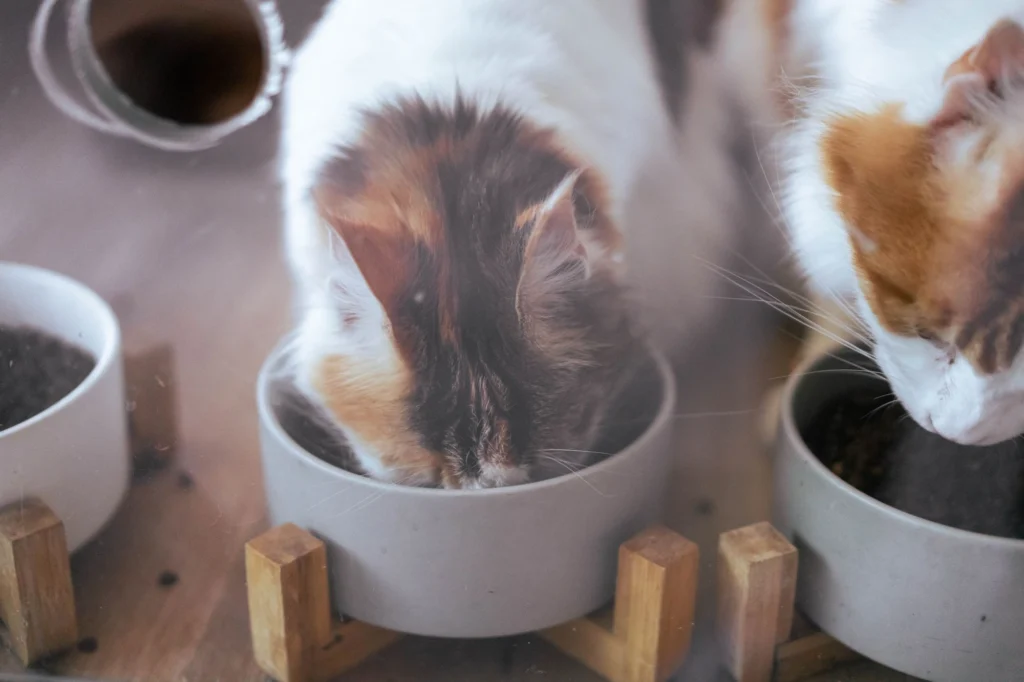
- Multi-pet households where competition speeds up eating
- Bored or anxious pets who benefit from a mealtime job
What Slow Feeders Cannot Do
A slow feeder is a helpful tool, not a cure-all. It will not fix vomiting caused by illness, food sensitivities, or hairballs. It does not reduce calories on its own, so portion control still matters. It cannot eliminate every bloat risk in a predisposed dog. And it will not replace exercise, play, and time with you. If digestive problems continue after you slow down meals, talk to your veterinarian.
Common Slow Feeder Myths
“Slow feeders are only for big dogs.”
Small dogs, puppies, and cats often gulp just as enthusiastically. The key is choosing a pattern sized for their mouths, like the options in our guide to the best slow feeders for small dogs.
“My pet will get frustrated and stop eating.”
Only if the design is too hard to begin with. A well-matched bowl feels like a game, and most pets adjust within a few meals.
“A harder maze is always better.”
The goal is a calm, steady pace, not a battle. The right bowl slows your pet down while still letting it finish the meal comfortably.
“Slow feeders are hard to keep clean.”
Most take a minute or two with a brush or a dishwasher cycle, especially if you rinse them right after each meal.
How to Choose and Introduce One
Pick a bowl that matches your pet’s size, snout shape, and food type. Deep grooves suit long-nosed dogs, while flat-faced breeds and cats need shallow, wide, reachable patterns. Match the material to your cleaning habits too; silicone and food-grade plastic are easy to wash, and many are dishwasher safe.
Introduce it gradually. Start with a mildly challenging design so your pet does not get frustrated and give up. Show them the food, offer praise, and let them figure it out. Most pets adapt within a few meals. If yours seems stuck, loosen the challenge and build up slowly. Our step-by-step guide on how to introduce a slow feeder covers the details.
How to Tell If It Is Working
Time a normal meal before you switch and again after two weeks. You should see the meal stretch from seconds to several minutes. Look for less gulping, fewer regurgitation episodes, and a calmer pet after eating. If your pet still finishes almost as fast as before, the pattern is probably too open for its muzzle, so try a tighter or deeper design.
Get Your Free Slow Feeding Cheat Sheet
Everything in this article — plus portion charts, feeder comparisons and meal plans — in one printable PDF. A 15% discount code is included.
Frequently Asked Questions
How do slow feeder bowls work for cats too?
The same way they do for dogs. The ridges and mazes make a cat nose and lick around barriers instead of gulping, which helps with the fast eating that causes vomiting. Choose a shallow design so it is comfortable for a cat’s face, as explained in our guide to slow feeders for cats.
Will a slow feeder frustrate my pet?
A well-matched bowl is engaging, not frustrating. If your pet gives up, the design is too hard. Start easy, keep it positive, and increase the challenge over time as their confidence grows.
Are slow feeders hard to clean?
Most are simple to rinse, and many are dishwasher safe. The grooves need a quick scrub with a brush now and then. Our cleaning guide shows the quickest routine.
Can I use a slow feeder with wet food?
Yes. Wet food works well in maze bowls, licking bowls, and lick mats. Wash the feeder after every wet meal.
Ready to Slow the Gulp?
A slow feeder is one of the easiest, most affordable upgrades you can make to your pet’s daily routine. It protects your dog or cat’s digestion, supports a healthy weight, and adds a welcome spark of enrichment to every single meal of the day. Explore our full range of slow feeders, lick mats, and puzzle bowls in the Pets Sparkle shop and find the perfect fit for your dog or cat today.
Sources
The veterinary and animal-welfare resources referenced in this guide:

Digital marketing specialist at BrightSeen Marketing Agency. Turns veterinary research into clear, practical feeding guides for pet parents.
Mahmoud works for BrightSeen Marketing Agency, which looks after our SEO and GEO and Meta ads.
View all articles by Mahmoud