 Written by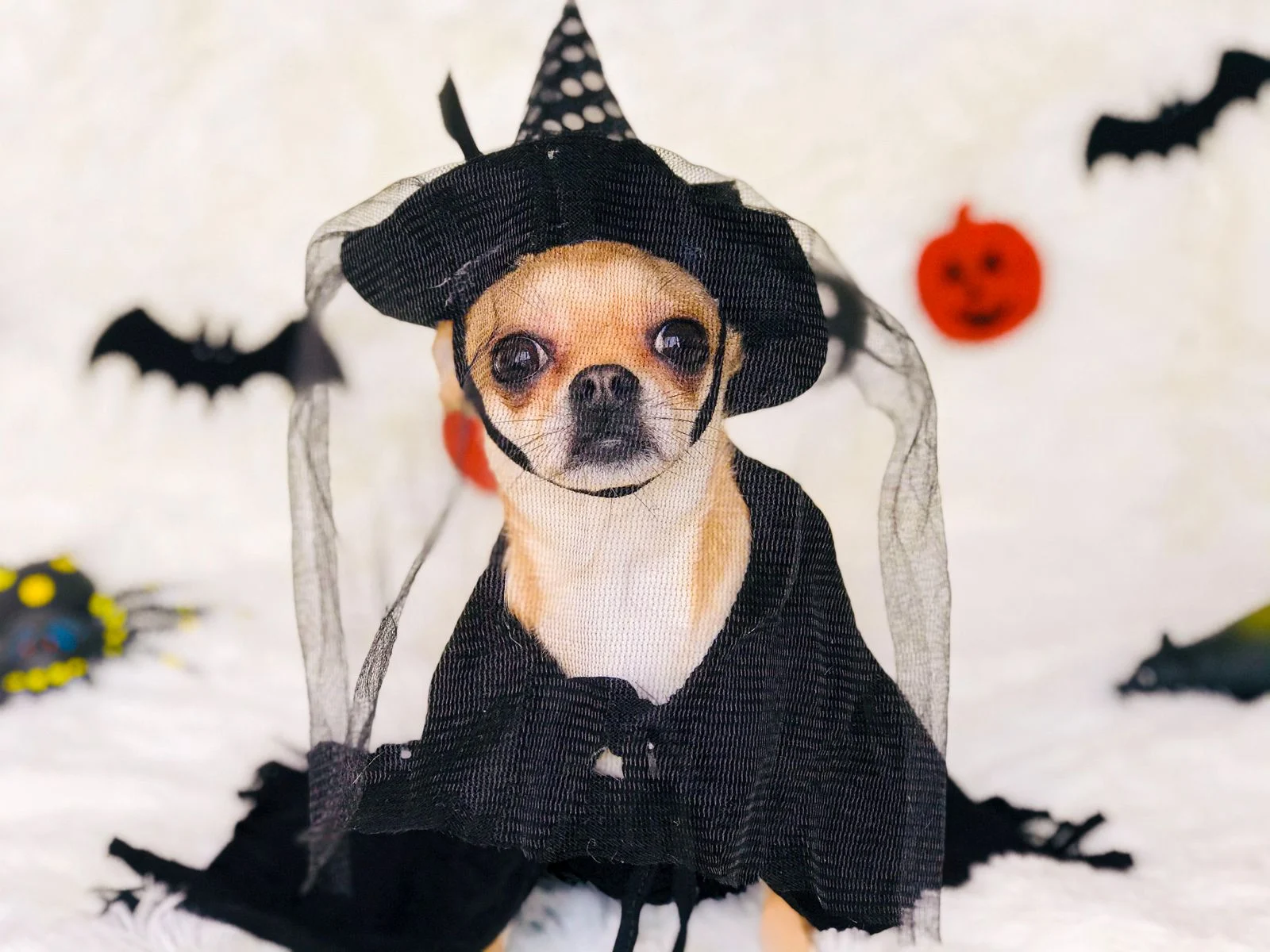
Pumpkin pups, hot dog dachshunds, a golden retriever dressed as a lion: dog Halloween costumes are one of the most fun parts of October, and 2026 is shaping up to be another spooktacular year. But the cutest costume in the world isn’t worth a scared, overheated or sick pet.
Below you’ll find costume ideas for dogs of every size, gentle options for cats, and a full safety plan: safe costumes, dangerous candy, doorbell chaos and when to call your vet. Let’s make it all treats, no tricks!
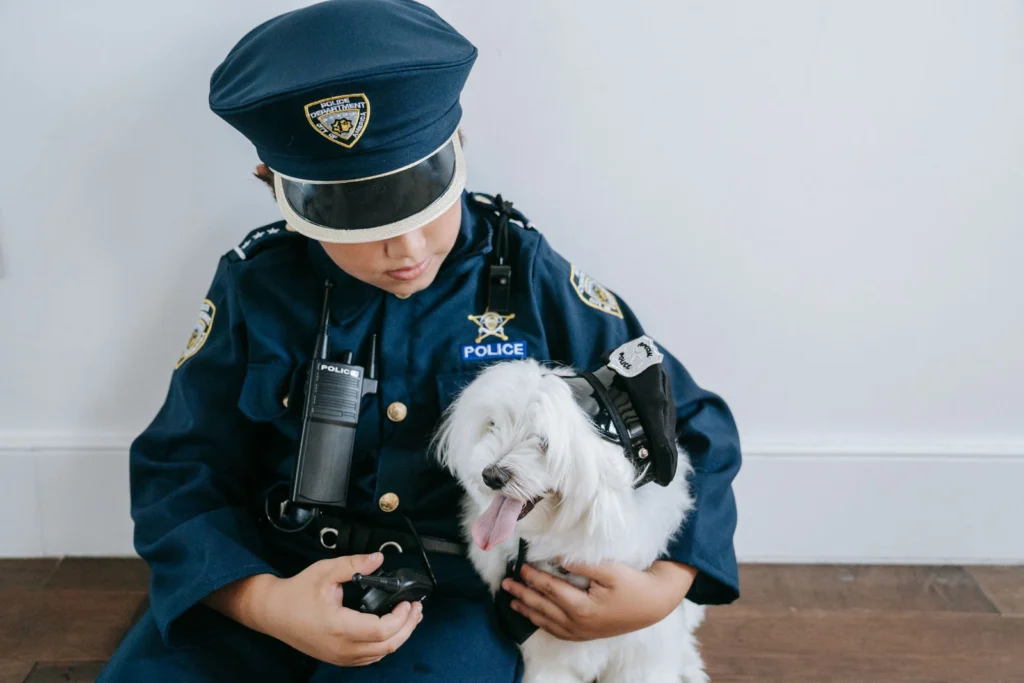
Best Dog Halloween Costumes for 2026
The best costume is one your dog barely notices: light, simple and recognizable from across the room.
The Complete Slow Feeding Starter Guide
Get our expert guide delivered to your inbox — plus an exclusive 15% discount code for your first order.
Easy DIY Halloween Dog Costume Ideas
- Pumpkin bandana: an orange bandana with a felt jack-o’-lantern face stitched flat.
- Superhero cape: a short cape attached to a harness, not the collar, so it can’t twist around the neck.
- Ghost bandana: a white bandana with two black felt eyes. Never a sheet over the head.
Costumes for Small Dogs
Small dogs shine in body-suit styles that leave the head and legs free: a hot dog bun, a bumblebee or a tiny pumpkin. Choose soft, stretchy fabric and skip hoods.
Costumes for Big Dogs
Large dogs rock “big character” looks: a lion mane, a dragon spine or a cowboy vest. A mane or vest is easier to wear than a full body suit and less likely to cause overheating.
Duo and Family Costumes With Your Dog
Matching looks steal the show: peanut butter and jelly, a farmer and a sheep, or a firefighter and a dalmatian. Let the humans wear the elaborate half while your dog wears the simple one.
Cat Halloween Costumes: Keep It Minimal
Cats have strong opinions about fashion, and most of them are “no.” Keep it to accessories your cat already tolerates:
- A breakaway collar with a small felt bat or pumpkin tag sewn flat.
- A soft, lightweight bandana tied loosely (two fingers should slide under it).
- Props instead of clothes: pose your cat beside a mini pumpkin or a witch’s hat.
Skip wings, hats, wigs and anything covering the ears, whiskers or tail. Many cats freeze or flatten to the floor when wrapped in fabric.
How to Choose a Safe Halloween Costume
The American Veterinary Medical Association and the ASPCA agree: a costume should never limit your pet’s sight, hearing, breathing or movement.
Fit and Movement
Your pet should walk, sit, lie down and go potty without struggling. Nothing should rub the armpits or drag on the floor.
Vision, Hearing and Breathing
No masks, no hoods over the eyes, nothing tight around the muzzle or neck. Dogs need to pant freely, especially when excited. Thick costumes on a warm evening can lead to overheating, as Texas A&M veterinary experts point out.
No Chewable Small Parts
Buttons, beads, sequins, pom-poms and dangling ribbons are choking and blockage hazards. If it can be chewed off, cut it off. And only use face paint or fur dye labeled pet-safe, kept well away from the eyes, nose and mouth.
Trial Runs and Stress Signals
Never debut a costume on Halloween night. Start a week or two ahead:
- Let your pet sniff the costume and reward with a treat.
- Drape it on for a few seconds, treat, and remove it.
- Build up to a few minutes over several days.
Take the costume off right away if your pet freezes and won’t move, paws or rolls to get it off, whines, hides or tries to escape. Texas A&M veterinarians note that some dogs and cats simply shut down in costumes. Also, never leave a pet unattended while dressed up.
When to Skip the Costume
Some pets are better off as their adorable selves. Skip the costume if your pet:
- Is a cat that hasn’t happily accepted a harness or bandana before (that’s most cats).
- Is anxious, reactive or noise-sensitive, since Halloween already brings plenty of stress.
- Is a senior, a flat-faced breed or a dog that overheats easily.
A festive bandana still gets you the photo, with zero drama.
Is Chocolate Bad for Dogs? Xylitol and Candy Dangers
Yes, chocolate is bad for dogs, and it’s dangerous for cats too. The American Kennel Club explains that all chocolate contains theobromine, which can be harmful and sometimes fatal to dogs, and darker chocolate is riskier than milk chocolate. Baking chocolate is the worst of all.
- Xylitol: this sugar substitute in sugar-free gum, mints, candy and baked goods is toxic to dogs. The AKC warns it can hide in products that aren’t clearly labeled sugar-free, so read every label.
- Raisins: the AVMA warns raisins can cause kidney failure. Those “healthy” snack boxes go out of reach too.
- Wrappers: foil and cellophane can lodge in the throat or gut and may need surgery to remove.
- Glow sticks: a punctured glow stick causes mouth pain, irritation and heavy drooling. Cats love to bat and chew them.
Store candy up high in a sealed container, and remind kids never to share their haul with pets.
Pumpkin for Dogs: The Plain Facts
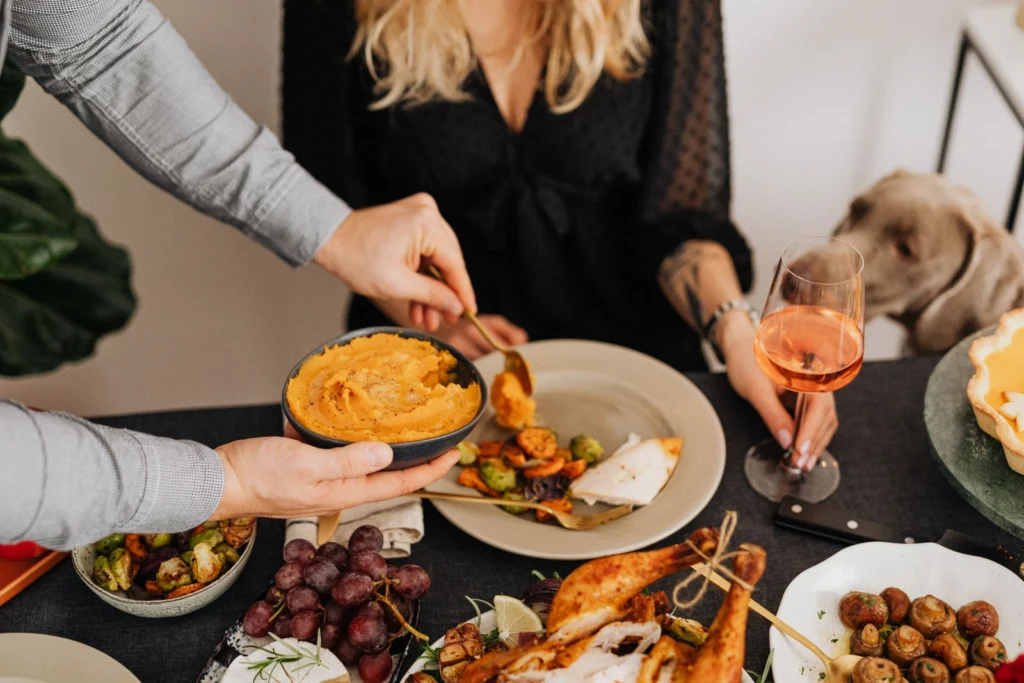
Good news for pumpkin lovers: plain pumpkin can be a healthy treat. The AKC notes that plain canned pumpkin is a source of fiber that can support digestion, starting with a small spoonful added to food.
The rules are simple:
- Yes: plain canned pumpkin (100% pumpkin) or plain cooked pumpkin, in small amounts.
- No: pumpkin pie filling or pumpkin pie mix, which can contain sugar, spices and even xylitol.
- No: carved jack-o’-lanterns, stems or tough rinds.
A thin layer of plain pumpkin on a lick mat makes a festive snack; our lick mat toppings and recipes guide has more ideas. Ask your vet first if your pet has digestive issues.
Trick-or-Treat Dog Anxiety: Your Doorbell Game Plan
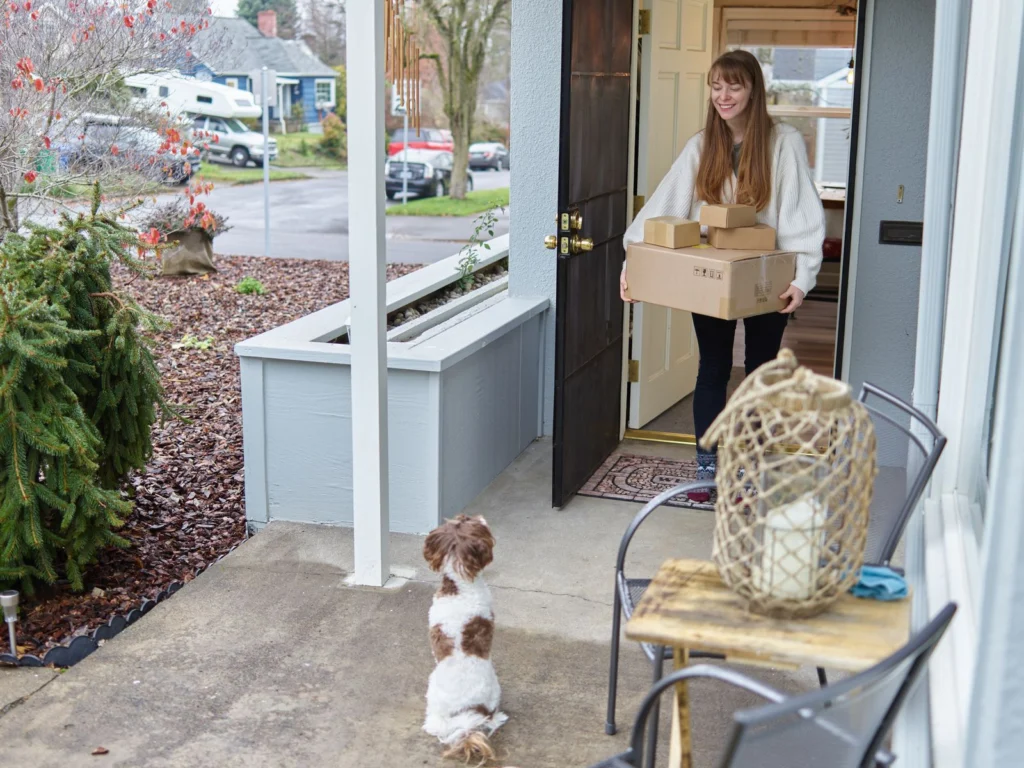
Halloween means a nonstop doorbell and strangers in masks. The ASPCA recommends keeping pets in a separate, comfortable room away from the front door during peak trick-or-treating hours.
Set Up a Safe Room
Pick a quiet bedroom. Add your pet’s bed, water, a favorite toy and background noise like a fan or soft music. Close the door before the first knock.
Give Them Something Better to Do
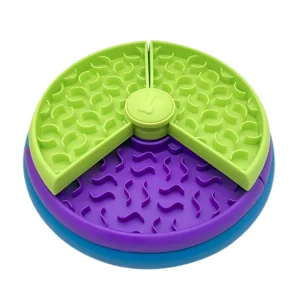
Licking and sniffing are soothing. A frozen lick mat, food puzzle toy or treat dispenser ball keeps your dog busy while the doorbell rings. Our guide on how lick mats calm anxious dogs explains why it works, and puzzle feeders for dogs are another great option.
Prevent the Door Dash
- Use a baby gate, a closed door or a leash so your pet can’t bolt outside.
- Double-check ID tags and microchip details are current. The AVMA stresses ID because open doors lead to escapes.
- Don’t leave your dog alone in the yard, even fenced, as the AKC advises.
Halloween Safety for Cats: Keep Black Cats Indoors
Cats need their own plan. They hide when stressed, and a cat slipping out on Halloween night is a real risk.
- Keep every cat indoors, especially black cats. Dark-coated pets are harder to see at night, and the AVMA recommends keeping pets indoors through the Halloween season.
- Offer high hiding spots in a closed room: a covered bed, an open carrier with a blanket or a shelf away from the front door.
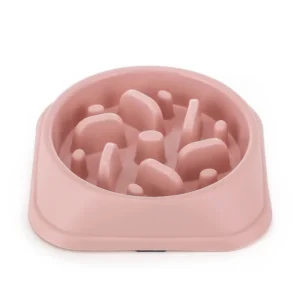
- Use mealtime as a calm anchor. A puzzle feeder at the usual time gives your cat something familiar to focus on. Our mealtime enrichment for indoor cats guide has easy ideas.
- Check the breakaway collar and microchip, just in case.
Decorations, Candles and Jack-o’-Lanterns
Halloween decor can be a surprise hazard. The ASPCA warns that pets can knock over a lit pumpkin and start a fire, and curious kittens are especially at risk of burns from candle flames.
- Use battery-powered candles inside jack-o’-lanterns, and keep spare batteries locked away.
- Tuck cords for light-up decor out of paw’s reach.
- Keep decorative corn, gourds and small props off low tables.
Halloween Safety for Pets: Timeline and Checklist
Stick this on the fridge for October 31, 2026.
| When | What to do |
|---|---|
| 1–2 weeks before | Start costume trial runs; check ID tags and update microchip details |
| Morning of Halloween | Long walk or play session for dogs; extra play for cats |
| Late afternoon | Quick costume photos, then costume off; feed dinner early |
| Before dusk | Last potty break on leash; bring all cats inside |
| Trick-or-treat hours | Pets in the safe room with a lick mat or puzzle feeder; candy up high |
| After the last knock | Sweep floors for wrappers and glow sticks; store candy in a sealed container |
| Next morning | Check pets for any signs of illness; recycle carved pumpkins |
When to Call Your Vet or Animal Poison Control
If your pet ate something toxic, don’t wait for symptoms. Call your veterinarian, an emergency clinic or the ASPCA Animal Poison Control Center at (888) 426-4435, which is open 24/7 (a consultation fee may apply). Have the wrapper, the amount and your pet’s weight ready.
Get help right away if your pet:
- Ate chocolate, anything containing xylitol, raisins or a wrapper.
- Is vomiting, has diarrhea, is restless, trembling, weak or wobbly.
- Is drooling heavily or pawing at the mouth after chewing a glow stick.
- Has burns or keeps panting heavily after wearing a costume.
Don’t try to make your pet vomit unless a vet tells you to.
Get Your Free Slow Feeding Guide
Everything in this article — plus portion charts, feeder comparisons and meal plans — in one printable PDF. A 15% discount code is included.
Frequently Asked Questions
Is it OK to put a Halloween costume on my dog?
Yes, if your dog is relaxed and it doesn’t limit sight, hearing, breathing or movement. Do trial runs, keep wear time short and remove it at the first sign of stress.
Do cats like wearing Halloween costumes?
Most don’t. Many cats freeze, hide or wriggle free when dressed up. A loose bandana or festive breakaway collar is kinder.
What should I do if my dog ate Halloween candy?
Note what and how much was eaten, then call your vet, an emergency clinic or the ASPCA Animal Poison Control Center right away. Chocolate, xylitol and raisins are the biggest worries, and wrappers can cause blockages.
How do I keep my dog calm on Halloween?
Exercise them earlier in the day, then settle them in a quiet room away from the door with a lick mat or treat dispenser.
Can dogs eat pumpkin?
Plain canned or cooked pumpkin in small amounts is fine for most dogs. Avoid pumpkin pie filling, spiced treats and old carved jack-o’-lanterns.
A Happy Howl-o-ween Starts With a Calm Pet
The best Halloween 2026 memories come from a pet who feels safe: a simple costume worn for a few happy photos, candy far out of reach, and a cozy room when the doorbell starts ringing. A frozen lick mat or a treat dispenser ball can turn the busiest hour of the night into quiet snack time. Happy haunting from all of us at Pets Sparkle!
Sources
The veterinary and animal-welfare resources referenced in this guide:

Mahmoud Mohamed Samir is an SEO/GEO Specialist who turns veterinary research into clear, practical feeding guides, built so pet parents get straight answers whether they search on Google or ask an AI assistant.
View all articles by Mahmoud