 Written by
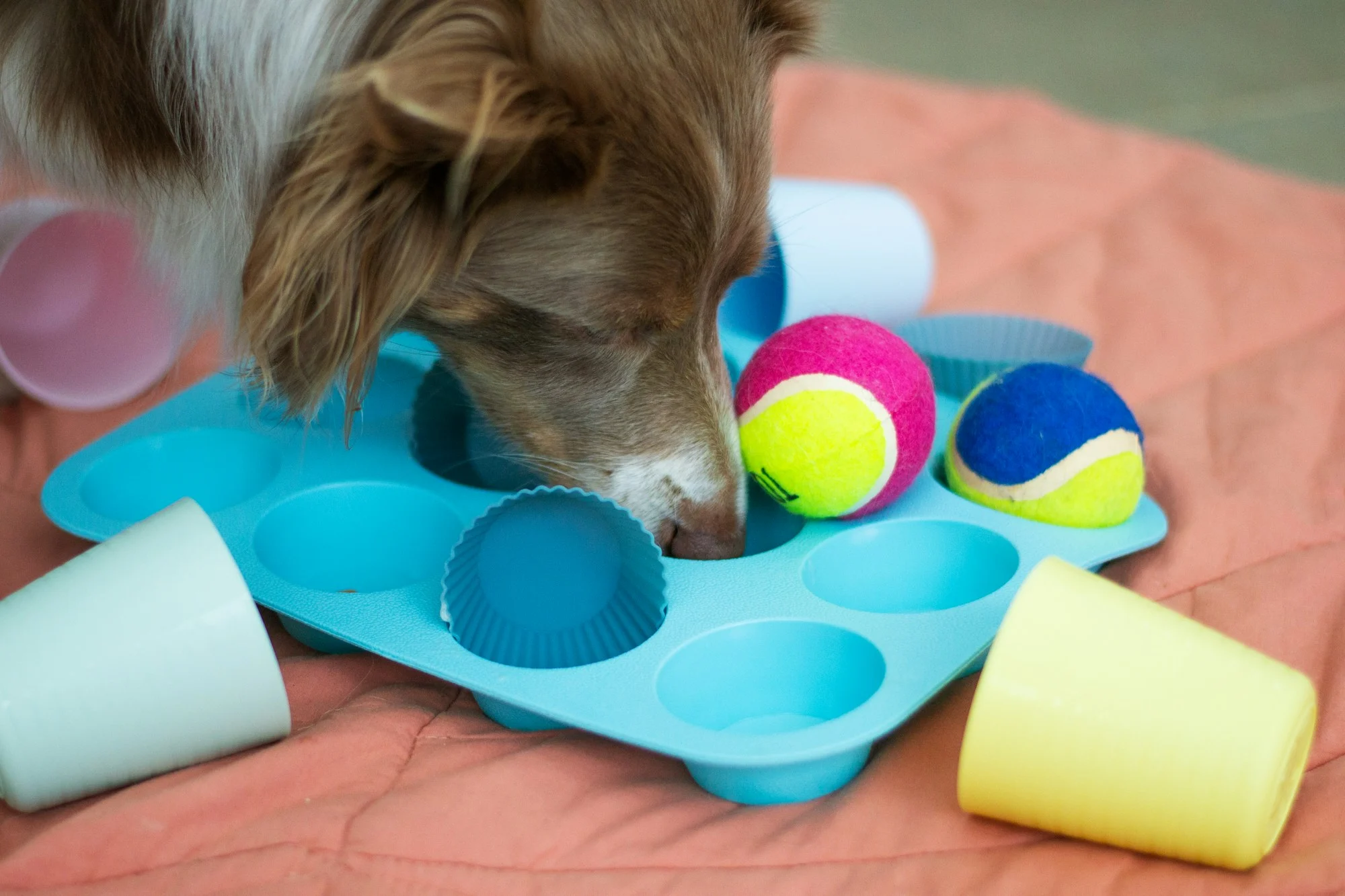
Want to keep dog busy while at work? Tire your dog out before you leave, give it a food-based job like a frozen lick mat or treat dispenser for the first quiet hour, and break up long days with a midday visit. Most adult dogs then spend the rest of the time resting, which is exactly what you want.
This post covers both kinds of workday: the office day when your dog is home alone, and the work from home day when your dog is next to you but you cannot play. You will find how long dogs can comfortably be alone, a sample schedule, safe food puzzles, and how to tell plain boredom from separation anxiety.
If you want a deeper library of brain games for evenings and weekends, our mental stimulation for dogs guide pairs well with the workday plan below.
Puzzle Feeders & Enrichment: Beyond the Bowl
Get our expert cheat sheet delivered to your inbox — plus an exclusive 15% discount code for your first order.
How to Keep Dog Busy While at Work: The Short Answer
The best way to keep a dog busy while at work is a three part routine: exercise first, a long-lasting food job as you leave, and a calm, safe space for the hours of rest that follow. Busy does not mean entertained all day; it means your dog starts the day satisfied and settles easily.
Dogs are social animals, and the RSPCA says dogs need enough time with people or other animals so they do not get lonely or bored, and that you should never leave a dog alone long enough for it to become distressed. A good workday plan works with that need instead of against it.
Think of the day in blocks:
- Before work: a proper walk with time to sniff, then breakfast served in a slow feeder or puzzle.
- As you leave: a frozen lick mat or stuffed treat toy that takes a while to finish.
- Middle of the day: a visit from you, a walker or a neighbor on long days.
- After work: play, training and a sniffy evening walk.
How Long Can a Dog Be Alone During the Workday?
Most healthy adult dogs can be alone for a few hours at a time, but a full office day without a break is too long for many dogs. Puppies, seniors and dogs with health problems need breaks much more often.
A veterinarian quoted by the American Kennel Club says adult dogs can generally be left alone for about four to six hours at a time without significant distress, while puppies may need to relieve themselves every one to two hours. The same article notes that senior dogs may need more frequent bathroom breaks.
Time with people matters too. A board certified veterinary behaviorist interviewed by the AKC suggests that dogs get a minimum of two hours of dedicated social time with humans or other dogs each day, which can be split into chunks, and says that spending the whole day alone is too much for a dog. You can read the full interview in the AKC article on how much alone time dogs can handle.
So for an eight or nine hour office day, plan for a midday break. For a puppy, plan for several.
Before You Leave: Exercise and a Sniffy Walk
A dog who has had a good morning walk and some play is far more likely to nap than look for trouble. Exercise before work is the single easiest way to make the alone hours calmer.
The AKC article on bored dogs points out that a 10-minute stroll around the block is unlikely to tire any dog, and suggests more vigorous exercise such as chasing a ball, plus walks that let your dog stop and sniff on different routes. It also notes that exercise needs vary a lot by dog, so ask your vet what suits yours.
Simple ways to make a morning walk count:
- Let your dog sniff for a few minutes at a time. Sniffing is mental work, not wasted time.
- Change the route a couple of times a week.
- Add five minutes of fetch or tug in the yard or hallway.
- Finish with a short training session, like sit, down and stay, for a few treats from breakfast.
Then give breakfast. Feeding after exercise and before you leave helps many dogs settle into a post meal nap.
Food Jobs That Fill the First Quiet Hour
A food puzzle given as you walk out the door turns your leaving into a good moment and fills the time when many dogs feel most unsettled. Use part of the daily food allowance so your dog does not gain weight.
The AKC lists leaving out treat-dispensing toys as one of the basics for helping puppies form positive associations with being alone. The same idea works for adult dogs. Here are the main options:
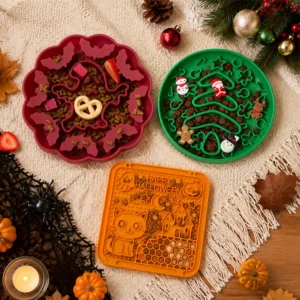
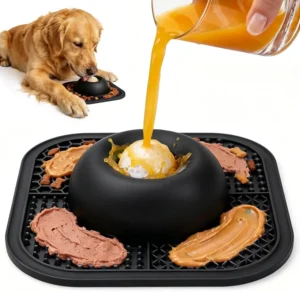
- Frozen lick mat. Spread wet food or a little plain yogurt over the mat and freeze it overnight. Licking is slow and soothing, and frozen spreads last longer. The Slow Licking Mat from Pets Sparkle has suction cups so it stays put on a crate tray or floor.
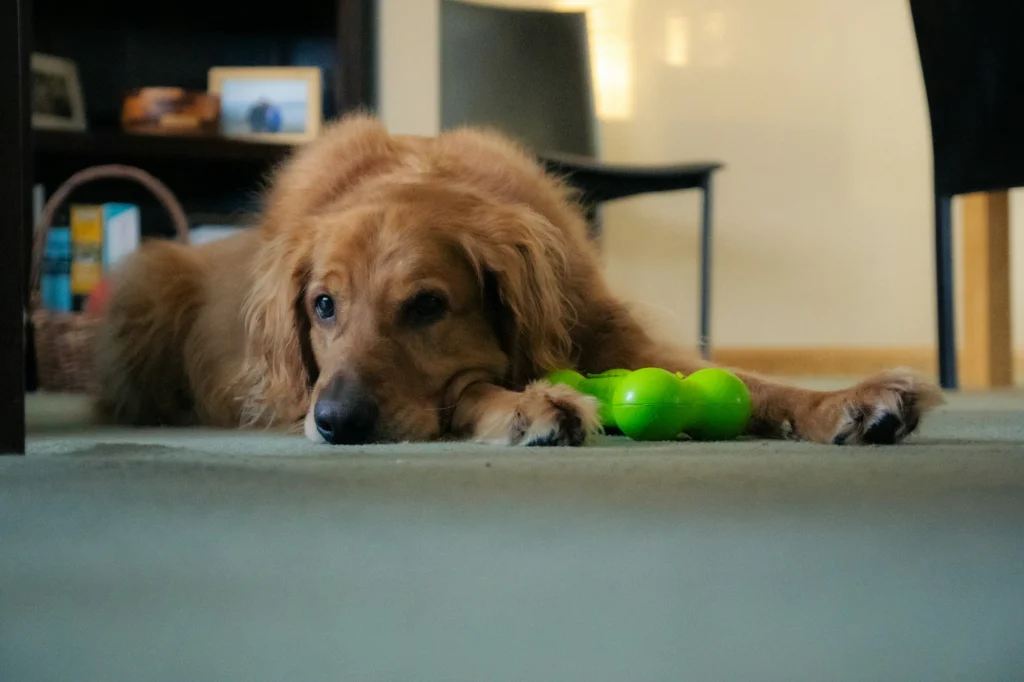
- Treat dispenser toy. Your dog nudges or rolls the toy to release kibble. The Duck Treat Dispenser suits dogs of all sizes. Browse more styles in our treat dispensers collection.
- Snuffle mat. Hide kibble in the fabric folds so your dog has to sniff it out, like the Foraging Snuffle Mat.
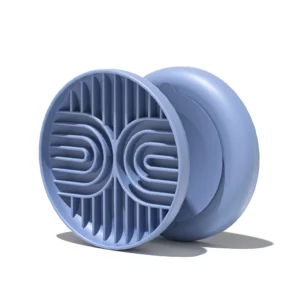
- Slow feeder for breakfast. A maze bowl stretches the meal itself, which is useful for dogs who gulp.
Not sure which to start with? Our comparison of a lick mat vs snuffle mat walks through the differences, and our dog treat dispenser toy guide explains how to choose a dispenser.
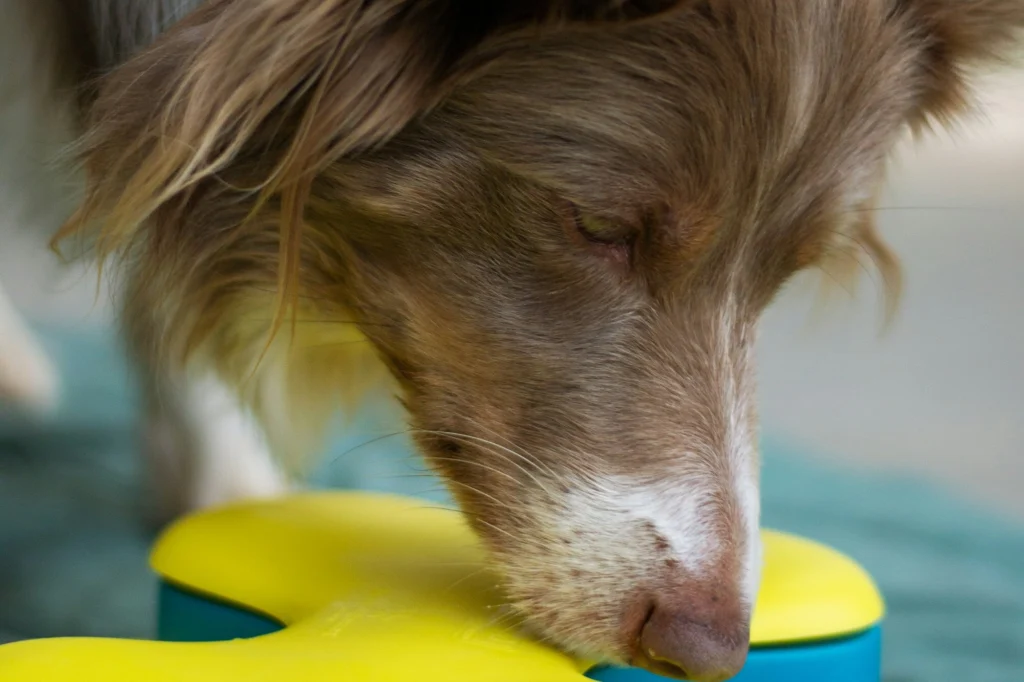
Start each new toy while you are home, so you can see how your dog uses it before you leave it unsupervised.
A Sample Workday Schedule
A predictable schedule helps dogs relax, because they learn when activity happens and when it is time to rest. Use the table below as a starting point and adjust it for your dog’s age, health and energy.
| Time | Office day | Work from home day |
|---|---|---|
| Early morning | Walk with sniff breaks, short play | Walk with sniff breaks, short play |
| Breakfast | Slow feeder or puzzle bowl | Slow feeder or puzzle bowl |
| Leaving or first call | Frozen lick mat or treat dispenser in the safe space | Lick mat or snuffle mat near your desk |
| Midday | Walker, daycare or a visit home | Lunch break walk and a few minutes of training |
| Afternoon | Rest with water, bed and safe chew | Rest, then a short sniff game between meetings |
| Evening | Play, training and a longer walk | Play, training and a longer walk |
Keep the same order on most days. Even on weekends, a similar rhythm makes Monday easier.
Working From Home With a Dog That Wants to Play
When you work from home, the goal is to teach your dog that your desk time is rest time, with small, planned moments of activity in between. Without a plan, many dogs nudge, bark or bring toys during every call.
Tips that help:
- Give a job before important calls. A lick mat or snuffle mat a few minutes before a meeting starts usually buys quiet time.
- Create a resting spot. Put a bed a little away from your desk and reward your dog for lying there.
- Schedule short breaks. Five minutes of tug, fetch or a few tricks between tasks keeps your dog from getting restless.
- Practice alone time. Leave the house or close the office door for short periods, so your dog stays comfortable being apart on office days.
The AKC article on bored dogs notes that a dog who is always looking for attention and acting restless, even when you are home, is often bored and wants something to do. Planned activity breaks fix this better than constant attention.
Safety Rules for Unsupervised Toys
Only leave a dog alone with toys and puzzles it has already used safely while you watched. A busy toy is only helpful if your dog cannot chew it apart or swallow pieces.
- Test every new toy, mat and chew while you are home first.
- Pick sizes your dog cannot fit fully in its mouth.
- Remove anything that is cracked, torn or chewed down.
- Skip fabric snuffle mats for unsupervised dogs who like to shred, and use a lick mat or sturdy dispenser instead.
- Leave fresh water, a comfortable bed, and a safe space like a puppy pen or dog proofed room.
If your dog ever chokes, vomits, or seems unwell after eating something it should not have, call your vet straight away.
Boredom or Separation Anxiety? How to Tell
Boredom and separation anxiety can both lead to chewing, barking and mess, but anxiety is distress, not mischief, and it needs a different plan. Food puzzles help bored dogs, while anxious dogs often will not eat at all when alone.
The AKC describes signs of boredom such as chewing furniture and shoes, shredding pillows, digging, tipping over trash cans and barking, and advises ruling out separation anxiety if destructive behavior comes with a clingy attitude.
The ASPCA explains that dogs with separation anxiety may become agitated when their guardians prepare to leave, and usually start barking and showing other distress behaviors within a short time after being left, often within minutes. The ASPCA adds that escape attempts can be extreme and lead to injury, especially around doors and windows.
Signs that point toward anxiety rather than boredom:
- Your dog panics as you pick up keys or put on shoes.
- Problems start within minutes of you leaving.
- Food puzzles are left untouched until you come home.
- Damage is focused on doors and windows.
If you see these signs, talk to your vet and a qualified behaviorist. Our post on how lick mats calm anxious dogs covers where licking can help as one part of a wider plan.
When to Use a Dog Walker or Daycare
A dog walker, a friendly neighbor or doggy daycare is the right call when your workday is longer than your dog can comfortably manage alone. No toy can replace a bathroom break and real company.
The AKC guide to having a dog while working a 9 to 5 job suggests relying on doggie daycare or a dog walker when your dog needs more support during the day. Consider extra help if:
- You have a puppy, a senior dog, or a dog with a medical condition.
- Your workday plus commute is longer than your dog can comfortably go between breaks.
- Your dog is very social or high energy and still restless after a good morning.
- You come home to accidents or damage on most days.
Even one midday visit two or three times a week can make a big difference for a dog who struggles with long days.
A Busy Morning Makes a Calm Afternoon
Keeping a dog busy while you work is less about filling every hour and more about a good start and a safe, restful middle. Exercise first, give a food job as you leave or before calls, keep the day predictable, and add a midday break on long days. For more ideas, see our post on puzzle feeders for boredom and our tips on using snuffle mats.
Get Your Free Slow Feeding Cheat Sheet
Everything in this article — plus portion charts, feeder comparisons and meal plans — in one printable PDF. A 15% discount code is included.
Frequently Asked Questions
Is it okay to leave my dog home alone while I work?
Many adult dogs cope well with being alone for part of the day, but a full workday without a break is too long for most. A vet quoted by the AKC says adult dogs can generally manage about four to six hours. Plan a midday visit on longer days, and more breaks for puppies and seniors.
What can I give my dog to do while I am at work?
Give food-based jobs your dog already knows how to use safely, such as a frozen lick mat, a treat dispenser toy, or a snuffle mat with part of its kibble. Pair this with a good morning walk, fresh water and a comfortable bed. Most dogs then rest for much of the day.
How do I keep my dog busy when I work from home?
Give a lick mat or snuffle mat a few minutes before calls, set up a bed away from your desk, and schedule short play or training breaks. Practice short periods apart too, so your dog stays relaxed being alone on days when you go out.
Should I leave the TV or radio on for my dog?
Some owners find quiet background sound helps their dog settle, but it is not a replacement for exercise, food puzzles or company. Watch how your dog reacts, and if your dog seems distressed whenever you leave, speak with your vet about separation anxiety.
How can I tell if my dog is bored or anxious when alone?
Bored dogs often chew or dig and still eat their food puzzles. Anxious dogs tend to show distress soon after you leave, ignore food, and target doors or windows, as the ASPCA describes. If you suspect anxiety, ask your vet and a qualified behaviorist for help.
Sources

Digital marketing specialist at BrightSeen Marketing Agency. Turns veterinary research into clear, practical feeding guides for pet parents.
Mahmoud works for BrightSeen Marketing Agency, which looks after our SEO and GEO and Meta ads.
View all articles by Mahmoud