 Written by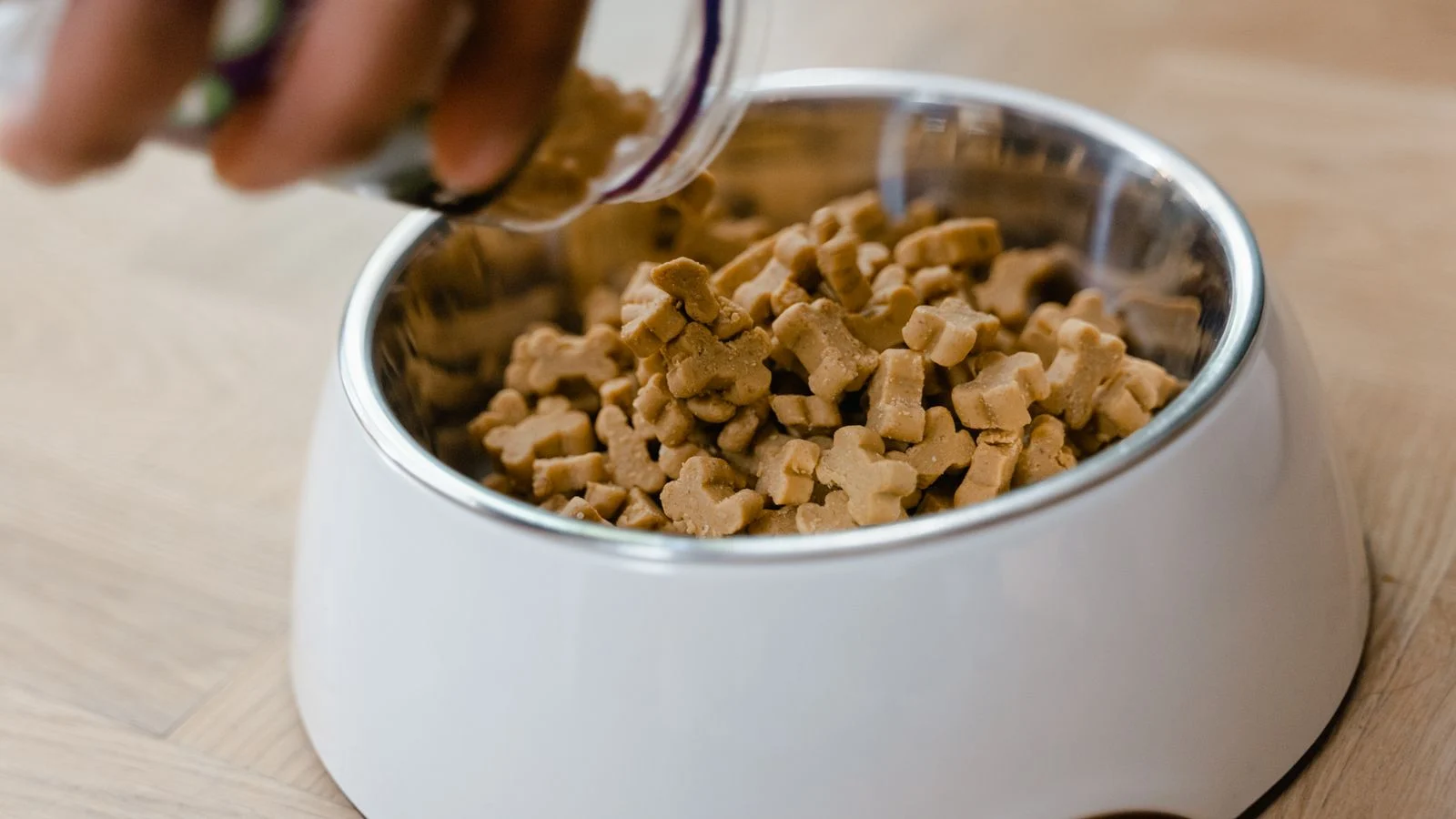
How much should you feed your dog? It is one of the most common questions dog parents ask, and getting it right matters more than you might think. Good dog portion control is the foundation of a healthy weight, steady energy, and a long, happy life. Feed too much and the pounds creep on; feed too little and your dog misses out on nutrition. This guide breaks down how to find the right amount and stick to it.
The AVMA and AAHA report that a large share of dogs in the United States are overweight, and excess weight is linked to joint problems, diabetes, and shorter lifespans. The encouraging news is that portion control is simple once you know the basics.
What Affects How Much to Feed
There is no single magic number, because the right portion depends on your individual dog. Several factors come into play.
Slow Feeding for Weight Control & Portion Management
Get our expert guide delivered to your inbox — plus an exclusive 15% discount code for your first order.
Weight, Age, and Activity
A dog ideal portion is tied to their target healthy weight, not just their current weight. Puppies need more calories per pound for growth, while senior dogs often need fewer as they slow down. A high-energy working dog or an active pup that hikes every weekend burns far more than a couch-loving companion. Seasons matter too: many dogs move less during a cold Midwest winter or when summer heat in states like Texas and Arizona keeps walks short, so portions may need small seasonal tweaks.
Breed, Size, and Health
A Chihuahua and a Labrador have wildly different needs. Spaying or neutering can lower calorie requirements, and certain health conditions change them too. When in doubt, your veterinarian can help you set a target weight and daily calorie goal tailored to your dog. This is especially worth doing after any big life change, such as a spay or neuter surgery, a new diagnosis, or the shift from puppyhood into adulthood.
How to Read the Feeding Guidelines
Start with the feeding chart on your dog food bag. These charts list suggested daily amounts by weight, usually in cups. Treat them as a starting point, not gospel, since they tend to run generous. Measure your dog current portion, then adjust based on body condition over the following weeks.
Remember that the amount listed is usually the total for the whole day, not per meal. If you feed twice a day, split that number in half. Always use an actual measuring cup or a kitchen scale rather than eyeballing it, since even small daily overages add up fast. A kitchen scale is the most accurate option, because a scoop packed loosely or heaped can vary by a surprising amount from day to day.
Use Body Condition, Not Just the Scale
The best way to judge portions is your dog body. Run your hands along their sides. You should be able to feel the ribs without pressing hard, and your dog should have a visible waist when viewed from above and a tucked belly from the side. If ribs are buried under fat, cut back a little; if they stick out sharply, feed a bit more. Check in every few weeks and adjust gradually. Sudden, dramatic changes in food are hard on a dog digestion, so aim for small steps of a little more or less at a time rather than big swings.
If your dog needs to lose weight, our guide on slow feeders for dog weight loss offers a practical plan.
Do Not Forget Treats and Extras
Treats count. A common rule of thumb is that treats should make up no more than about ten percent of your dog daily calories. Table scraps, dental chews, and training rewards all add up, so trim meal portions slightly if you hand out a lot of extras. Choosing low-calorie treats and using part of your dog regular kibble for training keeps things in balance. Fresh veggies like green beans or carrot slices can also be satisfying, crunchy, low-calorie options many dogs enjoy.
Make Portions Work Harder With Slow Feeders
Here is a helpful trick: how your dog eats can support your portion goals. A slow feeder makes a measured portion last longer, so your dog feels more satisfied and is less likely to beg for more. Our Triple Maze Feeder stretches an ordinary portion into an engaging meal, while the Treat Maze Bowl adds a fun challenge that slows gulping and boosts satisfaction. Pairing accurate portions with slower eating is a winning combination for weight management, and it turns a two-minute meal into a satisfying activity your dog looks forward to.
Get Your Free Slow Feeding Guide
Everything in this article — plus portion charts, feeder comparisons and meal plans — in one printable PDF. A 15% discount code is included.
Frequently Asked Questions
How often should I feed my dog?
Most adult dogs do well with two meals a day, morning and evening. Puppies usually need three to four smaller meals. Splitting the daily amount into regular meals helps with digestion and hunger.
How do I know if I am feeding too much?
Watch your dog body condition. If you cannot easily feel the ribs, if the waist disappears, or if the number on the scale keeps climbing, reduce portions slightly and recheck in a few weeks.
Should I free-feed or use set meals?
Set meals are better for dog portion control. Leaving food out all day makes it hard to track intake and often leads to overeating. Measured, scheduled meals keep you in control.
Feed Smart, Live Long
Good dog portion control comes down to a few habits: start with the feeding guide, measure every serving, judge by body condition rather than the bowl, and count treats. Adjust gradually and check with your veterinarian when you are unsure. Small, consistent choices add up to a healthier, happier dog. Ready to make portions work harder? Explore slow feeders and portion-friendly bowls in the Pets Sparkle shop and help your dog thrive at every meal.