 Written by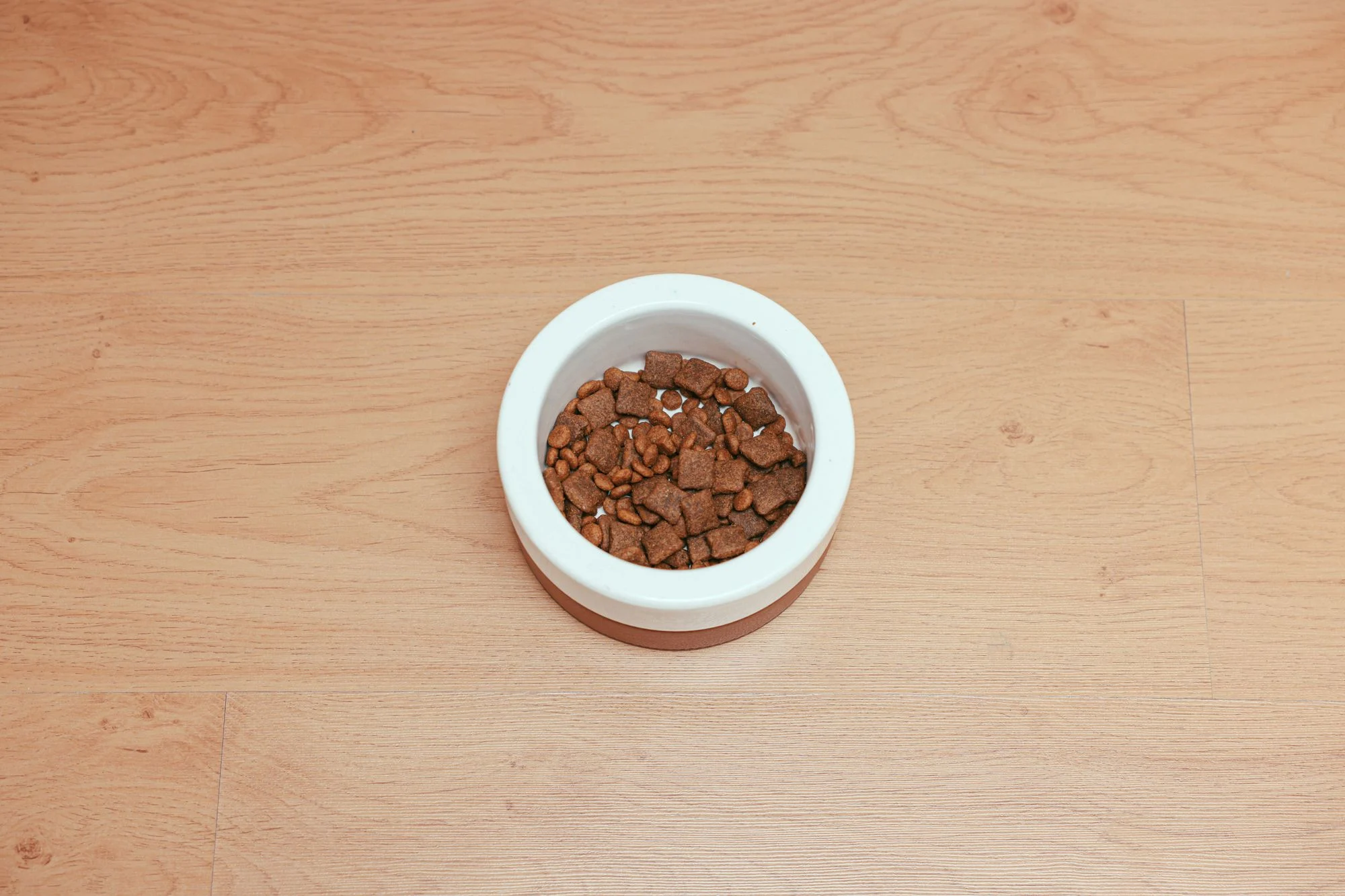
As temperatures start to drop across the country, a lot of dog parents start asking the same question: should I be feeding my dog more now that it’s cold outside? It’s a reasonable thing to wonder, especially if your dog seems hungrier, a little less active, or if you’re already thinking ahead to Thanksgiving leftovers and holiday treats. The honest answer is that it depends much more on your individual dog than on the calendar.
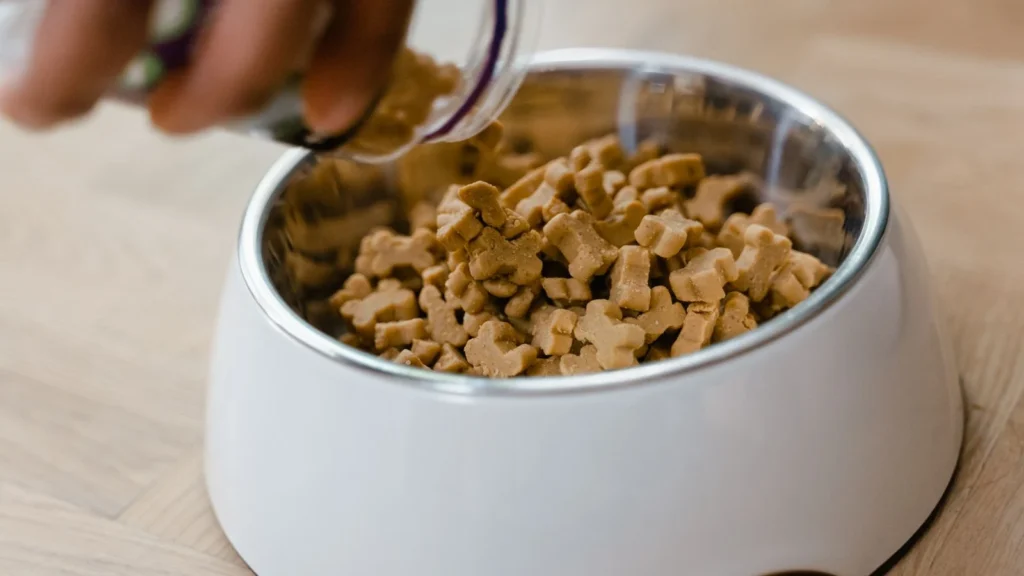
Before you start adding extra kibble to the bowl, it helps to understand what actually changes for dogs in winter, which dogs are most affected, and how to adjust portions safely, especially if you feed with a slow feeder bowl to help manage mealtime pace.
This guide walks through what veterinary sources say about cold-weather calorie needs, how to tell if your dog genuinely needs more food, and why slow, steady feeding matters just as much in January as it does in July.
Slow Feeding for Weight Control & Portion Management
Get our expert guide delivered to your inbox — plus an exclusive 15% discount code for your first order.
Does Cold Weather Really Change a Dog’s Calorie Needs?
For some dogs, yes. The American Kennel Club notes that dogs who spend significant time outdoors in cold weather — working dogs, hunting dogs, and dogs who are highly active outside — can burn more calories simply staying warm and moving through snow or cold, damp conditions. Shivering, generating body heat, and extra physical effort in winter terrain all cost energy.
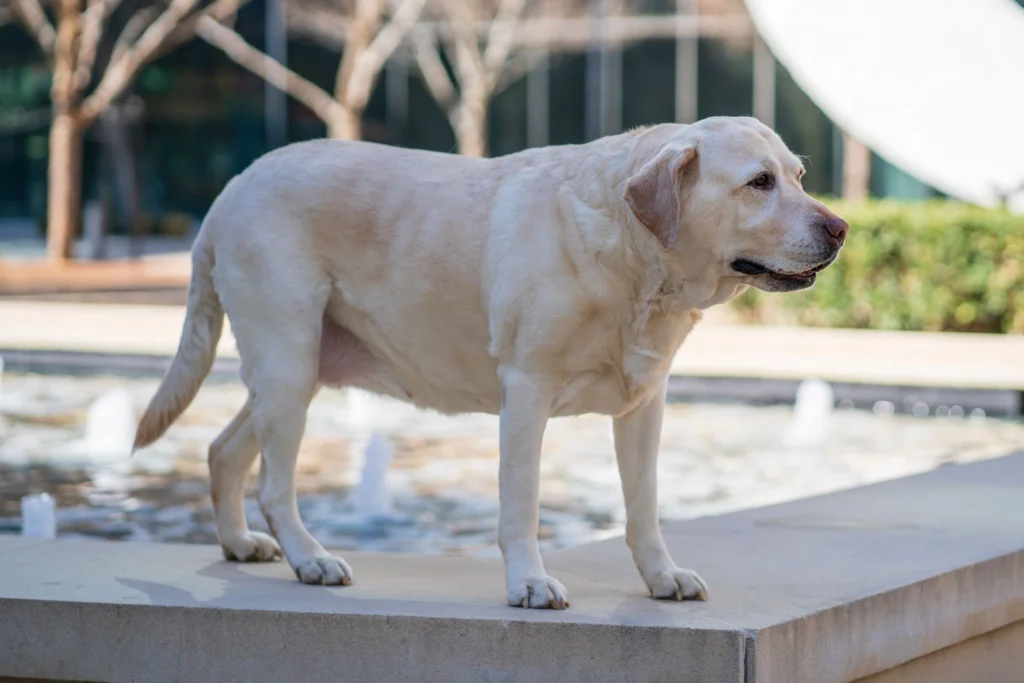
For the average house dog in the United States, though, winter usually means less outdoor playtime, shorter walks when it’s icy or bitterly cold, and more time curled up on the couch. For these dogs, calorie needs often go down in winter, not up, because daily activity drops. Feeding the same portion while exercise decreases is one of the most common ways dogs quietly gain weight over the colder months.
Indoor Dogs vs. Outdoor and Working Dogs
Where you live and how your dog spends their day both matter. A Labrador who hikes and swims through a Minnesota or Montana winter, or a farm dog working outside in Wisconsin, genuinely may need more calories to maintain a healthy weight. A small or senior dog who mostly naps indoors in a heated home in Texas, Arizona, or Florida — where winters are mild to begin with — likely needs little to no portion change at all.
If your dog does spend real time outside in freezing conditions, the AVMA recommends paying attention to body condition and coat health rather than guessing at an exact calorie number. A slight increase, offered gradually, is safer than a sudden jump in portion size.
A Simple Rule of Thumb
Adjust food based on activity level and body condition, not the season by itself. If your dog’s routine hasn’t changed much this winter, their food probably shouldn’t either.
Watch the Body, Not the Calendar
Veterinary sources, including VCA Animal Hospitals, recommend checking your dog’s body condition score every few weeks through the colder months. You should be able to feel (though not necessarily see) your dog’s ribs with gentle pressure, and there should be a visible waist when you look down at them from above. A thickening waistline or ribs that are harder to feel under a layer of fat are signs to scale portions back, regardless of the weather.
It’s easy to let winter weight creep in with extra holiday treats, less exercise, and cozy indoor days. Weighing your dog’s food with a measuring cup instead of eyeballing it, and weighing your dog itself every month or two, takes the guesswork out of the picture.
Senior Dogs and Winter Feeding
Cold weather can be tougher on senior dogs, particularly those with arthritis or other joint issues, since cold, damp conditions often make stiffness and discomfort more noticeable. Reduced mobility can mean reduced activity, which in turn means your senior dog may need slightly less food, not more, even if they seem to want extra at mealtime. If your senior dog is losing weight or muscle mass despite a stable diet, that’s worth a call to your veterinarian rather than simply increasing portions at home.
How a Slow Feeder Helps When You Adjust Portions
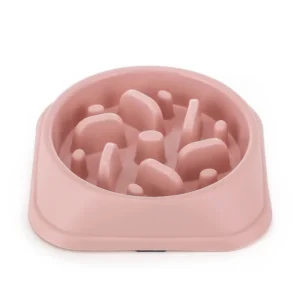
Whether you’re holding portions steady or making a small seasonal adjustment, how your dog eats matters as much as how much. Dogs who gulp down a bowl of food in under a minute are more prone to overeating, bloating, and begging again shortly after, since their brain hasn’t had time to register that a meal happened. A slow feeder bowl with ridges or a maze pattern forces each bite to be smaller and slower, which gives your dog’s body time to register fullness and makes any portion, large or small, feel more satisfying.
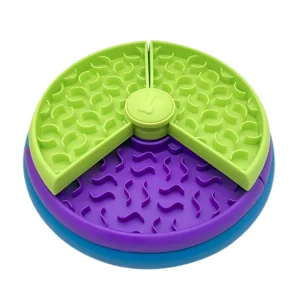
This is especially useful around the holidays, when larger or richer meals are more common. A slow feeder helps your dog eat an appropriate portion at a steady pace instead of inhaling it, which many veterinarians tie to a lower risk of digestive upset and the kind of rapid eating associated with bloat risk in deep-chested breeds, according to guidance from the AKC and VCA. If your household is also managing treat-heavy feeders, a treat maze bowl can slow down holiday snacking the same way.
What About Cats in Winter?
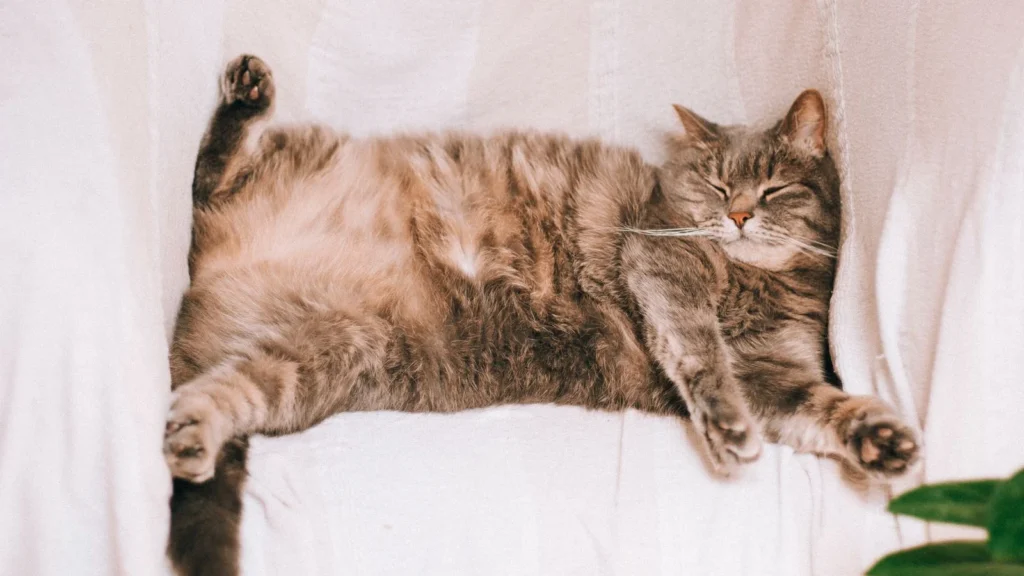
Cats are less likely than dogs to need a true calorie bump from cold weather, since most American cats are primarily indoor pets living in heated homes. That said, indoor cats often get less enrichment and exercise in winter when windows stay closed and play sessions get shorter, so weight gain is still a real risk. Keeping portions measured and offering meals through a puzzle feeder or slow feeder can help an indoor cat stay active and engaged at mealtime even when outdoor time isn’t an option.
A Quick Regional Gut-Check
Because the United States spans such different climates, “winter feeding” doesn’t mean the same thing everywhere. A dog in the Northeast or Upper Midwest dealing with months of snow and single-digit temperatures has a very different winter than a dog in coastal California or the Gulf Coast, where winter might just mean a few cooler, rainy weeks. Base your decision on your dog’s actual activity and body condition in your specific climate, not on a one-size-fits-all rule.
Get Your Free Slow Feeding Guide
Everything in this article — plus portion charts, feeder comparisons and meal plans — in one printable PDF. A 15% discount code is included.
FAQ: Winter Feeding for Dogs and Cats
Should I increase my dog’s food in winter?
Only if your dog is notably more active outdoors in the cold or is losing weight. Most indoor house pets need the same portion, or even slightly less, since winter activity tends to drop.
Do dogs really need extra calories in cold weather?
Dogs who work, hike, or spend extended time outside in freezing conditions can need more calories to maintain body heat and weight, per the AKC. Dogs who are mostly indoors typically don’t.
Is it normal for my dog to seem hungrier in winter?
It can happen, but increased appetite alone isn’t a reliable sign that more food is needed. Check body condition and weight before adjusting portions, and talk to your veterinarian if the change is sudden or dramatic.
Can a slow feeder help with winter weight gain?
Yes. Slowing down mealtime helps your dog register fullness and can reduce begging between meals, which makes it easier to stick to an appropriate portion through the holidays and colder months.
Keep Mealtime on Track All Season
Winter doesn’t have to mean a wider waistline for your dog or cat. Pay attention to activity level and body condition rather than the thermometer, keep portions measured, and let a good slow feeder do some of the work of pacing out each meal. Ready to make mealtime slower and more satisfying this season? Browse our full collection of slow feeders and lick mats to find the right fit for your dog or cat this winter.

Mahmoud Mohamed Samir is an SEO/GEO Specialist who turns veterinary research into clear, practical feeding guides, built so pet parents get straight answers whether they search on Google or ask an AI assistant.
View all articles by Mahmoud