 Written by
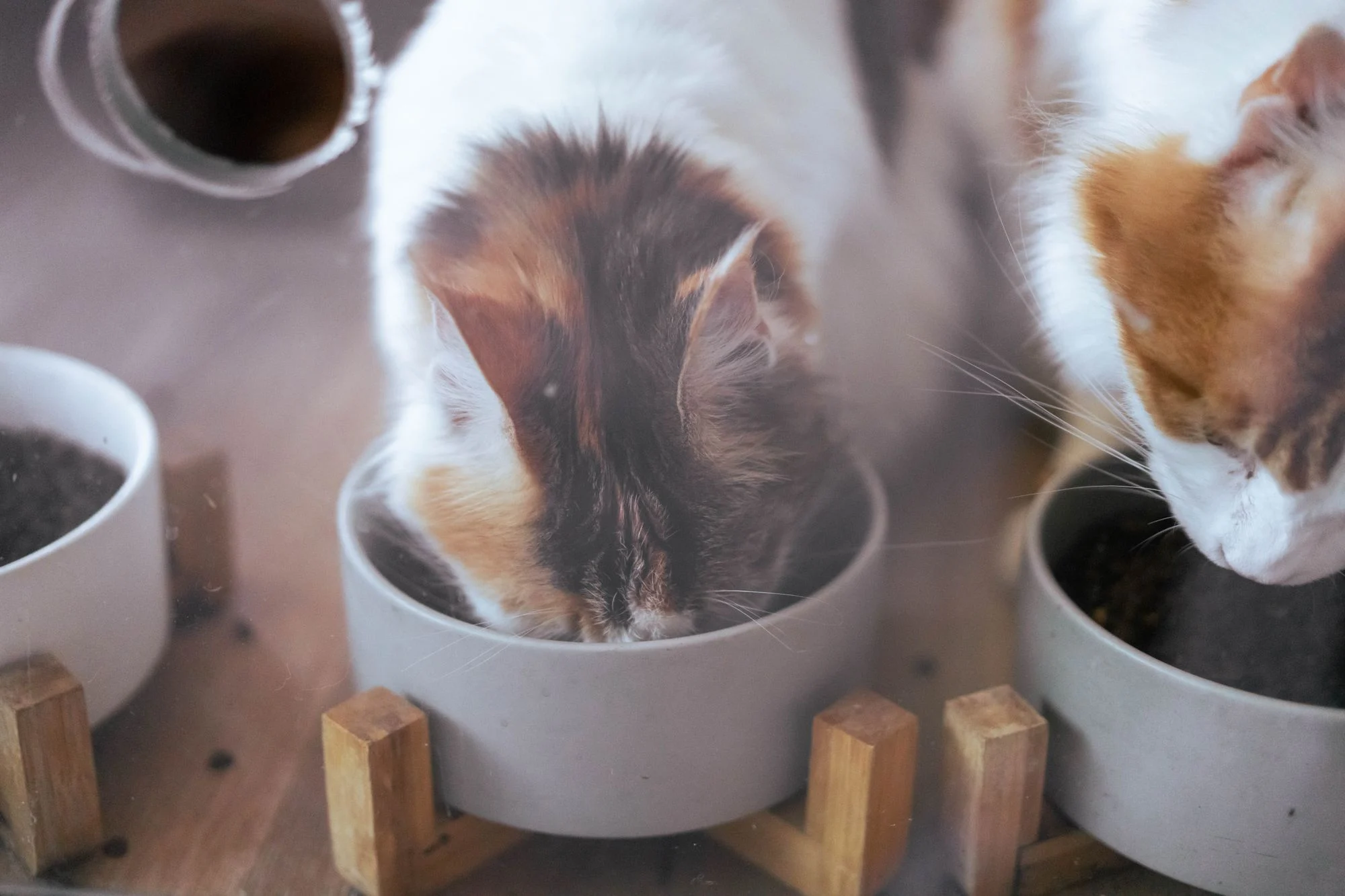
The most reliable signs your cat is eating too fast are an empty bowl within seconds, vomiting or regurgitating soon after a meal, gulping or gagging at the bowl, rushing around other pets, and acting hungry again right after eating. One sign on its own is rarely a worry, but several together tell you that mealtime needs a change.
Plenty of cat owners watch a bowl vanish in moments and then see the food come right back up. This guide focuses on how to recognize the problem. For the fixes, we keep a separate step by step guide on what to do when a cat is eating too fast.
Why Some Cats Eat Too Fast
Cats are not all the same at the bowl. Some nibble through the day, and others treat every meal like a race. Habit and energy play a part. According to VCA Animal Hospitals, some kittens devour every last morsel within seconds of food being set down, and that habit can carry into adulthood.
The Cat Parent's Slow Feeding & Enrichment Handbook
Get our expert cheat sheet delivered to your inbox — plus an exclusive 15% discount code for your first order.
Other common reasons are competition in a home with several pets, a history of going without food, boredom, stress, and a bowl that makes gulping easy. None of these reasons means your cat is misbehaving. A fast eater is usually responding to the setup around the meal rather than to hunger alone.
VCA also notes that eating too fast can lead to stomach upset or more serious problems such as aspiration, which means inhaling food. That is the main reason it is worth spotting the signs early.
The 5 Signs Your Cat Is Eating Too Fast at a Glance
Here are the five signs, in the order most owners notice them:
- The bowl is empty within seconds.
- Food comes back up soon after the meal.
- You hear gulping, gagging or a quick cough at the bowl.
- Your cat rushes the bowl or guards it around other pets.
- Your cat acts hungry again right after finishing.
The sections below explain what each one looks like and how much weight to give it.
Sign 1: The Bowl Is Empty in Seconds
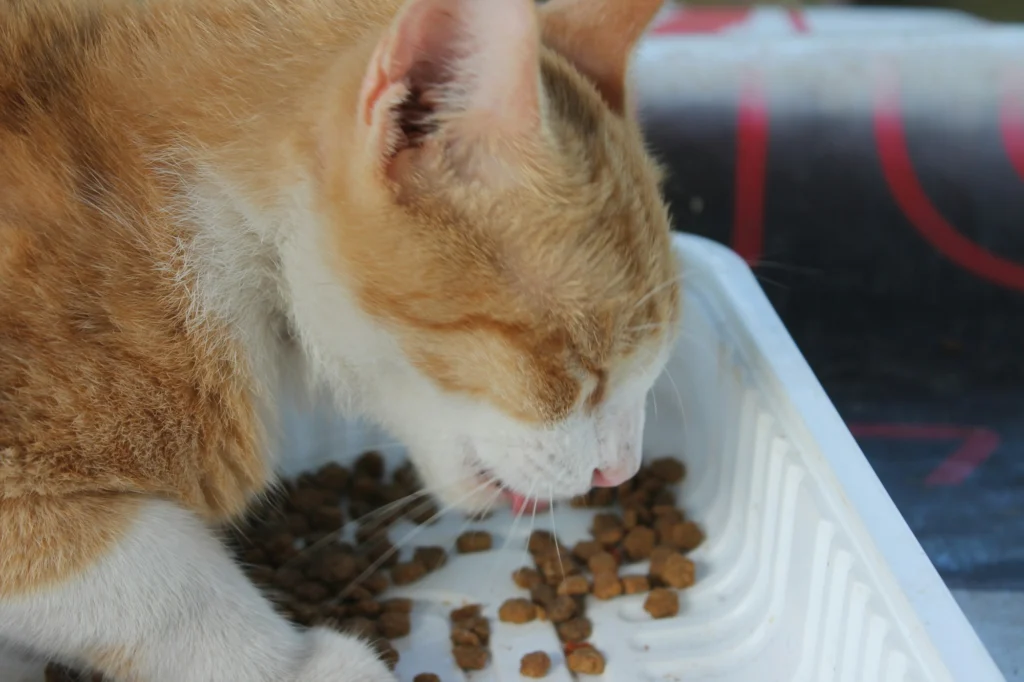
A cat that clears a full portion almost as soon as it is put down is the clearest sign of all. Watch whether your cat chews at all. A cat that swallows kibble nearly whole and walks away before you have put the food bag away is eating faster than the digestive system is built to handle comfortably.
Try timing a few meals. You do not need a stopwatch, only a general feel for whether meals last seconds or minutes. If a meal over before you can sit down is normal in your house, take that as your baseline and look for the other signs below.
Sign 2: Vomiting or Regurgitating Soon After a Meal
This is the sign that worries owners most. A cat that gulps food also swallows air, and food that is barely chewed can come back up soon after the meal. Many owners see this as undigested food on the floor within a short time of eating.
It helps to know that this pattern can have other causes. Fast eating is only one possibility, so repeated vomiting always deserves a conversation with your veterinarian. We cover causes in more detail in our guide to why cats throw up after eating, and the next section explains how vets tell vomiting from regurgitation.
Sign 3: Gulping, Gagging or Noisy Eating
Loud gulping, smacking, a gagging sound or a quick cough during meals suggests your cat is not pacing itself. Cats do not chew the way dogs or people do, and when kibble is swallowed in big mouthfuls it can trigger gagging.
A single cough now and then is not unusual. If it happens at most meals, or if your cat seems to struggle for breath, call your veterinarian right away. Choking or breathing trouble is an emergency, and it is not something to try to fix with a new bowl.
Sign 4: Rushing or Guarding Food Around Other Pets
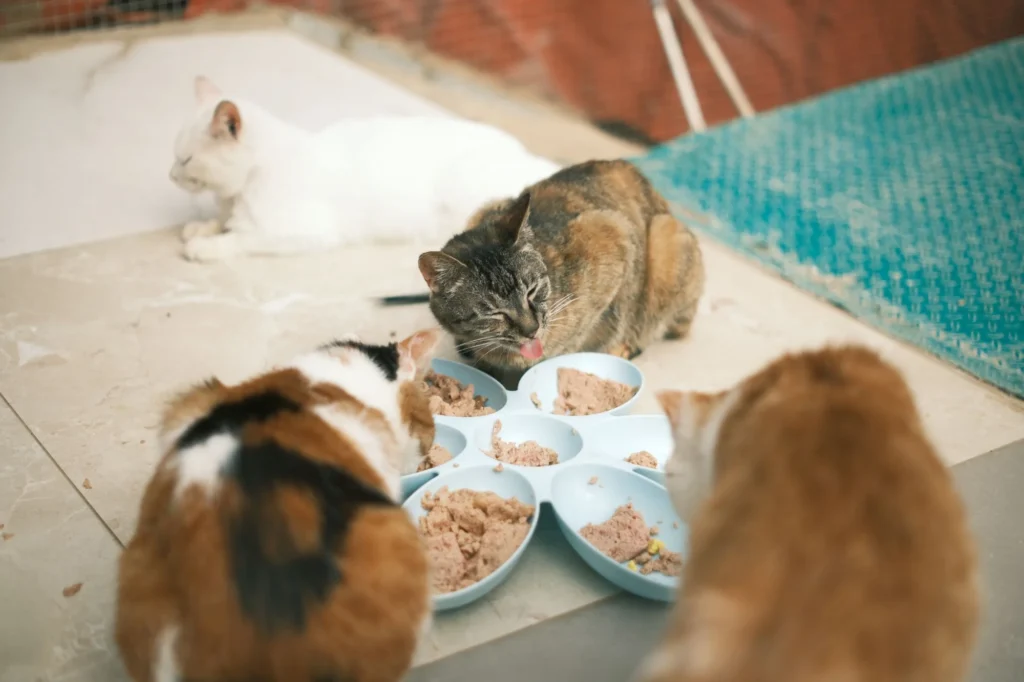
In a home with more than one cat, or a cat and a dog sharing a kitchen, fast eating is often about competition. Watch for a cat that crouches low over the bowl, stares at the other pets, growls or hisses, or bolts the food the moment it appears.
This pattern is less about appetite and more about feeling that food might disappear. It can get stronger if the feeding arrangement stays the same. Our guide to feeding multiple cats in one household explains how to give each cat its own space at mealtime.
Sign 5: Acting Hungry Again Right After Eating
Some fast eaters finish, wander off and then come back asking for more within minutes. Because the meal was over so quickly, your cat may not have registered it. This can look like a bottomless appetite, even when you have fed the right amount.
Be careful with this one. VCA Animal Hospitals advises talking to your veterinarian if a cat seems inappropriately ravenous, appears hungry even after eating, or is losing weight, because those signs can point to an underlying illness. If your cat is also losing weight or drinking much more than usual, book a checkup before assuming it is only fast eating.
Vomiting vs Regurgitation: What the Difference Tells You
Owners often use these two words interchangeably, but vets do not. The Merck Veterinary Manual explains that vomiting is the forceful ejection of stomach contents, usually preceded by drooling, repeated swallowing, retching and contractions of the abdominal muscles. Regurgitation is a passive motion that does not need effort. In regurgitation the food tends to be undigested and may have a tube shape that reflects the shape of the esophagus.
VCA adds that regurgitation typically happens quickly, without abdominal contractions, and often right after eating or drinking. Why does that matter? A cat that brings up food within moments of eating, with no retching, may be bolting its meal. A cat that retches and heaves before vomiting may have something else going on. If you are not sure which you are seeing, describe it to your vet or film a short clip.
When to Call Your Vet
Occasional fast eating with no other symptoms is not usually an emergency. The Merck Veterinary Manual notes that short-term or occasional vomiting is generally not associated with other abnormalities. But some situations need a call.
- Vomiting that keeps happening for more than a day or two, according to VCA.
- Vomiting along with fever, lethargy, loss of appetite, abdominal pain, diarrhea, dehydration or blood, which VCA lists as reasons to seek care right away.
- Suspected swallowing of a foreign object or a toxin.
- Weight loss, or constant hunger despite regular meals.
- Any choking, struggling to breathe or repeated gagging.
When in doubt, call. A veterinarian can rule out medical causes before you focus on eating speed.
What to Do Next
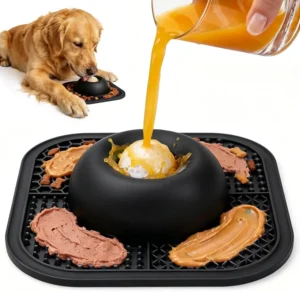
If the signs above sound familiar and your vet has found nothing medical, you can start with small changes. VCA lists puzzle feeders, slow feeder bowls and spreading food out as ways to stop a kitten gulping its meal, and the same ideas suit adult cats. It also notes that many cats do well on at least two meals a day, and that some do better on three to four, since smaller meals break the day’s food into smaller amounts.
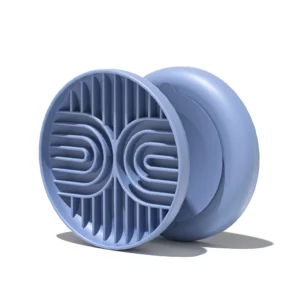
A maze bowl like our Treat Maze Bowl makes a cat work around small obstacles, and a rolling feeder like the Pawzzle Feeder Ball gives kibble out a few pieces at a time. Make sure the dish is wide enough for your cat’s whiskers, as explained in our article on whisker fatigue in cats.
For a full list of fixes, go to our guide on what to do when your cat is eating too fast, compare options in the best slow feeder for cats, or browse feeders in our shop for cats. Kitten owners can start with our kitten slow feeding guide.
A Calmer Mealtime Starts With Noticing
Spotting the signs is the first step toward a calmer mealtime for your cat. Watch a few meals, note which of the five signs you see, and bring that list to your vet if anything worries you. Once medical causes are ruled out, small changes to the bowl, the schedule and the space can make a real difference.
If your cat also seems hungry all the time, our post on why is my cat always hungry covers the everyday and medical causes.

Get Your Free Slow Feeding Cheat Sheet
Everything in this article — plus portion charts, feeder comparisons and meal plans — in one printable PDF. A 15% discount code is included.
Frequently Asked Questions
How fast is too fast for a cat to eat?
There is no official time limit. The practical test is whether your cat chews, pauses and finishes calmly, or swallows in seconds and then vomits, gags or acts hungry again. Several signs together matter more than any one meal.
Is it normal for a cat to throw up after eating fast?
It is common but not something to ignore. Occasional regurgitation after a rushed meal can happen, but repeated vomiting should be checked by a vet, because many other conditions cause it. Call sooner if your cat seems unwell.
Can eating too fast hurt my cat?
VCA Animal Hospitals notes that eating too fast can cause stomach upset and, in more serious cases, aspiration, which is inhaling food. Most cats only have mild upset, but any choking or breathing trouble needs a vet right away.
Why does my cat eat fast when other cats are around?
Competition is a common reason. A cat that fears losing its food may bolt it. Separate bowls in separate spaces often reduce the pressure, and our guide on feeding multiple cats explains how to set that up.
Do kittens eat faster than adult cats?
Many do. VCA describes kittens that devour food within seconds. Smaller, more frequent meals and a slow feeder bowl are often suggested, but ask your vet about the right amounts for a growing kitten.
Sources

Digital marketing specialist at BrightSeen Marketing Agency. Turns veterinary research into clear, practical feeding guides for pet parents.
Mahmoud works for BrightSeen Marketing Agency, which looks after our SEO and GEO and Meta ads.
View all articles by Mahmoud