 Written by
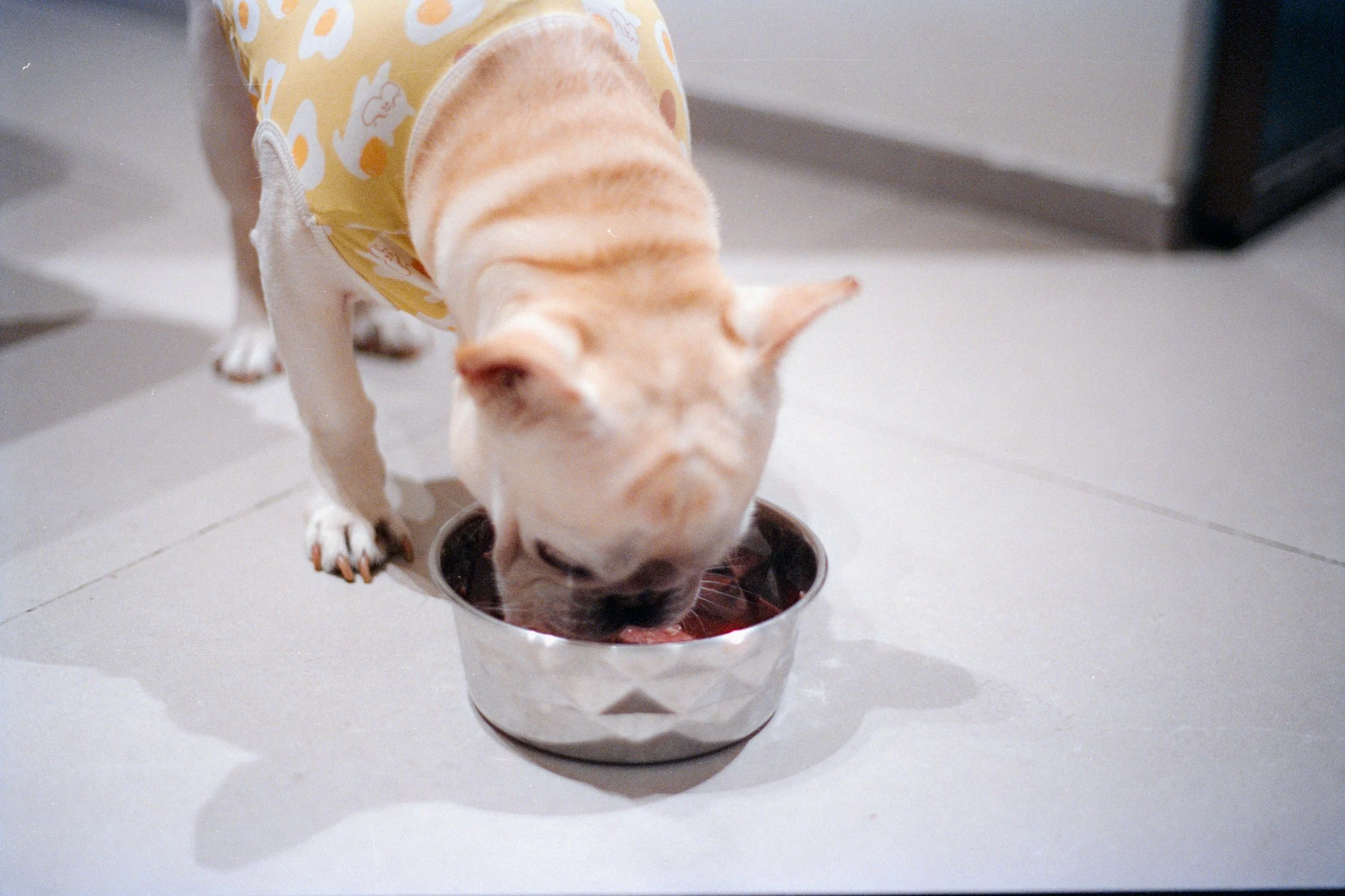
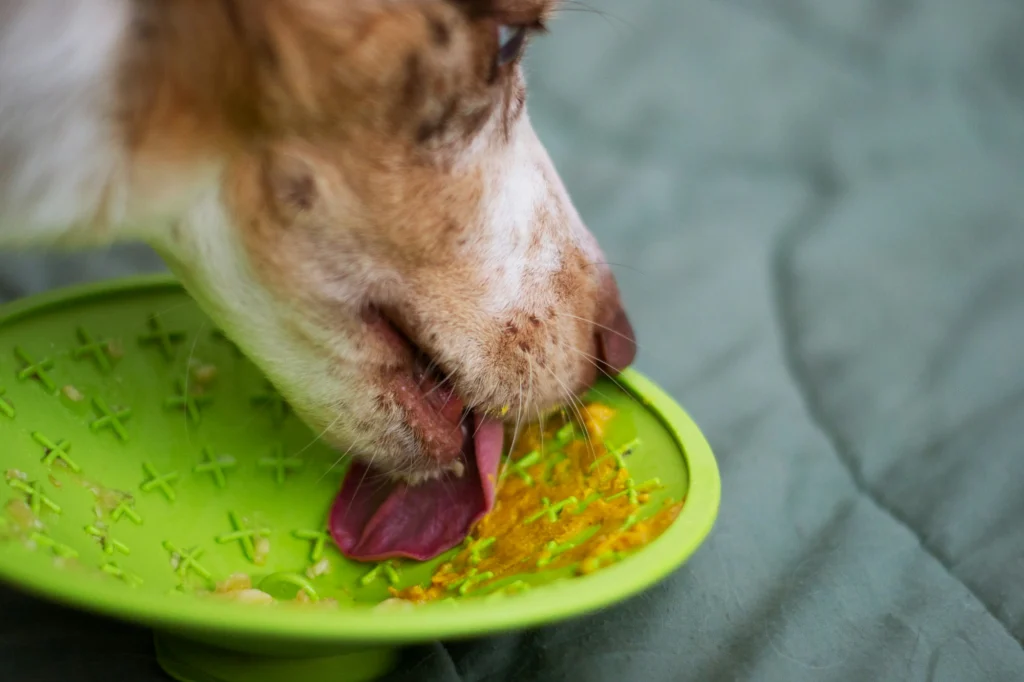
A dog lick bowl with ball is a slow feeder bowl with a ball sitting in the middle that rolls or spins as your dog eats. Food sits underneath and around the ball, so your dog has to lick, nudge, and push the ball aside to get each bite instead of scooping up a whole mouthful. It suits small to medium dogs that gulp their food, dogs that enjoy licking, and owners who want a slow feeder that works with both kibble and wet food.
This post explains how a lick ball bowl works, how it compares with maze bowls and lick mats, which dogs do well with one, which foods to put in it, how to introduce it without frustration, and how to keep it clean and safe. If you are still learning the basics of slow feeding, our explainer on how slow feeder bowls work is a good place to start.
What Is a Dog Lick Bowl With Ball?
Picture an ordinary shallow dog bowl with a round ball resting in the center. The ball is held in place loosely, so it can roll or spin but cannot be lifted out by your dog during the meal. Food goes into the bowl first, and the ball sits on top of it. When your dog licks at the edges, the ball moves, a small amount of food is uncovered, and your dog licks that up. Then the cycle repeats.
The Complete Slow Feeding Starter Kit
Get our expert cheat sheet delivered to your inbox — plus an exclusive 15% discount code for your first order.
People search for this bowl under several names: lick ball bowl, rolling ball slow feeder, spinning ball dog bowl, or licking bowl with ball. They all describe the same idea. The ball acts as a moving lid that only ever reveals a little food at a time.
Our own Interactive Licking Bowl is built this way. It has a spinning center ball, works with dry and wet food, and measures 6.02 x 6.02 x 2.56 inches (15.3 x 15.3 x 6.5 cm), which makes it a fit for small to medium dogs and cats rather than large breeds.
How the Spinning Ball Slows Eating
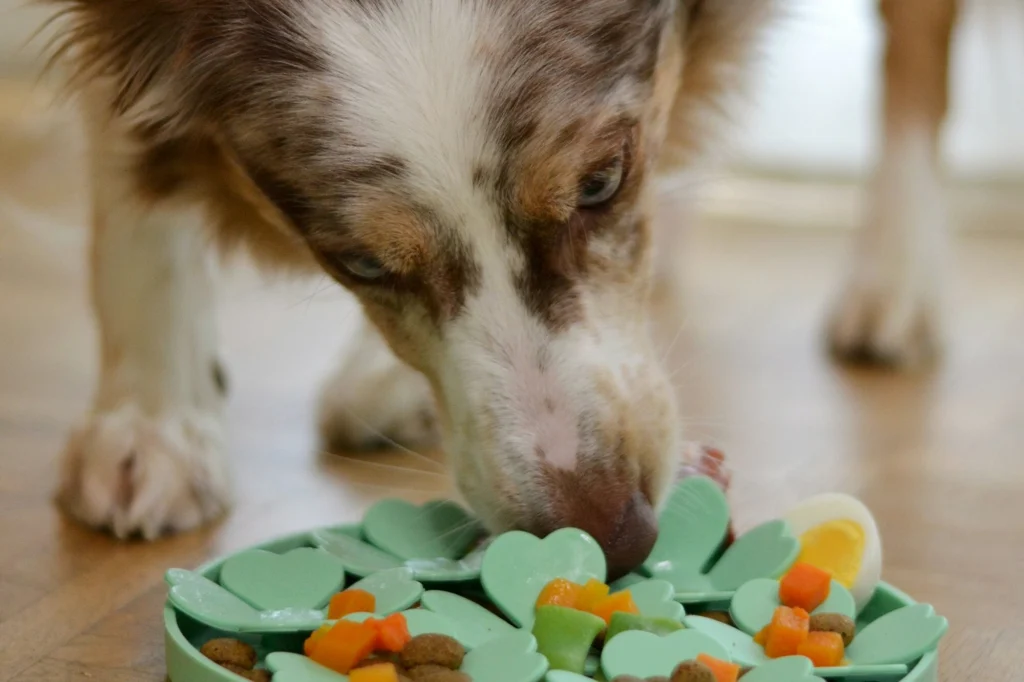
A regular bowl lets a fast eater push its whole muzzle into the food and swallow big mouthfuls. A lick ball bowl takes that option away. Because the ball covers most of the food, your dog can only reach the thin layer the ball has just rolled off. That turns eating into a series of small licks instead of a few big gulps.
Why does that matter? The American Kennel Club explains that dogs who eat too fast can choke, vomit, or feel discomfort, and may face a higher risk of bloat, a serious condition where the stomach expands and can twist. The same AKC page describes food puzzles as feeders with nooks and crannies that make it impossible for a dog to take large gulps. A lick ball bowl works on the same principle, only with one big moving obstacle instead of many fixed ridges.
The licking itself is part of the appeal. The AKC notes that some lick mats double as slow feeders that stop dogs from gobbling food in seconds. A lick ball bowl brings that licking style of eating to a normal meal, with the bowl walls keeping food contained.
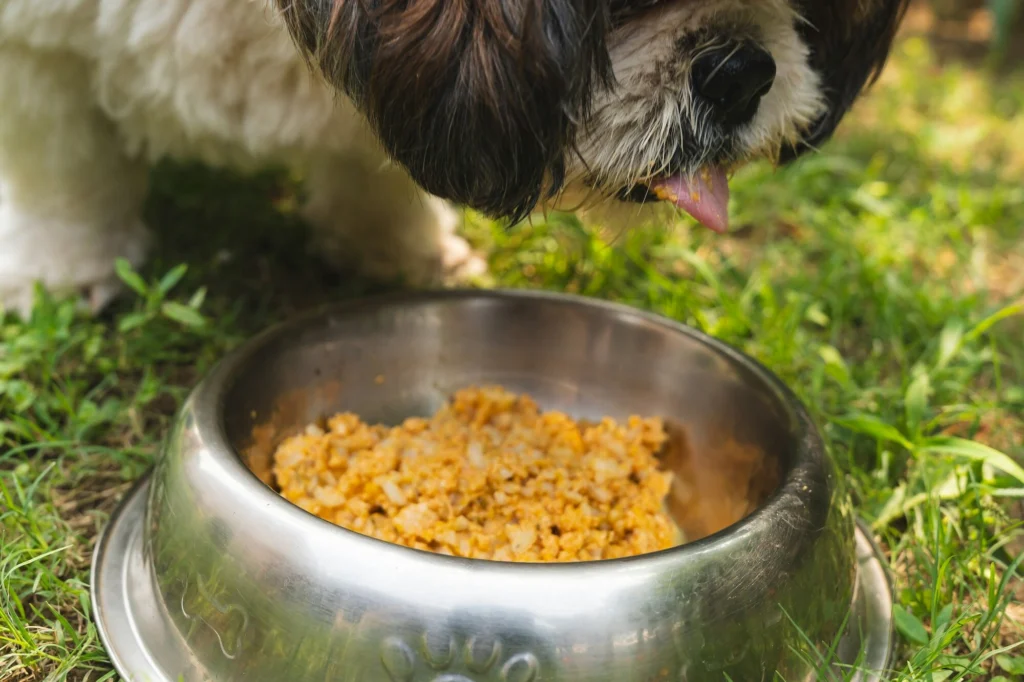
Lick Ball Bowl vs Other Slow Feeders
There is no single best slow feeder. Each design slows dogs down in a different way, and the right one depends on your dog’s eating style and your food.
- Lick bowl with ball: one moving obstacle, licking style eating, easy for most dogs to understand, works with kibble and soft food.
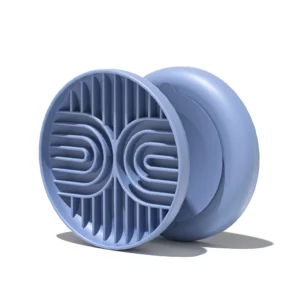
- Maze bowl: fixed ridges and channels that split food into small pockets. Our post on the maze dog bowl covers how those patterns slow fast eaters, and the Triple Maze Feeder is our example of that design.
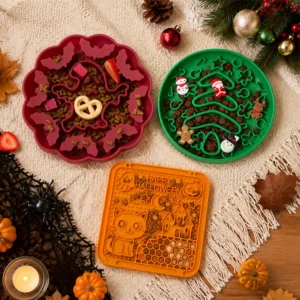
- Lick mat: a flat textured surface for spreading soft food. Better for calm snack time than for a full kibble meal. Our Slow Licking Mat is made for that job.
- Feeder ball or treat ball: a toy your dog rolls around the floor to release kibble. That is a different tool, compared in detail in slow feeder ball vs slow feeder bowl.
If you want to see how our licking bowl stacks up against a well known spinning bowl from another brand, we wrote a full side by side comparison. For a wider look at every style, see our guide to the best slow feeder for dogs.
Which Dogs Suit a Lick Bowl With Ball
A lick ball bowl tends to work best for:
- Small and medium fast eaters. The bowl size matters. A dog whose head is much wider than the bowl will struggle to reach the food around the ball, and a big dog may simply push the whole bowl around the floor.
- Dogs that already love licking. If your dog spends ages licking a lick mat or a yogurt lid, a licking bowl uses that habit for every meal.
- Dogs that give up on complex puzzles. One ball is easier to figure out than a deep maze, so it can be a gentler first slow feeder.
- Dogs that eat wet or mixed food. Soft food stays under the ball and gets licked off evenly, where a deep maze can trap it in corners.
It may be a weaker fit for very large dogs, dogs that chew and destroy plastic, and dogs that get frustrated quickly. If your dog walks away from a slow feeder, paws at it, or barks at it, our post on whether a slow feeder is frustrating for dogs walks through the signs and fixes.
Homes with more than one dog need an extra thought. The AKC points out that separating dogs at feeding times may help reduce anxiety and stress around food, and that stressed dogs are more likely to bloat. A slow bowl in a busy room can make a dog feel it has to hurry, so give the fast eater its own quiet space.
Best Foods for a Lick Ball Bowl
The food you use changes how long the meal lasts and how easy the ball is to move.
- Small kibble: rolls under and around the ball nicely. Large kibble pieces can wedge the ball and stop it from moving, so check that your dog can still shift it.
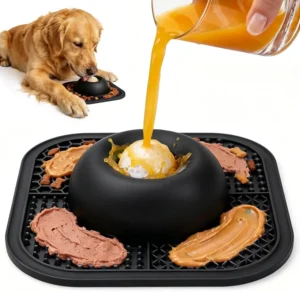
- Wet food: spreads thinly under the ball and is licked off slowly. Press it into an even layer rather than piling it in the middle.
- Kibble with a little wet food: the wet food helps the kibble stick, which slows things further.
- Soaked kibble: a softer option for puppies or seniors who find hard pieces tricky.
If you mostly feed canned food, our post on using a slow feeder for wet dog food has more on portion layering and cleanup. Keep the amount the same as your dog’s normal meal; the bowl changes the speed of eating, not the amount your dog needs.
How to Introduce a Lick Ball Bowl Step by Step
Most dogs work out a lick ball bowl within a few meals, but a slow start helps the new bowl feel rewarding rather than annoying.
- Start easy. Put a few tasty pieces on top of and around the ball where they are easy to reach, so your dog wins right away.
- Add some food under the ball. Once your dog is licking happily, place part of the meal underneath so the ball has to move.
- Split the meal. For the first few days, serve half the meal in the old bowl and half in the new one.
- Stay nearby. Watch how your dog handles the ball. Licking and nudging is great. Biting or trying to lift the ball is a sign to slow down or step in.
- Move to full meals. When your dog finishes the slow bowl calmly, serve the whole meal in it.
This mirrors the general approach in our step by step guide to introducing your dog to a slow feeder, adapted for the moving ball.
Safety and Supervision
A lick ball bowl is a feeding tool, not a chew toy. The AKC’s advice on lick mats applies here too: they are best used with supervision, so you can step in if your dog tries to eat or destroy the item, and it is worth choosing products labeled food grade.
A few simple checks keep mealtimes safe:
- Look over the ball and bowl before each meal for cracks, bite marks, or loose parts.
- Take the bowl away after the meal instead of leaving it out as a toy.
- Replace the bowl if your dog has chewed pieces off it.
- Make sure the ball still moves freely and has not jammed.
Slowing a dog down does not replace a vet visit. If your dog vomits often after eating, coughs or gags on food, or seems in pain, call your vet. Retching that brings nothing up or a swollen, tight belly can be signs of bloat, and the AKC says a dog that may be bloated should see a veterinarian immediately.
Cleaning a Lick Bowl With a Ball
Licking bowls collect a thin film of food under and around the ball, so cleaning them matters. The U.S. Food and Drug Administration advises that you wash pet food bowls with soap and hot water after each use, and that you should not use your pet’s bowl as a scoop for food.
A quick routine that works for most lick ball bowls:
- Rinse right after the meal so wet food does not dry onto the ball.
- Wash the bowl and ball with hot soapy water, turning the ball so you reach every side.
- Use a small brush around the base where the ball sits, since that gap traps food.
- Rinse well and let everything dry fully before the next meal.
Our step by step post on cleaning a slow feeder and lick mat covers tougher stuck-on food and drying tips.
Can Cats Use a Lick Ball Bowl?
Yes, many cats can. A shallow licking bowl is a gentle way to slow a cat that gulps wet food, as long as the bowl is wide and shallow enough to be comfortable. International Cat Care recommends introducing feeders gradually: keep feeding some of the daily food in a normal bowl and set the feeder so food is easy to get at first. The same page says a review of the research found benefits of puzzle feeders for cats such as fewer signs of stress and help with weight loss.
Start with wet food or a few treats under the ball, keep a regular bowl available during the switch, and watch that your cat is eating its full portion.
Picking Your First Lick Ball Bowl
A dog lick bowl with ball is one of the simplest slow feeders to try: one moving part, no complicated maze, and a licking style of eating that many dogs already enjoy. Choose a bowl sized for your dog, use small kibble or soft food, introduce it over a few meals, supervise, and wash it after every use. If your dog is a small or medium fast eater, our Interactive Licking Bowl is built for exactly this, and you can compare it with other designs in our slow feeder bowls collection. For more ways to slow a gulper down, see our guide on how to stop a dog from eating too fast.
Get Your Free Slow Feeding Cheat Sheet
Everything in this article — plus portion charts, feeder comparisons and meal plans — in one printable PDF. A 15% discount code is included.
Frequently Asked Questions
Do lick bowls with a ball really slow dogs down?
They do for most dogs, because the ball covers the food and only uncovers a little at a time. Your dog has to lick and nudge rather than gulp. How much slower depends on the food, the bowl size, and how determined your dog is, so time a few meals before and after to see the change for your own dog.
Can I put wet food in a dog lick bowl with ball?
Yes. Wet food works well because it spreads under the ball and gets licked off slowly. Press it into an even layer, rinse the bowl soon after the meal, and wash it with hot soapy water so food does not dry on.
Is a lick ball bowl good for large dogs?
Most lick ball bowls, including ours, are sized for small to medium dogs and cats. A large dog may not be able to reach the food around the ball comfortably, so pick a slow feeder made for bigger muzzles instead.
What is the difference between a lick ball bowl and a lick mat?
A lick mat is a flat textured surface for spreading soft food and is usually used for snacks and calm time. A lick ball bowl holds a full meal of kibble or wet food and uses a moving ball to slow eating. Many owners use both, one for meals and one for downtime. Our post on how lick mats calm anxious dogs covers the calming side.
What should I do if my dog still vomits after eating?
Call your vet. A slow feeder can help with gulping, but repeated vomiting has many possible causes that need a proper check. If your dog is retching without bringing anything up or has a swollen belly, treat it as an emergency and contact a vet right away.
Sources

Digital marketing specialist at BrightSeen Marketing Agency. Turns veterinary research into clear, practical feeding guides for pet parents.
Mahmoud works for BrightSeen Marketing Agency, which looks after our SEO and GEO and Meta ads.
View all articles by Mahmoud