 Written by
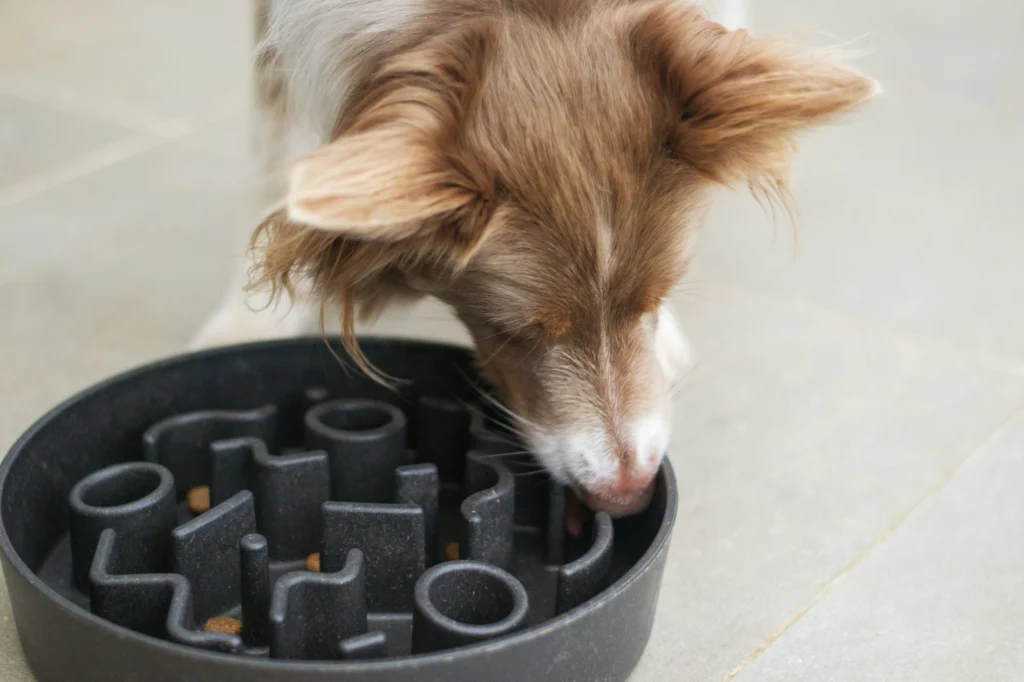
A slow feeder for chihuahua dogs has one job that a regular bowl cannot do: it spreads a very small meal across ridges or a moving ball so your dog has to work for each bite. The right one is shallow, light enough to sit flat but grippy enough not to skate across the floor, and has gaps wide enough for a tiny muzzle and a small tongue. If your Chihuahua swallows kibble whole, gags at the bowl, or finishes before you have put the bag away, a shallow slow feeder is usually a better first step than a deep maze built for a Labrador.
This post is about the Chihuahua in particular. If you want the general picture for every little breed, our roundup of the best slow feeders for small dogs and puppies covers that. Here we look at what makes this breed different at the bowl: a tiny mouth packed with teeth, a body that can run low on fuel quickly when young, and a personality that does not always welcome new objects near its food.
Does a Chihuahua Need a Slow Feeder?
Not every Chihuahua does. Plenty of them are dainty, picky eaters who nibble a few pieces, walk away, and come back later. For that dog a slow feeder adds nothing and may even put them off a meal they were barely interested in.
How to Pick the Right Slow Feeder for Your Pet
Get our expert cheat sheet delivered to your inbox — plus an exclusive 15% discount code for your first order.
A slow feeder starts to make sense when you see one or more of these at mealtime:
- The bowl is empty in a few seconds and your dog keeps licking the bottom.
- You find whole, unchewed kibble in vomit or hear gulping and coughing during the meal.
- Your Chihuahua guards the bowl or rushes because another pet eats nearby.
- Meals end with hiccups, burps, or a dog who seems uncomfortable.
- Your dog is bored between meals and you want the food itself to provide some mental work.
The American Kennel Club notes that dogs who eat too quickly may choke, vomit, or feel discomfort, and that fast eating may raise the risk of bloat. The AKC article on bloat in dogs links the risk to chest shape, with deep, narrow chested dogs affected most often, so for a Chihuahua the main everyday reasons are comfort, chewing, and calmer mealtimes rather than bloat prevention. If you are unsure whether your dog is actually fast, time a few meals first. Our guide to how long it should take a dog to eat shows you how to do that at home.
What Makes Chihuahua Mealtimes Different
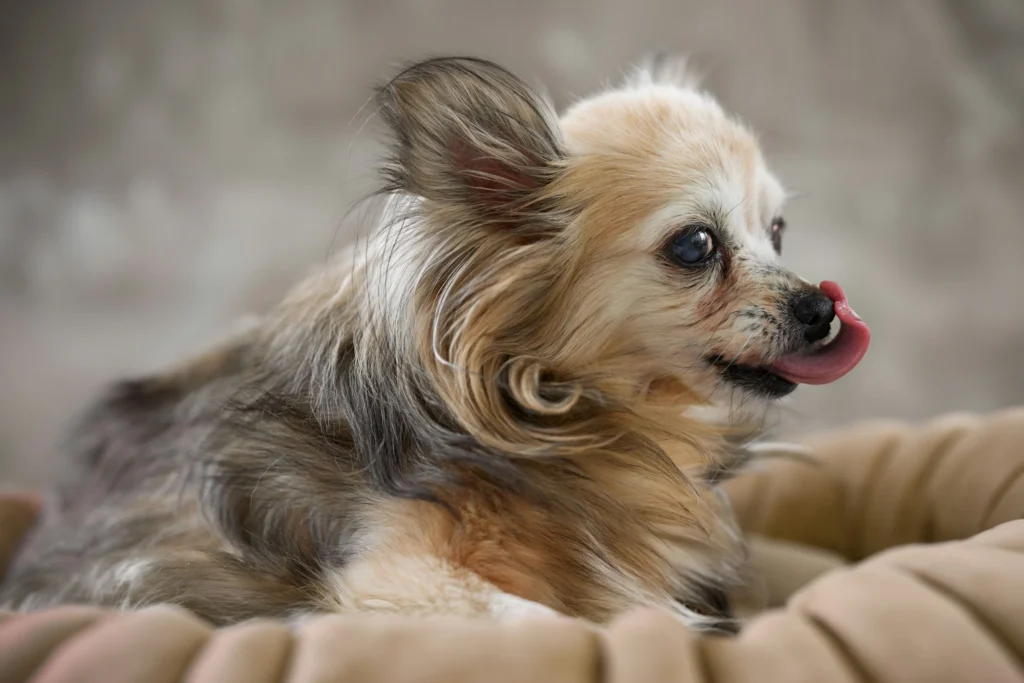
A Chihuahua is one of the smallest dog breeds, and nearly everything about feeding one is scaled down. A full meal may only cover the bottom of an ordinary bowl. That changes how a slow feeder behaves in three ways.
Small portions sit low. In a deep or tall maze, a small portion of kibble falls to the very bottom of each channel. A big dog can push its muzzle down there. A Chihuahua often cannot, so the food that was meant to slow eating simply becomes food the dog cannot reach. This is where frustration starts.
Light dogs move light bowls. A determined Chihuahua can push a lightweight bowl across a smooth kitchen floor, chasing it into a corner. A non slip base or a mat underneath matters more for this breed than for heavier dogs, who tend to hold the bowl in place with their own weight.
Head shapes vary. Some Chihuahuas have a rounder head and a shorter muzzle, others a longer face. A dog with a short muzzle finds narrow, deep gaps harder to clear. Look at your own dog’s face, not just the breed name on the box, when you choose a pattern.
Our post on what size slow feeder your dog needs walks through measuring one meal and matching it to a bowl footprint. For a Chihuahua the short version is simple: choose the smallest, shallowest design that still has a pattern, and only move to a harder one once your dog is relaxed with it.
Tiny Mouth, Crowded Teeth: Why Pattern Depth Matters
Dental health is one of the biggest reasons to think carefully about the bowl. The AKC explains that toy breeds have tiny mouths but relatively large teeth, which leaves the teeth crowded together. That crowding creates more places for plaque and tartar to collect, and it is a common route to periodontal disease. Retained baby teeth can make the crowding worse.
A separate AKC article on how dental problems differ between small and large dogs points out that small dogs still have to fit all 42 adult teeth into a little mouth, and that toy breeds have often lost half of their teeth by the time they are 12 years old. A veterinary dentist quoted there adds that many little dogs do not chew their food much, especially when they eat a lot of soft food.
What does this mean for a slow feeder?
- Older Chihuahuas with missing teeth often do better with a lick based feeder or a very shallow pattern. Asking a dog with few teeth to pick kibble out of narrow slots can turn a meal into a chore.
- Dogs with sore mouths may suddenly avoid a slow feeder they used to like. A change like this deserves a vet visit, because the bowl is rarely the real problem.
- A slow feeder is not a dental treatment. It can encourage a slower pace, but it does not replace tooth brushing or the dental checks your vet recommends.
If your dog’s mouth is healthy, a slow feeder that makes them pick up a few pieces at a time is a reasonable way to encourage more chewing and less gulping. Just keep the ridges low enough that the job is possible.
Low Blood Sugar and Why Meals Should Not Drag On
This is the part of the topic that is unique to toy breeds and easy to miss. The AKC article on hypoglycemia in dogs describes a form called puppy or toy dog hypoglycemia. Very young or very small puppies, especially toy puppies, have limited fat and muscle and an immature liver, so they cannot store much glucose. They can run low between meals, particularly when they are active, cold, or stressed. The AKC’s chief veterinarian notes that the puppies he sees with it are often very young, under 12 weeks, newly acquired, and frequently toy breed types.
The same article says there is no special diet for dogs prone to low blood sugar, and that small, frequent meals are recommended for young puppies as directed by a veterinarian.
Two practical points follow for anyone using a slow feeder for chihuahua puppies:
- The goal is a slower meal, not a smaller one. If the puzzle is so hard that your puppy gives up and walks away with food still in the bowl, it is working against you. Watch the first few meals and make sure the bowl is actually emptied.
- Do not use a slow feeder to stretch the gap between meals. Keep the feeding schedule your vet gave you. The bowl changes how each meal is eaten, not how often your puppy eats.
If your Chihuahua puppy seems weak, wobbly, unusually sleepy, or has a seizure, call your vet or an emergency clinic right away. These signs need professional care, not a change of bowl.
Choosing a Slow Feeder for Chihuahua Dogs: A Checklist
Use this list when you compare bowls in a shop or online.
- Shallow walls. Your dog should be able to reach the floor of every channel without pressing its face hard into the bowl.
- Wide enough gaps. Gaps should be wider than your dog’s muzzle tip and tongue so food can be licked out, not just pushed around.
- A simple pattern to start. Gentle waves, a spiral, or a single moving ball are easier first steps than a multi level maze.
- Grip. A rubber or silicone base, or a non slip mat under the bowl, stops it from sliding.
- Easy to clean. Small dogs often eat wet food or toppers that dry in corners. Smooth curves and dishwasher safe materials help.
- Food safe material. Look for clear material information from the seller.
- A portion that fits. The bowl should hold one meal in a thin layer, not a pile.
Size matters more than style. A small, easy bowl that your Chihuahua actually uses will do more good than an impressive puzzle it refuses. If you want a side by side look at one small dog option and how much food it holds, our guide to the best slow feeder for small dogs covers that in detail.
Pets Sparkle Bowls That Fit a Chihuahua
Our bowls are designed for small to medium dogs and cats, which makes them a natural fit for toy breeds. Here is how each one suits a Chihuahua.
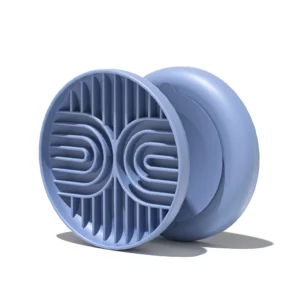
Interactive Licking Bowl. A shallow bowl with a ball in the center that spins as your dog licks. Food sits under and around the ball, so your dog uncovers a little at a time. This is often the easiest starting point for a Chihuahua, because there are no deep channels to push into, and it works with both kibble and wet food.
Treat Maze Bowl. A maze bowl with a non slip base. Choose it for a confident, healthy mouthed Chihuahua who has already mastered an easier feeder and still finishes too fast. Check that your dog can reach the inner channels before you rely on it for every meal.
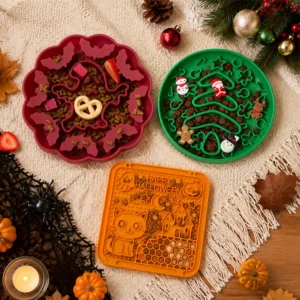
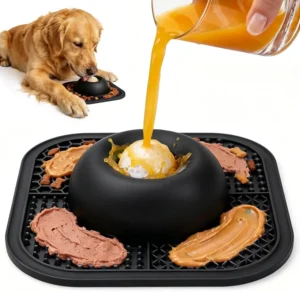
Slow Licking Mat. A flat silicone mat for spreading wet food, a soft topper, or a frozen snack. For senior Chihuahuas with fewer teeth, or for dogs who find bowls stressful, a lick mat can turn part of the daily ration into a slow, calm activity.
You can compare every shape in our slow feeder bowls collection. If you are not sure whether a maze will suit your dog, our post on the maze dog bowl explains how different maze patterns work, from easy to hard.
Kibble, Wet Food, or Both in a Chihuahua Slow Feeder
Many Chihuahuas eat a small breed kibble, a wet food, or a mix of both. Each behaves differently in a slow feeder.
Small kibble scatters well across a pattern and is the easiest food to slow down. Spread it evenly instead of tipping it in one spot, so every channel holds a few pieces.
Wet food needs to be pressed into the pattern in a thin layer. It slows a dog down well because it has to be licked out, but it also sticks, so rinse the bowl soon after the meal. A lick based bowl or mat is usually easier to clean than a deep maze when you feed mostly wet food.
A mix works too. Put the kibble down first, then add a spoon of wet food on top so it fills the gaps. This often keeps a picky Chihuahua interested while still slowing a fast one.
Whatever you feed, do not change the amount just because the bowl changed. Keep to the portion your vet or the food label suggests for your dog’s weight and body condition, and count any toppers or treats used in the feeder as part of that day’s food.
How to Introduce the Bowl to a Wary Chihuahua
Chihuahuas are known for strong opinions, and some are suspicious of new things near their food. A slow, positive start helps.
- Let your dog explore it empty. Put the new bowl down near the old one with nothing in it. Praise your dog for sniffing it.
- Add a few high value pieces. Drop a few bits of kibble or a small dab of wet food on the easiest part of the pattern. Let your dog win quickly.
- Serve part of a meal. Put some of the meal in the slow feeder and the rest in the familiar bowl. Over several days, shift more of the meal into the slow feeder.
- Watch body language. Pawing hard, barking at the bowl, or walking off and staring at you can be signs the bowl is too hard. Make it easier rather than waiting it out.
- Keep the spot calm. Feed in the same quiet place, away from other pets, so your dog does not feel it has to rush.
If your dog seems annoyed rather than engaged, our post on whether a slow feeder is frustrating for dogs lists the signs of healthy challenge and the signs of stress, plus easy ways to dial the difficulty down.
Chihuahua Puppies and Slow Feeders
Puppies are often the fastest eaters of all, especially if they had to compete with littermates. A slow feeder can help a gulping Chihuahua puppy, but a few extra rules apply.
- Use the easiest design you have. A puppy’s mouth and coordination are still developing. Start with a lick bowl or the gentlest pattern.
- Stay close. Supervise meals so you can see that your puppy finishes the food and is not chewing on the bowl itself.
- Follow your vet’s meal plan. As covered above, young toy puppies can run low on blood sugar. The slow feeder should never mean less food or longer gaps.
- Check the bowl as your puppy grows. As the meal size changes, make sure the portion still sits in a thin layer.
Our post on feeding a fast eating puppy gives a week by week plan for slowing a young gulper down.
Start Small and Watch Your Chihuahua
The best slow feeder for chihuahua dogs is not the hardest puzzle on the shelf. It is a shallow, stable bowl that your dog can solve, that holds one small meal in a thin layer, and that suits the state of your dog’s teeth. Start with the easiest option, watch a few meals, and adjust from there. Your Chihuahua will tell you quickly whether the bowl is a fun challenge or a nuisance.
If anything about your dog’s eating changes suddenly, such as refusing food, dropping food from the mouth, or vomiting, talk to your vet before trying a new bowl.
Get Your Free Slow Feeding Cheat Sheet
Everything in this article — plus portion charts, feeder comparisons and meal plans — in one printable PDF. A 15% discount code is included.
Frequently Asked Questions
What is the best slow feeder for a chihuahua?
Look for a shallow bowl with a simple pattern or a spinning ball, a non slip base, and gaps wide enough for a tiny muzzle. A lick based bowl such as our Interactive Licking Bowl is often the easiest start. Move to a maze only if your dog finds the first bowl too easy.
Can a slow feeder be too hard for a chihuahua?
Yes. Deep channels made for larger dogs can leave food out of reach. If your Chihuahua paws at the bowl, barks at it, or leaves food behind, switch to a shallower design. A slow feeder should make the meal slower, not unfinishable.
Are slow feeders safe for chihuahua puppies?
They can be, as long as you use an easy design, supervise meals, and make sure your puppy finishes the food. Toy puppies can run low on blood sugar between meals, so keep to the feeding schedule your vet recommends and never use the bowl to reduce food.
Can I put wet food in a slow feeder for my chihuahua?
Yes. Press it into the pattern in a thin layer, or spread it on a lick mat. Rinse the bowl soon after the meal so food does not dry in the grooves, then wash it with hot soapy water.
My chihuahua vomits after eating. Will a slow feeder fix it?
Call your vet first. Gulping can cause a dog to bring food back up, but vomiting has many other causes, some of them serious. If your dog is retching without producing anything, has a swollen belly, or seems weak, treat it as an emergency.
Sources

Digital marketing specialist at BrightSeen Marketing Agency. Turns veterinary research into clear, practical feeding guides for pet parents.
Mahmoud works for BrightSeen Marketing Agency, which looks after our SEO and GEO and Meta ads.
View all articles by Mahmoud